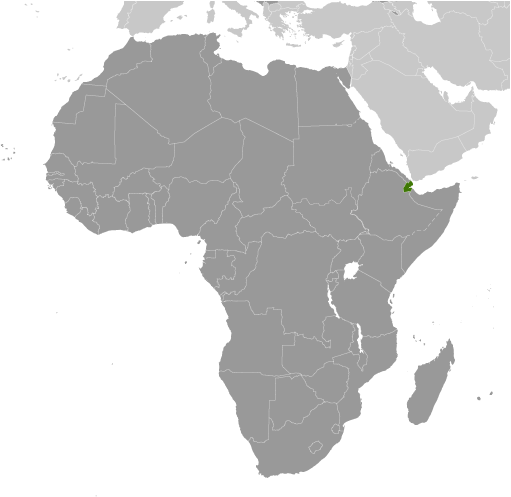

| DJIBOUTI Republic of Djibouti Republique de Djibouti/Jumhuriyat Jibuti Joined United Nations: 20 September 1977 Human Rights as assured by their constitution Click here Updated 03 April 2013 |

| CAPITAL |
| POPULATION |
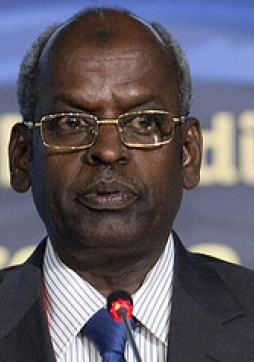
| CHIEF OF STATE |
| SELECTION PROCESS |
Djibouti
774,389 (July 2012 est.)

Ismail Omar Guelleh
President since 8 May 1999
President since 8 May 1999
President elected by popular vote for a six-year term (eligible
for a second term); election last held 8 April 2011
Next scheduled election: 2016
for a second term); election last held 8 April 2011
Next scheduled election: 2016

HEAD OF GOVERNMENT
SELECTION PROCESS
Abdoulkader Kamil Mohamed
Prime Minister since 1 April 2013
Prime Minister since 1 April 2013
Prime minister appointed by the president
| DECLARATION OF HUMAN RIGHTS |
| ETHNIC GROUPS |
Somali 60%, Afar 35%, French, Arab, Ethiopian, and Italian 5%
| RELIGIONS |
Muslim 94%, Christian 6%
| GOVERNMENT STRUCTURE |
Republic comprised of 6 districts (cercles, singular - cercle). Legal system is based on French civil law system, traditional
practices, and Islamic law; has not accepted compulsory ICJ jurisdiction
Executive: President elected by popular vote for a six-year term (eligible for a second term); Prime minister appointed by
the president; election last held 8 April 2011 (next to be held by 2016)
Legislative: Unicameral Chamber of Deputies or Chambre des Deputes (65 seats; members elected by popular vote for
five-year terms)
elections: last held 22 February 2013 (next to be held in 2018)
Judicial: Supreme Court or Cour Supreme
practices, and Islamic law; has not accepted compulsory ICJ jurisdiction
Executive: President elected by popular vote for a six-year term (eligible for a second term); Prime minister appointed by
the president; election last held 8 April 2011 (next to be held by 2016)
Legislative: Unicameral Chamber of Deputies or Chambre des Deputes (65 seats; members elected by popular vote for
five-year terms)
elections: last held 22 February 2013 (next to be held in 2018)
Judicial: Supreme Court or Cour Supreme
| LANGUAGES |
French (official), Arabic (official), Somali, Afar
| BRIEF HISTORY |
The Republic of Djibouti gained its independence on June 27, 1977. It is the successor to French Somaliland (later called
the French Territory of the Afars and Issas), which was created in the first half of the 19th century as a result of French
interest in the Horn of Africa. However, the history of Djibouti, recorded in poetry and songs of its nomadic peoples, goes
back thousands of years to a time when Djiboutians traded hides and skins for the perfumes and spices of ancient Egypt,
India, and China. Through close contacts with the Arabian peninsula for more than 1,000 years, the Somali and Afar tribes
in this region became among the first on the African continent to adopt Islam. It was Rochet d'Hericourt's exploration into
Shoa (1839-42) that marked the beginning of French interest in the African shores of the Red Sea. Further exploration by
Henri Lambert, French Consular Agent at Aden, and Captain Fleuriot de Langle led to a treaty of friendship and assistance
between France and the sultans of Raheita, Tadjoura, and Gobaad, from whom the French purchased the anchorage of
Obock in 1862. Growing French interest in the area took place against a backdrop of British activity in Egypt and the
opening of the Suez Canal in 1869. In 1884-85, France expanded its protectorate to include the shores of the Gulf of
Tadjoura and the Somaliland, installing Léonce Lagarde as governor of this protectorate. Boundaries of the protectorate,
marked out in 1897 by France and Emperor Menelik II of Ethiopia, were reaffirmed by agreements with Emperor Haile
Selassie I of Ethiopia in 1945 and 1954. The administrative capital was moved from Obock to Djibouti in 1896. Djibouti,
which has a good natural harbor and ready access to the Ethiopian highlands, attracted trade caravans crossing East Africa
as well as Somali settlers from the south. The Franco-Ethiopian railway, linking Djibouti to the heart of Ethiopia, was begun
in 1897 and reached Addis Ababa in June 1917, increasing the volume of trade passing through the port. During the Italian
invasion and occupation of Ethiopia in the 1930s and during World War II, constant border skirmishes occurred between
French and Italian forces. The area was ruled by the Vichy (French) government from the fall of France until December
1942, and fell under British blockade during that period. Free French and the Allied forces recaptured Djibouti at the end of
1942. A local battalion from Djibouti participated in the liberation of France in 1944. On July 22, 1957, the colony was
reorganized to give the people considerable self-government. On the same day, a decree applying the Overseas Reform Act
(Loi Cadre) of June 23, 1956, established a territorial assembly that elected eight of its members to an executive council.
Members of the executive council were responsible for one or more of the territorial services and carried the title of minister.
The council advised the French-appointed governor general. In a September 1958 constitutional referendum, French
Somaliland opted to join the French community as an overseas territory. This act entitled the region to representation by one
deputy and one senator in the French Parliament, and one counselor in the French Union Assembly. The first elections to the
territorial assembly were held on November 23, 1958, under a system of proportional representation. In the next assembly
elections (1963), a new electoral law was enacted. Representation was abolished in exchange for a system of straight
plurality vote based on lists submitted by political parties in seven designated districts. Ali Aref Bourhan, allegedly of Turkish
origin, was selected to be the president of the executive council. French President Charles de Gaulle's August 1966 visit to
Djibouti was marked by 2 days of public demonstrations by Somalis demanding independence. On September 21, 1966,
Louis Saget, appointed governor general of the territory after the demonstrations, announced the French Government's
decision to hold a referendum to determine whether the people would remain within the French Republic or become
independent. In March 1967, 60% chose to continue the territory's association with France. In July of that year, a directive
from Paris formally changed the name of the region to the French Territory of the Afars and Issas. The directive also
reorganized the governmental structure of the territory, making the senior French representative, formerly the governor
general, a high commissioner. In addition, the executive council was redesignated as the council of government, with nine
members.In 1975, the French Government began to accommodate increasingly insistent demands for independence. In June
1976, the territory's citizenship law, which favored the Afar minority, was revised to reflect more closely the weight of the
Issa Somali. The electorate voted for independence in a May 1977 referendum, and the Republic of Djibouti was
established June that same year. Hassan Gouled Aptidon became the country's first president. In 1981, Aptidon turned the
country into a one party state by declaring that his party, the Rassemblement Populaire pour le Progrès (RPP) (People's
Rally for Progress), was the sole legal one. A civil war broke out in 1991, between the government and a predominantly
Afar rebel group, the Front for the Restoration of Unity and Democracy (FRUD). The FRUD signed a peace accord with
the government in December 1994, ending the conflict. Two FRUD members were made cabinet members, and in the
presidential elections of 1999 the FRUD campaigned in support of the RPP. Aptidon resigned as president 1999, at the age
of 83, after being elected to a fifth term in 1997. His successor was his nephew, Ismail Omar Guelleh. On May 12, 2001,
President Ismail Omar Guelleh presided over the signing of what is termed the final peace accord officially ending the
decade-long civil war between the government and the armed faction of the FRUD. The peace accord successfully
completed the peace process begun on February 7, 2000 in Paris. Ahmed Dini Ahmed represented the FRUD. In the
presidential election held April 8, 2005 Ismail Omar Guelleh was re-elected to a second 6-year term at the head of a
multi-party coalition that included the FRUD and other major parties. A loose coalition of opposition parties again boycotted
the election. Currently, political power is shared by a Somali president and an Afar prime minister, with an Afar career
diplomat as Foreign Minister and other cabinet posts roughly divided. However, Issas are predominate in the government,
civil service, and the ruling party. That, together with a shortage of non-government employment, has bred resentment and
continued political competition between the Issa Somalis and the Afars. In March 2006, Djibouti held its first regional
elections and began implementing a decentralization plan. The broad pro-government coalition, including FRUD candidates,
again ran unopposed when the government refused to meet opposition preconditions for participation. In the 2008 elections,
the opposition Union for a Presidential Majority (UMP) party boycotted the election, leaving all 65 seats to the ruling RPP.
Voter turnout figures were disputed. Guelleh was re-elected in the 2011 presidential election. Due to its strategic location at
the mouth of the Bab el Mandeb gateway to the Red Sea and the Suez Canal, Djibouti also hosts various foreign military
bases. Camp Lemonnier is a United States Naval Expeditionary Base, situated at Djibouti-Ambouli International Airport
and home to the Combined Joint Task Force - Horn of Africa (CJTF-HOA) of the U.S. Africa Command
(USAFRICOM). In 2011, Japan also opened a local naval base staffed by 180 personnel to assist in marine defense. This
initiative is expected to generate $30 million in revenue for the Djiboutian government. Following Chamber of Deputies
election on 22 February 2013, Abdoulkader Kamil Mohamed was named Prime Minister.
Sources: Wikipedia History of Djibouti
the French Territory of the Afars and Issas), which was created in the first half of the 19th century as a result of French
interest in the Horn of Africa. However, the history of Djibouti, recorded in poetry and songs of its nomadic peoples, goes
back thousands of years to a time when Djiboutians traded hides and skins for the perfumes and spices of ancient Egypt,
India, and China. Through close contacts with the Arabian peninsula for more than 1,000 years, the Somali and Afar tribes
in this region became among the first on the African continent to adopt Islam. It was Rochet d'Hericourt's exploration into
Shoa (1839-42) that marked the beginning of French interest in the African shores of the Red Sea. Further exploration by
Henri Lambert, French Consular Agent at Aden, and Captain Fleuriot de Langle led to a treaty of friendship and assistance
between France and the sultans of Raheita, Tadjoura, and Gobaad, from whom the French purchased the anchorage of
Obock in 1862. Growing French interest in the area took place against a backdrop of British activity in Egypt and the
opening of the Suez Canal in 1869. In 1884-85, France expanded its protectorate to include the shores of the Gulf of
Tadjoura and the Somaliland, installing Léonce Lagarde as governor of this protectorate. Boundaries of the protectorate,
marked out in 1897 by France and Emperor Menelik II of Ethiopia, were reaffirmed by agreements with Emperor Haile
Selassie I of Ethiopia in 1945 and 1954. The administrative capital was moved from Obock to Djibouti in 1896. Djibouti,
which has a good natural harbor and ready access to the Ethiopian highlands, attracted trade caravans crossing East Africa
as well as Somali settlers from the south. The Franco-Ethiopian railway, linking Djibouti to the heart of Ethiopia, was begun
in 1897 and reached Addis Ababa in June 1917, increasing the volume of trade passing through the port. During the Italian
invasion and occupation of Ethiopia in the 1930s and during World War II, constant border skirmishes occurred between
French and Italian forces. The area was ruled by the Vichy (French) government from the fall of France until December
1942, and fell under British blockade during that period. Free French and the Allied forces recaptured Djibouti at the end of
1942. A local battalion from Djibouti participated in the liberation of France in 1944. On July 22, 1957, the colony was
reorganized to give the people considerable self-government. On the same day, a decree applying the Overseas Reform Act
(Loi Cadre) of June 23, 1956, established a territorial assembly that elected eight of its members to an executive council.
Members of the executive council were responsible for one or more of the territorial services and carried the title of minister.
The council advised the French-appointed governor general. In a September 1958 constitutional referendum, French
Somaliland opted to join the French community as an overseas territory. This act entitled the region to representation by one
deputy and one senator in the French Parliament, and one counselor in the French Union Assembly. The first elections to the
territorial assembly were held on November 23, 1958, under a system of proportional representation. In the next assembly
elections (1963), a new electoral law was enacted. Representation was abolished in exchange for a system of straight
plurality vote based on lists submitted by political parties in seven designated districts. Ali Aref Bourhan, allegedly of Turkish
origin, was selected to be the president of the executive council. French President Charles de Gaulle's August 1966 visit to
Djibouti was marked by 2 days of public demonstrations by Somalis demanding independence. On September 21, 1966,
Louis Saget, appointed governor general of the territory after the demonstrations, announced the French Government's
decision to hold a referendum to determine whether the people would remain within the French Republic or become
independent. In March 1967, 60% chose to continue the territory's association with France. In July of that year, a directive
from Paris formally changed the name of the region to the French Territory of the Afars and Issas. The directive also
reorganized the governmental structure of the territory, making the senior French representative, formerly the governor
general, a high commissioner. In addition, the executive council was redesignated as the council of government, with nine
members.In 1975, the French Government began to accommodate increasingly insistent demands for independence. In June
1976, the territory's citizenship law, which favored the Afar minority, was revised to reflect more closely the weight of the
Issa Somali. The electorate voted for independence in a May 1977 referendum, and the Republic of Djibouti was
established June that same year. Hassan Gouled Aptidon became the country's first president. In 1981, Aptidon turned the
country into a one party state by declaring that his party, the Rassemblement Populaire pour le Progrès (RPP) (People's
Rally for Progress), was the sole legal one. A civil war broke out in 1991, between the government and a predominantly
Afar rebel group, the Front for the Restoration of Unity and Democracy (FRUD). The FRUD signed a peace accord with
the government in December 1994, ending the conflict. Two FRUD members were made cabinet members, and in the
presidential elections of 1999 the FRUD campaigned in support of the RPP. Aptidon resigned as president 1999, at the age
of 83, after being elected to a fifth term in 1997. His successor was his nephew, Ismail Omar Guelleh. On May 12, 2001,
President Ismail Omar Guelleh presided over the signing of what is termed the final peace accord officially ending the
decade-long civil war between the government and the armed faction of the FRUD. The peace accord successfully
completed the peace process begun on February 7, 2000 in Paris. Ahmed Dini Ahmed represented the FRUD. In the
presidential election held April 8, 2005 Ismail Omar Guelleh was re-elected to a second 6-year term at the head of a
multi-party coalition that included the FRUD and other major parties. A loose coalition of opposition parties again boycotted
the election. Currently, political power is shared by a Somali president and an Afar prime minister, with an Afar career
diplomat as Foreign Minister and other cabinet posts roughly divided. However, Issas are predominate in the government,
civil service, and the ruling party. That, together with a shortage of non-government employment, has bred resentment and
continued political competition between the Issa Somalis and the Afars. In March 2006, Djibouti held its first regional
elections and began implementing a decentralization plan. The broad pro-government coalition, including FRUD candidates,
again ran unopposed when the government refused to meet opposition preconditions for participation. In the 2008 elections,
the opposition Union for a Presidential Majority (UMP) party boycotted the election, leaving all 65 seats to the ruling RPP.
Voter turnout figures were disputed. Guelleh was re-elected in the 2011 presidential election. Due to its strategic location at
the mouth of the Bab el Mandeb gateway to the Red Sea and the Suez Canal, Djibouti also hosts various foreign military
bases. Camp Lemonnier is a United States Naval Expeditionary Base, situated at Djibouti-Ambouli International Airport
and home to the Combined Joint Task Force - Horn of Africa (CJTF-HOA) of the U.S. Africa Command
(USAFRICOM). In 2011, Japan also opened a local naval base staffed by 180 personnel to assist in marine defense. This
initiative is expected to generate $30 million in revenue for the Djiboutian government. Following Chamber of Deputies
election on 22 February 2013, Abdoulkader Kamil Mohamed was named Prime Minister.
Sources: Wikipedia History of Djibouti
| ECONOMIC OVERVIEW |
The economy is based on service activities connected with the country's strategic location and status as a free trade zone in
the Horn of Africa. Two-thirds of Djibouti's inhabitants live in the capital city; the remainder are mostly nomadic herders.
Scanty rainfall limits crop production to fruits and vegetables, and most food must be imported. Djibouti provides services as
both a transit port for the region and an international transshipment and refueling center. Imports and exports from
landlocked neighbor Ethiopia represent 70% of port activity at Djibouti's container terminal. Djibouti has few natural
resources and little industry. The nation is, therefore, heavily dependent on foreign assistance to help support its balance of
payments and to finance development projects. An unemployment rate of nearly 60% in urban areas continues to be a major
problem. While inflation is not a concern, due to the fixed tie of the Djiboutian franc to the US dollar, the artificially high
value of the Djiboutian franc adversely affects Djibouti's balance of payments. Per capita consumption dropped an estimated
35% between 1999 and 2006 because of recession, civil war, and a high population growth rate (including immigrants and
refugees). Djibouti has experienced relatively minimal impact from the global economic downturn, but its reliance on
diesel-generated electricity and imported food leave average consumers vulnerable to global price shocks.
Source: CIA World Factbook (select Djibouti)
the Horn of Africa. Two-thirds of Djibouti's inhabitants live in the capital city; the remainder are mostly nomadic herders.
Scanty rainfall limits crop production to fruits and vegetables, and most food must be imported. Djibouti provides services as
both a transit port for the region and an international transshipment and refueling center. Imports and exports from
landlocked neighbor Ethiopia represent 70% of port activity at Djibouti's container terminal. Djibouti has few natural
resources and little industry. The nation is, therefore, heavily dependent on foreign assistance to help support its balance of
payments and to finance development projects. An unemployment rate of nearly 60% in urban areas continues to be a major
problem. While inflation is not a concern, due to the fixed tie of the Djiboutian franc to the US dollar, the artificially high
value of the Djiboutian franc adversely affects Djibouti's balance of payments. Per capita consumption dropped an estimated
35% between 1999 and 2006 because of recession, civil war, and a high population growth rate (including immigrants and
refugees). Djibouti has experienced relatively minimal impact from the global economic downturn, but its reliance on
diesel-generated electricity and imported food leave average consumers vulnerable to global price shocks.
Source: CIA World Factbook (select Djibouti)
| POLITICAL CLIMATE |
Currently, political power is shared by a Somali president and an Afar prime minister, with cabinet posts roughly divided.
However, it is the Issas who presently dominate the government, civil service, and the ruling party, a situation that has bred
resentment and political competition between the Somali Issas and the Afars. In early November 1991, civil war erupted in
Djibouti between the government and a predominantly Afar rebel group, the Front for the Restoration of Unity and
Democracy (FRUD). The FRUD signed a peace accord with the government in December 1994, ending the conflict. Two
FRUD members were made cabinet members, and in the presidential elections of 1999 the FRUD campaigned in support of
the RPP. In February 2000, another branch of FRUD signed a peace accord with the government. On 12 May 2001,
President Ismail Omar Guelleh presided over the signing of what is termed the final peace accord officially ending the
decade-long civil war between the government and the armed faction of the FRUD. The peace accord successfully
completed the peace process begun on 7 February 2000 in Paris. Ahmed Dini Ahmed represented the FRUD.
Djibouti has its own armed forces, including a small army, which has grown significantly since the start of the civil war. In
recent years the armed force has downsized and with the peace accord with the FRUD in 2001, the armed forces are
expected to continue its downsizing. The country's security also is supplemented by a special security arrangement with the
Government of France. France maintains one of its largest military bases outside France in Djibouti. There are some 2,600
French troops, which includes a unit of the French Foreign Legion, the 13th Foreign Legion Demi-Brigade, stationed in
Djibouti.
The right to own property is respected in Djibouti. The government has reorganized the labor unions. While there have been
open elections of union leaders, the Government of Djibouti is working with the ILO to hold new elections.
Although women in Djibouti enjoy a higher public status than in many other Islamic countries, women's rights and family
planning face difficult challenges, many stemming from poverty. Few women hold senior positions. Education of girls still lags
behind boys and, because of the high unemployment rate, employment opportunities are better for male applicants.
Following Chamber of Deputies election on 22 February 2013, Abdoulkader Kamil Mohamed was named Prime Minister.
Sources: Wikipedia Politics of Djibouti
However, it is the Issas who presently dominate the government, civil service, and the ruling party, a situation that has bred
resentment and political competition between the Somali Issas and the Afars. In early November 1991, civil war erupted in
Djibouti between the government and a predominantly Afar rebel group, the Front for the Restoration of Unity and
Democracy (FRUD). The FRUD signed a peace accord with the government in December 1994, ending the conflict. Two
FRUD members were made cabinet members, and in the presidential elections of 1999 the FRUD campaigned in support of
the RPP. In February 2000, another branch of FRUD signed a peace accord with the government. On 12 May 2001,
President Ismail Omar Guelleh presided over the signing of what is termed the final peace accord officially ending the
decade-long civil war between the government and the armed faction of the FRUD. The peace accord successfully
completed the peace process begun on 7 February 2000 in Paris. Ahmed Dini Ahmed represented the FRUD.
Djibouti has its own armed forces, including a small army, which has grown significantly since the start of the civil war. In
recent years the armed force has downsized and with the peace accord with the FRUD in 2001, the armed forces are
expected to continue its downsizing. The country's security also is supplemented by a special security arrangement with the
Government of France. France maintains one of its largest military bases outside France in Djibouti. There are some 2,600
French troops, which includes a unit of the French Foreign Legion, the 13th Foreign Legion Demi-Brigade, stationed in
Djibouti.
The right to own property is respected in Djibouti. The government has reorganized the labor unions. While there have been
open elections of union leaders, the Government of Djibouti is working with the ILO to hold new elections.
Although women in Djibouti enjoy a higher public status than in many other Islamic countries, women's rights and family
planning face difficult challenges, many stemming from poverty. Few women hold senior positions. Education of girls still lags
behind boys and, because of the high unemployment rate, employment opportunities are better for male applicants.
Following Chamber of Deputies election on 22 February 2013, Abdoulkader Kamil Mohamed was named Prime Minister.
Sources: Wikipedia Politics of Djibouti
Freedom In The World 2012 Report
Political Rights Score: 6
Civil Liberties Score: 5
Status: Partly Free
Overview
Djibouti’s president, Ismail Omar Guelleh, won a third term in office in April 2011 following an opposition boycott of the election.
Popular disquiet at his decision to run led to street protests, which were met with mass arrests and a crackdown on civil liberties.
Meanwhile, Djibouti continued to suffer from the worst drought to hit the Horn of Africa region in six decades.
Unresolved grievances among the Afar led to a revival of the FRUD insurgency, with sporadic violence in 2010. In April, Guelleh, a
member of the Issa majority, pressured the parliament into passing a constitutional amendment that overturned the two-term limit
for presidents; the change cleared the way for him to run for a third term in 2011.
On January 28, 2011, a series of protests by university students against failures in the education system quickly broadened into
antigovernment demonstrations. In the largest rally, which started on February 18, several thousand people gathered outside
Djibouti’s national stadium to protest against Guelleh’s decision to stand for the presidency. Cars were burned and stones thrown at
the police, who responded with tear gas. At least two people were killed and at least 100 others were arrested, including the leaders
of three political parties.
The presidential election campaign was marred by harassment of opposition candidates and a clampdown on public gatherings.
Opposition parties argued that the restrictions made it impossible to fairly contest the election, and chose not to select candidates
for the presidential race. As a result, Guelleh faced only one challenger on April 8, independent candidate Mohammed Warsama,
although he ultimately gained the support of one of the main opposition coalitions on April 3. Guelleh won with 81 percent of the
vote. An African Union election observer mission declared the election process peaceful, fair, and transparent.
Guelleh has used Djibouti’s strategic location on the Gulf of Aden to generate millions of dollars in state revenue by renting military
bases to his allies. Since 2001, Djibouti has been home to large U.S. and French bases, and Japan opened a naval facility in July
2011.
The fourth consecutive year of drought placed an estimated 150,000 people in need of emergency assistance. Further, Djibouti
faced the added burden of an influx of almost 20,000 refugees from famine-struck areas of Somalia.
Click here to read more »
Political Rights Score: 6
Civil Liberties Score: 5
Status: Partly Free
Overview
Djibouti’s president, Ismail Omar Guelleh, won a third term in office in April 2011 following an opposition boycott of the election.
Popular disquiet at his decision to run led to street protests, which were met with mass arrests and a crackdown on civil liberties.
Meanwhile, Djibouti continued to suffer from the worst drought to hit the Horn of Africa region in six decades.
Unresolved grievances among the Afar led to a revival of the FRUD insurgency, with sporadic violence in 2010. In April, Guelleh, a
member of the Issa majority, pressured the parliament into passing a constitutional amendment that overturned the two-term limit
for presidents; the change cleared the way for him to run for a third term in 2011.
On January 28, 2011, a series of protests by university students against failures in the education system quickly broadened into
antigovernment demonstrations. In the largest rally, which started on February 18, several thousand people gathered outside
Djibouti’s national stadium to protest against Guelleh’s decision to stand for the presidency. Cars were burned and stones thrown at
the police, who responded with tear gas. At least two people were killed and at least 100 others were arrested, including the leaders
of three political parties.
The presidential election campaign was marred by harassment of opposition candidates and a clampdown on public gatherings.
Opposition parties argued that the restrictions made it impossible to fairly contest the election, and chose not to select candidates
for the presidential race. As a result, Guelleh faced only one challenger on April 8, independent candidate Mohammed Warsama,
although he ultimately gained the support of one of the main opposition coalitions on April 3. Guelleh won with 81 percent of the
vote. An African Union election observer mission declared the election process peaceful, fair, and transparent.
Guelleh has used Djibouti’s strategic location on the Gulf of Aden to generate millions of dollars in state revenue by renting military
bases to his allies. Since 2001, Djibouti has been home to large U.S. and French bases, and Japan opened a naval facility in July
2011.
The fourth consecutive year of drought placed an estimated 150,000 people in need of emergency assistance. Further, Djibouti
faced the added burden of an influx of almost 20,000 refugees from famine-struck areas of Somalia.
Click here to read more »
| INTERNATIONAL DISPUTES |
Djibouti maintains economic ties and border accords with "Somaliland" leadership while maintaining some political ties to
various factions in Somalia; Kuwait is chief investor in the 2008 restoration and upgrade of the Ethiopian-Djibouti rail link; in
2008, Eritrean troops moved across the border on Ras Doumera peninsula and occupied Doumera Island with undefined
sovereignty in the Red Sea
various factions in Somalia; Kuwait is chief investor in the 2008 restoration and upgrade of the Ethiopian-Djibouti rail link; in
2008, Eritrean troops moved across the border on Ras Doumera peninsula and occupied Doumera Island with undefined
sovereignty in the Red Sea
| REFUGEES AND INTERNALLY DISPLACED PERSONS (IDP) |
Refugees (country of origin): 14,216 (Somalia) (2012)
Djibouti: Allow Peaceful Protests
End Abuses Against the Opposition Ahead of April 8 Elections
April 4, 2011
(London) - The government of Djibouti should immediately end its systematic crackdown on peaceful critics and the political
opposition, Human Rights Watch said today. Presidential elections are scheduled for April 8, 2011, but since February, the
government has banned all demonstrations and arbitrarily arrested and prosecuted peaceful protesters and opposition leaders.
"As elections in Djibouti approach, the government has trampled on those very rights that make a vote free and fair," said Rona
Peligal, deputy Africa director at Human Rights Watch. "Peaceful protests elsewhere in the region are no justification for the
government to deny citizens their basic rights."
The Djibouti government has repeatedly prevented protest rallies since it violently dispersed a peaceful demonstration on February
18 and arrested scores of demonstrators and bystanders. The security forces responded with violence and arrests after
demonstrators left the area designated for the rally, and marched to the national stadium.
The February 18 rally was called to protest an amendment to the Djibouti constitution that allows the President Ismael Omar
Guelleh to run for a third term on April 8. Opposition parties also object to an opaque election system they believe unfairly benefits
the president and his party.
Among those arrested on February 18 were three leaders of political opposition parties, who were detained for a day. The
government has initiated judicial inquiries for sedition against the three, but has not brought charges against them. More than 100
people rounded up that day were charged with assault ("atteintes à l'intégrité physique ou psychique de la personne") and
demonstrating without a permit.
About 80 were brought to court on February 27. After the judge dismissed 40 cases, proceedings were recessed and the justice
minister, Mohammed Barkat Abdillahi, removed the judge and replaced him. Defense lawyers told Human Rights Watch that the
new judge then promptly convicted 25 defendants and sentenced them to prison. Two require medical attention but have been
denied access to doctors. Others remain incarcerated. According to the Ligue Djiboutienne des Droits Humains (LDDH), Djibouti's
main human rights organization, these detainees are among a total of 71 political prisoners in Djibouti.
The opposition had planned demonstrations every Friday until the election. However, there was no demonstration on February 25,
as there was a heavy police presence at the stadium plaza, the site of previous protests, and the street leading to it. On March 3,
the Interior Minister Yacin Elmi Bouh denied a permit to hold a demonstration the next day, citing the violence on February 18.
Click here to read more »
End Abuses Against the Opposition Ahead of April 8 Elections
April 4, 2011
(London) - The government of Djibouti should immediately end its systematic crackdown on peaceful critics and the political
opposition, Human Rights Watch said today. Presidential elections are scheduled for April 8, 2011, but since February, the
government has banned all demonstrations and arbitrarily arrested and prosecuted peaceful protesters and opposition leaders.
"As elections in Djibouti approach, the government has trampled on those very rights that make a vote free and fair," said Rona
Peligal, deputy Africa director at Human Rights Watch. "Peaceful protests elsewhere in the region are no justification for the
government to deny citizens their basic rights."
The Djibouti government has repeatedly prevented protest rallies since it violently dispersed a peaceful demonstration on February
18 and arrested scores of demonstrators and bystanders. The security forces responded with violence and arrests after
demonstrators left the area designated for the rally, and marched to the national stadium.
The February 18 rally was called to protest an amendment to the Djibouti constitution that allows the President Ismael Omar
Guelleh to run for a third term on April 8. Opposition parties also object to an opaque election system they believe unfairly benefits
the president and his party.
Among those arrested on February 18 were three leaders of political opposition parties, who were detained for a day. The
government has initiated judicial inquiries for sedition against the three, but has not brought charges against them. More than 100
people rounded up that day were charged with assault ("atteintes à l'intégrité physique ou psychique de la personne") and
demonstrating without a permit.
About 80 were brought to court on February 27. After the judge dismissed 40 cases, proceedings were recessed and the justice
minister, Mohammed Barkat Abdillahi, removed the judge and replaced him. Defense lawyers told Human Rights Watch that the
new judge then promptly convicted 25 defendants and sentenced them to prison. Two require medical attention but have been
denied access to doctors. Others remain incarcerated. According to the Ligue Djiboutienne des Droits Humains (LDDH), Djibouti's
main human rights organization, these detainees are among a total of 71 political prisoners in Djibouti.
The opposition had planned demonstrations every Friday until the election. However, there was no demonstration on February 25,
as there was a heavy police presence at the stadium plaza, the site of previous protests, and the street leading to it. On March 3,
the Interior Minister Yacin Elmi Bouh denied a permit to hold a demonstration the next day, citing the violence on February 18.
Click here to read more »
| TRAFFICKING IN PERSONS |
None reported.
TRANSLATED FROM FRENCH BY GOOGLE TRANSLATE
H.E. Dileita MOHAMED Dileita; OF THE PRIME MINISTER REPUBLIC OF DJIBOUTI
High Level Meeting on HIV / AIDS
The General Assembly of the United Nations
8-10 June 2011
Political commitment to fight against HIV is based on his total conviction the unquestionable need to combat this disease, in order to
ensure sustainable development for our people.
The adoption of a new declaration common will renew current commitments and expand the response to AIDS is very important
for the Republic of Djibouti to strengthen his political at the highest level. Ladies and Gentlemen, If the Republic of Djibouti is aware
that significant progress has been recorded the fight against the spread of HIV and improving the quality of life of people living with
HIV, we do know that constant efforts to remain in these areas.
We need, more particularly, reduce stigma and discrimination, which exist for people with HIV. We must continue the fight against
ignorance of the reality of this disease and cons sociocultural barriers, which generate disregard for human rights by our
populations. We still need to fight for women's rights and ensure better health of our children, because they are our women play a
vital role in education. I allow myself to emphasize the involvement in the first successes in my country has had Mrs. Kadra
Mahamoud Haid, First Lady of the Republic of Djibouti.
Its commitment to the field, even as that of some religious leaders later, have been instrumental in the progress made. However,
ladies and gentlemen You know perfectly well that response effective and sustainable in VIHjSIDA imposes funding and means that
countries development are difficult to ensure. In the geographical area of the Red Sea Gulf of Aden and migration are many patient
monitoring requires very special attention.
Click here to read more »
H.E. Dileita MOHAMED Dileita; OF THE PRIME MINISTER REPUBLIC OF DJIBOUTI
High Level Meeting on HIV / AIDS
The General Assembly of the United Nations
8-10 June 2011
Political commitment to fight against HIV is based on his total conviction the unquestionable need to combat this disease, in order to
ensure sustainable development for our people.
The adoption of a new declaration common will renew current commitments and expand the response to AIDS is very important
for the Republic of Djibouti to strengthen his political at the highest level. Ladies and Gentlemen, If the Republic of Djibouti is aware
that significant progress has been recorded the fight against the spread of HIV and improving the quality of life of people living with
HIV, we do know that constant efforts to remain in these areas.
We need, more particularly, reduce stigma and discrimination, which exist for people with HIV. We must continue the fight against
ignorance of the reality of this disease and cons sociocultural barriers, which generate disregard for human rights by our
populations. We still need to fight for women's rights and ensure better health of our children, because they are our women play a
vital role in education. I allow myself to emphasize the involvement in the first successes in my country has had Mrs. Kadra
Mahamoud Haid, First Lady of the Republic of Djibouti.
Its commitment to the field, even as that of some religious leaders later, have been instrumental in the progress made. However,
ladies and gentlemen You know perfectly well that response effective and sustainable in VIHjSIDA imposes funding and means that
countries development are difficult to ensure. In the geographical area of the Red Sea Gulf of Aden and migration are many patient
monitoring requires very special attention.
Click here to read more »
| HUMAN RIGHTS STATEMENTS, ANALYSIS AND CRITIQUES |
TRANSLATED FROM FRENCH BY GOOGLE TRANSLATE
April 30, 2012
Ombudsman
To new responsibilities?
By Hassan Abdoulkader Research Professor of Public Law at the University of Djibouti
The idea that dominates the status of the Ombudsman is that it is more in dealing with the executive with the legislature and the
people. But this is accompanied by precautions to give the necessary independence. He is appointed by decree of the President of
the Republic for six years
It is long enough. The law states: "it can not be terminated before the normal expiration of that period in case of impeachment by
the Higher Council of the Judiciary." The term is not renewable. This is a provision that prevents the monopolization of the function
and especially hands-free to the President of the Republic at the end of the term. The mediator is not answerable to the National
Assembly, or to the government.
Two provisions of the law establishing this independence. First, the first article: it does not receive instructions from any authority,
and then he can not be prosecuted, investigated, arrested, detained or tried for opinions he issues or actions that he performed in
the exercise of its functions (Article 3).
However, the mediator receives credits which are attached to the state budget and submits its accounts to the control of the
Chamber of Accounts and Budgetary Discipline became Court of Auditors since 2008.
Finally, the Ombudsman receives the same financial benefits as ministers and business benefits as well as the ministers activity
provisions of the Decree of 16 December 1996 96-0147/PRE/FIN (Articles 1 and 2 Decree of 31 August 1999).
Jurisdictional, the mediator is called to intercede in the difficulties that arise between citizens and the administration.
He has a persona general jurisdiction, that is to say, it may be seized by any person who has a dispute with the administration. But
jurisdiction is limited regarding the referral to the Ombudsman.
Indeed, in many countries, administered directly enter the Ombudsman. In Djibouti, the claims are first given to a member or a
regional councilor or municipal.
It is by this means that they reach the mediator. This arrangement breaks the direct contact between citizens and their defender.
From this point of view, this is a defect that is explained by the fact that the legislature Djibouti had copied the same provisions as
the French law without trying to adapt to local realities.
In France, the authors of the law feared a flood of complaints about breaking the Ombudsman's office. For us, this reality is
non-existent, it was additional confusion.
Indeed, a citizen of a territorial addressing his claim to a local politician when he complains about the malfunctioning of its
decentralized administration, it is not "the snake biting its tail"?
Click here to read more »
April 30, 2012
Ombudsman
To new responsibilities?
By Hassan Abdoulkader Research Professor of Public Law at the University of Djibouti
The idea that dominates the status of the Ombudsman is that it is more in dealing with the executive with the legislature and the
people. But this is accompanied by precautions to give the necessary independence. He is appointed by decree of the President of
the Republic for six years
It is long enough. The law states: "it can not be terminated before the normal expiration of that period in case of impeachment by
the Higher Council of the Judiciary." The term is not renewable. This is a provision that prevents the monopolization of the function
and especially hands-free to the President of the Republic at the end of the term. The mediator is not answerable to the National
Assembly, or to the government.
Two provisions of the law establishing this independence. First, the first article: it does not receive instructions from any authority,
and then he can not be prosecuted, investigated, arrested, detained or tried for opinions he issues or actions that he performed in
the exercise of its functions (Article 3).
However, the mediator receives credits which are attached to the state budget and submits its accounts to the control of the
Chamber of Accounts and Budgetary Discipline became Court of Auditors since 2008.
Finally, the Ombudsman receives the same financial benefits as ministers and business benefits as well as the ministers activity
provisions of the Decree of 16 December 1996 96-0147/PRE/FIN (Articles 1 and 2 Decree of 31 August 1999).
Jurisdictional, the mediator is called to intercede in the difficulties that arise between citizens and the administration.
He has a persona general jurisdiction, that is to say, it may be seized by any person who has a dispute with the administration. But
jurisdiction is limited regarding the referral to the Ombudsman.
Indeed, in many countries, administered directly enter the Ombudsman. In Djibouti, the claims are first given to a member or a
regional councilor or municipal.
It is by this means that they reach the mediator. This arrangement breaks the direct contact between citizens and their defender.
From this point of view, this is a defect that is explained by the fact that the legislature Djibouti had copied the same provisions as
the French law without trying to adapt to local realities.
In France, the authors of the law feared a flood of complaints about breaking the Ombudsman's office. For us, this reality is
non-existent, it was additional confusion.
Indeed, a citizen of a territorial addressing his claim to a local politician when he complains about the malfunctioning of its
decentralized administration, it is not "the snake biting its tail"?
Click here to read more »
2011 Human Rights Report: Djibouti
Bureau of Democracy, Human Rights, and Labor
2011 Country Reports on Human Rights Practices
My 25, 2012
Djibouti is a republic with a strong elected president and a weak legislature. In April 2010 parliament amended the constitution to
remove term limits, facilitating the April 8 reelection of President Ismail Omar Guelleh for a third term. The president won with 80
percent of the vote against one independent candidate, who was supported by one of two opposition coalitions that had boycotted
the election until April 3; the other coalition did not participate in the election. International observers characterized the election as
free and fair, although they criticized preelection planning and the presence of security forces at polling stations. Security forces
reported to civilian authorities.
The 2010 constitutional amendment removing presidential term limits, general dissatisfaction with the government, student unrest,
and high levels of unemployment contributed to popular protests in February. On February 18, security forces used tear gas and
rubber bullets to disperse violent young protestors who remained following a peaceful demonstration. One civilian and one police
officer were killed, and numerous demonstrators were injured. The subsequent security crackdown resulted in numerous arrests,
detentions, and criminal proceedings against demonstrators. Between March 25 and April 8, the official campaign period, the
government banned opposition rallies.
The most serious human rights problem in the country was the government’s abridgement of the right of citizens to change or
significantly influence their government; it did so by harassing, abusing, and detaining government critics and by its unwillingness
to permit the population access to independent sources of information within the country.
Other human rights problems included the use of excessive force, including torture by security forces; harsh prison conditions;
arbitrary arrest and prolonged pretrial detention; denial of fair public trial; interference with privacy rights; restrictions on freedoms
of speech, press, assembly and association; lack of protection for refugees; corruption; discrimination against women; female
genital mutilation (FGM); trafficking in persons; discrimination against persons with disabilities; and government denial of worker
rights.
Officials engaged in corrupt practices with impunity.
Click here to read more »
Bureau of Democracy, Human Rights, and Labor
2011 Country Reports on Human Rights Practices
My 25, 2012
Djibouti is a republic with a strong elected president and a weak legislature. In April 2010 parliament amended the constitution to
remove term limits, facilitating the April 8 reelection of President Ismail Omar Guelleh for a third term. The president won with 80
percent of the vote against one independent candidate, who was supported by one of two opposition coalitions that had boycotted
the election until April 3; the other coalition did not participate in the election. International observers characterized the election as
free and fair, although they criticized preelection planning and the presence of security forces at polling stations. Security forces
reported to civilian authorities.
The 2010 constitutional amendment removing presidential term limits, general dissatisfaction with the government, student unrest,
and high levels of unemployment contributed to popular protests in February. On February 18, security forces used tear gas and
rubber bullets to disperse violent young protestors who remained following a peaceful demonstration. One civilian and one police
officer were killed, and numerous demonstrators were injured. The subsequent security crackdown resulted in numerous arrests,
detentions, and criminal proceedings against demonstrators. Between March 25 and April 8, the official campaign period, the
government banned opposition rallies.
The most serious human rights problem in the country was the government’s abridgement of the right of citizens to change or
significantly influence their government; it did so by harassing, abusing, and detaining government critics and by its unwillingness
to permit the population access to independent sources of information within the country.
Other human rights problems included the use of excessive force, including torture by security forces; harsh prison conditions;
arbitrary arrest and prolonged pretrial detention; denial of fair public trial; interference with privacy rights; restrictions on freedoms
of speech, press, assembly and association; lack of protection for refugees; corruption; discrimination against women; female
genital mutilation (FGM); trafficking in persons; discrimination against persons with disabilities; and government denial of worker
rights.
Officials engaged in corrupt practices with impunity.
Click here to read more »
TRANSLATED FROM FRENCH BY GOOGLE TRANSLATE
The National Council for Human Rights of the Djiboutian League of Human Rights (LDDH) launched a solemn appeal to
the whole community of Djibouti
April 21, 2012
The National Council for Human Rights of the Djiboutian League of Human Rights (LDDH)
Death of a large national figure:
The national hero Jean-Paul NOEL ABDI, President LDDH is no more.
It is with great sadness and great excitement that we learned of the death of our friend and brother, Jean-Paul NOEL ABDI,
President of Djibouti League of Human Rights (LDDH), which occurred on the morning of Friday, April 13, 2012 to six hours in a
hospital in Marseille France. Great defender of human rights and national hero of the independence of Djibouti, he played alone in
the Horn of Africa agitated by incessant conflicts voice of voiceless human rights. He was always at the service of the smallest and
the supreme interest of the nation. In the person of Jean-Paul NOEL ABDI, the country has lost a great man and be very expensive,
which undoubtedly belonged to the circle of men who have marked the history of mankind: Mahamoud Harbi Ahmed Dini, Nelson
Mandela, Mahatma Gandhi, Martin Luther King ...
So, having received confirmation from the family of the late, the National Council of Human Rights of the Djiboutian League of
Human Rights (LDDH) launched a solemn appeal to the entire community to come many Djibouti airport Ambouli Saturday, April
21 at 9:25 p.m. to pay homage to the remains of our beloved John Paul NOEL ABDI Allah welcomes Lord and His Paradise
participate massively in his burial which will be held Sunday morning at 8:00 am in the CERD graveyard behind after his body was
transported to the hospital Peltier.
Finally, members of the National Council of the League of Human Rights Djibouti (LDDH) send their deepest condolences to his
family and loved ones.
Said Hussein Robleh
Defender of Human Rights and Secretary
Click here to read more »
The National Council for Human Rights of the Djiboutian League of Human Rights (LDDH) launched a solemn appeal to
the whole community of Djibouti
April 21, 2012
The National Council for Human Rights of the Djiboutian League of Human Rights (LDDH)
Death of a large national figure:
The national hero Jean-Paul NOEL ABDI, President LDDH is no more.
It is with great sadness and great excitement that we learned of the death of our friend and brother, Jean-Paul NOEL ABDI,
President of Djibouti League of Human Rights (LDDH), which occurred on the morning of Friday, April 13, 2012 to six hours in a
hospital in Marseille France. Great defender of human rights and national hero of the independence of Djibouti, he played alone in
the Horn of Africa agitated by incessant conflicts voice of voiceless human rights. He was always at the service of the smallest and
the supreme interest of the nation. In the person of Jean-Paul NOEL ABDI, the country has lost a great man and be very expensive,
which undoubtedly belonged to the circle of men who have marked the history of mankind: Mahamoud Harbi Ahmed Dini, Nelson
Mandela, Mahatma Gandhi, Martin Luther King ...
So, having received confirmation from the family of the late, the National Council of Human Rights of the Djiboutian League of
Human Rights (LDDH) launched a solemn appeal to the entire community to come many Djibouti airport Ambouli Saturday, April
21 at 9:25 p.m. to pay homage to the remains of our beloved John Paul NOEL ABDI Allah welcomes Lord and His Paradise
participate massively in his burial which will be held Sunday morning at 8:00 am in the CERD graveyard behind after his body was
transported to the hospital Peltier.
Finally, members of the National Council of the League of Human Rights Djibouti (LDDH) send their deepest condolences to his
family and loved ones.
Said Hussein Robleh
Defender of Human Rights and Secretary
Click here to read more »
TRANSLATED FROM FRENCH BY GOOGLE TRANSLATE
December 22, 2011
Convention against Torture and Other Cruel, or cruel, inhuman or degrading
Concluding observations: DJIBOUTI
A. Introduction
2. The Committee welcomes the initial report of Djibouti, which follows its overall guidelines for the submission of initial reports.
The Committee welcomes the frankness of the report, which the State party recognizes several gaps in the implementation of the
Convention against Torture and Other Cruel, Treatment or Punishment (hereinafter referred to as "the Convention"). The
Committee regrets, however, that the report was submitted seven years late. The Committee welcomes the very frank dialogue it
had with the delegation of the State party to many areas covered by the Convention.
B. Positive aspects
3. The Committee notes with satisfaction the ratification by the State party following international instruments:
a) The International Covenant on Economic, Social and Cultural Rights, 2002,
b) The International Covenant on Civil and Political Rights, 2002;
c) The two Optional Protocols to the International Covenant on Civil and Political Rights, 2002;
d) The International Convention on the Elimination of All Forms of Racial Discrimination, 2011;
e) The Rome Statute of the International Criminal Court in 2002.
4. The Committee welcomes that under the provisions of Article 37 of the Constitution, international treaties ratified by the State
party, including the Convention, are hierarchically superior to the laws in the internal law of the State party and directly applicable in
the national proceedings.
C. Principal subjects of concern and recommendations
Definition and criminalization of torture
8. The Committee notes that the Djibouti Constitution prohibits torture, abuse or cruel, inhuman, degrading or humiliating in its
Article 16. The Committee takes note of the commitment by the State party to amend its law in the light of obligations under
international conventions it has ratified in the field of human rights and to introduce, among other a definition of torture.
Nevertheless, the Committee remains concerned at the absence of any explicit definition of torture in the Penal Code in force in the
State party and the provisions criminalizing torture, in accordance with Articles 1 and 4 of the Convention (art. 1 and 4).
The State party should include torture in the Criminal Code as an offense punishable by appropriate penalties taking into account the
gravity of the acts committed, and a definition of torture that covers all the elements contained in the first article of the Convention.
By naming and defining the offense of torture under the Convention and distinguishing it from other crimes, States parties serve
directly, according to the Committee, the fundamental objective of the Convention is to prevent and punish acts of torture .
Click here to read more »
December 22, 2011
Convention against Torture and Other Cruel, or cruel, inhuman or degrading
Concluding observations: DJIBOUTI
A. Introduction
2. The Committee welcomes the initial report of Djibouti, which follows its overall guidelines for the submission of initial reports.
The Committee welcomes the frankness of the report, which the State party recognizes several gaps in the implementation of the
Convention against Torture and Other Cruel, Treatment or Punishment (hereinafter referred to as "the Convention"). The
Committee regrets, however, that the report was submitted seven years late. The Committee welcomes the very frank dialogue it
had with the delegation of the State party to many areas covered by the Convention.
B. Positive aspects
3. The Committee notes with satisfaction the ratification by the State party following international instruments:
a) The International Covenant on Economic, Social and Cultural Rights, 2002,
b) The International Covenant on Civil and Political Rights, 2002;
c) The two Optional Protocols to the International Covenant on Civil and Political Rights, 2002;
d) The International Convention on the Elimination of All Forms of Racial Discrimination, 2011;
e) The Rome Statute of the International Criminal Court in 2002.
4. The Committee welcomes that under the provisions of Article 37 of the Constitution, international treaties ratified by the State
party, including the Convention, are hierarchically superior to the laws in the internal law of the State party and directly applicable in
the national proceedings.
C. Principal subjects of concern and recommendations
Definition and criminalization of torture
8. The Committee notes that the Djibouti Constitution prohibits torture, abuse or cruel, inhuman, degrading or humiliating in its
Article 16. The Committee takes note of the commitment by the State party to amend its law in the light of obligations under
international conventions it has ratified in the field of human rights and to introduce, among other a definition of torture.
Nevertheless, the Committee remains concerned at the absence of any explicit definition of torture in the Penal Code in force in the
State party and the provisions criminalizing torture, in accordance with Articles 1 and 4 of the Convention (art. 1 and 4).
The State party should include torture in the Criminal Code as an offense punishable by appropriate penalties taking into account the
gravity of the acts committed, and a definition of torture that covers all the elements contained in the first article of the Convention.
By naming and defining the offense of torture under the Convention and distinguishing it from other crimes, States parties serve
directly, according to the Committee, the fundamental objective of the Convention is to prevent and punish acts of torture .
Click here to read more »
Djibouti refuses to arrest Sudanese President Omar Al-Bashir
9 May 2011
Amnesty International deeply regrets that the Djiboutian authorities failed to arrest Sudan’s President Omar Al-Bashir during his visit
to the country to attend the inauguration ceremony of Djiboutian President Ismail Omar Guelleh to a third term in office. Amnesty
International recalls that the President of Sudan is the subject of an arrest warrant by the International Criminal Court for genocide,
crimes against humanity and war crimes in Darfur.
Djibouti has hereby followed the example of Kenya and Chad in 2010 of violating its obligations under international law by providing
safe haven to President Al-Bashir during his visit to the country.
As Djibouti has been a state party to the Rome Statute of the International Criminal Court since 2003, the national authorities are
obliged to cooperate with the Court, including arresting persons it has charged.
It is also troubling that senior government members from both France and the United States of America reportedly attended the
inauguration alongside President Al-Bashir, as the Security Council, in its referral of the situation in Sudan to the International
Criminal Court in 2005, explicitly urged all states to cooperate fully with the Court. Amnesty International is also calling on the
International Criminal Court to make a finding of non-cooperation by Djibouti and to transmit that finding to the Security Council,
as provided by article 87(7) of the Rome Statute.
Amnesty International is calling on all members of the international community to ensure full accountability for international crimes
committed in Sudan.
Click here to read more »
9 May 2011
Amnesty International deeply regrets that the Djiboutian authorities failed to arrest Sudan’s President Omar Al-Bashir during his visit
to the country to attend the inauguration ceremony of Djiboutian President Ismail Omar Guelleh to a third term in office. Amnesty
International recalls that the President of Sudan is the subject of an arrest warrant by the International Criminal Court for genocide,
crimes against humanity and war crimes in Darfur.
Djibouti has hereby followed the example of Kenya and Chad in 2010 of violating its obligations under international law by providing
safe haven to President Al-Bashir during his visit to the country.
As Djibouti has been a state party to the Rome Statute of the International Criminal Court since 2003, the national authorities are
obliged to cooperate with the Court, including arresting persons it has charged.
It is also troubling that senior government members from both France and the United States of America reportedly attended the
inauguration alongside President Al-Bashir, as the Security Council, in its referral of the situation in Sudan to the International
Criminal Court in 2005, explicitly urged all states to cooperate fully with the Court. Amnesty International is also calling on the
International Criminal Court to make a finding of non-cooperation by Djibouti and to transmit that finding to the Security Council,
as provided by article 87(7) of the Rome Statute.
Amnesty International is calling on all members of the international community to ensure full accountability for international crimes
committed in Sudan.
Click here to read more »
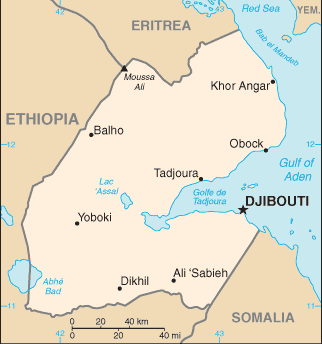
| Click map for larger view |
| Click flag for Country Report |




| ILLICIT DRUGS |
None reported.