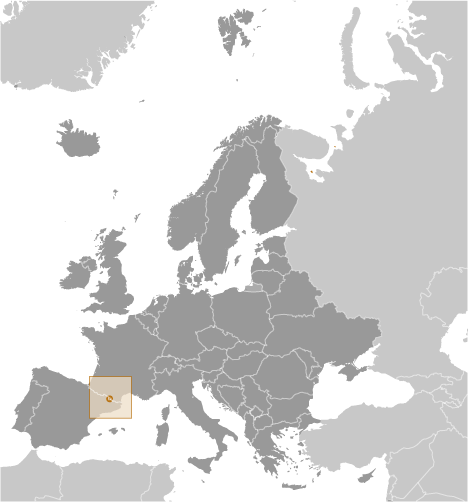
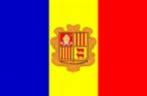
| ANDORRA Principality of Andorra Principat d'Andorra Joined United Nations: 28 July 1993 Human Rights as assured by their constitution Click here Updated 23 November 2012 |
| CAPITAL |
| POPULATION |
| CHIEF OF STATE |
| SELECTION PROCESS |
Andorra la Vella
85,082 (July 2012 est.)
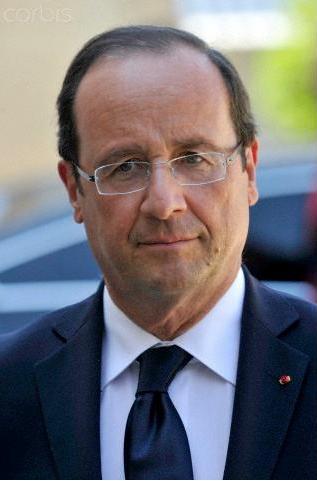
Francois Hollande
French co-prince since 15 May 2012
French co-prince since 15 May 2012
French president elected by popular vote for a five-year term;
representative appointed by the French president on the advice of
the French Ministry of Interior. Election last held 22 April and 6
May 2012;
Next scheduled election: Spring of 2017
Spanish co-prince selected by the Pope; representative selected
by the Spanish co-prince
representative appointed by the French president on the advice of
the French Ministry of Interior. Election last held 22 April and 6
May 2012;
Next scheduled election: Spring of 2017
Spanish co-prince selected by the Pope; representative selected
by the Spanish co-prince
HEAD OF GOVERNMENT
SELECTION PROCESS
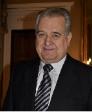
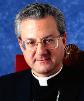
Bishop Joan Enric Vives i Sicilia
Spanish co-prince since 26 March 2004
Spanish co-prince since 26 March 2004
Executive Council president elected by the General Council and
formally appointed by the co-princes for a four-year term;
election last held 3 April 2011
Next to be held: April 2015
formally appointed by the co-princes for a four-year term;
election last held 3 April 2011
Next to be held: April 2015
| DECLARATION OF HUMAN RIGHTS |
| ETHNIC GROUPS |
Spanish 43%, Andorran 33%, Portuguese 11%, French 7%, other 6% (1998)
| RELIGIONS |
Roman Catholic (predominant)
| GOVERNMENT STRUCTURE |
Parliamentary Democracy (since March 1993) that retains as its chiefs of state a co-principality; the two princes are
the president of France and bishop of Seo de Urgel, Spain, who are represented locally by co-princes'
representatives; 7 parishes (parroquies, singular - parroquia); Legal system is based on French and Spanish civil
codes; no judicial review of legislative acts; has not accepted compulsory ICJ jurisdiction
Executive: French co-prince President of France elected through popular election by the citizens of France for five year
and Spanish co-prince selected by the Holy Roman Catholic Pope with no term limits. Executive Council president elected
by the General Council and formally appointed by the co-princes for a four-year term; election last held 3 April 2011 (next
to be held in April 2015)
Legislative: Unicameral General Council of the Valleys or Consell General de las Valls (minimum of 28 seats,
maximum of 42; members are elected by direct popular vote, 14 from a single national constituency and 14 to
represent each of the seven parishes; members serve four-year terms)
elections: last held 3 April 2011 (next to be held in April 2015)
Judicial: Tribunal of Judges or Tribunal de Batlles; Tribunal of the Courts or Tribunal de Corts; Supreme Court of
Justice of Andorra or Tribunal Superior de Justicia d'Andorra; Supreme Council of Justice or Consell Superior de la
Justicia; Fiscal Ministry or Ministeri Fiscal; Constitutional Tribunal or Tribunal Constitucional
the president of France and bishop of Seo de Urgel, Spain, who are represented locally by co-princes'
representatives; 7 parishes (parroquies, singular - parroquia); Legal system is based on French and Spanish civil
codes; no judicial review of legislative acts; has not accepted compulsory ICJ jurisdiction
Executive: French co-prince President of France elected through popular election by the citizens of France for five year
and Spanish co-prince selected by the Holy Roman Catholic Pope with no term limits. Executive Council president elected
by the General Council and formally appointed by the co-princes for a four-year term; election last held 3 April 2011 (next
to be held in April 2015)
Legislative: Unicameral General Council of the Valleys or Consell General de las Valls (minimum of 28 seats,
maximum of 42; members are elected by direct popular vote, 14 from a single national constituency and 14 to
represent each of the seven parishes; members serve four-year terms)
elections: last held 3 April 2011 (next to be held in April 2015)
Judicial: Tribunal of Judges or Tribunal de Batlles; Tribunal of the Courts or Tribunal de Corts; Supreme Court of
Justice of Andorra or Tribunal Superior de Justicia d'Andorra; Supreme Council of Justice or Consell Superior de la
Justicia; Fiscal Ministry or Ministeri Fiscal; Constitutional Tribunal or Tribunal Constitucional
| LANGUAGES |
Catalan (official), French, Castilian, Portuguese
| BRIEF HISTORY |
Andorra is the last independent survivor of the Marca Hispanica, the buffer states created by Charlemagne to keep the
Islamic Moors from advancing into Christian France. Tradition holds that Charlemagne granted a charter to the
Andorran people in return for their fighting the Moors. In the 800s, Charlemagne's grandson, Charles the Bald, named
the Count of Urgell as overlord of Andorra. A descendant of the count later gave the lands to the Diocese of Urgell,
headed by Bishop of Urgell. In the 11th century, fearing military action by neighboring lords, the bishop placed himself
under the protection of the Lord of Caboet, a Catalan nobleman. Later, the Count of Foix became heir to the Lord of
Caboet through marriage, and a dispute arose between the French Count and the Catalan bishop over Andorra. In
1278, the conflict was resolved by the signing of a pareage (pariatges), which provided that Andorra's sovereignty be
shared between the Count of Foix and the Bishop of La Seu d'Urgell (Catalonia, Spain). The pareage, a feudal
institution recognizing the principle of equality of rights shared by two rulers, gave the small state its territory and
political form. In return, Andorra pays an annual tribute or questia to the co-rulers consisting of four hams, forty loaves
of bread, and some wine. As of the year 2006, Andorra's borders have remained unchanged since 1278. Andorra was
briefly annexed to Aragon twice, in 1396 and 1512. Over the years the title passed to the kings of Navarre, and under
the king of France Henry IV, an edict in 1607 established the head of the French state and the Bishop of Urgell as co-
princes of Andorra. In the period 1812–13, the French Empire annexed Catalonia and divided it in four departments.
Andorra was also annexed and made part of the district of Puigcerdà (département of Sègre). In 1933 France
occupied Andorra as a result of social unrest before elections. On July 12, 1934, an adventurer named Boris
Skossyreff issued a proclamation in Urgel, declaring himself Boris I, sovereign prince of Andorra, simultaneously
declaring war on the bishop of Urgel. He was arrested by Spanish authorities on July 20 and ultimately expelled from
Spain. From 1936 to 1940, a French detachment was garrisoned in Andorra to prevent influences of the Spanish Civil
War and Franco's Spain. During the Second World War, Andorra remained neutral and was an important smuggling
route between Vichy France and Spain. In 1958 Andorra declared peace with Germany, having been forgotten on the
Treaty of Versailles that ended the First World War and, the conflict being extended by the lack of a peace treaty,
remaining legally at war. Given its relative isolation, Andorra has existed outside the mainstream of European history,
with few ties to countries other than France and Spain. In recent times, however, its thriving tourist industry along with
developments in transport and communications have removed the country from its isolation. The country has been
seeking ways to improve its export potential and increase its economic ties with its European neighbors. The financial
services sector of the economy is highly important, given Andorra’s status as a tax haven and its banking secrecy laws.
Sources: Wikipedia: History of Andorra
Islamic Moors from advancing into Christian France. Tradition holds that Charlemagne granted a charter to the
Andorran people in return for their fighting the Moors. In the 800s, Charlemagne's grandson, Charles the Bald, named
the Count of Urgell as overlord of Andorra. A descendant of the count later gave the lands to the Diocese of Urgell,
headed by Bishop of Urgell. In the 11th century, fearing military action by neighboring lords, the bishop placed himself
under the protection of the Lord of Caboet, a Catalan nobleman. Later, the Count of Foix became heir to the Lord of
Caboet through marriage, and a dispute arose between the French Count and the Catalan bishop over Andorra. In
1278, the conflict was resolved by the signing of a pareage (pariatges), which provided that Andorra's sovereignty be
shared between the Count of Foix and the Bishop of La Seu d'Urgell (Catalonia, Spain). The pareage, a feudal
institution recognizing the principle of equality of rights shared by two rulers, gave the small state its territory and
political form. In return, Andorra pays an annual tribute or questia to the co-rulers consisting of four hams, forty loaves
of bread, and some wine. As of the year 2006, Andorra's borders have remained unchanged since 1278. Andorra was
briefly annexed to Aragon twice, in 1396 and 1512. Over the years the title passed to the kings of Navarre, and under
the king of France Henry IV, an edict in 1607 established the head of the French state and the Bishop of Urgell as co-
princes of Andorra. In the period 1812–13, the French Empire annexed Catalonia and divided it in four departments.
Andorra was also annexed and made part of the district of Puigcerdà (département of Sègre). In 1933 France
occupied Andorra as a result of social unrest before elections. On July 12, 1934, an adventurer named Boris
Skossyreff issued a proclamation in Urgel, declaring himself Boris I, sovereign prince of Andorra, simultaneously
declaring war on the bishop of Urgel. He was arrested by Spanish authorities on July 20 and ultimately expelled from
Spain. From 1936 to 1940, a French detachment was garrisoned in Andorra to prevent influences of the Spanish Civil
War and Franco's Spain. During the Second World War, Andorra remained neutral and was an important smuggling
route between Vichy France and Spain. In 1958 Andorra declared peace with Germany, having been forgotten on the
Treaty of Versailles that ended the First World War and, the conflict being extended by the lack of a peace treaty,
remaining legally at war. Given its relative isolation, Andorra has existed outside the mainstream of European history,
with few ties to countries other than France and Spain. In recent times, however, its thriving tourist industry along with
developments in transport and communications have removed the country from its isolation. The country has been
seeking ways to improve its export potential and increase its economic ties with its European neighbors. The financial
services sector of the economy is highly important, given Andorra’s status as a tax haven and its banking secrecy laws.
Sources: Wikipedia: History of Andorra
| ECONOMIC OVERVIEW |
Tourism, retail sales, and finance are the mainstays of Andorra's tiny, well-to-do economy, accounting for more than
three-quarters of GDP. About 9 million tourists visit annually, attracted by Andorra's duty-free status for some
products and by its summer and winter resorts. The banking sector also contributes substantially to the economy.
Andorra's comparative advantage as a tax haven eroded when the borders of neighboring France and Spain opened;
its bank secrecy laws have been relaxed under pressure from the EU and OECD. Agricultural production is limited -
only 2% of the land is arable - and most food has to be imported, making the economy vulnerable to changes in fuel
and food prices. The principal livestock activity is sheep raising. Manufacturing output and exports consist mainly of
perfumes and cosmetic products, products of the printing industry, electrical machinery and equipment, clothing,
tobacco products, and furniture. Andorra is a member of the EU Customs Union and is treated as an EU member for
trade in manufactured goods (no tariffs) and as a non-EU member for agricultural products. Andorra uses the euro and
is effectively subject to the monetary policy of the European Central Bank. Slower growth in Spain and France has
dimmed Andorra's prospects. In 2010 and 2011 a drop in tourism contributed to a contraction in GDP and a
deterioration of public finances, prompting the government to implement several austerity measures.
Source: CIA World Factbook (Select Andorra)
three-quarters of GDP. About 9 million tourists visit annually, attracted by Andorra's duty-free status for some
products and by its summer and winter resorts. The banking sector also contributes substantially to the economy.
Andorra's comparative advantage as a tax haven eroded when the borders of neighboring France and Spain opened;
its bank secrecy laws have been relaxed under pressure from the EU and OECD. Agricultural production is limited -
only 2% of the land is arable - and most food has to be imported, making the economy vulnerable to changes in fuel
and food prices. The principal livestock activity is sheep raising. Manufacturing output and exports consist mainly of
perfumes and cosmetic products, products of the printing industry, electrical machinery and equipment, clothing,
tobacco products, and furniture. Andorra is a member of the EU Customs Union and is treated as an EU member for
trade in manufactured goods (no tariffs) and as a non-EU member for agricultural products. Andorra uses the euro and
is effectively subject to the monetary policy of the European Central Bank. Slower growth in Spain and France has
dimmed Andorra's prospects. In 2010 and 2011 a drop in tourism contributed to a contraction in GDP and a
deterioration of public finances, prompting the government to implement several austerity measures.
Source: CIA World Factbook (Select Andorra)
| POLITICAL CLIMATE |
Andorra's young democracy is in the process of redefining its political party system. Three out of the five parties that
dominated the political scene in past years have dissolved. The Liberal Union or UL, (current head of government
Forn's party) is trying to reshape itself and change its name to that of the Liberal Party of Andorra (PLA), thus offering
a political umbrella to small parties and groups that have not yet found their place. Another party by the name of the
Social Democratic Party has been formed and is designed to attract parties previously aligned with socialist ideals.
Given the number of parties and Andorra's relative size, no one party controls the General Council; therefore, legislative
majorities arise through coalitions. Since the 1993 constitutional ratification, three coalition governments have formed.
The current government unites the UL, the CNA (National Andorran Coalition), and another relatively small party with
Marc Forné Molné, a Liberal Unionist, as Cap de Govern, or head of government.
The government has continued to address many long-awaited reforms. In addition to legalizing political parties and
trade unions for the first time, freedom of religion and assembly also have been legally guaranteed. Most significant has
been a redefinition of the qualifications for Andorran citizenship, a major issue in a country where only 13,000 of
65,000 are legal citizens. In 1995, a law to broaden citizenship was passed but citizenship remains hard to acquire, with
only Andorran nationals being able to transmit citizenship automatically to their children. Lawful residents in Andorra
who are nationals of France, Spain or Portugal may obtain citizenship after 10 years of residency; for other nationals,
citizenship may be obtained after 20 years of residency. Children of residents may opt for Andorran citizenship after
age 18 if they resided virtually all of their lives in Andorra. Mere birth on Andorran soil does not confer citizenship.
Dual nationality is not permitted. Noncitizens are allowed to own only a 33% share of a company. Only after they have
resided in the country for 20 years, will they be entitled to own a 100% of a company. A proposed law to reduce the
necessary years from 20 to 10 is being debated in Parliament.
By creating a modern legal framework for the country, the 1993 constitution has allowed Andorra to begin a shift from
an economy based largely on duty-free shopping to one based on international banking and finance. Despite promising
new changes, it is likely that Andorra will, at least for the short term, continue to confront a number of difficult issues
arising from the large influx of foreign residents and the need to develop modern social and political institutions. In
addition to questions of Andorran nationality and immigration policy, other priority issues will include allowing freedom
of association, dealing with housing scarcities and speculation in real state, developing the tourist industry and
renegotiating the relationship with the European Union.
A secessionist movement exists, based at Pas de la Casa. This has only limited support. The Front Envaliran de
Libération proposes a state in association with France.
Sources: Wikipedia: Politics of Andorra
dominated the political scene in past years have dissolved. The Liberal Union or UL, (current head of government
Forn's party) is trying to reshape itself and change its name to that of the Liberal Party of Andorra (PLA), thus offering
a political umbrella to small parties and groups that have not yet found their place. Another party by the name of the
Social Democratic Party has been formed and is designed to attract parties previously aligned with socialist ideals.
Given the number of parties and Andorra's relative size, no one party controls the General Council; therefore, legislative
majorities arise through coalitions. Since the 1993 constitutional ratification, three coalition governments have formed.
The current government unites the UL, the CNA (National Andorran Coalition), and another relatively small party with
Marc Forné Molné, a Liberal Unionist, as Cap de Govern, or head of government.
The government has continued to address many long-awaited reforms. In addition to legalizing political parties and
trade unions for the first time, freedom of religion and assembly also have been legally guaranteed. Most significant has
been a redefinition of the qualifications for Andorran citizenship, a major issue in a country where only 13,000 of
65,000 are legal citizens. In 1995, a law to broaden citizenship was passed but citizenship remains hard to acquire, with
only Andorran nationals being able to transmit citizenship automatically to their children. Lawful residents in Andorra
who are nationals of France, Spain or Portugal may obtain citizenship after 10 years of residency; for other nationals,
citizenship may be obtained after 20 years of residency. Children of residents may opt for Andorran citizenship after
age 18 if they resided virtually all of their lives in Andorra. Mere birth on Andorran soil does not confer citizenship.
Dual nationality is not permitted. Noncitizens are allowed to own only a 33% share of a company. Only after they have
resided in the country for 20 years, will they be entitled to own a 100% of a company. A proposed law to reduce the
necessary years from 20 to 10 is being debated in Parliament.
By creating a modern legal framework for the country, the 1993 constitution has allowed Andorra to begin a shift from
an economy based largely on duty-free shopping to one based on international banking and finance. Despite promising
new changes, it is likely that Andorra will, at least for the short term, continue to confront a number of difficult issues
arising from the large influx of foreign residents and the need to develop modern social and political institutions. In
addition to questions of Andorran nationality and immigration policy, other priority issues will include allowing freedom
of association, dealing with housing scarcities and speculation in real state, developing the tourist industry and
renegotiating the relationship with the European Union.
A secessionist movement exists, based at Pas de la Casa. This has only limited support. The Front Envaliran de
Libération proposes a state in association with France.
Sources: Wikipedia: Politics of Andorra
| INTERNATIONAL DISPUTES |
None reported.


| REFUGEES AND INTERNALLY DISPLACED PERSONS (IDP) |
None reported.
| ILLICIT DRUGS |
None reported.
| HUMAN RIGHTS STATEMENTS, ANALYSIS AND CRITIQUES |
2011 Human Rights Report: Andorra
Bureau of Democracy, Human Rights, and Labor
2011 Country Reports on Human Rights Practices
May 25, 2012
The Principality of Andorra is a constitutional parliamentary democracy. Two co-princes--the president of France and the Spanish
bishop of La Seu d’Urgell--serve with joint authority as heads of state, and a delegate represents each in the country. On April 3,
the country held free and fair multiparty elections for the 28 seats in the General Council of the Valleys (the parliament), which
selects the head of government. Having won a majority in the parliament, the Democrats for Andorra (DA) elected Antoni Marti
Petit as head of government. The national police, the country’s sole security force, reported to civilian authorities.
The most significant human rights problem in Andorra is the failure of the law to protect effectively the right of workers to bargain
collectively or to strike. Pretrial detention of up to a year reportedly existed for foreigners charged with crimes involving two or
more countries.
There were no reports that government officials or the national police committed abuses or acted with impunity.
Click here to read more »
Bureau of Democracy, Human Rights, and Labor
2011 Country Reports on Human Rights Practices
May 25, 2012
The Principality of Andorra is a constitutional parliamentary democracy. Two co-princes--the president of France and the Spanish
bishop of La Seu d’Urgell--serve with joint authority as heads of state, and a delegate represents each in the country. On April 3,
the country held free and fair multiparty elections for the 28 seats in the General Council of the Valleys (the parliament), which
selects the head of government. Having won a majority in the parliament, the Democrats for Andorra (DA) elected Antoni Marti
Petit as head of government. The national police, the country’s sole security force, reported to civilian authorities.
The most significant human rights problem in Andorra is the failure of the law to protect effectively the right of workers to bargain
collectively or to strike. Pretrial detention of up to a year reportedly existed for foreigners charged with crimes involving two or
more countries.
There were no reports that government officials or the national police committed abuses or acted with impunity.
Click here to read more »
9 October 2012
Committee on the Rights of the Child
Sixty - first session
17 September – 5 October 2012
Consideration of reports submitted by States parties under article 44 of the Convention
Concluding observations: Andorra
I. Introduction
2. The Committee welcomes the submission of the second periodic report of the State party (CRC/C/AND/2) and the written
replies to its list of issues (CRC/C/AND/Q/2), which allowed for a better understanding of the situation in the State party. The
Committee expresses appreciation for the constructive dialogue held with the delegation of the State party.
3. The Committee reminds the State party that the present concluding observations should be read in conjunction with its
concluding observations adopted on the State party’s initial report under the Optional Protocol on the involvement of children in
armed conflict (CRC/C/OPAC/AND/CO/1, 2006) and under the Optional Protocol on sale of children, child prostitution and child
pornography (CRC/C/OPSC/AND/CO/1, 2006).
II. Follow-up measures undertaken and progress achieved by the State party
4. The Committee welcomes as positive the adoption of the following legislative and institutional measures:
(a) The amendment of the Law on the establishment and operation of Ciutadà Raonador (Law 79/2010) on 25 October 2010;
(b) The establishment of the National Commission for Equality (NCIP) in 2010;
(c) Qualified Act 9/2005 of 21 February 2005 on the Criminal Code;
(d) Qualified Act 10/2005 of 21 February 2005 amending the Code of Criminal Procedure;
(e) Act 14/2004 of 3 November 2004 amending the Qualified Act on Marriage; and
(f) Act of 17 October 2002 Guaranteeing the Rights of Persons with Disabilities.
III. Main areas of concerns and recommendation
A. General measures of implementation (arts. 4, 42 and 44, para. 6 of the Convention)
The Committee’s previous recommendations
7. The Committee, while welcoming the State party’s efforts to implement the Committee’s concluding observations of 2002 on
the State party’s initial report (CRC/C/61/Add.3), notes with regret that some of the recommendations contained therein have not
been fully addressed.
8. The Committee urges the State party to take all necessary measures to address those recommendations from the concluding
observations of the initial report under the Convention that have not been implemented or sufficiently implemented, particularly
those related to national plan of action, coordination, data collection, definition of the child and violence against children, including
corporal punishment.
Click here to read more »
Committee on the Rights of the Child
Sixty - first session
17 September – 5 October 2012
Consideration of reports submitted by States parties under article 44 of the Convention
Concluding observations: Andorra
I. Introduction
2. The Committee welcomes the submission of the second periodic report of the State party (CRC/C/AND/2) and the written
replies to its list of issues (CRC/C/AND/Q/2), which allowed for a better understanding of the situation in the State party. The
Committee expresses appreciation for the constructive dialogue held with the delegation of the State party.
3. The Committee reminds the State party that the present concluding observations should be read in conjunction with its
concluding observations adopted on the State party’s initial report under the Optional Protocol on the involvement of children in
armed conflict (CRC/C/OPAC/AND/CO/1, 2006) and under the Optional Protocol on sale of children, child prostitution and child
pornography (CRC/C/OPSC/AND/CO/1, 2006).
II. Follow-up measures undertaken and progress achieved by the State party
4. The Committee welcomes as positive the adoption of the following legislative and institutional measures:
(a) The amendment of the Law on the establishment and operation of Ciutadà Raonador (Law 79/2010) on 25 October 2010;
(b) The establishment of the National Commission for Equality (NCIP) in 2010;
(c) Qualified Act 9/2005 of 21 February 2005 on the Criminal Code;
(d) Qualified Act 10/2005 of 21 February 2005 amending the Code of Criminal Procedure;
(e) Act 14/2004 of 3 November 2004 amending the Qualified Act on Marriage; and
(f) Act of 17 October 2002 Guaranteeing the Rights of Persons with Disabilities.
III. Main areas of concerns and recommendation
A. General measures of implementation (arts. 4, 42 and 44, para. 6 of the Convention)
The Committee’s previous recommendations
7. The Committee, while welcoming the State party’s efforts to implement the Committee’s concluding observations of 2002 on
the State party’s initial report (CRC/C/61/Add.3), notes with regret that some of the recommendations contained therein have not
been fully addressed.
8. The Committee urges the State party to take all necessary measures to address those recommendations from the concluding
observations of the initial report under the Convention that have not been implemented or sufficiently implemented, particularly
those related to national plan of action, coordination, data collection, definition of the child and violence against children, including
corporal punishment.
Click here to read more »
Freedom In The World 2012 Report
Political Rights Score: 1
Civil Liberties Score: 1
Status: Free
Overview
Parliamentary elections were held in April 2011 after former leader Jaume Bartumeu called for early elections to end two years of
government deadlock. The Democrats for Andorra captured 20 out of 28 parliamentary seats and chose Antoni Martí as the new
head of government. Also during the year, Andorra adopted the euro as its official currency.
The April 2009 national elections brought the Social Democratic Party to power with 14 of the 28 seats in the Consell General, or
parliament. Jaume Bartumeu replaced Albert Pintat Santolària as the cap de govern (head of government) in June.
After two years of government deadlock, including failing to pass a national budget, Bartumeu on February 15, 2011, requested that
Andorra’s two co-princes dissolve parliament and hold early elections. In the April 3 polls, the Democrats for Andorra won a
decisive victory, securing 20 parliamentary seats. Antoni Martí became the new head of government.
An EU monetary agreement was signed in June that will make the euro the official, rather than merely the accepted, currency in
Andorra.
In October, Martí announced that a value-added tax would go into effect as early as 2012, opening Andorra to foreign investors. He
also announced a plan to legalize gambling at the start of 2013. The new tax laws were proposed to further Andorra’s financial
compliance with European and Organization for Economic Cooperation and Development standards.
Andorra is an electoral democracy. Popular elections are held every four years to the 28-member Consell General, which selects the
executive council president, or head of government. Half of the members are chosen in two-seat constituencies known as parishes,
and the other half are chosen through a national system of proportional representation.
The people have the right to establish and join different political parties. However, more than 60 percent of the population consists
of noncitizens who do not have the right to vote.
In June 2011, the Council of Europe’s Group of States against Corruption (GRECO) released a report finding some “shortcomings”
in Andorra’s bribery laws, and calling for tougher penalties for bribery and influence peddling. GRECO also highlighted the fact that
there are still no adequate campaign finance transparency laws.
Click here to read more »
Political Rights Score: 1
Civil Liberties Score: 1
Status: Free
Overview
Parliamentary elections were held in April 2011 after former leader Jaume Bartumeu called for early elections to end two years of
government deadlock. The Democrats for Andorra captured 20 out of 28 parliamentary seats and chose Antoni Martí as the new
head of government. Also during the year, Andorra adopted the euro as its official currency.
The April 2009 national elections brought the Social Democratic Party to power with 14 of the 28 seats in the Consell General, or
parliament. Jaume Bartumeu replaced Albert Pintat Santolària as the cap de govern (head of government) in June.
After two years of government deadlock, including failing to pass a national budget, Bartumeu on February 15, 2011, requested that
Andorra’s two co-princes dissolve parliament and hold early elections. In the April 3 polls, the Democrats for Andorra won a
decisive victory, securing 20 parliamentary seats. Antoni Martí became the new head of government.
An EU monetary agreement was signed in June that will make the euro the official, rather than merely the accepted, currency in
Andorra.
In October, Martí announced that a value-added tax would go into effect as early as 2012, opening Andorra to foreign investors. He
also announced a plan to legalize gambling at the start of 2013. The new tax laws were proposed to further Andorra’s financial
compliance with European and Organization for Economic Cooperation and Development standards.
Andorra is an electoral democracy. Popular elections are held every four years to the 28-member Consell General, which selects the
executive council president, or head of government. Half of the members are chosen in two-seat constituencies known as parishes,
and the other half are chosen through a national system of proportional representation.
The people have the right to establish and join different political parties. However, more than 60 percent of the population consists
of noncitizens who do not have the right to vote.
In June 2011, the Council of Europe’s Group of States against Corruption (GRECO) released a report finding some “shortcomings”
in Andorra’s bribery laws, and calling for tougher penalties for bribery and influence peddling. GRECO also highlighted the fact that
there are still no adequate campaign finance transparency laws.
Click here to read more »
Suggested recommendations to States considered in the ninth round of the Universal Periodic Review, November 2010
1 September 2010
Recommendations to the government of Andorra
Ratification of international human rights standards
· To ratify outstanding core international human rights treaties, in particular:
- The International Covenant on Economic, Social and Cultural Rights and its Optional Protocol;
- To ratify the Optional Protocol to the Convention against Torture and Other Cruel, Inhuman or Degrading Treatment or
Punishment;
- The International Convention for the Protection of All Persons from Enforced Disappearance, making the declarations set out in
Articles 31 and 32 and to implement it in national law, in accordance with conventional and customary international law;
- The Convention on the non-applicability of statutory limitations to war crimes and crimes against humanity, without making
prohibited reservations and to implement it in national law in accordance with conventional and customary international law.
Click here to read more »
1 September 2010
Recommendations to the government of Andorra
Ratification of international human rights standards
· To ratify outstanding core international human rights treaties, in particular:
- The International Covenant on Economic, Social and Cultural Rights and its Optional Protocol;
- To ratify the Optional Protocol to the Convention against Torture and Other Cruel, Inhuman or Degrading Treatment or
Punishment;
- The International Convention for the Protection of All Persons from Enforced Disappearance, making the declarations set out in
Articles 31 and 32 and to implement it in national law, in accordance with conventional and customary international law;
- The Convention on the non-applicability of statutory limitations to war crimes and crimes against humanity, without making
prohibited reservations and to implement it in national law in accordance with conventional and customary international law.
Click here to read more »
Strengthening the Humanitarian Protections of Protocol III on Incendiary Weapons
Memorandum to Convention on Conventional Weapons (CCW) Delegates
August 22, 2011
I. Introduction
Protocol III to the Convention on Conventional Weapons (CCW) has failed adequately to address the serious and ongoing harm of
incendiary weapons.[1]Although 109 states have joined theProtocol on Prohibitions or Restrictions on the Use of Incendiary
Weapons, incendiary weapons have continued to be used at great human cost in conflicts from Africa to Asia, Latin America, and
the Middle East. Incendiary weapons cause particularly cruel injuries to human beings—civilians and combatants alike.
Furthermore, incendiary weapons are prone to being indiscriminate, starting fires and causing casualties over a large area without
distinguishing between soldiers and civilians.[2]
Human Rights Watch and the Harvard Law School International Human Rights Clinic call upon states parties to Protocol III to
revisit the text of the protocol and to amend its 30-year-old provisions to address more comprehensively the problems of incendiary
weapons. At the CCW Review Conference in November 2011, states parties should agree upon a mandate to review and amend
Protocol III, with a view to adopting amendments by the end of 2012.
Precedent
Prohibitions on particular classes of weapons have a long history.[36]Weapon bans have been motivated by a range of concerns
including infliction of superfluous injury or unnecessary suffering on combatants and indiscriminate effects on civilians. As early as
1869, the St. Petersburg Declaration categorically prohibited explosive projectiles weighing less than 400 grammes.[37]Since then,
treaties have outlawed poison gas,[38]chemical[39]and biological[40]weapons, antipersonnel landmines,[41]and cluster munitions.
[42]Existing CCW protocols already prohibit all use of blinding laser weapons[43]and weapons that injure people with undetectable
fragments.[44]
There has been support for a blanket ban on incendiary weapons in particular for decades. During the League of Nations
Conference for the Reduction and Limitation of Armaments (Geneva 1932–1934), the Special Committee on chemical,
bacteriological and other weapons proposed prohibiting incendiary bombs.[45]At the CCW preparatory conference in 1979,
Austria, Egypt, Ghana, Jamaica, Mexico, Romania, Sudan, Sweden, Switzerland, Togo, Venezuela, Yugoslavia, and Zaire put
forward a proposal prohibiting all use of incendiary weapons.[46]During the CCW diplomatic conference in 1979in 1980 in 19, a
delegate from Mexico expressed the view that a majority of states supported a total ban.[47]
More recently, in its 1991 international humanitarian law manual, Sweden said, “There is a need to supplement the present Protocol
III so that the agreement constitutes a complete prohibition of incendiary weapons. In this way, protection of civilians could be
further enhanced, and this should be extended to cover combatants.”[48]In addition, at least three states, Andorra, Hungary and the
Former Republic of Yugoslavia, have banned use of incendiary weapons in national laws, and at least one, Colombia, has prohibited
it in a military manual.
Click here to read more »
Memorandum to Convention on Conventional Weapons (CCW) Delegates
August 22, 2011
I. Introduction
Protocol III to the Convention on Conventional Weapons (CCW) has failed adequately to address the serious and ongoing harm of
incendiary weapons.[1]Although 109 states have joined theProtocol on Prohibitions or Restrictions on the Use of Incendiary
Weapons, incendiary weapons have continued to be used at great human cost in conflicts from Africa to Asia, Latin America, and
the Middle East. Incendiary weapons cause particularly cruel injuries to human beings—civilians and combatants alike.
Furthermore, incendiary weapons are prone to being indiscriminate, starting fires and causing casualties over a large area without
distinguishing between soldiers and civilians.[2]
Human Rights Watch and the Harvard Law School International Human Rights Clinic call upon states parties to Protocol III to
revisit the text of the protocol and to amend its 30-year-old provisions to address more comprehensively the problems of incendiary
weapons. At the CCW Review Conference in November 2011, states parties should agree upon a mandate to review and amend
Protocol III, with a view to adopting amendments by the end of 2012.
Precedent
Prohibitions on particular classes of weapons have a long history.[36]Weapon bans have been motivated by a range of concerns
including infliction of superfluous injury or unnecessary suffering on combatants and indiscriminate effects on civilians. As early as
1869, the St. Petersburg Declaration categorically prohibited explosive projectiles weighing less than 400 grammes.[37]Since then,
treaties have outlawed poison gas,[38]chemical[39]and biological[40]weapons, antipersonnel landmines,[41]and cluster munitions.
[42]Existing CCW protocols already prohibit all use of blinding laser weapons[43]and weapons that injure people with undetectable
fragments.[44]
There has been support for a blanket ban on incendiary weapons in particular for decades. During the League of Nations
Conference for the Reduction and Limitation of Armaments (Geneva 1932–1934), the Special Committee on chemical,
bacteriological and other weapons proposed prohibiting incendiary bombs.[45]At the CCW preparatory conference in 1979,
Austria, Egypt, Ghana, Jamaica, Mexico, Romania, Sudan, Sweden, Switzerland, Togo, Venezuela, Yugoslavia, and Zaire put
forward a proposal prohibiting all use of incendiary weapons.[46]During the CCW diplomatic conference in 1979in 1980 in 19, a
delegate from Mexico expressed the view that a majority of states supported a total ban.[47]
More recently, in its 1991 international humanitarian law manual, Sweden said, “There is a need to supplement the present Protocol
III so that the agreement constitutes a complete prohibition of incendiary weapons. In this way, protection of civilians could be
further enhanced, and this should be extended to cover combatants.”[48]In addition, at least three states, Andorra, Hungary and the
Former Republic of Yugoslavia, have banned use of incendiary weapons in national laws, and at least one, Colombia, has prohibited
it in a military manual.
Click here to read more »
TRANSLATED FROM CATALAN BY GOOGLE TRANSLATE
Saturday, September 29, 2012 09:42
Speech by Minister for Foreign Affairs to the 67th session of the General Assembly of the United Nations
Ladies and Gentlemen,
First of all, let me address a cordial greeting to the President of the 67th General Assembly of the United Nations, Mr.. Jeremicz,
who wish the greatest success at this stage.
Finished my speech, just a year ago, reaffirming the notion of commitment as a core value and axle Action: Commitment
understood as a profound belief in the values of democracy, respect for human rights and the rule of law. Commitment understood
also as taking personal responsibility and involvement in a project. Commitment understood, ultimately, as a desire for dialogue and
capacity for understanding.
It is in pursuit of this commitment, this balance: the right balance, as we call it, that lies all the difficulty of governing. It is our
home, each of our states, and it is also common in our house this is the United Nations.
We echoed, 1 year sentence in a French former president, in the same assembly, which stated: "choose the path of compromise is
not a waiver nor deny ourselves, but to advance step by step, stage stage. "
Indeed, in the way of compromise, the path of equilibrium, we can not even give up the defense of human rights, the rule of law,
democratic values and the essential freedom of expression. While we can not and must not deny respect for others. But the right
balance, to be fair, it may mean balancing. To be fair, a balance needs strong approaches: there can be no excuse for violence or
intolerance. President Obama is right when mentioned in this House that the recent attacks against diplomatic missions were not
just an attack against the United States, but also an attack on the foundations of the United Nations itself. There can be no excuse
for such acts. Nor can there be impunity. "We are all Chris Stevens. But what defines you is not how we fall but how we rise
again. We will all stand by Chris Stevens in Their deafend rise to the ideals of the United Nations. "
Allow me to echo today in the words of the new President of the French Republic, François Hollande, Co-Prince of Andorra, in the
same meeting said: "The mission of the United Nations to allow us to work out right answers and strong. "
For over 65 years, the United Nations has become a landmark of peace, justice and human rights. It is true that over the past year
has seen remarkable progress. But it is equally true, however, that the countries represented here we can not afford to fall into
complacency. The demand answers, just and strong there.
Click here to read more »
Saturday, September 29, 2012 09:42
Speech by Minister for Foreign Affairs to the 67th session of the General Assembly of the United Nations
Ladies and Gentlemen,
First of all, let me address a cordial greeting to the President of the 67th General Assembly of the United Nations, Mr.. Jeremicz,
who wish the greatest success at this stage.
Finished my speech, just a year ago, reaffirming the notion of commitment as a core value and axle Action: Commitment
understood as a profound belief in the values of democracy, respect for human rights and the rule of law. Commitment understood
also as taking personal responsibility and involvement in a project. Commitment understood, ultimately, as a desire for dialogue and
capacity for understanding.
It is in pursuit of this commitment, this balance: the right balance, as we call it, that lies all the difficulty of governing. It is our
home, each of our states, and it is also common in our house this is the United Nations.
We echoed, 1 year sentence in a French former president, in the same assembly, which stated: "choose the path of compromise is
not a waiver nor deny ourselves, but to advance step by step, stage stage. "
Indeed, in the way of compromise, the path of equilibrium, we can not even give up the defense of human rights, the rule of law,
democratic values and the essential freedom of expression. While we can not and must not deny respect for others. But the right
balance, to be fair, it may mean balancing. To be fair, a balance needs strong approaches: there can be no excuse for violence or
intolerance. President Obama is right when mentioned in this House that the recent attacks against diplomatic missions were not
just an attack against the United States, but also an attack on the foundations of the United Nations itself. There can be no excuse
for such acts. Nor can there be impunity. "We are all Chris Stevens. But what defines you is not how we fall but how we rise
again. We will all stand by Chris Stevens in Their deafend rise to the ideals of the United Nations. "
Allow me to echo today in the words of the new President of the French Republic, François Hollande, Co-Prince of Andorra, in the
same meeting said: "The mission of the United Nations to allow us to work out right answers and strong. "
For over 65 years, the United Nations has become a landmark of peace, justice and human rights. It is true that over the past year
has seen remarkable progress. But it is equally true, however, that the countries represented here we can not afford to fall into
complacency. The demand answers, just and strong there.
Click here to read more »
TRANSLATED FROM CATALAN BY GOOGLE TRANSLATE
The Ombudsman will spend 23,000 euros on travel
Sunday, 11 November 2012 02:00
The institution intends to meet its commitments to European counterparts
El Periodico/ANDORRA LA VELLA
The institution of the Ombudsman provides 23,000 euros in budget travel in 2013. 2.3.1 The budget allocated to transport and
movement of personnel, representing 9.3% of the budget amounting to 246,000 euros, covering different institutional
commitments. Among these commitments include investments in meetings of organizations of which the ombudsman institution of
Ombudsman and found part of a technical or training on specific topics. The Ombudsman emanating from the General Council that
gives budget. However, the game to cover the travel expenses of the members of the institution of the Ombudsman are to
participate in meetings and / or conferences of international lessens the past three years. The budget of the Ombudsman meets the
criteria the government uses timing their own accounts and moved to the General Council as a guide to develop their institutions
and financially dependent, that is, apart from of the Ombudsman, the National Audit Office and the Data Protection Agency. In
2009, under the chairmanship of Peter Canturri the institution budgeted 28,000 euros, of which was spent almost entirely: 27,985.
The next two years, 2010 and 2011, he worked with dozens parts because there was no budget passed by the General Council. In
the only published account of such liquidation two years, in 2010, recorded that they spent a little more than half: 15,537 euros,
while the rest remained as surplus cash.
The numbers of the year in 2012, and with estimates of parliamentary majority and orange Jose Rodriguez as Ombudsman, were
budgeted at 25,500 euros. The Ombudsman is part of several international institutions of Ombudsman, as stated in the reports
issued each year, organized various meetings and conferences: International Ombudsman Institute (IOI), Institute of the
Ombudsman for the Region European (EOI) Ombudsman Association of the Mediterranean basin (AOM) Ombudsman Association
of Mediators of the Francophonie (AOMF) and the Iberoamerican Federation of Ombudsman (FIO). The annual report of 2011 is
not explicit about the outputs produced by the institution. Thus, for example, says that: "In recent months we have participated in
meetings and conferences such as the Seventh Congress of the AOMF (Association of Ombudsmen and Mediators of La
Francophonie), in which we have been appointed as members in the Board of Directors. " It also says that "we have maintained
relations with other international organizations" citing them all, but without specifying how these meetings have led to what has not
materialized. The institution of Ombudsman has four people: the reasoner, general secretary and two administratives.H
Click here to read more »
The Ombudsman will spend 23,000 euros on travel
Sunday, 11 November 2012 02:00
The institution intends to meet its commitments to European counterparts
El Periodico/ANDORRA LA VELLA
The institution of the Ombudsman provides 23,000 euros in budget travel in 2013. 2.3.1 The budget allocated to transport and
movement of personnel, representing 9.3% of the budget amounting to 246,000 euros, covering different institutional
commitments. Among these commitments include investments in meetings of organizations of which the ombudsman institution of
Ombudsman and found part of a technical or training on specific topics. The Ombudsman emanating from the General Council that
gives budget. However, the game to cover the travel expenses of the members of the institution of the Ombudsman are to
participate in meetings and / or conferences of international lessens the past three years. The budget of the Ombudsman meets the
criteria the government uses timing their own accounts and moved to the General Council as a guide to develop their institutions
and financially dependent, that is, apart from of the Ombudsman, the National Audit Office and the Data Protection Agency. In
2009, under the chairmanship of Peter Canturri the institution budgeted 28,000 euros, of which was spent almost entirely: 27,985.
The next two years, 2010 and 2011, he worked with dozens parts because there was no budget passed by the General Council. In
the only published account of such liquidation two years, in 2010, recorded that they spent a little more than half: 15,537 euros,
while the rest remained as surplus cash.
The numbers of the year in 2012, and with estimates of parliamentary majority and orange Jose Rodriguez as Ombudsman, were
budgeted at 25,500 euros. The Ombudsman is part of several international institutions of Ombudsman, as stated in the reports
issued each year, organized various meetings and conferences: International Ombudsman Institute (IOI), Institute of the
Ombudsman for the Region European (EOI) Ombudsman Association of the Mediterranean basin (AOM) Ombudsman Association
of Mediators of the Francophonie (AOMF) and the Iberoamerican Federation of Ombudsman (FIO). The annual report of 2011 is
not explicit about the outputs produced by the institution. Thus, for example, says that: "In recent months we have participated in
meetings and conferences such as the Seventh Congress of the AOMF (Association of Ombudsmen and Mediators of La
Francophonie), in which we have been appointed as members in the Board of Directors. " It also says that "we have maintained
relations with other international organizations" citing them all, but without specifying how these meetings have led to what has not
materialized. The institution of Ombudsman has four people: the reasoner, general secretary and two administratives.H
Click here to read more »
TRANSLATED FROM CATALAN BY GOOGLE TRANSLATE
The Human Rights Institute evaluates the quality of democracy
Elisa Muxella hopes of getting answers of about 30,000 people
Gabriel Perez - Andorra la Vella - 20/12/2011
Get answers to 40% in population near 30,000 people. This is the goal set of the Human Rights Institute of the survey on the
quality of democracy that has been posted on its website (www.idhand.org).
The bank will keep the poll open for the next two months, and then send the results to the University of Essex, as well as make
them public because "we can talk about the issues and to inform the people."
The survey is comprehensive and addresses issues such as the relationship of elected officials to citizens, access to citizenship and
voting and the financing of political parties, among others. The president of the Institute Muxella Elisa, was convinced that "there
are many areas in which surely will draw a good note," but at the same time warned that other "not so good, or maybe bad" and
those on which they are reflected in touch accordingly.
The head of the organization admitted the validity of the survey will depend largely on participation. And in this sense he wanted to
be optimistic and hope to achieve a good number of responses, but if the contrary "might also be a reading would be that people
spend a lot about this and it is interesting to know ".
Muxella wanted to make a call for participation, because "if you want to change things you have to say and make your voice
heard." He also admitted that there are politicians who do not look favorably on the idea, but defended it by pointing out that "if they
had stones in the shoe, it will never advance."
Click here to read more »
The Human Rights Institute evaluates the quality of democracy
Elisa Muxella hopes of getting answers of about 30,000 people
Gabriel Perez - Andorra la Vella - 20/12/2011
Get answers to 40% in population near 30,000 people. This is the goal set of the Human Rights Institute of the survey on the
quality of democracy that has been posted on its website (www.idhand.org).
The bank will keep the poll open for the next two months, and then send the results to the University of Essex, as well as make
them public because "we can talk about the issues and to inform the people."
The survey is comprehensive and addresses issues such as the relationship of elected officials to citizens, access to citizenship and
voting and the financing of political parties, among others. The president of the Institute Muxella Elisa, was convinced that "there
are many areas in which surely will draw a good note," but at the same time warned that other "not so good, or maybe bad" and
those on which they are reflected in touch accordingly.
The head of the organization admitted the validity of the survey will depend largely on participation. And in this sense he wanted to
be optimistic and hope to achieve a good number of responses, but if the contrary "might also be a reading would be that people
spend a lot about this and it is interesting to know ".
Muxella wanted to make a call for participation, because "if you want to change things you have to say and make your voice
heard." He also admitted that there are politicians who do not look favorably on the idea, but defended it by pointing out that "if they
had stones in the shoe, it will never advance."
Click here to read more »

Represented by
Christian Fremont
since 01 September 2008
Christian Fremont
since 01 September 2008
Antoni Marti Petit
Executive Council President
since 12 May 2011
Executive Council President
since 12 May 2011

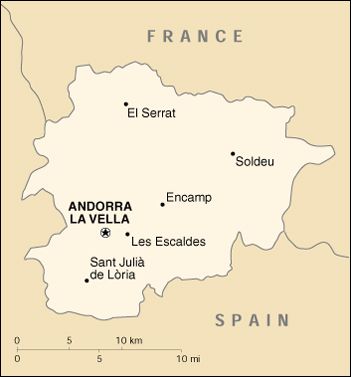
Click on map for larger view
Click on flag for Country Report



Represented by
Mn. Nemesi Marques i Oste
since 30 July 2003
Mn. Nemesi Marques i Oste
since 30 July 2003
| TRAFFICKING IN PERSONS |
None reported.