| BERMUDA Bermuda Bermuda (Overseas territory of the United Kingdom) Joined United Nations: 24 October 1945 Human Rights as assured by their constitution Click here Updated 20 January 2013 |
| CAPITAL |
| POPULATION |
| CHIEF OF STATE |
| SELECTION PROCESS |
Hamilton
69,080 (July 2012 est.)
Elizabeth II of United Kingdom
Queen since 6 February 1952
Queen since 6 February 1952
The monarch is hereditary and holds that position for life or until
abdication. The Governor is selected by the Queen.
Next scheduled election: None
abdication. The Governor is selected by the Queen.
Next scheduled election: None
HEAD OF GOVERNMENT
SELECTION PROCESS
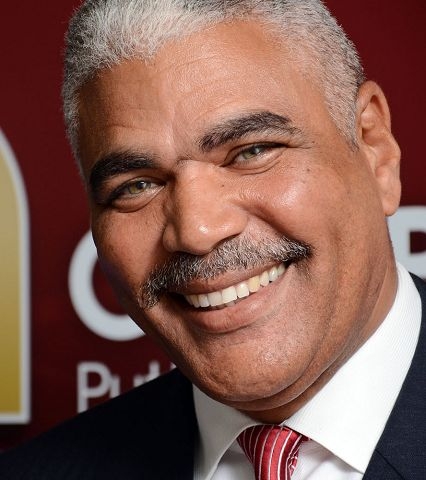
Craig Cannonier
Premier since 18 December 2012
Premier since 18 December 2012
Following legislative elections, the leader of the majority party or
the leader of the majority coalition is usually appointed Premier
by the governor; last general election held 17 December 2012
Next scheduled election: 2017
the leader of the majority coalition is usually appointed Premier
by the governor; last general election held 17 December 2012
Next scheduled election: 2017
| DECLARATION OF HUMAN RIGHTS |
| ETHNIC GROUPS |
Black 54.8%, white 34.1%, mixed 6.4%, other races 4.3%, unspecified 0.4% (2000 census)
| RELIGIONS |
Anglican 23%, Roman Catholic 15%, African Methodist Episcopal 11%, other Protestant 18%, other 12%,
unaffiliated 6%, unspecified 1%, none 14% (2000 census)
unaffiliated 6%, unspecified 1%, none 14% (2000 census)
| GOVERNMENT STRUCTURE |
Parliamentary; self-governing overseas territory of the UK with 9 parishes and 2 municipalities. Legal system is English law
Executive: Monarch represented by Governor; Premier is typical the leader of the majority party or coalition
appointed by the governor general
Legislative: Bicameral Parliament consists of the Senate (an 11-member body appointed by the governor, the
premier, and the opposition) and the House of Assembly (36 seats; members are elected by popular vote to serve up
to five-year terms)
elections: last general election held 18 December 2007 (next to be held not later than 12 December 2012)
Judicial: Supreme Court; Court of Appeal; Magistrate Courts
Executive: Monarch represented by Governor; Premier is typical the leader of the majority party or coalition
appointed by the governor general
Legislative: Bicameral Parliament consists of the Senate (an 11-member body appointed by the governor, the
premier, and the opposition) and the House of Assembly (36 seats; members are elected by popular vote to serve up
to five-year terms)
elections: last general election held 18 December 2007 (next to be held not later than 12 December 2012)
Judicial: Supreme Court; Court of Appeal; Magistrate Courts
| LANGUAGES |
English (official), Portuguese
| BRIEF HISTORY |
Bermuda was discovered in the early sixteenth century, probably in 1503, although the evidence for the exact year, and
the identity of the discoverer, is sketchy. It was certainly known by 1511, when Pietro Martire published his Legatio
Babylonica, which mentioned Bermuda. The discovery is attributed to a Spanish explorer, Juan de Bermudez. Nothing is
known of his supposed first visit; he returned again in 1515, with the chronicler Oviedo y Valdés. Oviedo's account of the
second visit (published in 1526) records that they made no attempt to land because of weather. During the following
decades, other visits from explorers of various nationalities ensued, including many whose stays resulted from being
shipwrecked on the treacherous reefs surrounding the then-uninhabited islands. Among the latter were a group of
Portuguese sailors in 1543, and Henry May in 1593. Bermuda was first settled in 1609 by shipwrecked English colonists
who were originally headed for Virginia in North America. A fleet of nine ships known as the Third Supply owned by the
Virginia Company of London set sail from Plymouth, England with fresh supplies and additional colonists for the new
British settlement at Jamestown. The fleet was commanded by Admiral Sir George Somers on board the flagship, the Sea
Venture. During a 3 day storm thought to have been a hurricane, the Sea Venture was separated from the rest of the fleet.
Admiral Somers was at the helm as she fought the storm, and deliberately drove the ship onto Bermuda's reefs to prevent
its foundering. All 150 crew and colonists survived, and were landed on the uninhabited north-easternmost island of the
archipelago. Leaving two men behind to maintain England's claim on the islands, Somers set sail with the remainder from
Bermuda for Jamestown. Those embarked included William Strachey, whose account of the adventures of the Sea
Venture's survivors may have inspired Shakespeare's The Tempest, and who would draft Virginia's first laws, and John
Rolfe, who would found Virginia's tobacco industry, making the colony economically viable. Rolfe left a wife (and child)
buried in Bermuda, but would find another in Pocahontas, the daughter of Chief Powhatan. Two years later, in 1612, the
Virginia Company's Royal Charter was extended to include the island, and a party of 60 settlers was sent, under the
command of Sir Richard Moore, the island's first governor. Joining the three men left behind by the Sea Venture and the
Patience (who had taken up residence on Smith's Island), they founded and commenced construction of the town of St.
George. The first slaves were brought to Bermuda soon after the colony was established. Unlike in the plantation
economies that developed in North America and the West Indies, the system of indentured servitude, which lasted until
1684, ensured a large supply of cheap labour. After the elimination of their indigenous population by Spanish slavers, the
Turks Islands, or Salt Islands, were not fully colonised until 1681, when salt collectors from Bermuda built the first
permanent settlement on Grand Turk Island. The salt collectors were drawn by the shallow waters around the islands that
made salt mining a much easier process than in Bermuda. Bermuda spent much of the eighteenth Century in a protracted
legal battle with the Bahamas (which had itself been colonised by Bermudians in 1647) over the Turks Islands. Due to the
islands' isolation, for many years Bermuda remained an outpost of seventeenth-century British civilization, with an
economy based on the use of the islands' Bermuda cedar (Juniperus bermudiana) trees for shipbuilding, and Bermudians'
control of the Turks Islands, and their salt trade. Following the loss of Britain's ports in thirteen of its former continental
colonies, Bermuda was also used as a stopover point between Canada and Britain's Caribbean possessions, and assumed
a new strategic prominence for the Royal Navy. Hamilton, a centrally located port founded in 1790, became the seat of
government in 1815. Tourism first came to the island first developed in Victorian times, catering to a wealthy elite seeking
to escape North American winters. Many also came hoping to find young noblemen among the officers of the Garrison
and Naval base to whom they might marry their daughters. Local hoteliers were quick to exploit this, organising many
dances and gatherings during the 'season', to which military and naval officers were given a blanket invitation. Due
historically to a third of Bermuda's manpower being at sea at any one time, and to many of those seamen ultimately settling
elsewhere, especially as the Bermudian maritime industry began to suffer, Bermuda was noted for having a high number of
aging spinsters well into the twentieth Century. In the early twentieth century, as modern transportation and
communication systems developed, Bermuda's tourism industry began to develop and thrive, and Bermuda became a
popular destination for a broader spectrum of wealthy US, Canadian, and British tourists. In addition, the tariff enacted by
the United States against its trading partners in 1930 cut off Bermuda's once-thriving agricultural export trade—primarily
fresh vegetables to the US—spurring the island to pour more of its efforts into the development of its tourism industry.
During World War II, Bermuda's importance as a military base increased because of its location on the major trans-
Atlantic shipping route. The Royal Naval dockyard on Ireland Island played a role similar to that it had during the Great
War, overseeing the formation of trans-Atlantic convoys composed of hundreds of ships. The military garrison, which
included four local territorial units, maintained a guard against potential enemy attacks on the Island itself.
In 1941, the United States signed a lend-lease agreement with the United Kingdom, giving the British surplus U.S. Navy
destroyers in exchange for 99-year lease rights to establish naval and air bases in certain British territories. Bermuda has
prospered economically since World War II, developing into a highly successful offshore financial centre. Although
tourism remains important to Bermuda's economy, it has for three decades been second to international business in terms
of economic importance to the island. Though Bermuda has been classified as a self-governed colony since 1620, internal
self-government was bolstered by the establishment of a formal constitution in 1968, and the introduction of universal
adult suffrage; debate about independence has ensued, although a 1995 independence referendum was soundly defeated.
For many, Bermudian independence would mean little other than the obligation to staff foreign missions and embassies
around the world, which would be a heavy obligation for Bermuda's small population, and the loss of British passports
(which could severely restrict travel, as few enough countries have even heard of little Bermuda, and could regard
travellers with suspicion). Effective September 1, 1995, both US military bases were closed; British and Canadian bases
on the island closed at about the same time. Unresolved issues concerning the 1995 withdrawal of US forces -- primarily
related to environmental factors -- delayed the formal return of the base lands to the Government of Bermuda. The United
States formally returned the base lands in 2002. It was hit by Hurricane Bertha in July 2008.
Source: Wikipedia History of Bermuda
the identity of the discoverer, is sketchy. It was certainly known by 1511, when Pietro Martire published his Legatio
Babylonica, which mentioned Bermuda. The discovery is attributed to a Spanish explorer, Juan de Bermudez. Nothing is
known of his supposed first visit; he returned again in 1515, with the chronicler Oviedo y Valdés. Oviedo's account of the
second visit (published in 1526) records that they made no attempt to land because of weather. During the following
decades, other visits from explorers of various nationalities ensued, including many whose stays resulted from being
shipwrecked on the treacherous reefs surrounding the then-uninhabited islands. Among the latter were a group of
Portuguese sailors in 1543, and Henry May in 1593. Bermuda was first settled in 1609 by shipwrecked English colonists
who were originally headed for Virginia in North America. A fleet of nine ships known as the Third Supply owned by the
Virginia Company of London set sail from Plymouth, England with fresh supplies and additional colonists for the new
British settlement at Jamestown. The fleet was commanded by Admiral Sir George Somers on board the flagship, the Sea
Venture. During a 3 day storm thought to have been a hurricane, the Sea Venture was separated from the rest of the fleet.
Admiral Somers was at the helm as she fought the storm, and deliberately drove the ship onto Bermuda's reefs to prevent
its foundering. All 150 crew and colonists survived, and were landed on the uninhabited north-easternmost island of the
archipelago. Leaving two men behind to maintain England's claim on the islands, Somers set sail with the remainder from
Bermuda for Jamestown. Those embarked included William Strachey, whose account of the adventures of the Sea
Venture's survivors may have inspired Shakespeare's The Tempest, and who would draft Virginia's first laws, and John
Rolfe, who would found Virginia's tobacco industry, making the colony economically viable. Rolfe left a wife (and child)
buried in Bermuda, but would find another in Pocahontas, the daughter of Chief Powhatan. Two years later, in 1612, the
Virginia Company's Royal Charter was extended to include the island, and a party of 60 settlers was sent, under the
command of Sir Richard Moore, the island's first governor. Joining the three men left behind by the Sea Venture and the
Patience (who had taken up residence on Smith's Island), they founded and commenced construction of the town of St.
George. The first slaves were brought to Bermuda soon after the colony was established. Unlike in the plantation
economies that developed in North America and the West Indies, the system of indentured servitude, which lasted until
1684, ensured a large supply of cheap labour. After the elimination of their indigenous population by Spanish slavers, the
Turks Islands, or Salt Islands, were not fully colonised until 1681, when salt collectors from Bermuda built the first
permanent settlement on Grand Turk Island. The salt collectors were drawn by the shallow waters around the islands that
made salt mining a much easier process than in Bermuda. Bermuda spent much of the eighteenth Century in a protracted
legal battle with the Bahamas (which had itself been colonised by Bermudians in 1647) over the Turks Islands. Due to the
islands' isolation, for many years Bermuda remained an outpost of seventeenth-century British civilization, with an
economy based on the use of the islands' Bermuda cedar (Juniperus bermudiana) trees for shipbuilding, and Bermudians'
control of the Turks Islands, and their salt trade. Following the loss of Britain's ports in thirteen of its former continental
colonies, Bermuda was also used as a stopover point between Canada and Britain's Caribbean possessions, and assumed
a new strategic prominence for the Royal Navy. Hamilton, a centrally located port founded in 1790, became the seat of
government in 1815. Tourism first came to the island first developed in Victorian times, catering to a wealthy elite seeking
to escape North American winters. Many also came hoping to find young noblemen among the officers of the Garrison
and Naval base to whom they might marry their daughters. Local hoteliers were quick to exploit this, organising many
dances and gatherings during the 'season', to which military and naval officers were given a blanket invitation. Due
historically to a third of Bermuda's manpower being at sea at any one time, and to many of those seamen ultimately settling
elsewhere, especially as the Bermudian maritime industry began to suffer, Bermuda was noted for having a high number of
aging spinsters well into the twentieth Century. In the early twentieth century, as modern transportation and
communication systems developed, Bermuda's tourism industry began to develop and thrive, and Bermuda became a
popular destination for a broader spectrum of wealthy US, Canadian, and British tourists. In addition, the tariff enacted by
the United States against its trading partners in 1930 cut off Bermuda's once-thriving agricultural export trade—primarily
fresh vegetables to the US—spurring the island to pour more of its efforts into the development of its tourism industry.
During World War II, Bermuda's importance as a military base increased because of its location on the major trans-
Atlantic shipping route. The Royal Naval dockyard on Ireland Island played a role similar to that it had during the Great
War, overseeing the formation of trans-Atlantic convoys composed of hundreds of ships. The military garrison, which
included four local territorial units, maintained a guard against potential enemy attacks on the Island itself.
In 1941, the United States signed a lend-lease agreement with the United Kingdom, giving the British surplus U.S. Navy
destroyers in exchange for 99-year lease rights to establish naval and air bases in certain British territories. Bermuda has
prospered economically since World War II, developing into a highly successful offshore financial centre. Although
tourism remains important to Bermuda's economy, it has for three decades been second to international business in terms
of economic importance to the island. Though Bermuda has been classified as a self-governed colony since 1620, internal
self-government was bolstered by the establishment of a formal constitution in 1968, and the introduction of universal
adult suffrage; debate about independence has ensued, although a 1995 independence referendum was soundly defeated.
For many, Bermudian independence would mean little other than the obligation to staff foreign missions and embassies
around the world, which would be a heavy obligation for Bermuda's small population, and the loss of British passports
(which could severely restrict travel, as few enough countries have even heard of little Bermuda, and could regard
travellers with suspicion). Effective September 1, 1995, both US military bases were closed; British and Canadian bases
on the island closed at about the same time. Unresolved issues concerning the 1995 withdrawal of US forces -- primarily
related to environmental factors -- delayed the formal return of the base lands to the Government of Bermuda. The United
States formally returned the base lands in 2002. It was hit by Hurricane Bertha in July 2008.
Source: Wikipedia History of Bermuda
| ECONOMIC OVERVIEW |
Bermuda enjoys the fourth highest per capita income in the world, more than 50% higher than that of the US; the
average cost of a house by the mid-2000s exceeded $1,000,000. Its economy is primarily based on providing financial
services for international business and luxury facilities for tourists. A number of reinsurance companies relocated to the
island following the 11 September 2001 attacks on the US and again after Hurricane Katrina in August 2005
contributing to the expansion of an already robust international business sector. Bermuda's tourism industry - which
derives over 80% of its visitors from the US - continues to struggle but remains the island's number two industry. Most
capital equipment and food must be imported. Bermuda's industrial sector is largely focused on construction and
agriculture is limited, with only 20% of the land being arable.
Source: CIA World Factbook (select Bermuda)
average cost of a house by the mid-2000s exceeded $1,000,000. Its economy is primarily based on providing financial
services for international business and luxury facilities for tourists. A number of reinsurance companies relocated to the
island following the 11 September 2001 attacks on the US and again after Hurricane Katrina in August 2005
contributing to the expansion of an already robust international business sector. Bermuda's tourism industry - which
derives over 80% of its visitors from the US - continues to struggle but remains the island's number two industry. Most
capital equipment and food must be imported. Bermuda's industrial sector is largely focused on construction and
agriculture is limited, with only 20% of the land being arable.
Source: CIA World Factbook (select Bermuda)
| POLITICAL CLIMATE |
Bermuda's first political party, the Progressive Labour Party (PLP), was formed in February 1963 with predominantly
black and working class adherents. Its leadership quickly became dominated by West Indian Bermudians (the 20th
century had seen considerable immigration from the West Indies, resulting in profound social and political changes in
Bermuda). In 1965, the two-party system was launched with the formation of the United Bermuda Party (UBP), which
had the support of the majority of white voters and of some blacks. A third party, the Bermuda Democratic Alliance
(BDA), was formed in the summer of 1967 with a splinter group from the PLP as a nucleus; it disbanded in 1970. It
was later replaced by the National Liberal Party (NLP) which currently holds no parliamentary seats.
Bermuda's first election held on the basis of universal adult suffrage and equal voting took place on 22 May 1968;
previously, the franchise had been limited to property owners and those above the age of 21. Persons who owned land
in one or more parishes could vote in each parish. In the 1968 election, the UBP won 30 House of Assembly seats,
while the PLP won 10 and the BDP lost the three seats it had previously held. The UBP continued to maintain control
of the government, although by decreasing margins in the Assembly, until 1998 when the PLP won the general election
for the first time with 54% of the popular vote and a 24-seat majority in the 40-member Assembly. The PLP would
succeed gaining a second term in July 2003, although by a reduced majority of 52% margin of the popular vote and 22
seats in a new 36-seat Assembly. A leadership battle followed the election, resulting in the PLP's first Premier, Jennifer
M. Smith (now Dame Jennifer) being ousted with William Alexander Scott chosen as new Party Leader and later
Premier. In December 2007, after an October 2006 party leadership change in which Dr. Ewart F. Brown, Jr. became
Premier, the PLP gained a third term by maintaining a 52% margin of the popular vote and 22 out of 36 seats in the
Assembly. Paula Cox replaced Brown as leader of the PLP, and therefore the Premier, in October 2010.
Source: Wikipedia: Politics of Bermuda
black and working class adherents. Its leadership quickly became dominated by West Indian Bermudians (the 20th
century had seen considerable immigration from the West Indies, resulting in profound social and political changes in
Bermuda). In 1965, the two-party system was launched with the formation of the United Bermuda Party (UBP), which
had the support of the majority of white voters and of some blacks. A third party, the Bermuda Democratic Alliance
(BDA), was formed in the summer of 1967 with a splinter group from the PLP as a nucleus; it disbanded in 1970. It
was later replaced by the National Liberal Party (NLP) which currently holds no parliamentary seats.
Bermuda's first election held on the basis of universal adult suffrage and equal voting took place on 22 May 1968;
previously, the franchise had been limited to property owners and those above the age of 21. Persons who owned land
in one or more parishes could vote in each parish. In the 1968 election, the UBP won 30 House of Assembly seats,
while the PLP won 10 and the BDP lost the three seats it had previously held. The UBP continued to maintain control
of the government, although by decreasing margins in the Assembly, until 1998 when the PLP won the general election
for the first time with 54% of the popular vote and a 24-seat majority in the 40-member Assembly. The PLP would
succeed gaining a second term in July 2003, although by a reduced majority of 52% margin of the popular vote and 22
seats in a new 36-seat Assembly. A leadership battle followed the election, resulting in the PLP's first Premier, Jennifer
M. Smith (now Dame Jennifer) being ousted with William Alexander Scott chosen as new Party Leader and later
Premier. In December 2007, after an October 2006 party leadership change in which Dr. Ewart F. Brown, Jr. became
Premier, the PLP gained a third term by maintaining a 52% margin of the popular vote and 22 out of 36 seats in the
Assembly. Paula Cox replaced Brown as leader of the PLP, and therefore the Premier, in October 2010.
Source: Wikipedia: Politics of Bermuda
| INTERNATIONAL DISPUTES |
None reported.


| REFUGEES AND INTERNALLY DISPLACED PERSONS (IDP) |
None reported.
| TRAFFICKING IN PERSONS |
None reported.
| HUMAN RIGHTS STATEMENTS, ANALYSIS AND CRITIQUES |
2011 Human Rights Report: United Kingdom (Including Bermuda)
Bureau of Democracy, Human Rights, and Labor
2011 Country Reports on Human Rights Practices
May 25, 2012
On July 11, the Bermudian Parliament passed the Firearms Amendment Act 2011, which provides that suspects alleged to be
involved in a crime with a firearm can be incarcerated in prison prior to being charged in order to ease overcrowding in police
detention cells. It also passed the Bail Amendment Act 2011 authorizing police to arrest individuals if there are reasonable grounds
to suspect that they are likely to breach the conditions of their bail. In addition, the law allows police to consider a suspect’s safety
in deciding whether to grant bail.
Bermudian law authorizes the Human Rights Commission to investigate violations of the Human Rights Act. In 2010 the
commission referred no cases to a board of inquiry for adjudication; statistics were not yet available for the year.
Bermuda’s constitution and laws protect the fundamental rights and freedoms of the individual but do not specifically provide for
the granting of asylum or refugee status, nor has the government established a system for providing protection to refugees. A
refugee would be accorded all the protections, rights, and freedoms accorded to non-Bermudians and would receive benefits as a
Bermudian if the government made special provisions for that refugee.
On June 15, the Bermuda Police Service announced that it would investigate whether former premier Ewart Brown committed any
criminal offenses involving requests for commissions and board memberships. On August 3, the Bermudian Parliament passed the
Good Governance Act 2011 to improve transparency and accountability.
The Bermudian constitution and laws protect the human rights of inhabitants of Bermuda, with the exception of protection against
discrimination based on sexual orientation and age.
Click here to read more »
Bureau of Democracy, Human Rights, and Labor
2011 Country Reports on Human Rights Practices
May 25, 2012
On July 11, the Bermudian Parliament passed the Firearms Amendment Act 2011, which provides that suspects alleged to be
involved in a crime with a firearm can be incarcerated in prison prior to being charged in order to ease overcrowding in police
detention cells. It also passed the Bail Amendment Act 2011 authorizing police to arrest individuals if there are reasonable grounds
to suspect that they are likely to breach the conditions of their bail. In addition, the law allows police to consider a suspect’s safety
in deciding whether to grant bail.
Bermudian law authorizes the Human Rights Commission to investigate violations of the Human Rights Act. In 2010 the
commission referred no cases to a board of inquiry for adjudication; statistics were not yet available for the year.
Bermuda’s constitution and laws protect the fundamental rights and freedoms of the individual but do not specifically provide for
the granting of asylum or refugee status, nor has the government established a system for providing protection to refugees. A
refugee would be accorded all the protections, rights, and freedoms accorded to non-Bermudians and would receive benefits as a
Bermudian if the government made special provisions for that refugee.
On June 15, the Bermuda Police Service announced that it would investigate whether former premier Ewart Brown committed any
criminal offenses involving requests for commissions and board memberships. On August 3, the Bermudian Parliament passed the
Good Governance Act 2011 to improve transparency and accountability.
The Bermudian constitution and laws protect the human rights of inhabitants of Bermuda, with the exception of protection against
discrimination based on sexual orientation and age.
Click here to read more »
BRIEFING FROM GLOBAL INITIATIVE TO END ALL CORPORAL PUNISHMENT OF CHILDREN
BRIEFING FOR THE COMMITTEE ON ECONOMIC, SOCIAL AND CULTURAL RIGHTS, PRE-SESSIONAL WORKING
GROUP
19-23 May 2008
From Peter Newell, Coordinator, Global Initiative
info@endcorporalpunishment.org
UNITED KINGDOM
Corporal punishment is lawful in the home in the UK, in all of the Overseas Territories (with the possible exception of the Pitcairn
Islands) and in the Crown Dependencies. Amendments to legislation in England and Wales, Scotland and Northern Ireland have
restricted the defence of “reasonable chastisement”: in Scotland by introducing the concept of “justifiable assault” of children and
defining blows to the head, shaking and use of implements as unjustifiable (Criminal Justice (Scotland) Act 2003, s51); in England,
Wales and most recently Northern Ireland by allowing use of the defence of “reasonable punishment” by parents and some other
carers charged with common assault but not by those charged with more serious assaults on children (Children Act 2004, s58;
Law Reform (Miscellaneous Provisions) (Northern Ireland) Order 2006, s2).
Corporal punishment is prohibited in schools in the UK. Of the Overseas Territories (OTs) covered by the ICESCR, only Pitcairn
and St Helena have prohibited corporal punishment in schools; it is prohibited in state schools only in the Falkland Islands. It is
lawful in Bermuda (under the Education Rules 1974 and the Criminal Code s266), British Virgin Islands (Education Act 2004 s55,
Criminal Code s192), Cayman Islands (Education and Training Law 2005), Gibraltar (Criminal Offences Ordinance 1984 s82) and
Montserrat (Education Act 2004 s49, Juveniles Ordinance 1982 s37, Penal Code 1983 s193). None of the Crown Dependencies
(CDs) has enacted explicit prohibition of corporal punishment applicable to all schools (public and private).
In the penal system, corporal punishment is prohibited as a sentence for crime in the UK and in all OTs and CDs, although as at
May 2006 it remained on the statute book in Guernsey. It is prohibited as a disciplinary measure in penal institutions in the UK (but
not, it recently came to light, in the “secure training centres”, where children aged between 12 and 15 are held. It is prohibited in
Bermuda, British Virgin Islands, Cayman Islands, Falkland Islands, Pitcairn Islands, St Helena, Jersey and Guernsey. There is no
explicit prohibition of its use as a disciplinary measure in penal institutions in Gibraltar or Montserrat. In the Isle of Man, it is
prohibited in law as a disciplinary measure against persons aged 17 and over in prison but only as a matter of policy for young
people detained in the young person’s secure unit.
Click here to read more »
BRIEFING FOR THE COMMITTEE ON ECONOMIC, SOCIAL AND CULTURAL RIGHTS, PRE-SESSIONAL WORKING
GROUP
19-23 May 2008
From Peter Newell, Coordinator, Global Initiative
info@endcorporalpunishment.org
UNITED KINGDOM
Corporal punishment is lawful in the home in the UK, in all of the Overseas Territories (with the possible exception of the Pitcairn
Islands) and in the Crown Dependencies. Amendments to legislation in England and Wales, Scotland and Northern Ireland have
restricted the defence of “reasonable chastisement”: in Scotland by introducing the concept of “justifiable assault” of children and
defining blows to the head, shaking and use of implements as unjustifiable (Criminal Justice (Scotland) Act 2003, s51); in England,
Wales and most recently Northern Ireland by allowing use of the defence of “reasonable punishment” by parents and some other
carers charged with common assault but not by those charged with more serious assaults on children (Children Act 2004, s58;
Law Reform (Miscellaneous Provisions) (Northern Ireland) Order 2006, s2).
Corporal punishment is prohibited in schools in the UK. Of the Overseas Territories (OTs) covered by the ICESCR, only Pitcairn
and St Helena have prohibited corporal punishment in schools; it is prohibited in state schools only in the Falkland Islands. It is
lawful in Bermuda (under the Education Rules 1974 and the Criminal Code s266), British Virgin Islands (Education Act 2004 s55,
Criminal Code s192), Cayman Islands (Education and Training Law 2005), Gibraltar (Criminal Offences Ordinance 1984 s82) and
Montserrat (Education Act 2004 s49, Juveniles Ordinance 1982 s37, Penal Code 1983 s193). None of the Crown Dependencies
(CDs) has enacted explicit prohibition of corporal punishment applicable to all schools (public and private).
In the penal system, corporal punishment is prohibited as a sentence for crime in the UK and in all OTs and CDs, although as at
May 2006 it remained on the statute book in Guernsey. It is prohibited as a disciplinary measure in penal institutions in the UK (but
not, it recently came to light, in the “secure training centres”, where children aged between 12 and 15 are held. It is prohibited in
Bermuda, British Virgin Islands, Cayman Islands, Falkland Islands, Pitcairn Islands, St Helena, Jersey and Guernsey. There is no
explicit prohibition of its use as a disciplinary measure in penal institutions in Gibraltar or Montserrat. In the Isle of Man, it is
prohibited in law as a disciplinary measure against persons aged 17 and over in prison but only as a matter of policy for young
people detained in the young person’s secure unit.
Click here to read more »
The world has 117 electoral democracies.
October 24th, 2012 by Edward Gresser
THE NUMBERS: Number of “electoral democracies” in the world* –
2012 117
2011 115
2005 123
1990 69
* Freedom House definitions of, and count for, democracies.
WHAT THEY MEAN:
America’s presidential election in two weeks is the 57th in a continuous series, dating back to the unchallenged choice of General
Washington in 1788. It is also the 37th in a parade of over 50 national elections around the world this year: the marathon of
legislative and presidential polls which created Egypt’s still-young democracy; the April by-elections heralding the reform era in
Burma/Myanmar; Greece’s sad choice in May; the gigantic summer debates of Mexico and France; still ahead, the intimate and
local December choice between the One Bermuda Alliance and the Popular Labor Party. Lots of elections, then – essentially one a
week. But how healthy is the democratic cause?
In a very long perspective, quite healthy. The 1999 survey by New York-based Freedom House reported that in 1900, zero
countries could claim full universal suffrage and regular elections, and only 5 percent of the world’s people able to vote on their
leaders. By 1990, their count of “electoral democracies,”** done annually in the Freedom in the World survey, had grown to 69
countries and 64 percent of the world’s people. Since then the democratic community has added a net of 48 new members, to
reach a total of 117.
In a purely 21st-century perspective, though, troubled and uncertain. Freedom House’s count of democracies actually peaked in
2005 at 123, and from there to 2010 shrank by eight. (Bosnia and the Maldives joined the list; but Bangladesh, the Central African
Republic, Honduras, Kenya, Madagascar, Mozambique, Nicaragua, Niger, the Philippines, Thailand, and Venezuela all came off in
the wake of coups, rigged elections and so on.) Disappointed democracy-watcher Larry Diamond termed the decade one of
“democratic recession,” and the 2011 edition of Freedom in the World mournfully noted “the fifth consecutive year of [global
freedom,] … the longest such decline in the nearly 40-year history of the survey.”
This year’s edition, released in August, is a bit more upbeat. Its list of democracies as of 2011 has rebounded a bit with the
restoration of Thailand and Niger, and the addition of Arab Spring standout Tunisia. (Their judgments on Egypt and Libya will
come out in next year’s report.) As Americans prepare to vote, Freedom in the World 2012 surveys the world and the implications
of the Arab Spring, and concludes with guarded optimism:
“The political uprisings that swept across the Arab world over the past year represent the most
significant challenge to authoritarian rule since the collapse of Soviet communism. In a region
that had seemed immune to democratic change, coalitions of activist reformers and ordinary
citizens succeeded in removing dictators who had spent decades entrenching themselves in
power. In some cases, protest and upheaval was followed by the beginnings of democratic
institution building… [The] continued pattern of global backsliding—especially in such critical
areas as press freedom, the rule of law, and the rights of civil society—is a sobering reminder
that the institutions that anchor democratic governance cannot be achieved by protests alone.
Yet if there is an overarching message for the year, it is one of hope and not of reversal.”
** Freedom House defines an “electoral democracy” as a country or non-independent territory like Bermuda or Hong Kong with a
two- or multi-party political system, regular elections, universal suffrage, and access to media for parties reflecting a representative
spectrum of national opinion.)
Click here to read more »
October 24th, 2012 by Edward Gresser
THE NUMBERS: Number of “electoral democracies” in the world* –
2012 117
2011 115
2005 123
1990 69
* Freedom House definitions of, and count for, democracies.
WHAT THEY MEAN:
America’s presidential election in two weeks is the 57th in a continuous series, dating back to the unchallenged choice of General
Washington in 1788. It is also the 37th in a parade of over 50 national elections around the world this year: the marathon of
legislative and presidential polls which created Egypt’s still-young democracy; the April by-elections heralding the reform era in
Burma/Myanmar; Greece’s sad choice in May; the gigantic summer debates of Mexico and France; still ahead, the intimate and
local December choice between the One Bermuda Alliance and the Popular Labor Party. Lots of elections, then – essentially one a
week. But how healthy is the democratic cause?
In a very long perspective, quite healthy. The 1999 survey by New York-based Freedom House reported that in 1900, zero
countries could claim full universal suffrage and regular elections, and only 5 percent of the world’s people able to vote on their
leaders. By 1990, their count of “electoral democracies,”** done annually in the Freedom in the World survey, had grown to 69
countries and 64 percent of the world’s people. Since then the democratic community has added a net of 48 new members, to
reach a total of 117.
In a purely 21st-century perspective, though, troubled and uncertain. Freedom House’s count of democracies actually peaked in
2005 at 123, and from there to 2010 shrank by eight. (Bosnia and the Maldives joined the list; but Bangladesh, the Central African
Republic, Honduras, Kenya, Madagascar, Mozambique, Nicaragua, Niger, the Philippines, Thailand, and Venezuela all came off in
the wake of coups, rigged elections and so on.) Disappointed democracy-watcher Larry Diamond termed the decade one of
“democratic recession,” and the 2011 edition of Freedom in the World mournfully noted “the fifth consecutive year of [global
freedom,] … the longest such decline in the nearly 40-year history of the survey.”
This year’s edition, released in August, is a bit more upbeat. Its list of democracies as of 2011 has rebounded a bit with the
restoration of Thailand and Niger, and the addition of Arab Spring standout Tunisia. (Their judgments on Egypt and Libya will
come out in next year’s report.) As Americans prepare to vote, Freedom in the World 2012 surveys the world and the implications
of the Arab Spring, and concludes with guarded optimism:
“The political uprisings that swept across the Arab world over the past year represent the most
significant challenge to authoritarian rule since the collapse of Soviet communism. In a region
that had seemed immune to democratic change, coalitions of activist reformers and ordinary
citizens succeeded in removing dictators who had spent decades entrenching themselves in
power. In some cases, protest and upheaval was followed by the beginnings of democratic
institution building… [The] continued pattern of global backsliding—especially in such critical
areas as press freedom, the rule of law, and the rights of civil society—is a sobering reminder
that the institutions that anchor democratic governance cannot be achieved by protests alone.
Yet if there is an overarching message for the year, it is one of hope and not of reversal.”
** Freedom House defines an “electoral democracy” as a country or non-independent territory like Bermuda or Hong Kong with a
two- or multi-party political system, regular elections, universal suffrage, and access to media for parties reflecting a representative
spectrum of national opinion.)
Click here to read more »
16 June 2009
USA 13 Uighur detainees held at Guantánamo
Four of the Uighur detainees who had been held in the US Naval Base at Guantánamo Bay in Cuba, without charge or trial since
2002, were transferred to Bermuda on 11 June 2009. They have been identified by their lawyers as Huzaifa Parhat, Abdul Semet,
Abdul Nasser and Jalal Jalaladin.
Thirteen other Uighurs men remain in indefinite detention at Guantánamo more than eight months after a US federal judge ruled that
their detention was unlawful and ordered their immediate release into the USA. The US administration appealed against this order,
and the case is now pending before the Supreme Court. The administration has continued to hold the Uighur detainees, arguing that
it is for the political branches of government to decide who should be allowed into the USA.
In a statement following the transfer of the four Uighurs to Bermuda, Bermudian Premier Dr. Ewart Brown confirmed that the four
men would be granted asylum and given the opportunity to become naturalized citizens. He said that the US Government would
“bear the cost surrounding the relocation” and the Government of Bermuda would “facilitate documentation, residence and
employment.”
One of the men told the media after his release, “When we didn’t have any country to accept us, when everybody was afraid of
us…Bermuda had the courage and was brave enough to accept us.”
In reaction to the transfer, the opposition United Bermuda Party (UPB) tabled a vote of no confidence against the Bermudian
Premier. The vote is due to be held on 16 June. Although the leader of the UPB has stated that the vote is not “just about Uighurs in
Bermuda,” Amnesty International is concerned that the Uighurs are being used as political pawns, something that has also occurred
inside the USA.
The UK government has also criticized the government of Bermuda on its decision to accept the men without first consulting the
government of the United Kingdom. Bermuda is an overseas territory of the UK, administered by a Governor appointed by the
Queen on the recommendation of the UK government. Amnesty International understands that the Bermudian government’s
acceptance of the four men is currently subject to a security assessment by UK authorities before the transfer can become
permanent.
Click here to read more »
USA 13 Uighur detainees held at Guantánamo
Four of the Uighur detainees who had been held in the US Naval Base at Guantánamo Bay in Cuba, without charge or trial since
2002, were transferred to Bermuda on 11 June 2009. They have been identified by their lawyers as Huzaifa Parhat, Abdul Semet,
Abdul Nasser and Jalal Jalaladin.
Thirteen other Uighurs men remain in indefinite detention at Guantánamo more than eight months after a US federal judge ruled that
their detention was unlawful and ordered their immediate release into the USA. The US administration appealed against this order,
and the case is now pending before the Supreme Court. The administration has continued to hold the Uighur detainees, arguing that
it is for the political branches of government to decide who should be allowed into the USA.
In a statement following the transfer of the four Uighurs to Bermuda, Bermudian Premier Dr. Ewart Brown confirmed that the four
men would be granted asylum and given the opportunity to become naturalized citizens. He said that the US Government would
“bear the cost surrounding the relocation” and the Government of Bermuda would “facilitate documentation, residence and
employment.”
One of the men told the media after his release, “When we didn’t have any country to accept us, when everybody was afraid of
us…Bermuda had the courage and was brave enough to accept us.”
In reaction to the transfer, the opposition United Bermuda Party (UPB) tabled a vote of no confidence against the Bermudian
Premier. The vote is due to be held on 16 June. Although the leader of the UPB has stated that the vote is not “just about Uighurs in
Bermuda,” Amnesty International is concerned that the Uighurs are being used as political pawns, something that has also occurred
inside the USA.
The UK government has also criticized the government of Bermuda on its decision to accept the men without first consulting the
government of the United Kingdom. Bermuda is an overseas territory of the UK, administered by a Governor appointed by the
Queen on the recommendation of the UK government. Amnesty International understands that the Bermudian government’s
acceptance of the four men is currently subject to a security assessment by UK authorities before the transfer can become
permanent.
Click here to read more »
EU: Follow Swiss Example of Accepting Guantanamo Detainees
Switzerland’s Decision to Resettle Two Uighurs Will Help Close US Prison
February 3, 2010
(Washington, DC) - Switzerland's decision to accept for resettlement two Uighur detainees who have been wrongfully detained at
Guantanamo for more than eight years is a significant contribution toward closing the prison, Human Rights Watch said today.
Swiss authorities announced today that they would resettle two of the seven remaining Uighurs at Guantanamo on humanitarian
grounds. The announcement comes just a week after Switzerland agreed to resettle an Uzbek detainee from Guantanamo.
"Switzerland should be commended for its humanitarian action," said Andrea Prasow, senior counterterrorism counsel at Human
Rights Watch. "By agreeing to resettle three Guantanamo detainees, the Swiss are making a major contribution to shuttering
Guantanamo."
Several other European countries, including Albania, Belgium, France, Hungary, Ireland, Italy, Portugal, and Slovakia, have
accepted Guantanamo detainees.
The two Uighur detainees, whose names have not been released, are members of an oppressed Turkic minority from western China
who have been cleared for transfer or release from Guantanamo for years, but cannot return home due to credible fears of
persecution or ill-treatment there.
Twenty-two Uighurs were originally detained at Guantanamo. They had reportedly been living together in a Uighur camp in
Afghanistan when the US-led coalition bombing campaign began in October 2001, and a group of them fled into the mountains.
Arab travelers promised to take them to a safe house in Pakistan, but instead turned them over to Pakistani authorities who, in turn,
handed them over to the United States - reportedly for large bounties.
The United States cleared most of the Uighurs for release from Guantanamo in 2004, and has been looking for countries to resettle
them ever since. In 2006, Albania resettled five of them, and in 2009, Bermuda four and Palau six.
Click here to read more »
Switzerland’s Decision to Resettle Two Uighurs Will Help Close US Prison
February 3, 2010
(Washington, DC) - Switzerland's decision to accept for resettlement two Uighur detainees who have been wrongfully detained at
Guantanamo for more than eight years is a significant contribution toward closing the prison, Human Rights Watch said today.
Swiss authorities announced today that they would resettle two of the seven remaining Uighurs at Guantanamo on humanitarian
grounds. The announcement comes just a week after Switzerland agreed to resettle an Uzbek detainee from Guantanamo.
"Switzerland should be commended for its humanitarian action," said Andrea Prasow, senior counterterrorism counsel at Human
Rights Watch. "By agreeing to resettle three Guantanamo detainees, the Swiss are making a major contribution to shuttering
Guantanamo."
Several other European countries, including Albania, Belgium, France, Hungary, Ireland, Italy, Portugal, and Slovakia, have
accepted Guantanamo detainees.
The two Uighur detainees, whose names have not been released, are members of an oppressed Turkic minority from western China
who have been cleared for transfer or release from Guantanamo for years, but cannot return home due to credible fears of
persecution or ill-treatment there.
Twenty-two Uighurs were originally detained at Guantanamo. They had reportedly been living together in a Uighur camp in
Afghanistan when the US-led coalition bombing campaign began in October 2001, and a group of them fled into the mountains.
Arab travelers promised to take them to a safe house in Pakistan, but instead turned them over to Pakistani authorities who, in turn,
handed them over to the United States - reportedly for large bounties.
The United States cleared most of the Uighurs for release from Guantanamo in 2004, and has been looking for countries to resettle
them ever since. In 2006, Albania resettled five of them, and in 2009, Bermuda four and Palau six.
Click here to read more »
Premier’s Address: Crime, Economy & More
April 21, 2011
At 8pm this evening [Apr.21] Premier Paula Cox delivered a televised “national address,” in which she spoke about a number of
issues including crime, the economy, tourism and more.
Some points in her address included: Cabinet will consider legislation making gang membership an offence, there will be no cuts in
Minister’s salaries, and initiatives are underway to help stimulate job creation.
It has been almost 6 months since the Premier has been in office, having won the leadership challenge on October 28, 2010. This
evening she called the past six months “challenging” and “one of the toughest jobs I have ever had.”
The Premier started off the speech by mentioning the four men who have been murdered so far in 2011, and expressed her
commitment to stemming the rising crime.
She referenced the recent resignation of former National Security Minister Lt. Col. David Burch saying, “It was my commitment to
reinforcing public safety, my insistence on talking directly to the Commissioner of Police, that contributed to the departure of a
valued Cabinet Minister recently.”
Premier Cox said the “full weight of the partnership between the Legislature and the Bermuda Police Service” will used, and Cabinet
will shortly “consider legislation making gang membership an offence.”
The Premier also spoke on broadening the scope of proceeds of crime laws, and considering incentives for those that turn in guns,
an option recently brought forward by new National Security Minister Wayne Perinchief.
Click here to read more »
April 21, 2011
At 8pm this evening [Apr.21] Premier Paula Cox delivered a televised “national address,” in which she spoke about a number of
issues including crime, the economy, tourism and more.
Some points in her address included: Cabinet will consider legislation making gang membership an offence, there will be no cuts in
Minister’s salaries, and initiatives are underway to help stimulate job creation.
It has been almost 6 months since the Premier has been in office, having won the leadership challenge on October 28, 2010. This
evening she called the past six months “challenging” and “one of the toughest jobs I have ever had.”
The Premier started off the speech by mentioning the four men who have been murdered so far in 2011, and expressed her
commitment to stemming the rising crime.
She referenced the recent resignation of former National Security Minister Lt. Col. David Burch saying, “It was my commitment to
reinforcing public safety, my insistence on talking directly to the Commissioner of Police, that contributed to the departure of a
valued Cabinet Minister recently.”
Premier Cox said the “full weight of the partnership between the Legislature and the Bermuda Police Service” will used, and Cabinet
will shortly “consider legislation making gang membership an offence.”
The Premier also spoke on broadening the scope of proceeds of crime laws, and considering incentives for those that turn in guns,
an option recently brought forward by new National Security Minister Wayne Perinchief.
Click here to read more »
Human Rights Commission dismisses Regiment sex claims
By Elizabeth Roberts
Published Nov 1, 2012
The Human Rights Commission has closed its investigation and dismissed allegations of sexual misconduct at the Bermuda
Regiment after no one came forward with complaints.
The news was announced in a Regiment statement yesterday, accompanied by a letter that the executive officer of the HRC wrote
to its Commanding Officer on October 25.
The Commission launched an investigation after this newspaper reported in 2009 that 14 male soldiers had made claims of sexual
assault or harassment at the Regiment since 1989.
The Regiment said the allegations were dealt with at the time but would not disclose any further information or statistics to The
Royal Gazette on how many sexual misconduct claims had been made in its 44-year history.
In her letter, HRC executive officer Lisa Lister Reed told Commanding Officer Brian Gonsalves: “After careful consideration of the
many reports that appeared in The Royal Gazette in September and October 2009, the Commission sought to investigate the
allegations of sexual misconduct at the Bermuda Regiment.
“The decision to investigate was made at meetings of the Commission held in October 2009, and the investigation formally started
on or about March 24, 2010. During the investigation, the public was invited to make representation and to provide any information
related to the alleged incidents as reported in the press.
“The plea was made to urge individuals to make complaints to the Commission or to the Regiment in order that any complaints
could be properly investigated. The investigation revealed that no person came forward.”
Ms Lister said the Regiment produced all documentation requested, including policies and procedures relating to the reporting
processes and investigations of complaints.
“Also, the Regiment provided information regarding specific cases of sexual abuse and sexual harassment. We are thankful that the
Regiment was co-operative and responded expeditiously to any requests for information and any specific records,” she wrote.
Ms Lister went on to explain: “The Commission has decided to discontinue the investigations for three reasons. Firstly, despite the
urging given to persons who may have experienced sexual misconduct at the Bermuda Regiment and others with knowledge of
these allegations to report these incidents to the Commission, no-no one came forward and no complaint was received by the
Commission.
“Secondly, the investigation highlighted that all of the alleged incidents would have occurred in 2002 or before 2002. The
Commission has no authority to investigate complaints that are more than two years old from the date of the alleged contravention.
“Thirdly, the Regiment was very forthright during the investigation. The Regiment stated that the most recent complaint received
was in 2005, which occurred while the Regiment was on an overseas mission. The Commission is satisfied that this complaint was
properly dealt with and that the Regiment has a robust sexual harassment policy. We note that the policy is based on the United
Kingdom model.”
The Royal Gazette has previously reported how Regiment Major Glenn Brangman was accused by 13 male soldiers of sexual
misconduct before he was ordered to retire from the Regiment in 2002.
Nothing was ever proven against him in relation to the Regiment accusations. However, Brangman, 60, was convicted in February
of four charges of sexually assaulting a male teenager who was working as a clerk at the Bermuda Housing Corporation in 2009.
Brangman was the Corporation’s general manager at the time.
Click here to read more>>
By Elizabeth Roberts
Published Nov 1, 2012
The Human Rights Commission has closed its investigation and dismissed allegations of sexual misconduct at the Bermuda
Regiment after no one came forward with complaints.
The news was announced in a Regiment statement yesterday, accompanied by a letter that the executive officer of the HRC wrote
to its Commanding Officer on October 25.
The Commission launched an investigation after this newspaper reported in 2009 that 14 male soldiers had made claims of sexual
assault or harassment at the Regiment since 1989.
The Regiment said the allegations were dealt with at the time but would not disclose any further information or statistics to The
Royal Gazette on how many sexual misconduct claims had been made in its 44-year history.
In her letter, HRC executive officer Lisa Lister Reed told Commanding Officer Brian Gonsalves: “After careful consideration of the
many reports that appeared in The Royal Gazette in September and October 2009, the Commission sought to investigate the
allegations of sexual misconduct at the Bermuda Regiment.
“The decision to investigate was made at meetings of the Commission held in October 2009, and the investigation formally started
on or about March 24, 2010. During the investigation, the public was invited to make representation and to provide any information
related to the alleged incidents as reported in the press.
“The plea was made to urge individuals to make complaints to the Commission or to the Regiment in order that any complaints
could be properly investigated. The investigation revealed that no person came forward.”
Ms Lister said the Regiment produced all documentation requested, including policies and procedures relating to the reporting
processes and investigations of complaints.
“Also, the Regiment provided information regarding specific cases of sexual abuse and sexual harassment. We are thankful that the
Regiment was co-operative and responded expeditiously to any requests for information and any specific records,” she wrote.
Ms Lister went on to explain: “The Commission has decided to discontinue the investigations for three reasons. Firstly, despite the
urging given to persons who may have experienced sexual misconduct at the Bermuda Regiment and others with knowledge of
these allegations to report these incidents to the Commission, no-no one came forward and no complaint was received by the
Commission.
“Secondly, the investigation highlighted that all of the alleged incidents would have occurred in 2002 or before 2002. The
Commission has no authority to investigate complaints that are more than two years old from the date of the alleged contravention.
“Thirdly, the Regiment was very forthright during the investigation. The Regiment stated that the most recent complaint received
was in 2005, which occurred while the Regiment was on an overseas mission. The Commission is satisfied that this complaint was
properly dealt with and that the Regiment has a robust sexual harassment policy. We note that the policy is based on the United
Kingdom model.”
The Royal Gazette has previously reported how Regiment Major Glenn Brangman was accused by 13 male soldiers of sexual
misconduct before he was ordered to retire from the Regiment in 2002.
Nothing was ever proven against him in relation to the Regiment accusations. However, Brangman, 60, was convicted in February
of four charges of sexually assaulting a male teenager who was working as a clerk at the Bermuda Housing Corporation in 2009.
Brangman was the Corporation’s general manager at the time.
Click here to read more>>
The Royal Gazette
2nd July, 2012
Call for Premier to respond to Ombudsman’s concerns
By Owain Johnston-Barnes
The One Bermuda Alliance has called on Premier Paula Cox to respond to claims by the Ombudsman that she was pressured during
high-level conversations.
Shadow Attorney General Trevor Moniz said in a statement yesterday: “Good governance needs strong leadership “Without it, there
is little chance for the change Bermuda needs, little chance for civil servants to work for the best interests of Bermuda.”
Last year, Ms Brock launched an ‘own motion’ investigation into the handling of the Tucker’s Point Special Development Order
(SDO).
The resulting special report, issued in May, claimed Government had acted illegally by failing to conduct an Environmental Impact
Assessment before granting the SDO, in accordance to the UK Environmental Charter, signed by Government in 2001.
Minister for Planning, Environment and Infrastructure Strategy Marc Bean denied that Government acted illegally, saying the
Charter was not legally binding and only “aspirational.”
He further called Ms Brock’s decision to launch an ‘own motion’ inquiry unusual, and questioned if the Ombudsman was biased.
In a report tabled on Friday in the House of Assembly, Ombudsman Arlene Brock said she felt the Government reaction to the
report was ‘inadequate,’ in particular claims that the Environmental Charter signed by Government was not legally binding.
She further stated that she was pressured not to carry out the investigation.
“After announcing the investigation in April 2011, I endured six high-level conversations with three different persons over a four
week period, during which I was asked, advised, cajoled and urged not to conduct it.”
She did not state who those people are, or what bodies they represented.
Responding to the story yesterday, Mr Moniz said that Bermuda should be very concerned about the Ombudsman’s statement, and
that the issue underscored the fact that more than legislation is required for good governance.
“For good governance to succeed, it requires people in positions of power to honour and respect those whose job it is to keep us
honest and in check,” Mr Moniz said.
“The Premier has made a big deal about pushing forward good governance measures to make sure ‘abuses will be a thing of the
past,’ but we continue to see indications that questionable behaviours continue, regardless of her declaration that there will be ‘zero
tolerance for behaviour and practices that do not accord with the highest standards of good governance.’
“We urge the Premier to address Ms Brock’s comments. People would like to know where she stands on the matter.”
Click here to read more »
2nd July, 2012
Call for Premier to respond to Ombudsman’s concerns
By Owain Johnston-Barnes
The One Bermuda Alliance has called on Premier Paula Cox to respond to claims by the Ombudsman that she was pressured during
high-level conversations.
Shadow Attorney General Trevor Moniz said in a statement yesterday: “Good governance needs strong leadership “Without it, there
is little chance for the change Bermuda needs, little chance for civil servants to work for the best interests of Bermuda.”
Last year, Ms Brock launched an ‘own motion’ investigation into the handling of the Tucker’s Point Special Development Order
(SDO).
The resulting special report, issued in May, claimed Government had acted illegally by failing to conduct an Environmental Impact
Assessment before granting the SDO, in accordance to the UK Environmental Charter, signed by Government in 2001.
Minister for Planning, Environment and Infrastructure Strategy Marc Bean denied that Government acted illegally, saying the
Charter was not legally binding and only “aspirational.”
He further called Ms Brock’s decision to launch an ‘own motion’ inquiry unusual, and questioned if the Ombudsman was biased.
In a report tabled on Friday in the House of Assembly, Ombudsman Arlene Brock said she felt the Government reaction to the
report was ‘inadequate,’ in particular claims that the Environmental Charter signed by Government was not legally binding.
She further stated that she was pressured not to carry out the investigation.
“After announcing the investigation in April 2011, I endured six high-level conversations with three different persons over a four
week period, during which I was asked, advised, cajoled and urged not to conduct it.”
She did not state who those people are, or what bodies they represented.
Responding to the story yesterday, Mr Moniz said that Bermuda should be very concerned about the Ombudsman’s statement, and
that the issue underscored the fact that more than legislation is required for good governance.
“For good governance to succeed, it requires people in positions of power to honour and respect those whose job it is to keep us
honest and in check,” Mr Moniz said.
“The Premier has made a big deal about pushing forward good governance measures to make sure ‘abuses will be a thing of the
past,’ but we continue to see indications that questionable behaviours continue, regardless of her declaration that there will be ‘zero
tolerance for behaviour and practices that do not accord with the highest standards of good governance.’
“We urge the Premier to address Ms Brock’s comments. People would like to know where she stands on the matter.”
Click here to read more »

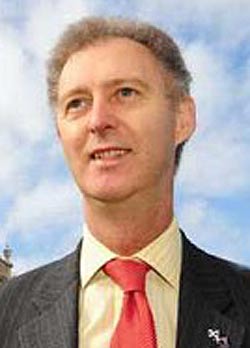
Represented by
George Fergusson
Governor since 23 May 2012
George Fergusson
Governor since 23 May 2012
| Click map for larger view |
| Click flag for Country Report |




| ILLICIT DRUGS |
None reported.