| FRENCH GUIANA Department of Guiana Guyane (Overseas department of France) Joined United Nations: 24 October 1945 Human Rights as assured by their constitution Click here Updated 10 July 2012 |
| CAPITAL |
| POPULATION |
| CHIEF OF STATE |
| SELECTION PROCESS |
Cayenne
236,250 (January 2011 est.)
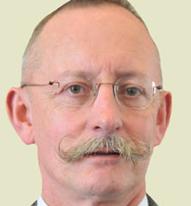
Francois Hollande
President of France since 15 May 2012
President of France since 15 May 2012
French president elected by popular vote for a five-year term;
prefect appointed by the French president on the advice of the
French Ministry of Interior. Election last held 16 May 2007;
Next scheduled election: first round April 2012, second
round May 2012
prefect appointed by the French president on the advice of the
French Ministry of Interior. Election last held 16 May 2007;
Next scheduled election: first round April 2012, second
round May 2012
HEAD OF GOVERNMENT
SELECTION PROCESS
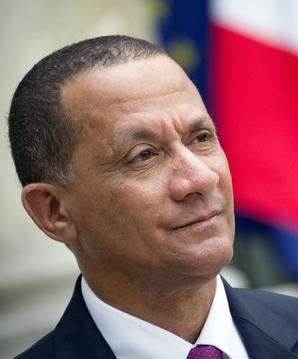
Alain Tien-Liong
President of the General Council
since 20 March 2008
President of the General Council
since 20 March 2008
Presidents of the General and Regional Councils are appointed
by the members of those councils
by the members of those councils
| DECLARATION OF HUMAN RIGHTS |
| ETHNIC GROUPS |
Black or mulatto 66%, white 12%, East Indian, Chinese, Amerindian 12%, other 10%
| RELIGIONS |
Roman Catholic
| GOVERNMENT STRUCTURE |
Overseas Department of France- No administrative divisions. Legal system is based on French civil law system with
indigenous concepts; review of administrative but not legislative acts
Executive: President of France popularly elected for five year term represented by prefect, Presidents of General Council
and Regional Councils appointed by members of councils; Election last held 22 April and 6 May 2012 ; Next scheduled
election: first round 2017
Legislative: unicameral General Council or Conseil General (19 seats; members are elected by popular vote to serve
six-year terms) and a unicameral Regional Council or Conseil Regional (31 seats; members are elected by popular
vote to serve six-year terms)
Elections: General Council - last held in March 2008 (next to be held March 2016); Regional Council - last held 26
March 2010 (next to be held in 2016)
Judicial: Court of Appeals or Cour d'Appel (highest local court based in Martinique with jurisdiction over
Martinique, Guadeloupe, and French Guiana)
indigenous concepts; review of administrative but not legislative acts
Executive: President of France popularly elected for five year term represented by prefect, Presidents of General Council
and Regional Councils appointed by members of councils; Election last held 22 April and 6 May 2012 ; Next scheduled
election: first round 2017
Legislative: unicameral General Council or Conseil General (19 seats; members are elected by popular vote to serve
six-year terms) and a unicameral Regional Council or Conseil Regional (31 seats; members are elected by popular
vote to serve six-year terms)
Elections: General Council - last held in March 2008 (next to be held March 2016); Regional Council - last held 26
March 2010 (next to be held in 2016)
Judicial: Court of Appeals or Cour d'Appel (highest local court based in Martinique with jurisdiction over
Martinique, Guadeloupe, and French Guiana)
| LANGUAGES |
French, French Guiana creole, Amerindian languages (Arawak, Palijur, Kali'na, Wayana, Wayampi, Emerillon),
Maroon dialects (Saramaka, Paramaccan, Aluku, Ndyuka),Hmong Njua, Portuguese, Hakka, Haitian Creole,
Spanish, Dutch and English
Maroon dialects (Saramaka, Paramaccan, Aluku, Ndyuka),Hmong Njua, Portuguese, Hakka, Haitian Creole,
Spanish, Dutch and English
| BRIEF HISTORY |
The Arawak Indians are the people first known to inhabit French Guiana. The next major waves of people were the
Caribs. These peoples came from the Amazon and traveled to the Antilles (most of the islands of the West Indies). The
Caribs displaced many of the Arawak. During the age of discovery and Christopher Columbus's journeys, the Caribs
were still traveling through the Caribbean. The French were the first Europeans to settle in French Guiana. They arrived
in the early 1600s, when many of the European powers were colonizing the Americas and looking for the lost city of
gold, El Dorado. Between the climate and Indian attacks, the first settlement was a failure. In 1634 the French settled
again, and this time they did not leave. Cayenne was founded as the capital some time later, and it has remained the
country's largest city. Plantations were established in parts of the land, forming an economic base. Following a series of
agricultural failures and culminating with the abolition of slavery in 1848, most of the plantations closed. One of the
agricultural settlements located in Kourou became the infamous Devil's Island penal colony. France had sent many
political prisoners to French Guiana during the French Revolution; now the most hardened and notorious criminals and
dissidents were also sent over the ocean to the penal colony. In nearly one hundred years of operation, Devil's Island
received more than seventy thousand prisoners. All camps were closed in 1945. French Guiana became an overseas
département of France on 19 March 1946. Twenty years later Kourou was once again in the spotlight of France and
receiving its people. This time, however, scientists—not prisoners—were arriving, to construct and operate the
European Space Agency's rocket-launching center.. The 1970s saw the settlement of Hmong refugees from Laos in the
county, primarily to the towns of Javouhuy and Cacao. The Green Plan (Plan Vert) of 1976 aimed to improve
agricultural production, though it had only limited success. A movement for increased autonomy from France gained
momentum in the 70's and 80's, along with the increasing success of the Parti Socialiste Guyanais. The 1980s saw the
rise of a pro-independence party, but ultimately the group lost power because the majority of French Guianese support
being a part of France. Modern French Guiana is a land of idiosyncrasies, where European Space Agency satellite
launches rattle the market gardens of displaced Hmong farmers from Laos, and thinly populated rainforests swallow
nearly all but the country's coastline.
Sources: Every Culture; Wikipedia: History of French Guiana;
Caribs. These peoples came from the Amazon and traveled to the Antilles (most of the islands of the West Indies). The
Caribs displaced many of the Arawak. During the age of discovery and Christopher Columbus's journeys, the Caribs
were still traveling through the Caribbean. The French were the first Europeans to settle in French Guiana. They arrived
in the early 1600s, when many of the European powers were colonizing the Americas and looking for the lost city of
gold, El Dorado. Between the climate and Indian attacks, the first settlement was a failure. In 1634 the French settled
again, and this time they did not leave. Cayenne was founded as the capital some time later, and it has remained the
country's largest city. Plantations were established in parts of the land, forming an economic base. Following a series of
agricultural failures and culminating with the abolition of slavery in 1848, most of the plantations closed. One of the
agricultural settlements located in Kourou became the infamous Devil's Island penal colony. France had sent many
political prisoners to French Guiana during the French Revolution; now the most hardened and notorious criminals and
dissidents were also sent over the ocean to the penal colony. In nearly one hundred years of operation, Devil's Island
received more than seventy thousand prisoners. All camps were closed in 1945. French Guiana became an overseas
département of France on 19 March 1946. Twenty years later Kourou was once again in the spotlight of France and
receiving its people. This time, however, scientists—not prisoners—were arriving, to construct and operate the
European Space Agency's rocket-launching center.. The 1970s saw the settlement of Hmong refugees from Laos in the
county, primarily to the towns of Javouhuy and Cacao. The Green Plan (Plan Vert) of 1976 aimed to improve
agricultural production, though it had only limited success. A movement for increased autonomy from France gained
momentum in the 70's and 80's, along with the increasing success of the Parti Socialiste Guyanais. The 1980s saw the
rise of a pro-independence party, but ultimately the group lost power because the majority of French Guianese support
being a part of France. Modern French Guiana is a land of idiosyncrasies, where European Space Agency satellite
launches rattle the market gardens of displaced Hmong farmers from Laos, and thinly populated rainforests swallow
nearly all but the country's coastline.
Sources: Every Culture; Wikipedia: History of French Guiana;
| ECONOMIC OVERVIEW |
The economy of French Guiana is tied closely to that of France through subsidies and imports. Besides the French
space center at Kourou, fishing and forestry are the most important economic activities. The large reserves of tropical
hardwoods, not fully exploited, support an expanding sawmill industry which provides sawn logs for export. Cultivation
of crops is limited to the coastal area, where the population is largely concentrated; rice and manioc are the major
crops. French Guiana is heavily dependent on imports of food and energy. Unemployment is a serious problem,
particularly among younger workers.
Source: Wikipedia: Economy of French Guiana
space center at Kourou, fishing and forestry are the most important economic activities. The large reserves of tropical
hardwoods, not fully exploited, support an expanding sawmill industry which provides sawn logs for export. Cultivation
of crops is limited to the coastal area, where the population is largely concentrated; rice and manioc are the major
crops. French Guiana is heavily dependent on imports of food and energy. Unemployment is a serious problem,
particularly among younger workers.
Source: Wikipedia: Economy of French Guiana
| POLITICAL CLIMATE |
French Guiana, as part of France, is part of the European Union, the largest landmass for an area outside of Europe
(since Greenland left the European Community in 1985), with one of the longest EU external boundaries. Along with
the Spanish enclaves in Africa of Ceuta and Melilla, it is one of only three European Union territories outside Europe
that is not an island. As an integral part of France, its head of state is the President of the French Republic, and its head
of Government is the Prime Minister of France. The French Government and its agencies have responsibility for a wide
range of issues that are reserved to the National Executive, such as defense and external relations.
The President of France appoints a Prefect (resident at the Prefecture building in Cayenne) as his representative to
head the local government of French Guiana. There are two legislative bodies: the 19-member General Council and the
34-member Regional Council, both elected.
French Guiana sends two deputies to the French National Assembly, one representing the commune (municipality) of
Cayenne and the commune of Macouria, and the other representing the rest of French Guiana. This latter constituency
is the largest in the French Republic by land area. French Guiana also sends one senator to the French Senate.
French Guiana has traditionally been conservative[clarification needed], though the socialist party has been increasingly
successful in recent years.
A chronic issue affecting French Guiana is the influx of illegal immigrants and clandestine gold prospectors from Brazil
and Suriname. The border between the department and Suriname is formed by the Maroni River, which flows through
rain forest and is difficult for the Gendarmerie and the French Foreign Legion to patrol. The border line with Suriname
is disputed.
(since Greenland left the European Community in 1985), with one of the longest EU external boundaries. Along with
the Spanish enclaves in Africa of Ceuta and Melilla, it is one of only three European Union territories outside Europe
that is not an island. As an integral part of France, its head of state is the President of the French Republic, and its head
of Government is the Prime Minister of France. The French Government and its agencies have responsibility for a wide
range of issues that are reserved to the National Executive, such as defense and external relations.
The President of France appoints a Prefect (resident at the Prefecture building in Cayenne) as his representative to
head the local government of French Guiana. There are two legislative bodies: the 19-member General Council and the
34-member Regional Council, both elected.
French Guiana sends two deputies to the French National Assembly, one representing the commune (municipality) of
Cayenne and the commune of Macouria, and the other representing the rest of French Guiana. This latter constituency
is the largest in the French Republic by land area. French Guiana also sends one senator to the French Senate.
French Guiana has traditionally been conservative[clarification needed], though the socialist party has been increasingly
successful in recent years.
A chronic issue affecting French Guiana is the influx of illegal immigrants and clandestine gold prospectors from Brazil
and Suriname. The border between the department and Suriname is formed by the Maroni River, which flows through
rain forest and is difficult for the Gendarmerie and the French Foreign Legion to patrol. The border line with Suriname
is disputed.
| INTERNATIONAL DISPUTES |
Suriname claims area between Riviere Litani and Riviere Marouini (both headwaters of the Lawa) in French Guiana


| REFUGEES AND INTERNALLY DISPLACED PERSONS (IDP) |
None reported.
| ILLICIT DRUGS |
Small amount of marijuana grown for local consumption; minor transshipment point to Europe
| HUMAN RIGHTS STATEMENTS, ANALYSIS AND CRITIQUES |
2011 Human Rights Report: France (including French Guiana)
Bureau of Democracy, Human Rights, and Labor
2011 Country Reports on Human Rights Practices
May 25, 2012
France is a multiparty constitutional democracy. The president of the republic is elected by popular vote for a five-year term.
Nicolas Sarkozy is the incumbent. The upper house (Senate) of the bicameral parliament is elected indirectly through an electoral
college, while the lower house (National Assembly) is elected directly. Elections for seats in the National Assembly and for the
presidency in 2007 and for seats in the Senate in 2011 were considered free and fair. The Union for a Popular Movement (UMP) is
the majority party in parliament. Security forces reported to civilian authorities.
Note: The country includes 11 overseas administrative divisions that are covered in this report. Four overseas territories in French
Guiana, Guadeloupe, Martinique, and Reunion, have the same political status as the 22 metropolitan regions and 101 departments on
the mainland. Five divisions are overseas “collectivities”: French Polynesia, Saint-Barthelemy, Saint-Martin, Saint-Pierre and
Miquelon, and Wallis and Futuna. New Caledonia is a special overseas collectivity with a unique, semiautonomous status between
an independent country and an overseas department. Mayotte became the 101st department on March 31, 2011. Citizens of these
territories periodically elect deputies and senators to represent them in parliament, like the other overseas regions and departments.
Click here to read more »
Bureau of Democracy, Human Rights, and Labor
2011 Country Reports on Human Rights Practices
May 25, 2012
France is a multiparty constitutional democracy. The president of the republic is elected by popular vote for a five-year term.
Nicolas Sarkozy is the incumbent. The upper house (Senate) of the bicameral parliament is elected indirectly through an electoral
college, while the lower house (National Assembly) is elected directly. Elections for seats in the National Assembly and for the
presidency in 2007 and for seats in the Senate in 2011 were considered free and fair. The Union for a Popular Movement (UMP) is
the majority party in parliament. Security forces reported to civilian authorities.
Note: The country includes 11 overseas administrative divisions that are covered in this report. Four overseas territories in French
Guiana, Guadeloupe, Martinique, and Reunion, have the same political status as the 22 metropolitan regions and 101 departments on
the mainland. Five divisions are overseas “collectivities”: French Polynesia, Saint-Barthelemy, Saint-Martin, Saint-Pierre and
Miquelon, and Wallis and Futuna. New Caledonia is a special overseas collectivity with a unique, semiautonomous status between
an independent country and an overseas department. Mayotte became the 101st department on March 31, 2011. Citizens of these
territories periodically elect deputies and senators to represent them in parliament, like the other overseas regions and departments.
Click here to read more »
30 April 2012
Human Rights Council
Expert Mechanism on the Rights of Indigenous Peoples
Fifth session
9-13 July 2012
Expert Mechanism on the Rights of Indigenous Peoples:
Summary of responses from the questionnaire seeking the views of States on best practices regarding possible
appropriate measures and implementation strategies in order to attain the goals of the United Nations Declaration on the
Rights of Indigenous Peoples
Summary
This report summarizes responses from States to the questionnaire seeking their views on best practices regarding possible
appropriate measures and implementation strategies in order to attain the goals of the United Nations Declaration on the Rights of
Indigenous Peoples as requested by the Human Rights Council in its resolution 18/8 of 29 September 2011.
23. France indicated that in its department of French Guiana an advisory board of Amerindians and Bushinengué was established in
2010. The regional councils and the general council consult this board on any plans or proposals which may affect the environment
or the cultural activities of the Amerindians and Bushinengué.
37. France identified the creation of the Guyana Amazonian Park in French Guiana as providing protection to indigenous peoples in
the area to maintain and preserve their subsistence practices, as well as preserving the natural resources they exploit.
Click here to read more »
Human Rights Council
Expert Mechanism on the Rights of Indigenous Peoples
Fifth session
9-13 July 2012
Expert Mechanism on the Rights of Indigenous Peoples:
Summary of responses from the questionnaire seeking the views of States on best practices regarding possible
appropriate measures and implementation strategies in order to attain the goals of the United Nations Declaration on the
Rights of Indigenous Peoples
Summary
This report summarizes responses from States to the questionnaire seeking their views on best practices regarding possible
appropriate measures and implementation strategies in order to attain the goals of the United Nations Declaration on the Rights of
Indigenous Peoples as requested by the Human Rights Council in its resolution 18/8 of 29 September 2011.
23. France indicated that in its department of French Guiana an advisory board of Amerindians and Bushinengué was established in
2010. The regional councils and the general council consult this board on any plans or proposals which may affect the environment
or the cultural activities of the Amerindians and Bushinengué.
37. France identified the creation of the Guyana Amazonian Park in French Guiana as providing protection to indigenous peoples in
the area to maintain and preserve their subsistence practices, as well as preserving the natural resources they exploit.
Click here to read more »
No reports from Freedom House mentioning French Guiana after exhaustive search of their data base. Please forward
any information you may have regarding Freedom House efforts on behalf of French Guiana to the Pax Gaea World
Report editor at the link below.
Contact the Editor »
any information you may have regarding Freedom House efforts on behalf of French Guiana to the Pax Gaea World
Report editor at the link below.
Contact the Editor »
Summit of the Americas fails to address human rights
20 April 2009
The fifth Summit of the Americas has failed to recognize that human rights must be placed at the centre of efforts to confront the
many fundamental challenges facing the region.
Governments from every country in the Americas, except for Cuba, took part in the four-yearly meeting held in Port of Spain,
Trinidad and Tobago, between 17 and 19 April.
The 34 heads of state and government discussed the Summit's three principal themes: human prosperity, energy security and
environmental sustainability.
The Declaration of Commitment of Port of Spain was adopted by consensus at the close of the Summit on 19 April. Based on the
three themes, the Declaration fails to lay out a clear human rights framework for progress in these areas.
Amnesty International delegates at the Summit urged the governments of the region to make a firm commitment to ensuring that all
measures taken in response to the current global economic crisis fully conform to their human rights obligations. But the
recognition in the Declaration of the responsibility governments have to address the crisis does not acknowledge human rights at all.
Amnesty International had made a number of recommendations as to ways in which an earlier draft of the Declaration needed to be
strengthened with regard to human rights. The organization said it was disappointed that there were no such improvements in the
final Declaration.
"Governments must unequivocally agree that human rights obligations will guide their efforts to address the economic crisis,” said
Alex Neve. “If not, there is a very real risk that both the crisis and the response to it will deepen inequalities and lead to widespread
violations of the rights of marginalized sectors of society in the Americas."
Amnesty International said that it was also deeply concerned that the Summit process excluded important voices from being heard
in a meaningful way, particularly Indigenous Peoples. Indigenous Peoples, organizing the third Indigenous Leaders Summit of the
Americas, had been forced to hold their gathering in Panama after being told that it would not be possible to find a venue in
Trinidad and Tobago.
Click here to read more »
20 April 2009
The fifth Summit of the Americas has failed to recognize that human rights must be placed at the centre of efforts to confront the
many fundamental challenges facing the region.
Governments from every country in the Americas, except for Cuba, took part in the four-yearly meeting held in Port of Spain,
Trinidad and Tobago, between 17 and 19 April.
The 34 heads of state and government discussed the Summit's three principal themes: human prosperity, energy security and
environmental sustainability.
The Declaration of Commitment of Port of Spain was adopted by consensus at the close of the Summit on 19 April. Based on the
three themes, the Declaration fails to lay out a clear human rights framework for progress in these areas.
Amnesty International delegates at the Summit urged the governments of the region to make a firm commitment to ensuring that all
measures taken in response to the current global economic crisis fully conform to their human rights obligations. But the
recognition in the Declaration of the responsibility governments have to address the crisis does not acknowledge human rights at all.
Amnesty International had made a number of recommendations as to ways in which an earlier draft of the Declaration needed to be
strengthened with regard to human rights. The organization said it was disappointed that there were no such improvements in the
final Declaration.
"Governments must unequivocally agree that human rights obligations will guide their efforts to address the economic crisis,” said
Alex Neve. “If not, there is a very real risk that both the crisis and the response to it will deepen inequalities and lead to widespread
violations of the rights of marginalized sectors of society in the Americas."
Amnesty International said that it was also deeply concerned that the Summit process excluded important voices from being heard
in a meaningful way, particularly Indigenous Peoples. Indigenous Peoples, organizing the third Indigenous Leaders Summit of the
Americas, had been forced to hold their gathering in Panama after being told that it would not be possible to find a venue in
Trinidad and Tobago.
Click here to read more »
SURINAME
Human Rights Developments
Political life in Suriname
1992
Due to the fighting, thousands of Maroons (descendants of escaped slaves) and Amerindians have fled the interior to Paramaribo,
other parts of Suriname, and neighboring French Guiana. Thousands of refugees are currently in camps in French Guiana.
In July 1989, the Jungle Command reached a peace agreement with the civilian government. However, in an indication of the
civilian government's relative power, Colonel Bouterse effectively shelved the agreement by denouncing it as
unconstitutional. Although former elements of the Jungle Command insurgency are now allied with the army, with the remaining
active insurgents mostly in French Guiana, Colonel Bouterse has cited a supposed continuing insurgent threat to justify an ongoing
military presence in the interior. The presence facilitates military involvement in drug trafficking which, considerable evidence
shows, has grown rapidly in the last three years. Because military personnel are exempt from the jurisdiction of the civilian police
or courts, army traffickers, as well as military abusers of human rights, have enjoyed total impunity.
Click here to read more>>
Human Rights Developments
Political life in Suriname
1992
Due to the fighting, thousands of Maroons (descendants of escaped slaves) and Amerindians have fled the interior to Paramaribo,
other parts of Suriname, and neighboring French Guiana. Thousands of refugees are currently in camps in French Guiana.
In July 1989, the Jungle Command reached a peace agreement with the civilian government. However, in an indication of the
civilian government's relative power, Colonel Bouterse effectively shelved the agreement by denouncing it as
unconstitutional. Although former elements of the Jungle Command insurgency are now allied with the army, with the remaining
active insurgents mostly in French Guiana, Colonel Bouterse has cited a supposed continuing insurgent threat to justify an ongoing
military presence in the interior. The presence facilitates military involvement in drug trafficking which, considerable evidence
shows, has grown rapidly in the last three years. Because military personnel are exempt from the jurisdiction of the civilian police
or courts, army traffickers, as well as military abusers of human rights, have enjoyed total impunity.
Click here to read more>>
Voters in Martinique, French Guiana Reject Efforts to Reduce French Control
11 January 2010
Those supporting greater autonomy for France's overseas departments of Martinique and French Guiana are voicing
disappointment after voters rejected the drive in referendums.
Voters in Martinique and French Guiana resoundingly rejected efforts to reduce French control of the two overseas departments.
Results from Sunday's referendums showed that nearly 79 percent of Martinique residents and almost 70 percent of those in
French Guiana voted against greater autonomy.
In a statement, French President Nicolas Sarkozy hailed the outcome, saying it reflected the strong ties between the territories and
metropolitan France. Both Martinique, in the Caribbean, and South America's French Guiana were granted French department
status, when Paris relinquished total control more than half a century ago.
Champions of greater autonomy have argued it would allow the territories greater say in key issues like development, education and
employment. And some - like politician Alfred Marie-Jeanne, a leader of Martinique's independence movement -- voiced deep
disappointment at the results.
In remarks broadcast on French radio, Marie-Jeanne said the loser of the referendum was Martinique -- and that the vote reflected
people's fears, not their aspirations.
But others, like Chantal Meignan, a senior member of Mr. Sarkozy's ruling UMP party in Martinique, said the vote marked a victory
for the population.
Meignan told French radio the Martinique residents had other concerns than wanting more autonomy. She says the next step is to
simplify administration procedures for the territories. Voters in both departments will vote on that measure in separate referendums,
later this month.
The referendums come a year after Martinique and another overseas French territory, Reunion, were rocked by violent protests and
strikes caused by low wages and high prices. Unemployment in France's overseas territories is generally far higher than in mainland
France. Reports show food and fuel are also more expensive - despite government efforts to cut prices.
Click here to read more »
11 January 2010
Those supporting greater autonomy for France's overseas departments of Martinique and French Guiana are voicing
disappointment after voters rejected the drive in referendums.
Voters in Martinique and French Guiana resoundingly rejected efforts to reduce French control of the two overseas departments.
Results from Sunday's referendums showed that nearly 79 percent of Martinique residents and almost 70 percent of those in
French Guiana voted against greater autonomy.
In a statement, French President Nicolas Sarkozy hailed the outcome, saying it reflected the strong ties between the territories and
metropolitan France. Both Martinique, in the Caribbean, and South America's French Guiana were granted French department
status, when Paris relinquished total control more than half a century ago.
Champions of greater autonomy have argued it would allow the territories greater say in key issues like development, education and
employment. And some - like politician Alfred Marie-Jeanne, a leader of Martinique's independence movement -- voiced deep
disappointment at the results.
In remarks broadcast on French radio, Marie-Jeanne said the loser of the referendum was Martinique -- and that the vote reflected
people's fears, not their aspirations.
But others, like Chantal Meignan, a senior member of Mr. Sarkozy's ruling UMP party in Martinique, said the vote marked a victory
for the population.
Meignan told French radio the Martinique residents had other concerns than wanting more autonomy. She says the next step is to
simplify administration procedures for the territories. Voters in both departments will vote on that measure in separate referendums,
later this month.
The referendums come a year after Martinique and another overseas French territory, Reunion, were rocked by violent protests and
strikes caused by low wages and high prices. Unemployment in France's overseas territories is generally far higher than in mainland
France. Reports show food and fuel are also more expensive - despite government efforts to cut prices.
Click here to read more »
TRANSLATED FROM FRENCH BY GOOGLE TRANSLATE
10/2011 -
Discovery of a protein that protects the brain against mercury (from the journal Science Toxigical)
The National Institute of Health and Biomedical Research (INSERM), in collaboration with Japanese researchers (IMD) and the
University of Bordeaux 1-CNRS, studied in mice the mechanisms involved in neurotoxicity of a derivative of mercury (found in fish
including the Upper Maroni impregnated with mercury) on the nervous system, and the ability to block its effects by small proteins
called chemokines, known to play a role in the maturation and migration of leukocytes during an infection.
In a first time, scientists have observed during three months the effects of a diet of toxic fish food everyday population of Indians
living in Guyana Wayana (see excerpt of the study). They quickly showed that contaminated feed resulted in a loss of 30% of brain
nerve cells. These data confirm what has been observed in indigenous populations.
In a second step, the researchers showed that the presence of mercury compounds in the body resulted in the reduction of the type
of chemokine CCL2 in the cortex, allowing the heavy metal to attack neuronal cells more easily. They found that mice lacking the
gene previously encoding these proteins, the loss of neural cells in the cortex was faster. All these data suggest that chemokines,
and specifically, CCL2, play a protective role in neurons which are themselves capable of producing.
This work will lead to the development of new therapeutic methods for reducing, if any, damage caused by a diet laden with heavy
metals.
ASG Comments: this confirms the many findings on neurological problems identified in children Wayana (with neurological
sequelae and physical). Similarly, in recent years among adults Wayana, pathologies of the digestive tract and multiply the result
mostly of cancer. See the return on this website abnormal levels of mercury in the Indian High Maroni during our multiple studies
(annual since 2004).
07/2011 - The mercury levels are still unacceptably high in the villages of Upper Maroni Wayana due to activity of illegal miners still
very important (despite Harpy). Some children have Cayodé mercury levels pose a serious risk to their health, for example rates of
16.5 and 19.7 ppm for children 10 and 2 years were identified, 4 times the maximum threshold EFSA (samples in July 2011 made
by us and analyzed by the IMD - Japan).
Click here to read more »
10/2011 -
Discovery of a protein that protects the brain against mercury (from the journal Science Toxigical)
The National Institute of Health and Biomedical Research (INSERM), in collaboration with Japanese researchers (IMD) and the
University of Bordeaux 1-CNRS, studied in mice the mechanisms involved in neurotoxicity of a derivative of mercury (found in fish
including the Upper Maroni impregnated with mercury) on the nervous system, and the ability to block its effects by small proteins
called chemokines, known to play a role in the maturation and migration of leukocytes during an infection.
In a first time, scientists have observed during three months the effects of a diet of toxic fish food everyday population of Indians
living in Guyana Wayana (see excerpt of the study). They quickly showed that contaminated feed resulted in a loss of 30% of brain
nerve cells. These data confirm what has been observed in indigenous populations.
In a second step, the researchers showed that the presence of mercury compounds in the body resulted in the reduction of the type
of chemokine CCL2 in the cortex, allowing the heavy metal to attack neuronal cells more easily. They found that mice lacking the
gene previously encoding these proteins, the loss of neural cells in the cortex was faster. All these data suggest that chemokines,
and specifically, CCL2, play a protective role in neurons which are themselves capable of producing.
This work will lead to the development of new therapeutic methods for reducing, if any, damage caused by a diet laden with heavy
metals.
ASG Comments: this confirms the many findings on neurological problems identified in children Wayana (with neurological
sequelae and physical). Similarly, in recent years among adults Wayana, pathologies of the digestive tract and multiply the result
mostly of cancer. See the return on this website abnormal levels of mercury in the Indian High Maroni during our multiple studies
(annual since 2004).
07/2011 - The mercury levels are still unacceptably high in the villages of Upper Maroni Wayana due to activity of illegal miners still
very important (despite Harpy). Some children have Cayodé mercury levels pose a serious risk to their health, for example rates of
16.5 and 19.7 ppm for children 10 and 2 years were identified, 4 times the maximum threshold EFSA (samples in July 2011 made
by us and analyzed by the IMD - Japan).
Click here to read more »
TRANSLATED FROM FRENCH BY GOOGLE TRANSLATE
Open letter addressed to inter-association the Prefect of French Guiana.
Cayenne, February 3, 2012
Subject: Open letter to the Prefect for the application of the rights of foreigners held in detention
Mr. Reeve,
On Friday, January 20, 2012, Cimade witnessed the deportation of three conditions which reveal serious violations of the rights of
detainees, and in particular their right to asylum.
Brought the evening to the detention center (ARC), three foreign nationals were returned to Suriname the following morning at
8:30, even though they had expressed their willingness upstream to seek asylum. This information was sent to police officers
responsible for transmitting to the prefecture of Guyana.
The law allows anyone to make an asylum application within 5 days of arrival at detention center. Their asylum claim should have
been taken into account and suspended pending their deportation response OFPRA (French Office for the Protection of Refugees
and Stateless Persons) upon request. These people have been renewed in violation of asylum.
Beyond these special cases, Cimade has already asked your services on a regular presence in detention of asylum seekers, however,
protected by statute against a deportation order. These illegal practices violate the constitutional right of asylum which has been
recognized as a fundamental freedom by the State Council.
Our associations require you to take all measures necessary to ensure that asylum is respected.
This situation also highlights the difficulties faced by retained to enforce their rights if their continued detention takes place most
often the night before their early start, with no real opportunity to interview or with the medical, social and CRA legal nor a lawyer.
Until now, multiple alerts Cimade with the border police to ensure hours of arrival at ARC compatible with an effective exercise of
rights guaranteed in principle by the texts, were not followed by effects.
Our associations require you to take the necessary measures so that people have chosen, as provided by law, the possibility to seek
remedies and can benefit from medical and social.
Moreover, these three persons were extended to Suriname that it was even recognized another nationality. The deportation of third
country nationals to Suriname is bordered by no readmission agreement in force and therefore can not be legally organized. Yet this
practice has been going regularly the CRA.
Click here to read more »
Open letter addressed to inter-association the Prefect of French Guiana.
Cayenne, February 3, 2012
Subject: Open letter to the Prefect for the application of the rights of foreigners held in detention
Mr. Reeve,
On Friday, January 20, 2012, Cimade witnessed the deportation of three conditions which reveal serious violations of the rights of
detainees, and in particular their right to asylum.
Brought the evening to the detention center (ARC), three foreign nationals were returned to Suriname the following morning at
8:30, even though they had expressed their willingness upstream to seek asylum. This information was sent to police officers
responsible for transmitting to the prefecture of Guyana.
The law allows anyone to make an asylum application within 5 days of arrival at detention center. Their asylum claim should have
been taken into account and suspended pending their deportation response OFPRA (French Office for the Protection of Refugees
and Stateless Persons) upon request. These people have been renewed in violation of asylum.
Beyond these special cases, Cimade has already asked your services on a regular presence in detention of asylum seekers, however,
protected by statute against a deportation order. These illegal practices violate the constitutional right of asylum which has been
recognized as a fundamental freedom by the State Council.
Our associations require you to take all measures necessary to ensure that asylum is respected.
This situation also highlights the difficulties faced by retained to enforce their rights if their continued detention takes place most
often the night before their early start, with no real opportunity to interview or with the medical, social and CRA legal nor a lawyer.
Until now, multiple alerts Cimade with the border police to ensure hours of arrival at ARC compatible with an effective exercise of
rights guaranteed in principle by the texts, were not followed by effects.
Our associations require you to take the necessary measures so that people have chosen, as provided by law, the possibility to seek
remedies and can benefit from medical and social.
Moreover, these three persons were extended to Suriname that it was even recognized another nationality. The deportation of third
country nationals to Suriname is bordered by no readmission agreement in force and therefore can not be legally organized. Yet this
practice has been going regularly the CRA.
Click here to read more »


Represented by
Denis Labbe
Prefect since 13 May 2011
Denis Labbe
Prefect since 13 May 2011
Rodolphe Alexandre
President of the Regional Council
since 26 March 2010
President of the Regional Council
since 26 March 2010

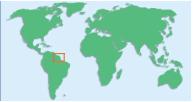
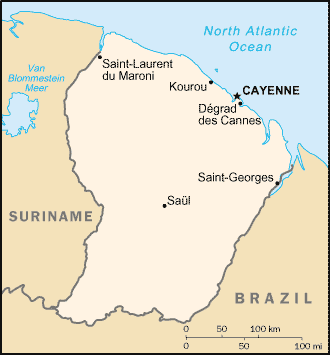
Click on map for larger view
Click on flag for Country Report



| TRAFFICKING IN PERSONS |
Women and children from Brazil were subjected to forced labor and forced prostitution in the French overseas territory
of French Guiana. There are also a number of young women in prostitution from Haiti, Suriname, and the Dominican
Republic in French Guiana, some of whom may be vulnerable to trafficking. The French government investigated the
existence of forced labor and forced prostitution occurring in gold mining sites in French Guiana in 2009, initiating 17
legal proceedings and arresting two trafficking offenders in French Guiana during the reporting period
of French Guiana. There are also a number of young women in prostitution from Haiti, Suriname, and the Dominican
Republic in French Guiana, some of whom may be vulnerable to trafficking. The French government investigated the
existence of forced labor and forced prostitution occurring in gold mining sites in French Guiana in 2009, initiating 17
legal proceedings and arresting two trafficking offenders in French Guiana during the reporting period