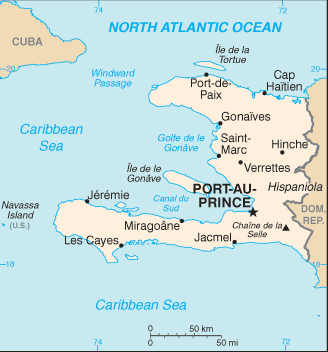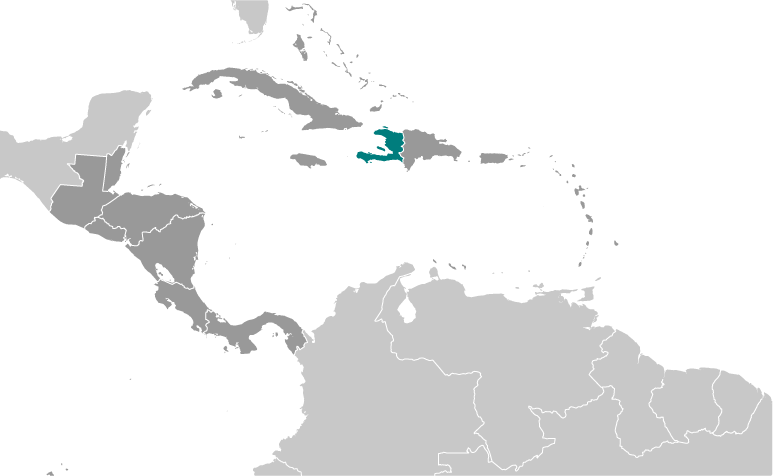

| HAITI Republic of Haiti Republique d'Haiti/Repiblik d' Ayiti Joined United Nations: 24 October 1945 Human Rights as assured by their constitution Click here Updated 16 December 2012 |

| CAPITAL |
| POPULATION |
| CHIEF OF STATE |
| SELECTION PROCESS |
Port-au-Prince
9,801,664
note: estimates for this country explicitly take into account the effects of excess mortality
due to AIDS; this can result in lower life expectancy, higher infant mortality and death
rates, lower population and growth rates, and changes in the distribution of population by
age and sex than would otherwise be expected (July 2012 est.)
note: estimates for this country explicitly take into account the effects of excess mortality
due to AIDS; this can result in lower life expectancy, higher infant mortality and death
rates, lower population and growth rates, and changes in the distribution of population by
age and sex than would otherwise be expected (July 2012 est.)
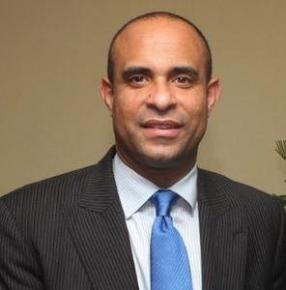
Laurent Lamothe
Prime Minister since 16 May 2012
Prime Minister since 16 May 2012
President elected by popular vote for a five-year term (may not
serve consecutive terms); election last held 28 November 2010;
runoff on 20 March 2011
Next scheduled election: 2015
serve consecutive terms); election last held 28 November 2010;
runoff on 20 March 2011
Next scheduled election: 2015
HEAD OF GOVERNMENT
SELECTION PROCESS
Prime minister appointed by the president, ratified by the
National Assembly
National Assembly
| DECLARATION OF HUMAN RIGHTS |
| ETHNIC GROUPS |
Black 95%, mulatto and white 5%
| RELIGIONS |
Roman Catholic 80%, Protestant 16% (Baptist 10%, Pentecostal 4%, Adventist 1%, other 1%), none 1%, other 3%
note: roughly half of the population practices voodoo
note: roughly half of the population practices voodoo
| GOVERNMENT STRUCTURE |
Republic with 10 departments (departements, singular - departement); Legal system is based on Roman civil law system; accepts
compulsory ICJ jurisdiction
Executive: President elected by popular vote for a five-year term (may not serve consecutive terms); election last held on 28
November 2010; runoff on 20 March 2011 (next to be held in 2015); prime minister appointed by the president, ratified by the
National Assembly
Legislative: Bicameral National Assembly or Assemblee Nationale consists of the Senate (30 seats; members elected by popular
vote to serve six-year terms; one-third elected every two years) and the Chamber of Deputies (99 seats; members elected by
popular vote to serve four-year terms); note - in reestablishing the Senate in 2006, the candidate in each department receiving the
most votes in the 2006 election serves six years, the candidate with the second most votes serves four years, and the candidate with
the third most votes serves two years
elections: Senate - last held on 28 November 2010 with run-off elections on 20 March 2011 (next regular election, for one third of
seats, to be held in 2012); Chamber of Deputies - last held on 28 November 2010 with run-off elections on 20 March 2011 (next
regular election to be held in 2014)
Judicial: Supreme Court or Cour de Cassation
compulsory ICJ jurisdiction
Executive: President elected by popular vote for a five-year term (may not serve consecutive terms); election last held on 28
November 2010; runoff on 20 March 2011 (next to be held in 2015); prime minister appointed by the president, ratified by the
National Assembly
Legislative: Bicameral National Assembly or Assemblee Nationale consists of the Senate (30 seats; members elected by popular
vote to serve six-year terms; one-third elected every two years) and the Chamber of Deputies (99 seats; members elected by
popular vote to serve four-year terms); note - in reestablishing the Senate in 2006, the candidate in each department receiving the
most votes in the 2006 election serves six years, the candidate with the second most votes serves four years, and the candidate with
the third most votes serves two years
elections: Senate - last held on 28 November 2010 with run-off elections on 20 March 2011 (next regular election, for one third of
seats, to be held in 2012); Chamber of Deputies - last held on 28 November 2010 with run-off elections on 20 March 2011 (next
regular election to be held in 2014)
Judicial: Supreme Court or Cour de Cassation
| LANGUAGES |
French (official), Creole (official)
| BRIEF HISTORY |
The recorded history of Haiti began on December 5, 1492 when the European navigator Christopher Columbus happened upon a
large island in the region of the western Atlantic Ocean that later came to be known as the Caribbean Sea. It was inhabited by the
Taíno, an Arawakan people, who variously called their island Ayiti, Bohio or Kiskeya. Columbus promptly claimed the island for
the Spanish Crown, and renamed it La Isla Española ("the Spanish Island"), or Hispañola (later Anglicized as Hispaniola).
Columbus established a small settlement, but, when he returned in 1493, the settlers had disappeared, presumably killed. He
claimed the whole island for Spain, and left his brother Bartholomew Columbus to find a new settlement. Following the arrival of
Europeans, Haiti's indigenous population suffered near-extinction, in possibly the worst case of depopulation in the Americas.
However, a significant number of the Taíno survived and set up villages elsewhere, away from European settlements. Many Taíno
women were captured and raped, setting what would be a large generation of mestizo children. Spanish interest in Hispaniola began
to wane in the 1520s, as more lucrative gold and silver deposits were found in Mexico and South America. Thereafter the
population of Spanish Hispaniola grew slowly. Fearful of pirate attacks the king of Spain in 1606 ordered all colonists on Hispaniola
to move closer to the capital city, Santo Domingo. This backfired, as British, Dutch and French pirates then established bases on
the island's abandoned northern and western coasts. French buccaneers established a settlement on the island of Tortuga in 1625.
They survived by pirating Spanish ships and hunting wild cattle. Although the Spanish destroyed the buccaneers' settlements several
times, on each occasion they returned. The first official settlement on Tortuga was established in 1659 under the commission of King
Louis XIV. In 1664, the newly established French West India Company took control over the colony, which it named
Saint-Domingue, and France formally claimed control of the western portion of the island of Hispaniola. In 1670 they established
the first permanent French settlement on the mainland of Hispaniola, Cap François (later Cap Français, now Cap-Haïtien). Under
the 1697 Treaty of Ryswick, Spain officially ceded the western third of Hispaniola to France. By that time, planters outnumbered
buccaneers and, with the encouragement of Louis XIV, they had begun to grow tobacco, indigo, cotton and cacao on the fertile
northern plain, thus prompting the importation of African slaves. Slave insurrections were frequent and some slaves escaped to the
mountains where they were met by what would be one of the last generations of Taíno natives. After the last Taíno died, the
full-blooded Arawakan population on the island was extinct. The labor for these plantations was provided by an estimated 790,000
African slaves (accounting in 1783-1791 for a third of the entire Atlantic slave trade). African culture thus remained strong among
slaves to the end of French rule, in particular the folk-religion of Vodou, which commingled Catholic liturgy and ritual with the beliefs
and practices of Guinea, Congo and Dahomey. Thousands of slaves found freedom by fleeing into the mountains, forming
communities of maroons and raiding isolated plantations. Saint-Domingue also had the largest and wealthiest free population of
color in the Caribbean, the gens de couleur (French, "people of color"). The outbreak of revolution in France in the summer of 1789
had a powerful effect on the colony. While the French settlers debated how new revolutionary laws would apply to
Saint-Domingue, outright civil war broke out in 1790 when the free men of color claimed they too were French citizens under the
terms of the Declaration of the Rights of Man. On August 22, 1791, slaves in the northern region of the colony staged a revolt that
began the Haitian Revolution. With the colony facing a full-scale invasion by Britain, the rebel slaves emerged as a powerful military
force and successfully drove back the British, By 1798 was the defacto ruler of the colony. In 1802, Napoleon Bonaparte sent a
massive albeit unsuccessful invasion force. Abandoning his dream of a New World empire to concentrate on the war in Europe, in
April, Napoleon signed the Louisiana Purchase, selling France's North American possessions to the United States. The indigenous
army, now led by Dessalines, devastated Rochembeau and the French army at the Battle of Vertières on November 18, 1803. On
January 1, 1804 Dessalines then declared independence, reclaiming the indigenous Taíno name of Haiti ("Land of Mountains") for
the new nation. Most of the remaining French colonists fled ahead of the defeated French army, many migrating to Louisiana. Haiti
is the world's oldest black republic and the second-oldest republic in the Western Hemisphere, after the United States. Although
Haiti actively assisted the independence movements of many Latin American countries -- and secured a promise from the great
liberator, Simon Bolivar, that he would free their slaves after winning independence from Spain -- the nation of former slaves was
excluded from the hemisphere's first regional meeting of independent nations, held in Panama in 1826. Furthermore, owing to
entrenched opposition from Southern slave states, Haiti did not receive U.S. diplomatic recognition until 1862 (after those states
had seceded from the Union) -- largely through the efforts of anti-slavery senator Charles Sumner of Massachusetts. Upon
assuming power, General Dessalines authorized the Constitution of 1804. The Constitution of 1867 saw peaceful and progressive
transitions in government that did much to improve the economy and stability of the Haitian nation and the condition of its people.
Constitutional government restored the faith of the Haitian people in legal institutions. The development of industrial sugar and rum
industries near Port-au-Prince made Haiti, for a while, a model for economic growth in Latin American countries. This period of
relative stability and prosperity ended in 1911 when revolution broke out and the country slid once again into disorder and debt.
The United States was particularly apprehensive about the role of the German community in Haiti (approximately 200 in 1910),
who wielded a disproportionate amount of economic power. Germans controlled about 80 percent of the country's international
commerce. The United States, responding to complaints to President Woodrow Wilson from American banks to which Haiti was
deeply in debt, occupied the country. The occupation of Haiti lasted until 1934. The U.S. occupation was self-interested,
oppressive, sometimes brutal, caused problems that lasted past its lifetime, and never paid any reparations for its crimes. In 1930,
Sténio Vincent, a long-time critic of the occupation, was elected President, and the U.S. began to withdraw its forces. The
withdrawal was completed by Roosevelt, as President, in 1934, under his "Good Neighbor policy". The U.S. retained control of
Haiti's external finances until 1947. After a period of disorder, elections were held in September 1957, which saw Dr François
Duvalier elected President. Duvalier (known as "Papa Doc") soon established another dictatorship. His regime is regarded as one of
the most repressive and corrupt of modern times, combining violence against political opponents with exploitation of Vodou to instil
fear in the majority of the population. In 1964, Duvalier proclaimed himself "President for Life." On Duvalier's death in April 1971,
power passed to his 19-year-old son Jean-Claude Duvalier (known as "Baby Doc"). Widespread discontent in Haiti began in
1983, when Pope John Paul II condemned the regime during a visit, finally provoking a rebellion, and in February 1986, after
months of disorder, the army forced Duvalier to resign and go into exile. A series of provisional governments ensued until the
promulgation of a new constitution in 1987. In December 1990, Jean-Bertrand Aristide, a charismatic Roman Catholic priest, won
67% of the vote in elections that international observers deemed largely free and fair. Aristide's radical populist policies alarmed
many of the country's elite, and, in September 1991, he was overthrown in a violent coup and forced into exile. With pressure from
the United States In October Aristide was able to return. Elections were held in June 1995. Aristide's coalition, the Lavalas
(Waterfall) Political Organization, had a sweeping victory. When Aristide's term ended in February 1996, René Préval, a prominent
Aristide political ally, was elected President with 88% of the vote: this was Haiti's first ever transition between two democratically
elected presidents. Anti-Aristide protests in January 2004 led to violent clashes in Port-au-Prince, causing several deaths. On
February 29, 2004, with rebel contingents marching towards Port-au-Prince, Aristide departed from Haiti. There is controversy
over whether or not he was forced to leave the country by the United States. After Aristide's overthrow, the violence in Haiti
continued, despite the presence of peacekeepers. Préval took office in May 2006 and is the current president of Haiti. The 2010
Haiti earthquake was a catastrophic magnitude 7.0 Mw earthquake, with an epicentre near the town of Léogâne, approximately 25
km (16 miles) west of Port-au-Prince, Haiti's capital. The earthquake occurred at 16:53 local time (21:53 UTC) on Tuesday, 12
January 2010. By 24 January, at least 52 aftershocks measuring 4.5 or greater had been recorded. An estimated three million
people were affected by the quake; the Haitian Government reported that an estimated 230,000 people had died, 300,000 had
been injured and 1,000,000 made homeless. They also estimated that 250,000 residences and 30,000 commercial buildings had
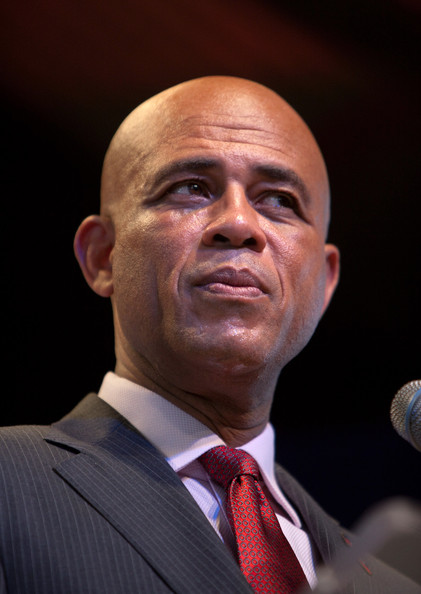
collapsed or were severely damaged. On 4 April 2011, a senior Haitian official announced that Michel Martelly had won the
second round of the election against candidate Mirlande Manigat.[57] Michel Martelly also known by his stage name "Sweet
Micky" is a former musician and businessman.
Source: Wikipedia: History of Haiti
large island in the region of the western Atlantic Ocean that later came to be known as the Caribbean Sea. It was inhabited by the
Taíno, an Arawakan people, who variously called their island Ayiti, Bohio or Kiskeya. Columbus promptly claimed the island for
the Spanish Crown, and renamed it La Isla Española ("the Spanish Island"), or Hispañola (later Anglicized as Hispaniola).
Columbus established a small settlement, but, when he returned in 1493, the settlers had disappeared, presumably killed. He
claimed the whole island for Spain, and left his brother Bartholomew Columbus to find a new settlement. Following the arrival of
Europeans, Haiti's indigenous population suffered near-extinction, in possibly the worst case of depopulation in the Americas.
However, a significant number of the Taíno survived and set up villages elsewhere, away from European settlements. Many Taíno
women were captured and raped, setting what would be a large generation of mestizo children. Spanish interest in Hispaniola began
to wane in the 1520s, as more lucrative gold and silver deposits were found in Mexico and South America. Thereafter the
population of Spanish Hispaniola grew slowly. Fearful of pirate attacks the king of Spain in 1606 ordered all colonists on Hispaniola
to move closer to the capital city, Santo Domingo. This backfired, as British, Dutch and French pirates then established bases on
the island's abandoned northern and western coasts. French buccaneers established a settlement on the island of Tortuga in 1625.
They survived by pirating Spanish ships and hunting wild cattle. Although the Spanish destroyed the buccaneers' settlements several
times, on each occasion they returned. The first official settlement on Tortuga was established in 1659 under the commission of King
Louis XIV. In 1664, the newly established French West India Company took control over the colony, which it named
Saint-Domingue, and France formally claimed control of the western portion of the island of Hispaniola. In 1670 they established
the first permanent French settlement on the mainland of Hispaniola, Cap François (later Cap Français, now Cap-Haïtien). Under
the 1697 Treaty of Ryswick, Spain officially ceded the western third of Hispaniola to France. By that time, planters outnumbered
buccaneers and, with the encouragement of Louis XIV, they had begun to grow tobacco, indigo, cotton and cacao on the fertile
northern plain, thus prompting the importation of African slaves. Slave insurrections were frequent and some slaves escaped to the
mountains where they were met by what would be one of the last generations of Taíno natives. After the last Taíno died, the
full-blooded Arawakan population on the island was extinct. The labor for these plantations was provided by an estimated 790,000
African slaves (accounting in 1783-1791 for a third of the entire Atlantic slave trade). African culture thus remained strong among
slaves to the end of French rule, in particular the folk-religion of Vodou, which commingled Catholic liturgy and ritual with the beliefs
and practices of Guinea, Congo and Dahomey. Thousands of slaves found freedom by fleeing into the mountains, forming
communities of maroons and raiding isolated plantations. Saint-Domingue also had the largest and wealthiest free population of
color in the Caribbean, the gens de couleur (French, "people of color"). The outbreak of revolution in France in the summer of 1789
had a powerful effect on the colony. While the French settlers debated how new revolutionary laws would apply to
Saint-Domingue, outright civil war broke out in 1790 when the free men of color claimed they too were French citizens under the
terms of the Declaration of the Rights of Man. On August 22, 1791, slaves in the northern region of the colony staged a revolt that
began the Haitian Revolution. With the colony facing a full-scale invasion by Britain, the rebel slaves emerged as a powerful military
force and successfully drove back the British, By 1798 was the defacto ruler of the colony. In 1802, Napoleon Bonaparte sent a
massive albeit unsuccessful invasion force. Abandoning his dream of a New World empire to concentrate on the war in Europe, in
April, Napoleon signed the Louisiana Purchase, selling France's North American possessions to the United States. The indigenous
army, now led by Dessalines, devastated Rochembeau and the French army at the Battle of Vertières on November 18, 1803. On
January 1, 1804 Dessalines then declared independence, reclaiming the indigenous Taíno name of Haiti ("Land of Mountains") for
the new nation. Most of the remaining French colonists fled ahead of the defeated French army, many migrating to Louisiana. Haiti
is the world's oldest black republic and the second-oldest republic in the Western Hemisphere, after the United States. Although
Haiti actively assisted the independence movements of many Latin American countries -- and secured a promise from the great
liberator, Simon Bolivar, that he would free their slaves after winning independence from Spain -- the nation of former slaves was
excluded from the hemisphere's first regional meeting of independent nations, held in Panama in 1826. Furthermore, owing to
entrenched opposition from Southern slave states, Haiti did not receive U.S. diplomatic recognition until 1862 (after those states
had seceded from the Union) -- largely through the efforts of anti-slavery senator Charles Sumner of Massachusetts. Upon
assuming power, General Dessalines authorized the Constitution of 1804. The Constitution of 1867 saw peaceful and progressive
transitions in government that did much to improve the economy and stability of the Haitian nation and the condition of its people.
Constitutional government restored the faith of the Haitian people in legal institutions. The development of industrial sugar and rum
industries near Port-au-Prince made Haiti, for a while, a model for economic growth in Latin American countries. This period of
relative stability and prosperity ended in 1911 when revolution broke out and the country slid once again into disorder and debt.
The United States was particularly apprehensive about the role of the German community in Haiti (approximately 200 in 1910),
who wielded a disproportionate amount of economic power. Germans controlled about 80 percent of the country's international
commerce. The United States, responding to complaints to President Woodrow Wilson from American banks to which Haiti was
deeply in debt, occupied the country. The occupation of Haiti lasted until 1934. The U.S. occupation was self-interested,
oppressive, sometimes brutal, caused problems that lasted past its lifetime, and never paid any reparations for its crimes. In 1930,
Sténio Vincent, a long-time critic of the occupation, was elected President, and the U.S. began to withdraw its forces. The
withdrawal was completed by Roosevelt, as President, in 1934, under his "Good Neighbor policy". The U.S. retained control of
Haiti's external finances until 1947. After a period of disorder, elections were held in September 1957, which saw Dr François
Duvalier elected President. Duvalier (known as "Papa Doc") soon established another dictatorship. His regime is regarded as one of
the most repressive and corrupt of modern times, combining violence against political opponents with exploitation of Vodou to instil
fear in the majority of the population. In 1964, Duvalier proclaimed himself "President for Life." On Duvalier's death in April 1971,
power passed to his 19-year-old son Jean-Claude Duvalier (known as "Baby Doc"). Widespread discontent in Haiti began in
1983, when Pope John Paul II condemned the regime during a visit, finally provoking a rebellion, and in February 1986, after
months of disorder, the army forced Duvalier to resign and go into exile. A series of provisional governments ensued until the
promulgation of a new constitution in 1987. In December 1990, Jean-Bertrand Aristide, a charismatic Roman Catholic priest, won
67% of the vote in elections that international observers deemed largely free and fair. Aristide's radical populist policies alarmed
many of the country's elite, and, in September 1991, he was overthrown in a violent coup and forced into exile. With pressure from
the United States In October Aristide was able to return. Elections were held in June 1995. Aristide's coalition, the Lavalas
(Waterfall) Political Organization, had a sweeping victory. When Aristide's term ended in February 1996, René Préval, a prominent
Aristide political ally, was elected President with 88% of the vote: this was Haiti's first ever transition between two democratically
elected presidents. Anti-Aristide protests in January 2004 led to violent clashes in Port-au-Prince, causing several deaths. On
February 29, 2004, with rebel contingents marching towards Port-au-Prince, Aristide departed from Haiti. There is controversy
over whether or not he was forced to leave the country by the United States. After Aristide's overthrow, the violence in Haiti
continued, despite the presence of peacekeepers. Préval took office in May 2006 and is the current president of Haiti. The 2010
Haiti earthquake was a catastrophic magnitude 7.0 Mw earthquake, with an epicentre near the town of Léogâne, approximately 25
km (16 miles) west of Port-au-Prince, Haiti's capital. The earthquake occurred at 16:53 local time (21:53 UTC) on Tuesday, 12
January 2010. By 24 January, at least 52 aftershocks measuring 4.5 or greater had been recorded. An estimated three million
people were affected by the quake; the Haitian Government reported that an estimated 230,000 people had died, 300,000 had
been injured and 1,000,000 made homeless. They also estimated that 250,000 residences and 30,000 commercial buildings had
collapsed or were severely damaged. On 4 April 2011, a senior Haitian official announced that Michel Martelly had won the
second round of the election against candidate Mirlande Manigat.[57] Michel Martelly also known by his stage name "Sweet
Micky" is a former musician and businessman.
Source: Wikipedia: History of Haiti
| ECONOMIC OVERVIEW |
Haiti is a free market economy that enjoys the advantages of low labor costs and tariff-free access to the US for many of its
exports. Poverty, corruption, and poor access to education for much of the population are among Haiti's most serious
disadvantages. Haiti's economy suffered a severe setback in January 2010 when a 7.0 magnitude earthquake destroyed much of its
capital city, Port-au-Prince, and neighboring areas. Already the poorest country in the Western Hemisphere with 80% of the
population living under the poverty line and 54% in abject poverty, the earthquake inflicted $7.8 billion in damage and caused the
country's GDP to contract 5.4% in 2010. Following the earthquake, Haiti received $4.59 billion in internatioonal pledges for
reconstruction, which has proceeded slowly. Two-fifths of all Haitians depend on the agricultural sector, mainly small-scale
subsistence farming, and remain vulnerable to damage from frequent natural disasters, exacerbated by the country's widespread
deforestation. US economic engagement under the Haitian Hemispheric Opportunity through Partnership Encouragement (HOPE)
Act, passed in December 2006, has boosted apparel exports and investment by providing duty-free access to the US. Congress
voted in 2010 to extend the legislation until 2020 under the Haiti Economic Lift Program Act (HELP); the apparel sector accounts
for about 90% of Haitian exports and nearly one-tenth of GDP. Remittances are the primary source of foreign exchange, equaling
nearly 20% of GDP and more than twice the earnings from exports. Haiti suffers from a lack of investment, partly because of limited
infrastructure and a lack of security. In 2005, Haiti paid its arrears to the World Bank, paving the way for reengagement with the
Bank. Haiti received debt forgiveness for over $1 billion through the Highly-Indebted Poor Country initiative in mid-2009. The
remainder of its outstanding external debt was cancelled by donor countries following the 2010 earthquake but has since risen to
over $600 million. The government relies on formal international economic assistance for fiscal sustainability, with over half of its
annual budget coming from outside sources. The MARTELLY administration in 2011 launched a campaign aimed at drawing
foreign investment into Haiti as a means for sustainable development.
Source: CIA World Factbook (select Haiti)
exports. Poverty, corruption, and poor access to education for much of the population are among Haiti's most serious
disadvantages. Haiti's economy suffered a severe setback in January 2010 when a 7.0 magnitude earthquake destroyed much of its
capital city, Port-au-Prince, and neighboring areas. Already the poorest country in the Western Hemisphere with 80% of the
population living under the poverty line and 54% in abject poverty, the earthquake inflicted $7.8 billion in damage and caused the
country's GDP to contract 5.4% in 2010. Following the earthquake, Haiti received $4.59 billion in internatioonal pledges for
reconstruction, which has proceeded slowly. Two-fifths of all Haitians depend on the agricultural sector, mainly small-scale
subsistence farming, and remain vulnerable to damage from frequent natural disasters, exacerbated by the country's widespread
deforestation. US economic engagement under the Haitian Hemispheric Opportunity through Partnership Encouragement (HOPE)
Act, passed in December 2006, has boosted apparel exports and investment by providing duty-free access to the US. Congress
voted in 2010 to extend the legislation until 2020 under the Haiti Economic Lift Program Act (HELP); the apparel sector accounts
for about 90% of Haitian exports and nearly one-tenth of GDP. Remittances are the primary source of foreign exchange, equaling
nearly 20% of GDP and more than twice the earnings from exports. Haiti suffers from a lack of investment, partly because of limited
infrastructure and a lack of security. In 2005, Haiti paid its arrears to the World Bank, paving the way for reengagement with the
Bank. Haiti received debt forgiveness for over $1 billion through the Highly-Indebted Poor Country initiative in mid-2009. The
remainder of its outstanding external debt was cancelled by donor countries following the 2010 earthquake but has since risen to
over $600 million. The government relies on formal international economic assistance for fiscal sustainability, with over half of its
annual budget coming from outside sources. The MARTELLY administration in 2011 launched a campaign aimed at drawing
foreign investment into Haiti as a means for sustainable development.
Source: CIA World Factbook (select Haiti)
| POLITICAL CLIMATE |
Haiti is officially a presidential republic, although it is often claimed to be authoritarian in practice. Suffrage is universal, for adults
over 18. The constitution was modeled after those of the United States and of France. It was approved in March 1987, but it was
completely suspended from June 1988 to March 1989 and was only fully reinstated in October 1994. On February 29, 2004, a
rebellion culminated in a coup against the popularly elected president, Jean-Bertrand Aristide, allegedly with the assistance of the
French and United States governments. The first elections since the overthrow were held on February 8, 2006 to elect a new
President. Rene Preval was declared to have won with over 50 percent of the vote.
Political corruption is a common problem in Haiti. The country has consistently ranked as one of the most corrupt nations according
to the Corruption Perceptions Index, a measure of perceived political corruption. In 2006, Haiti was ranked as the most corrupt
nation out of the 163 that were surveyed for the Index. The International Red Cross reported that Haiti was 155th out of 159
countries in a similar survey of corrupt countries.
The year 2010 was origianlly scheduled to be a presidential election year in Haiti. On 15 January 2010 controversial former Haitian
President Jean-Bertrand Aristide said he would like to return home to assist in rebuilding Haiti in the wake of the devastating
earthquake. The former Haitian leader lives in forced exile in South Africa. Mr. Aristide said he and his family were ready to leave
for Haiti at a moment's notice. "As far as we are concerned, we are ready to leave today, tomorrow, at any time, to join the people
of Haiti, to share in their suffering, help rebuild the country," he said. "Moving from misery to poverty with dignity." Aristide had
been in exile in South Africa since being ousted in a bloody rebellion in February 2004. By mid-2010 the legislature had almost
entirely dissolved after members' terms had expired because the January earthquake forced the cancellation of February 2010
legislative elections. President Preval's five-year term ended in February 2011; an attempt to prolong his term by several months if
elections were not held resulted in protesters clashing with police in front of the ruins of the presidential palace. The Haitian general
election, originally scheduled in Haiti for 28 February 2010, was postponed to 28 November. Ten senators and all 99 deputies
were to be elected.
Presidential elections were also held. A run-off was originally scheduled for 16 January as no candidate received 50 percent of the
votes cast. However, it was postponed until 20 March 2011 as election officials said they could not hold the runoff while awaiting
results from re-polling, with results expected on 31 March,
Official results, announced on 21 April 2011, showed Michel Martelly defeating Mirlande Manigat in the second round of the
presidential election.
Source: Wikipedia: Politics of Haiti
over 18. The constitution was modeled after those of the United States and of France. It was approved in March 1987, but it was
completely suspended from June 1988 to March 1989 and was only fully reinstated in October 1994. On February 29, 2004, a
rebellion culminated in a coup against the popularly elected president, Jean-Bertrand Aristide, allegedly with the assistance of the
French and United States governments. The first elections since the overthrow were held on February 8, 2006 to elect a new
President. Rene Preval was declared to have won with over 50 percent of the vote.
Political corruption is a common problem in Haiti. The country has consistently ranked as one of the most corrupt nations according
to the Corruption Perceptions Index, a measure of perceived political corruption. In 2006, Haiti was ranked as the most corrupt
nation out of the 163 that were surveyed for the Index. The International Red Cross reported that Haiti was 155th out of 159
countries in a similar survey of corrupt countries.
The year 2010 was origianlly scheduled to be a presidential election year in Haiti. On 15 January 2010 controversial former Haitian
President Jean-Bertrand Aristide said he would like to return home to assist in rebuilding Haiti in the wake of the devastating
earthquake. The former Haitian leader lives in forced exile in South Africa. Mr. Aristide said he and his family were ready to leave
for Haiti at a moment's notice. "As far as we are concerned, we are ready to leave today, tomorrow, at any time, to join the people
of Haiti, to share in their suffering, help rebuild the country," he said. "Moving from misery to poverty with dignity." Aristide had
been in exile in South Africa since being ousted in a bloody rebellion in February 2004. By mid-2010 the legislature had almost
entirely dissolved after members' terms had expired because the January earthquake forced the cancellation of February 2010
legislative elections. President Preval's five-year term ended in February 2011; an attempt to prolong his term by several months if
elections were not held resulted in protesters clashing with police in front of the ruins of the presidential palace. The Haitian general
election, originally scheduled in Haiti for 28 February 2010, was postponed to 28 November. Ten senators and all 99 deputies
were to be elected.
Presidential elections were also held. A run-off was originally scheduled for 16 January as no candidate received 50 percent of the
votes cast. However, it was postponed until 20 March 2011 as election officials said they could not hold the runoff while awaiting
results from re-polling, with results expected on 31 March,
Official results, announced on 21 April 2011, showed Michel Martelly defeating Mirlande Manigat in the second round of the
presidential election.
Source: Wikipedia: Politics of Haiti
| INTERNATIONAL DISPUTES |
Since 2004, about 8,000 peacekeepers from the UN Stabilization Mission in Haiti (MINUSTAH) maintain civil order in Haiti;
despite efforts to control illegal migration, Haitians cross into the Dominican Republic and sail to neighboring countries; Haiti claims
US-administered Navassa Island.
despite efforts to control illegal migration, Haitians cross into the Dominican Republic and sail to neighboring countries; Haiti claims
US-administered Navassa Island.


| REFUGEES AND INTERNALLY DISPLACED PERSONS (IDPS) |
IDPs: 490,545 (2010 Earthquake) (2012)
| ILLICIT DRUGS |
Caribbean transshipment point for cocaine en route to the US and Europe; substantial bulk cash smuggling activity; Colombian
narcotics traffickers favor Haiti for illicit financial transactions; pervasive corruption; significant consumer of cannabis
narcotics traffickers favor Haiti for illicit financial transactions; pervasive corruption; significant consumer of cannabis
| HUMAN RIGHTS STATEMENTS, ANALYSIS AND CRITIQUES |
2011 Human Rights Report: Haiti
Bureau of Democracy, Human Rights, and Labor
2011 Country Reports on Human Rights Practices
May 25, 2012
Haiti is a constitutional republic with a multiparty political system. There were some allegations of fraud and irregularities in the second
round of presidential and legislative elections on March 20, but international observers considered the elections generally free and fair.
Voters elected President Michel Martelly, who took office on May 14 but was unable to secure the required parliamentary approval of a
prime minister until October 4. Thus day-to-day government operations and budgetary discretion remained in the hands of the outgoing
Preval government for six months, during which time there were multiple allegations of human rights abuses, corruption, and
embezzlement of public funds. Security forces reported to civilian authorities in principle, but there were instances in which elements of
the security forces and some other government officials acted independently of civilian control.
Since 2004 the UN Peacekeeping Force in Haiti (MINUSTAH), made up of approximately 13,000 military and police officers and
civilians, has operated in the country with a mandate to assist and advise government and security authorities. Following the January
2010 earthquake, foreign governments, the international community, and many nongovernmental organizations provided assistance in
rebuilding the country, while MINUSTAH continued to help maintain security. The earthquake effectively destroyed much of the
government’s infrastructure, and approximately 550,000 persons remained homeless and lived in camps for the internally displaced.
The most serious human rights problems included abuses by government security forces and representatives of the judiciary, including
extrajudicial killings by police and government officials; allegations of sexual exploitation by members of MINUSTAH; and chronic,
severe corruption in all branches of government.
Other human rights problems included torture and excessive use of force against suspects and prisoners; overcrowding and poor
sanitation in prisons; prolonged pretrial detention; an inefficient, unreliable, and inconsistent judiciary subject to significant outside and
personal influence; rape, other violence, and societal discrimination against women; child abuse; and human trafficking. In addition there
were multiple incidents of mob violence and vigilante retribution against both government security forces and ordinary citizens, including
setting houses on fire, burning police stations, throwing rocks, beheadings, and lynchings.
Although the government took some steps to prosecute and punish some government officials and Haitian National Police (HNP)
members who committed abuses, there was considerable evidence of impunity for some government officials, as well as for high-
ranking officers in the HNP. The government successfully tried and convicted eight law enforcement officials for their role in the 2010
killing of inmates in Les Cayes prison.
Click here to read more »
Bureau of Democracy, Human Rights, and Labor
2011 Country Reports on Human Rights Practices
May 25, 2012
Haiti is a constitutional republic with a multiparty political system. There were some allegations of fraud and irregularities in the second
round of presidential and legislative elections on March 20, but international observers considered the elections generally free and fair.
Voters elected President Michel Martelly, who took office on May 14 but was unable to secure the required parliamentary approval of a
prime minister until October 4. Thus day-to-day government operations and budgetary discretion remained in the hands of the outgoing
Preval government for six months, during which time there were multiple allegations of human rights abuses, corruption, and
embezzlement of public funds. Security forces reported to civilian authorities in principle, but there were instances in which elements of
the security forces and some other government officials acted independently of civilian control.
Since 2004 the UN Peacekeeping Force in Haiti (MINUSTAH), made up of approximately 13,000 military and police officers and
civilians, has operated in the country with a mandate to assist and advise government and security authorities. Following the January
2010 earthquake, foreign governments, the international community, and many nongovernmental organizations provided assistance in
rebuilding the country, while MINUSTAH continued to help maintain security. The earthquake effectively destroyed much of the
government’s infrastructure, and approximately 550,000 persons remained homeless and lived in camps for the internally displaced.
The most serious human rights problems included abuses by government security forces and representatives of the judiciary, including
extrajudicial killings by police and government officials; allegations of sexual exploitation by members of MINUSTAH; and chronic,
severe corruption in all branches of government.
Other human rights problems included torture and excessive use of force against suspects and prisoners; overcrowding and poor
sanitation in prisons; prolonged pretrial detention; an inefficient, unreliable, and inconsistent judiciary subject to significant outside and
personal influence; rape, other violence, and societal discrimination against women; child abuse; and human trafficking. In addition there
were multiple incidents of mob violence and vigilante retribution against both government security forces and ordinary citizens, including
setting houses on fire, burning police stations, throwing rocks, beheadings, and lynchings.
Although the government took some steps to prosecute and punish some government officials and Haitian National Police (HNP)
members who committed abuses, there was considerable evidence of impunity for some government officials, as well as for high-
ranking officers in the HNP. The government successfully tried and convicted eight law enforcement officials for their role in the 2010
killing of inmates in Les Cayes prison.
Click here to read more »
TRANSLATED FROM FRENCH BY GOOGLE TRANSLATE
4 April 2011
Human Rights Council
Seventeenth session
Agenda item 10
Technical assistance and capacity-building
Report of the Independent Expert on the situation of human
rights in Haiti, Michel Forst
Summary
In accordance with the mandate established by the Commission on Human Rights in its resolution 1995/70 and with Presidential
Statement PRST/15/1, the Independent Expert on the situation of human rights in Haiti submits the present report to the Council at its
seventeenth session.
The Independent Expert starts by describing the human rights situation in Haiti and the threats posed to human rights in the context of an
ongoing humanitarian crisis. He draws attention in particular to the plight of women, who are often prey to gender-based violence,
children who have been separated from their families, orphans, child domestic servants and persons with disabilities, as well as to the
question of forced return. He describes the impact of cholera on mob justice and cases of lynching of voodoo priests.
The Independent Expert then reviews the performance of the judicial authorities and the police and, in particular, looks at the need to
restart the vetting process for police officers. He describes the prison system and the threats faced by persons deprived of their liberty,
together with extended pretrial detention and sanitary conditions in prisons. He underlines the importance of the Office of the
Ombudsman and the key role that it will be called upon to play in the future.
He also underlines the importance of adopting a rights-based approach to reconstruction of the country.
The report concludes with the Independent Expert’s recommendations, which are divided into three sections. The first deals with
violations of the rights of vulnerable persons and contains recommendations regarding women, children, people with illnesses or
disabilities and displaced persons. In the second section, the Independent Expert makes a series of recommendations on the work of the
institutions of the State, such as the justice system, the police, the prison system and the Office of the Ombudsman. In the third section,
he recommends that human rights be taken into consideration in the reconstruction of Haiti.
Click here to read more »
4 April 2011
Human Rights Council
Seventeenth session
Agenda item 10
Technical assistance and capacity-building
Report of the Independent Expert on the situation of human
rights in Haiti, Michel Forst
Summary
In accordance with the mandate established by the Commission on Human Rights in its resolution 1995/70 and with Presidential
Statement PRST/15/1, the Independent Expert on the situation of human rights in Haiti submits the present report to the Council at its
seventeenth session.
The Independent Expert starts by describing the human rights situation in Haiti and the threats posed to human rights in the context of an
ongoing humanitarian crisis. He draws attention in particular to the plight of women, who are often prey to gender-based violence,
children who have been separated from their families, orphans, child domestic servants and persons with disabilities, as well as to the
question of forced return. He describes the impact of cholera on mob justice and cases of lynching of voodoo priests.
The Independent Expert then reviews the performance of the judicial authorities and the police and, in particular, looks at the need to
restart the vetting process for police officers. He describes the prison system and the threats faced by persons deprived of their liberty,
together with extended pretrial detention and sanitary conditions in prisons. He underlines the importance of the Office of the
Ombudsman and the key role that it will be called upon to play in the future.
He also underlines the importance of adopting a rights-based approach to reconstruction of the country.
The report concludes with the Independent Expert’s recommendations, which are divided into three sections. The first deals with
violations of the rights of vulnerable persons and contains recommendations regarding women, children, people with illnesses or
disabilities and displaced persons. In the second section, the Independent Expert makes a series of recommendations on the work of the
institutions of the State, such as the justice system, the police, the prison system and the Office of the Ombudsman. In the third section,
he recommends that human rights be taken into consideration in the reconstruction of Haiti.
Click here to read more »
Freedom In The World 2012 Report
Political Rights Score: 4
Civil Liberties Score: 5
Status: Partly Free
Overview
Michel Martelly won a presidential runoff election in March 2011 and took office in May, but the parliament did not approve his choice
for prime minister until October. A major crisis erupted two weeks later, when the president ordered police to take a sitting member of
parliament into custody without any formal charges. The incident raised doubts about the president’s determination to uphold the rule of
law as the country continued to reel from a January 2010 earthquake that killed more 200,000 people and left close to 1.5 million others
homeless. A cholera epidemic that broke out in October 2010 continued in 2011, producing an overall death toll of nearly 7,000 people
by year’s end.
On January 12, 2010, a powerful earthquake struck near Port-au-Prince, killing more than 200,000 people and injuring as many as
300,000. At year’s end, over a million people remained homeless; the figure had fallen to about half a million a year later. The UN
headquarters in Port-au-Prince was destroyed in the quake, and the infrastructure of the police force and judiciary were severely
damaged, compromising security and leading to lost case work and trial delays for an already overburdened court system. In October
2010, the country suffered an outbreak of cholera, which continued in 2011 and had killed nearly 7,000 people by year’s end.
Presidential and parliamentary elections held in November 2010 were marred by widespread reports of fraud, voter intimidation,
violations of electoral law, and problems with the composition of the Provisional Electoral Council (CEP). Supporters of popular
musician Michel Martelly—who finished third in the presidential first round, according to the initial results—took to the streets, claiming
that fraud had prevented him from advancing to the runoff. Under pressure from the international community, Jude Célestin, Préval’s
chosen successor, was ultimately forced to relinquish his place in the runoff. Martelly went on to defeat first-round leader Mirlande
Manigat of the opposition Rally of Progressive National Democrats (RDNP), 68 percent to 32 percent, in the March 2011 second round.
Meanwhile, after parliamentary runoff elections, the Inité coalition—founded by Préval in 2010 to replace Lespwa—held 46 seats in the
lower house and six of the 11 Senate seats at stake. Smaller parties divided the remainder, with none taking more than eight seats in the
lower house.
Martelly was sworn in as president in May, but the parliament rejected his first two choices for prime minister. Lawmakers finally
granted approval to Gary Conille, a medical doctor and former UN official, in October. A standoff between the executive and legislative
branches took shape two weeks later, when police arrested sitting parliament member Arnel Bélizaire, whom the media identified as an
escaped prisoner convicted of murder in 2004. Lawmakers objected to the arrest, citing parliamentary immunity. The justice minister
and a prosecutor were forced to resign, but the case remained unresolved at year’s end.
Separately during 2011, Aristide and former dictator Jean-Claude Duvalier returned to the country as private citizens. Duvalier faced a
variety of criminal charges concerning his time in office, which remained pending at year’s end, but no charges were filed against
Aristide in 2011.
Click here to read more »
Political Rights Score: 4
Civil Liberties Score: 5
Status: Partly Free
Overview
Michel Martelly won a presidential runoff election in March 2011 and took office in May, but the parliament did not approve his choice
for prime minister until October. A major crisis erupted two weeks later, when the president ordered police to take a sitting member of
parliament into custody without any formal charges. The incident raised doubts about the president’s determination to uphold the rule of
law as the country continued to reel from a January 2010 earthquake that killed more 200,000 people and left close to 1.5 million others
homeless. A cholera epidemic that broke out in October 2010 continued in 2011, producing an overall death toll of nearly 7,000 people
by year’s end.
On January 12, 2010, a powerful earthquake struck near Port-au-Prince, killing more than 200,000 people and injuring as many as
300,000. At year’s end, over a million people remained homeless; the figure had fallen to about half a million a year later. The UN
headquarters in Port-au-Prince was destroyed in the quake, and the infrastructure of the police force and judiciary were severely
damaged, compromising security and leading to lost case work and trial delays for an already overburdened court system. In October
2010, the country suffered an outbreak of cholera, which continued in 2011 and had killed nearly 7,000 people by year’s end.
Presidential and parliamentary elections held in November 2010 were marred by widespread reports of fraud, voter intimidation,
violations of electoral law, and problems with the composition of the Provisional Electoral Council (CEP). Supporters of popular
musician Michel Martelly—who finished third in the presidential first round, according to the initial results—took to the streets, claiming
that fraud had prevented him from advancing to the runoff. Under pressure from the international community, Jude Célestin, Préval’s
chosen successor, was ultimately forced to relinquish his place in the runoff. Martelly went on to defeat first-round leader Mirlande
Manigat of the opposition Rally of Progressive National Democrats (RDNP), 68 percent to 32 percent, in the March 2011 second round.
Meanwhile, after parliamentary runoff elections, the Inité coalition—founded by Préval in 2010 to replace Lespwa—held 46 seats in the
lower house and six of the 11 Senate seats at stake. Smaller parties divided the remainder, with none taking more than eight seats in the
lower house.
Martelly was sworn in as president in May, but the parliament rejected his first two choices for prime minister. Lawmakers finally
granted approval to Gary Conille, a medical doctor and former UN official, in October. A standoff between the executive and legislative
branches took shape two weeks later, when police arrested sitting parliament member Arnel Bélizaire, whom the media identified as an
escaped prisoner convicted of murder in 2004. Lawmakers objected to the arrest, citing parliamentary immunity. The justice minister
and a prosecutor were forced to resign, but the case remained unresolved at year’s end.
Separately during 2011, Aristide and former dictator Jean-Claude Duvalier returned to the country as private citizens. Duvalier faced a
variety of criminal charges concerning his time in office, which remained pending at year’s end, but no charges were filed against
Aristide in 2011.
Click here to read more »
Haiti: Lawyers in Haiti threatened and intimidated
4 October 2012
Three lawyers in Haiti are reporting an increase of threats and intimidation against them in recent months. They believe they may be
targeted for their activism and criticisms against the Haitian government.
On 28 September, the Chief Prosecutor of Port-au-Prince, Jean Renel Sénatus, was interviewed at local radio station, where he
discussed his dismissal by the Ministry of Justice because he refused to implement a ministerial order to arrest 36 political opponents. It
is not clear on which grounds these arrests had been ordered. The Ministry of Justice denied having given such orders.
Among the 36 political opponents were the names of lawyers Mario Joseph, Newton St-Juste and André Michel. Mario Joseph is a
prominent human rights lawyer who is involved in sensitive judicial cases such as proceedings against former dictator Jean-Claude
Duvalier, complaints against the UN for their alleged involvement in spreading the cholera epidemic in Haiti, and cases of forced evictions
of people made homeless after the earthquake. As head of the International Lawyers Office (Bureau des Avocats Internationaux), he
addressed the Inter-American Commission of Human Rights last July, requesting to visit Haiti to investigate human rights violations.
Newton St-Juste and André Michel, also lawyers, recently filed criminal grievances against the wife and the son of the President of the
Republic of Haiti for corruption and embezzlement of public funds.
The three lawyers have reported that they have received continuous death threats by phone in recent months. They also reported acts of
intimidation such as threat tags painted on walls, and police vigilance in proximity of their office and homes.
Click here to read more »
4 October 2012
Three lawyers in Haiti are reporting an increase of threats and intimidation against them in recent months. They believe they may be
targeted for their activism and criticisms against the Haitian government.
On 28 September, the Chief Prosecutor of Port-au-Prince, Jean Renel Sénatus, was interviewed at local radio station, where he
discussed his dismissal by the Ministry of Justice because he refused to implement a ministerial order to arrest 36 political opponents. It
is not clear on which grounds these arrests had been ordered. The Ministry of Justice denied having given such orders.
Among the 36 political opponents were the names of lawyers Mario Joseph, Newton St-Juste and André Michel. Mario Joseph is a
prominent human rights lawyer who is involved in sensitive judicial cases such as proceedings against former dictator Jean-Claude
Duvalier, complaints against the UN for their alleged involvement in spreading the cholera epidemic in Haiti, and cases of forced evictions
of people made homeless after the earthquake. As head of the International Lawyers Office (Bureau des Avocats Internationaux), he
addressed the Inter-American Commission of Human Rights last July, requesting to visit Haiti to investigate human rights violations.
Newton St-Juste and André Michel, also lawyers, recently filed criminal grievances against the wife and the son of the President of the
Republic of Haiti for corruption and embezzlement of public funds.
The three lawyers have reported that they have received continuous death threats by phone in recent months. They also reported acts of
intimidation such as threat tags painted on walls, and police vigilance in proximity of their office and homes.
Click here to read more »
Haiti: Duvalier Ruling Disappoints Justice
Decision Flouts Duty to Investigate Grave Human Rights Crimes
January 31, 2012
(Washington, DC) – A Haitian judge’s decision to dismiss the case against former president-for-life Jean-Claude Duvalier for grave
human rights violations ignores Haiti’s international obligation to prosecute such crimes, Human Rights Watch said today.
According to press reports, Investigative Judge Carvés Jean, following the recommendation of Haiti’s state prosecutor, ruled on January
30, 2012, that Duvalier should not stand trial for murder, assassination, and torture, or for extreme corruption under his rule. Jean ruled,
however, that Duvalier could stand trial for misappropriation of public funds. Duvalier, who ruled Haiti from 1971 to 1986 and was
known as Baby Doc, returned to the country on January 16, 2011, after nearly 25 years in exile. Within days of his return, he was
charged with financial and human rights crimes.
“This wrong-headed decision, if upheld on appeal, would entrench Haiti’s culture of impunity by denying justice for Duvalier’s
thousands of victims,” said Reed Brody, special counsel for Human Rights Watch. “Haiti has an obligation to its people to investigate and
prosecute the grave violations of human rights under Duvalier’s rule.”
During Duvalier’s era, Haiti was marked by systematic human rights violations. Hundreds of political prisoners held in a network of
prisons known as the “triangle of death” died from mistreatment or were victims of extrajudicial killings. Duvalier’s government
repeatedly closed independent newspapers and radio stations. Journalists were beaten, in some cases tortured, jailed, and forced to leave
the country.
Duvalier is also alleged to have embezzled between $300 million and $800 million of assets during his presidency.
A Human Rights Watch report, “Haiti's Rendezvous With History: The Case of Jean-Claude Duvalier,” examined the legal and practical
questions surrounding the case and concluded that Haiti had an obligation under international law to investigate and prosecute the grave
violations of human rights under Duvalier’s rule. The report, published in April 2011, also addressed Haiti’s capacity to carry out the
trial, the question of the statute of limitations, and Duvalier’s personal involvement in alleged criminal acts.
According to media reports, the order issued by Jean found that the statute of limitations could be invoked to prevent the case from
going to trial. This ruling contravenes the decisions of the Inter-American Court of Human Rights, by whose judgments Haiti is legally
bound. That court has held repeatedly that in light of states’ obligations to investigate and prosecute serious violations under the
American Convention on Human Rights, neither statutes of limitations nor amnesty can be applied to gross human rights violations
proscribed by international law.
Click here to read more »
Decision Flouts Duty to Investigate Grave Human Rights Crimes
January 31, 2012
(Washington, DC) – A Haitian judge’s decision to dismiss the case against former president-for-life Jean-Claude Duvalier for grave
human rights violations ignores Haiti’s international obligation to prosecute such crimes, Human Rights Watch said today.
According to press reports, Investigative Judge Carvés Jean, following the recommendation of Haiti’s state prosecutor, ruled on January
30, 2012, that Duvalier should not stand trial for murder, assassination, and torture, or for extreme corruption under his rule. Jean ruled,
however, that Duvalier could stand trial for misappropriation of public funds. Duvalier, who ruled Haiti from 1971 to 1986 and was
known as Baby Doc, returned to the country on January 16, 2011, after nearly 25 years in exile. Within days of his return, he was
charged with financial and human rights crimes.
“This wrong-headed decision, if upheld on appeal, would entrench Haiti’s culture of impunity by denying justice for Duvalier’s
thousands of victims,” said Reed Brody, special counsel for Human Rights Watch. “Haiti has an obligation to its people to investigate and
prosecute the grave violations of human rights under Duvalier’s rule.”
During Duvalier’s era, Haiti was marked by systematic human rights violations. Hundreds of political prisoners held in a network of
prisons known as the “triangle of death” died from mistreatment or were victims of extrajudicial killings. Duvalier’s government
repeatedly closed independent newspapers and radio stations. Journalists were beaten, in some cases tortured, jailed, and forced to leave
the country.
Duvalier is also alleged to have embezzled between $300 million and $800 million of assets during his presidency.
A Human Rights Watch report, “Haiti's Rendezvous With History: The Case of Jean-Claude Duvalier,” examined the legal and practical
questions surrounding the case and concluded that Haiti had an obligation under international law to investigate and prosecute the grave
violations of human rights under Duvalier’s rule. The report, published in April 2011, also addressed Haiti’s capacity to carry out the
trial, the question of the statute of limitations, and Duvalier’s personal involvement in alleged criminal acts.
According to media reports, the order issued by Jean found that the statute of limitations could be invoked to prevent the case from
going to trial. This ruling contravenes the decisions of the Inter-American Court of Human Rights, by whose judgments Haiti is legally
bound. That court has held repeatedly that in light of states’ obligations to investigate and prosecute serious violations under the
American Convention on Human Rights, neither statutes of limitations nor amnesty can be applied to gross human rights violations
proscribed by international law.
Click here to read more »
TRANSLATED FROM FRENCH BY GOOGLE TRANSLATE
The President opened the way for the independence of the judiciary by installing this Tuesday, July 3 members.
Jul 3, 2012
· Anel Me Alexis Joseph was appointed Chairman of Supreme Council
· The Head of State encouraged the magistrates to do justice to whom justice is due
· President Martelly Reiterates its determination in the fight to ensure the stability of the three powers
The President of the Republic, HE Mr. Michel Joseph Martelly, conducted this Tuesday, July 3, 2012, at the investiture of the members
of the Superior Council of the Judiciary (Supreme Council), the first since the drafting of the 1987 Constitution.
Nine members, including a woman, forming the Supreme Council swore before the nation to uphold the Constitution, laws and
regulations to ensure the proper functioning of the judiciary and the protection of the rights of individuals.
According to Article 1 of the Decree of 27 June 2012, shall be appointed as Chairman, Vice-Chairman and members of the Superior
Council of the Judiciary citizens.
The ceremony of swearing history took place at the School of Magistrates in the presence of the Presidents of the Senate and Chamber
of Deputies, MM. Simon and Dieuseul Desras Levaillant Louis-Jeune, the Judges of the Supreme Court, the Prime Minister Laurent
Lamothe Salvador, members of the Cabinet of Ministers, Magistrates, as well as representatives of the Diplomatic Corps and Consular
and Civil Society .
"The pride that I feel at this moment is unique to the extent dubious honor now falls to you, ladies and gentlemen, honorable members of
the Supreme Council, to find yourself in control of this body as the primary guardians of the independence of the Justice. You enter
history as the first people entrusted with the responsibility of organizing the judiciary, to ensure regular and effective functioning of the
Courts, to approve the internal regulations of the Courts, "said Chief State. The President is satisfied that the judiciary acquires high fight
its rightful place in the building of the democratic order that his regime is working to establish, irreversibly, to the well-being of the
nation.
"After more than two chandeliers trial and error, since the Decree of 28 December 2005, which created the first High Council of the
Judiciary stillborn, through the Act of 13 November 2007 on the same subject, two lamps marked by vicissitudes all kinds of protests,
frustrations and ongoing struggles even punctuated by moments of distrust and discouragement, strikes, threats, my Government can
finally boast to conduct the ceremony that day, a giant step in my policy of strengthening the rule of law ", welcomed HE Mr. Michel
Joseph Martelly.
Click here to read more »
The President opened the way for the independence of the judiciary by installing this Tuesday, July 3 members.
Jul 3, 2012
· Anel Me Alexis Joseph was appointed Chairman of Supreme Council
· The Head of State encouraged the magistrates to do justice to whom justice is due
· President Martelly Reiterates its determination in the fight to ensure the stability of the three powers
The President of the Republic, HE Mr. Michel Joseph Martelly, conducted this Tuesday, July 3, 2012, at the investiture of the members
of the Superior Council of the Judiciary (Supreme Council), the first since the drafting of the 1987 Constitution.
Nine members, including a woman, forming the Supreme Council swore before the nation to uphold the Constitution, laws and
regulations to ensure the proper functioning of the judiciary and the protection of the rights of individuals.
According to Article 1 of the Decree of 27 June 2012, shall be appointed as Chairman, Vice-Chairman and members of the Superior
Council of the Judiciary citizens.
The ceremony of swearing history took place at the School of Magistrates in the presence of the Presidents of the Senate and Chamber
of Deputies, MM. Simon and Dieuseul Desras Levaillant Louis-Jeune, the Judges of the Supreme Court, the Prime Minister Laurent
Lamothe Salvador, members of the Cabinet of Ministers, Magistrates, as well as representatives of the Diplomatic Corps and Consular
and Civil Society .
"The pride that I feel at this moment is unique to the extent dubious honor now falls to you, ladies and gentlemen, honorable members of
the Supreme Council, to find yourself in control of this body as the primary guardians of the independence of the Justice. You enter
history as the first people entrusted with the responsibility of organizing the judiciary, to ensure regular and effective functioning of the
Courts, to approve the internal regulations of the Courts, "said Chief State. The President is satisfied that the judiciary acquires high fight
its rightful place in the building of the democratic order that his regime is working to establish, irreversibly, to the well-being of the
nation.
"After more than two chandeliers trial and error, since the Decree of 28 December 2005, which created the first High Council of the
Judiciary stillborn, through the Act of 13 November 2007 on the same subject, two lamps marked by vicissitudes all kinds of protests,
frustrations and ongoing struggles even punctuated by moments of distrust and discouragement, strikes, threats, my Government can
finally boast to conduct the ceremony that day, a giant step in my policy of strengthening the rule of law ", welcomed HE Mr. Michel
Joseph Martelly.
Click here to read more »
TRANSLATED FROM FRENCH BY GOOGLE TRANSLATE
Bernadin case vs Pierre Louis
Port-au-Prince, December 6, 2012
The Office of Citizen Protection (OPC) in his capacity as National Institution for the promotion and protection of human rights, in
accordance with Article 207 of the Constitution and the Law of 20 July 2012 informs receipt, dated December 03, 2012, the grievances
of Miss Danielle Marie BERNADIN under which she was a victim of physical assault followed by rape from Me Joshua Pierre-Louis,
President of the Permanent Electoral Council (CEP), November 26, 2012.
The OPC takes note of the complaint filed by Miss BERNADIN the Prosecutor at the Court of First Instance of Port-au-Prince,
November 28, 2012 and the transfer of this case to the Office of Education Wednesday, December 5, 2012. To this end, the fund
magistrate reminded him of the obligation is made to act in this matter with prudence and celerity, independently, depending on the facts
and in accordance with the Act, without restriction and without being subject influences, inducements, pressures, threats or
interferences, direct or indirect, from any person or for any reason whatsoever.
Considering the rank of Me Joshua Pierre-Louis in the CEP, a prestigious institution under Title VI of the Constitution devoted to
independent institutions, considering the obligations of ethics, morality and integrity surrounding such a function, the OPC recommends
that the question be put at the disposal of Justice to make the process run its course unhindered and ultimately society is built around the
public scandal that this matter has caused.
Accordance with the decree of 6 July 2005 and under the international instruments to which Haiti is a party, the OPC opportunity to
reiterate its concerns about the ease with which 62 complaints of sexual violence have been treated in the past judicial year . The OPC
reaffirms that the inefficiency of our judicial system, the absence of a genuine criminal and executive interference in the justice do not
favor the conduct of a healthy justice impartially and do that feed the scourge of impunity in Haiti.
Without affecting the merits of the cases brought to the attention of the court OPC has powers to formally recommend judicial
authorities to make every effort so that light is made in this case around the time prescribed by the Act.
Click here to read more »
Bernadin case vs Pierre Louis
Port-au-Prince, December 6, 2012
The Office of Citizen Protection (OPC) in his capacity as National Institution for the promotion and protection of human rights, in
accordance with Article 207 of the Constitution and the Law of 20 July 2012 informs receipt, dated December 03, 2012, the grievances
of Miss Danielle Marie BERNADIN under which she was a victim of physical assault followed by rape from Me Joshua Pierre-Louis,
President of the Permanent Electoral Council (CEP), November 26, 2012.
The OPC takes note of the complaint filed by Miss BERNADIN the Prosecutor at the Court of First Instance of Port-au-Prince,
November 28, 2012 and the transfer of this case to the Office of Education Wednesday, December 5, 2012. To this end, the fund
magistrate reminded him of the obligation is made to act in this matter with prudence and celerity, independently, depending on the facts
and in accordance with the Act, without restriction and without being subject influences, inducements, pressures, threats or
interferences, direct or indirect, from any person or for any reason whatsoever.
Considering the rank of Me Joshua Pierre-Louis in the CEP, a prestigious institution under Title VI of the Constitution devoted to
independent institutions, considering the obligations of ethics, morality and integrity surrounding such a function, the OPC recommends
that the question be put at the disposal of Justice to make the process run its course unhindered and ultimately society is built around the
public scandal that this matter has caused.
Accordance with the decree of 6 July 2005 and under the international instruments to which Haiti is a party, the OPC opportunity to
reiterate its concerns about the ease with which 62 complaints of sexual violence have been treated in the past judicial year . The OPC
reaffirms that the inefficiency of our judicial system, the absence of a genuine criminal and executive interference in the justice do not
favor the conduct of a healthy justice impartially and do that feed the scourge of impunity in Haiti.
Without affecting the merits of the cases brought to the attention of the court OPC has powers to formally recommend judicial
authorities to make every effort so that light is made in this case around the time prescribed by the Act.
Click here to read more »
TRANSLATED FROM FRENCH BY GOOGLE TRANSLATE
Joshua PIERRE-LOUIS me involved in a rape with physical attacks: SOFA and RNDDH demanding justice for the victim
Posted November 27th, 2012 .
The Solidarite Fanm and SOFA Ayisyen the National Network for the Defence of Human Rights (RNDDH) learned with dismay rape
with physical attacks perpetrated on 26 November 2012 the young woman Maylielore [1] by Mr. Josué Pierre-Louis, a high Haitian
government official, appointed by the President to represent the Executive Branch in the CEP.
The young woman who works as a consultant to the Ministry of Interior and Local Authorities. It is detached as an assistant to Joshua
PIERRE-LOUIS his supervisor. November 26, 2012 after a day of work, it was about six (6) hours of the night when Joshua PIERRE
-LOUIS proposed to Maylielore the ride. Along the way, has bifurcated in a way that leads to his home in Tabarre, arguing that it needs
the young woman to download programs on a phone that comes acquire.
Joining him Maylielore was introduced in an office. She was being do the job for which she had come when Joshua PIERRE-LOUIS
was taken and a forced to break into a bedroom adjoining the said office. In addition, Joshua PIERRE-LOUIS took care to close the door
of the room where two (2) arms machines were placed prominently on his bedside table. It was followed by an interview in which
muscular Joshua PIERRE-LOUIS Has Maylielore slapped repeatedly pretext that would have disclosed the State information contained in
your mobile phone. Subsequently, the CEP president threw her on the bed, undressed her and raped her. Throughout the rape, the victim
has categorically signaled its refusal to have sex with her abuser. She screamed and struggled. However, the bodyguards Joshua
PIERRE-LOUIS Present at the scene did not intervene.
It was about eight (8) hours in the evening when, after being raped, Maylielore picked up his things and left the house of her assailant, in
crying, barefoot with his shoes in his hand. Security officers are not responded. En route, she met a rider who, after she had explained
the rape, has recovered and took her home. The night of the rape, Joshua PIERRE-LOUIS has not stopped calling the victim. Not having
been answered, he called the brother of the latter threatening to have her arrested because it would have copied the information that was
on his cell phone and have disclosed.
Today, Joshua PIERRE-LOUIS persists harass the victim on the phone even going to be called by the other persons. It should be noted
that Maylielore says she was subject to harassment and repeated sexual blackmail by Joshua PIERRE-LOUIS which, under the pretext
it would disclose information state, threatened to lead before the court. However, despite these threats, it has consistently rejected the
advances of Joshua PIERRE-LOUIS. SOFA and RNDDH vehemently condemn this barbaric crime perpetrated by a high government
official, former Government Commissioner on Court of First Instance of Port-au-Prince, former Commissioner of Government at the
Court of Appeal of Port-au-Prince, former CEO Ministry of Justice and Public Security, former Minister of Justice and Public Safety,
former Secretary of the National Palace, aspiring currently represent the Executive Branch in the CEP, as decided by the President of the
Republic
Click here to read more>>
Joshua PIERRE-LOUIS me involved in a rape with physical attacks: SOFA and RNDDH demanding justice for the victim
Posted November 27th, 2012 .
The Solidarite Fanm and SOFA Ayisyen the National Network for the Defence of Human Rights (RNDDH) learned with dismay rape
with physical attacks perpetrated on 26 November 2012 the young woman Maylielore [1] by Mr. Josué Pierre-Louis, a high Haitian
government official, appointed by the President to represent the Executive Branch in the CEP.
The young woman who works as a consultant to the Ministry of Interior and Local Authorities. It is detached as an assistant to Joshua
PIERRE-LOUIS his supervisor. November 26, 2012 after a day of work, it was about six (6) hours of the night when Joshua PIERRE
-LOUIS proposed to Maylielore the ride. Along the way, has bifurcated in a way that leads to his home in Tabarre, arguing that it needs
the young woman to download programs on a phone that comes acquire.
Joining him Maylielore was introduced in an office. She was being do the job for which she had come when Joshua PIERRE-LOUIS
was taken and a forced to break into a bedroom adjoining the said office. In addition, Joshua PIERRE-LOUIS took care to close the door
of the room where two (2) arms machines were placed prominently on his bedside table. It was followed by an interview in which
muscular Joshua PIERRE-LOUIS Has Maylielore slapped repeatedly pretext that would have disclosed the State information contained in
your mobile phone. Subsequently, the CEP president threw her on the bed, undressed her and raped her. Throughout the rape, the victim
has categorically signaled its refusal to have sex with her abuser. She screamed and struggled. However, the bodyguards Joshua
PIERRE-LOUIS Present at the scene did not intervene.
It was about eight (8) hours in the evening when, after being raped, Maylielore picked up his things and left the house of her assailant, in
crying, barefoot with his shoes in his hand. Security officers are not responded. En route, she met a rider who, after she had explained
the rape, has recovered and took her home. The night of the rape, Joshua PIERRE-LOUIS has not stopped calling the victim. Not having
been answered, he called the brother of the latter threatening to have her arrested because it would have copied the information that was
on his cell phone and have disclosed.
Today, Joshua PIERRE-LOUIS persists harass the victim on the phone even going to be called by the other persons. It should be noted
that Maylielore says she was subject to harassment and repeated sexual blackmail by Joshua PIERRE-LOUIS which, under the pretext
it would disclose information state, threatened to lead before the court. However, despite these threats, it has consistently rejected the
advances of Joshua PIERRE-LOUIS. SOFA and RNDDH vehemently condemn this barbaric crime perpetrated by a high government
official, former Government Commissioner on Court of First Instance of Port-au-Prince, former Commissioner of Government at the
Court of Appeal of Port-au-Prince, former CEO Ministry of Justice and Public Security, former Minister of Justice and Public Safety,
former Secretary of the National Palace, aspiring currently represent the Executive Branch in the CEP, as decided by the President of the
Republic
Click here to read more>>
| Click map for larger view |
| Click flag for Country Report |



Michel Martelly
President since 14 May 2011
President since 14 May 2011
| TRAFFICKING IN PERSONS |
None reported.