



| MOLDOVA Republic of Moldova Republica Moldova Joined United Nations: 2 March 1992 Human Rights as assured by their constitution Click here Updated 01 February 2013 |

| CAPITAL |
| POPULATION |
| CHIEF OF STATE |
| SELECTION PROCESS |
Chisinau (Kishinev)
3,656,843 (July 2012 est.)
Iurie Leanca
Deputy Prime Minister and Minister of
Foreign Affairs and European Integration
since 25 September 2009
Deputy Prime Minister and Minister of
Foreign Affairs and European Integration
since 25 September 2009
President elected by Parliament for a four-year term (eligible for a
second term); election last held 16 March 2012
Next scheduled election: March 2016
second term); election last held 16 March 2012
Next scheduled election: March 2016
HEAD OF GOVERNMENT
SELECTION PROCESS
Prime minister designated by the president upon consultation with
Parliament; within 15 days from designation, the prime
minister-designate must request a vote of confidence from the
Parliament regarding his/her work program and entire cabinet;
prime minister (re)designated on 31 December 2010; the prime
minister and cabinet received a vote of confidence 14 January
2011
Next scheduled election: 2014
Parliament; within 15 days from designation, the prime
minister-designate must request a vote of confidence from the
Parliament regarding his/her work program and entire cabinet;
prime minister (re)designated on 31 December 2010; the prime
minister and cabinet received a vote of confidence 14 January
2011
Next scheduled election: 2014
| DECLARATION OF HUMAN RIGHTS |
| ETHNIC GROUPS |
Moldovan/Romanian 78.2%, Ukrainian 8.4%, Russian 5.8%, Gagauz 4.4%, Bulgarian 1.9%, other 1.3% (2004 census)
note: internal disputes with ethnic Slavs in the Transnistrian region
note: internal disputes with ethnic Slavs in the Transnistrian region
| RELIGIONS |
Eastern Orthodox 98%, Jewish 1.5%, Baptist and other 0.5% (2000)
| GOVERNMENT STRUCTURE |
Republic with 32 raions (raioane, singular - raionul), 3 municipalities (municipiul), 1 autonomous territorial unit (unitatea teritoriala
autonoma), and 1 territorial unit (unitatea teritoriala); Legal system is based on civil law system; Constitutional Court reviews legality
of legislative acts and governmental decisions of resolution; accepts many UN and Organization for Security and Cooperation in
Europe (OSCE) documents; has not accepted compulsory ICJ jurisdiction
Executive: President elected by Parliament for a four-year term (eligible for a second term); election last held 16 March 2012 (next
to be held in March 2016); note - prime minister designated by the president upon consultation with Parliament; within 15 days from
designation, the prime minister-designate must request a vote of confidence from the Parliament regarding his/her work program and
entire cabinet; prime minister (re)designated on 31 December 2010; the prime minister and cabinet received a vote of confidence
14 January 2011
Legislative: Unicameral Parliament or Parlamentul (101 seats; parties and electoral blocs elected by popular vote to serve
four-year terms)
elections: last held on 28 November 2010 (next to be held in 2014); note - this was the third parliamentary election in less than two
years; the earlier parliaments (elected 5 April 2009 and 29 July 2009) were dissolved after they could not agree on a presidential
candidate
Judicial: Supreme Court; Constitutional Court (the sole authority for constitutional judicature)
autonoma), and 1 territorial unit (unitatea teritoriala); Legal system is based on civil law system; Constitutional Court reviews legality
of legislative acts and governmental decisions of resolution; accepts many UN and Organization for Security and Cooperation in
Europe (OSCE) documents; has not accepted compulsory ICJ jurisdiction
Executive: President elected by Parliament for a four-year term (eligible for a second term); election last held 16 March 2012 (next
to be held in March 2016); note - prime minister designated by the president upon consultation with Parliament; within 15 days from
designation, the prime minister-designate must request a vote of confidence from the Parliament regarding his/her work program and
entire cabinet; prime minister (re)designated on 31 December 2010; the prime minister and cabinet received a vote of confidence
14 January 2011
Legislative: Unicameral Parliament or Parlamentul (101 seats; parties and electoral blocs elected by popular vote to serve
four-year terms)
elections: last held on 28 November 2010 (next to be held in 2014); note - this was the third parliamentary election in less than two
years; the earlier parliaments (elected 5 April 2009 and 29 July 2009) were dissolved after they could not agree on a presidential
candidate
Judicial: Supreme Court; Constitutional Court (the sole authority for constitutional judicature)
| LANGUAGES |
Moldovan (official, virtually the same as the Romanian language), Russian, Gagauz (a Turkish dialect)
| BRIEF HISTORY |
With the notable exception of Transnistria, the territory of today's Republic of Moldova covers most of the historical region of
Bessarabia, a territory that belonged, from the 14th century and until 1812 to the Principality of Moldavia. The name Bessarabia
(Basarabia in Romanian) derives from the Wallachian family of Basarab, who once ruled over the southern part of the area. The
name originally applied only to the southern part of the territory, which corresponds in size to the modern day Budjak. The Turks
were the first to call it "Besarabya", which they began doing when they gained control of the area in 1484. The territory of
Bessarabia has been inhabited by people for thousands of years. The Indo-European invasion occurred around the year 2000 BC.
The original inhabitants were Cimmerians, and after them came Scythians. The people who settled in this area would later become
the Dacians, Getae and Thyrsagetae, these being Thracian tribes. In the 7th century BC, Greek settlers established colonies in the
region, mostly along the Black Sea coast and traded with the locals. Also, Celts settled in the southern parts of Bessarabia, their
main city being Aliobrix. The first state that included the whole of Bessarabia was the Dacian kingdom of Burebista, a contemporary
of Julius Caesar, in the 1st century BC. After his death, the state was divided into smaller pieces and was only unified in the Dacian
kingdom of Decebalus in the 1st century AD. Although this kingdom was defeated by the Roman Empire in 106, Bessarabia was
never part of the empire and the Free Dacians resisted the Roman conquerors. In 270, the Roman authorities began to withdraw
their forces from Dacia, due to the invading Goths and Carps. The Goths, a Germanic tribe, poured into the Roman Empire through
the southern part of Bessarabia (Budjak), which due to its geographic position and characteristics (mainly steppe), was swept by
various nomadic tribes. From the 5th century it was overrun in turn by the Huns, the Avars, and the Bulgars. The influence of the
Roman Empire (East Roman) did not die out until 567. From the 3rd century until the 11th century, the region was invaded
numerous times by the Goths, Huns, Avars, Bulgars, Slavs (South, i.e. Bulgarian, and Eastern), Magyars, Pechenegs, Cumans and
Mongols. The territory of Bessarabia was encompassed in dozens of ephemeral kingdoms which were disbanded when another
wave of migrants arrived. Those centuries were characterized by a terrible state of insecurity and mass movement of people. The
period was later known as the "Dark Ages" of Europe. Between the 8th and 10th centuries, the southern part of Bessarabia was
inhabitated by people from Balkan-Dunabian culture[1] (the culture of the First Bulgarian Empire). Between the 9th and 13th
centuries, Bessarabia is mentioned in European and Slav chronicles as part of Bolohoveni (north) and Brodnici (south) Voevodates,
believed by some authors to be Vlach (Romanian) principalities of the early Middle Ages. After 1343 and the defeat of Mongols,
the region was included in the principality of Moldavia, which by 1392 established control over the fortresses of Cetatea Albă and
Chilia, its eastern border becoming the river Dnister (Nistru in Romanian). In the latter part of the 14th century, the southern part of
the region was for several decades part of Wallachia. The main dynasty of Wallachia was called Basarab, from which the current
name of the region originated. In 1484 , the Turks invaded and captured Chilia and Cetatea Albă (Akkerman in Turkish), and
annexed the shoreline southern part of Bessarabia, which was then divided into two sanjaks (districts) of the Ottoman Empire. The
political entity known as Moldavia was founded in the mid-14th century by the Romanian leader Dragoş of Maramureş, who had
been ordered by the Hungarian king to establish a defense line for the Kingdom of Hungary against the Tatars. Bogdan I became
the first independent prince of Moldavia when he rejected Hungarian authority in 1359. In 1387 it became a vassal of Poland. The
greatest Moldavian prince was Ştefan cel Mare, (Stephen the Great), who ruled from 1457-1504. Ştefan was succeeded by weak
princes so that by 1512 Moldavia became a vassal of the Ottoman Empire. The territory of Moldavia often was a transit or war
zone during conflicts between the Ottomans, Crimean Tatars, and Russians. In 1774 the territory became a Russian protectorship
while remaining formally a vassal of the Ottoman Empire. By the Treaty of Bucharest following the Russo-Turkish War (1806-
1812), Moldavia lost Bessarabia to Russia. By the Treaty of Bucharest of May 28, 1812 — concluding the Russo-Turkish War,
1806-1812 — the Ottoman Empire ceded the eastern half of the Principality of Moldavia to the Russian Empire. That region was
then called Bessarabia. Prior to this year, the name was used only for approximately its southern one quarter, which was already
under direct Ottoman control ever since 1484. At the end of the Crimean War, in 1856, by the Treaty of Paris, two districts of
southern Bessarabia were returned to Moldavia, Russia lost access to the Danube river. After the Russian Revolution, a Romanian
nationalist movement started to develop in Bessarabia. In the chaos brought by the Russian revolution of October 1917, a National
Council (Sfatul Ţării) was established in Bessarabia, with 120 members elected by some political and professional organizations
[citation needed] from Bessarabia and 10 elected from Transnistria (the left shore of the river Dnister). The new body declared the
independence of the Republic of Moldova on December 2, 1917. On the request of the new Moldovan administration, on
December 13, Romanian troops entered Bessarabia. On March 27, 1918 there was a vote for the unification with Romania. After
the creation of the Soviet Union in December 1922, the Soviet government moved in 1924 to establish the Moldavian Autonomous
Oblast on the lands to the east of the Dniester River in the Ukrainian SSR. The capital of the oblast was Balta, situated in present-
day Ukraine. Seven months later, the oblast was upgraded to the Moldavian Autonomous Soviet Socialist Republic (Moldavian
ASSR or MASSR), even though its population was only 30% ethnic Romanian. The capital remained at Balta until 1929, when it
was moved to Tiraspol. Allied with Nazi Germany, Romania subsequently recaptured and reintegrated the annexed territory by July
1941. Ignoring the counsel of Iuliu Maniu and Dinu Brătianu, Antonescu pushed beyond Romania's historical borders, becoming a
de facto aggressor. This action was to have grave consequences for Romania after the war. By April 1944, Transnistria was back in
the hands of the Soviets. Although King Mihai instituted a coup deposing Antonescu, it was too little, too late to save the territories
the Soviets had previously annexed. With Bessarabia and Northern Bukovina again under Soviet occupation, the peace treaty
signed in February 1947 fixed the Romanian-Soviet border along the Prut River. The territory remained part of the USSR after
WWII as the Moldavian Soviet Socialist Republic and the state imposed a harsh denationalization policy toward the native
Romanian population. In 1970s and '80s Moldova received substantial investment from the budget of the USSR to develop
industrial, scientific facilities, as well as housing. The year 1989 saw the formation of the Moldovan Popular Front (commonly called
the Popular Front), an association of independent cultural and political groups that had finally gained official recognition. The first
democratic elections to the Moldavian SSR's Supreme Soviet were held 25 February 1990. In August 1990 the Gagauz declared a
separate "Gagauz Republic" (Gagauz-Yeri) in the south, around the city of Comrat. In September the people on the east bank of the
Dniester River (with mostly Slavic population) proclaimed the "Dnestr Moldavian Republic" (commonly called the "Dnestr
Republic") in Transnistria, with its capital at Tiraspol. In May 1991, the country's official name was changed to the Republic of
Moldova (Republica Moldova). The name of the Supreme Soviet also was changed, to the Moldovan Parliament. On 27 August
1991, following the coup's collapse, Moldova declared its independence from the Soviet Union. In the 2001 elections a pro-
Russian Communist party won majority of seats in the Parliament and appointed a Communist president, Vladimir Voronin.
Nevertheless, after a few years in power, the relationship between Moldova and Russia deteriorated over the Transnistrian conflict.
In the following election of 2005, the Communist party was re-elected on a pro-Western platform, stressing the need for European
integration. Since Romania joined the European Union in 2007 and imposed visa for Moldavian citizens, as many as 800.000
Moldavian citizens have applied for Romanian citizenship. Following the parliamentary elections on April 5, 2009 the Communist
Party won 49.48% of the votes, followed by the Liberal Party with 13.14% of the votes, the Liberal Democratic Party with
12.43% and the Alliance "Moldova Noastră" with 9.77%. On April 6, 2009, several NGOs and opposition parties organized a
protest in Chişinău, gathering a crowd of about 15,000 with the help of social network sites such as Twitter and Facebook. The
demonstration had spun out of control on April 7 and escalated into a riot when a part of the crowd attacked the presidential offices
and broke into the parliament building, looting and setting its interior on fire. Police had regained control on the night of April 8,
arresting and detaining several hundred protesters. In 2010, the political climate in Moldova remained unstable. The parliament
failed to elect a new president. An attempt by the ruling coalition to amend the constitution of Moldova via a referendum in 2010 in
order to enable presidential election by popular vote failed due to lack of turnout. The parliamentary election in November 2010
had retained the status quo between the ruling coalition and the communist opposition.
Source: Wikipedia: History of Moldova
Bessarabia, a territory that belonged, from the 14th century and until 1812 to the Principality of Moldavia. The name Bessarabia
(Basarabia in Romanian) derives from the Wallachian family of Basarab, who once ruled over the southern part of the area. The
name originally applied only to the southern part of the territory, which corresponds in size to the modern day Budjak. The Turks
were the first to call it "Besarabya", which they began doing when they gained control of the area in 1484. The territory of
Bessarabia has been inhabited by people for thousands of years. The Indo-European invasion occurred around the year 2000 BC.
The original inhabitants were Cimmerians, and after them came Scythians. The people who settled in this area would later become
the Dacians, Getae and Thyrsagetae, these being Thracian tribes. In the 7th century BC, Greek settlers established colonies in the
region, mostly along the Black Sea coast and traded with the locals. Also, Celts settled in the southern parts of Bessarabia, their
main city being Aliobrix. The first state that included the whole of Bessarabia was the Dacian kingdom of Burebista, a contemporary
of Julius Caesar, in the 1st century BC. After his death, the state was divided into smaller pieces and was only unified in the Dacian
kingdom of Decebalus in the 1st century AD. Although this kingdom was defeated by the Roman Empire in 106, Bessarabia was
never part of the empire and the Free Dacians resisted the Roman conquerors. In 270, the Roman authorities began to withdraw
their forces from Dacia, due to the invading Goths and Carps. The Goths, a Germanic tribe, poured into the Roman Empire through
the southern part of Bessarabia (Budjak), which due to its geographic position and characteristics (mainly steppe), was swept by
various nomadic tribes. From the 5th century it was overrun in turn by the Huns, the Avars, and the Bulgars. The influence of the
Roman Empire (East Roman) did not die out until 567. From the 3rd century until the 11th century, the region was invaded
numerous times by the Goths, Huns, Avars, Bulgars, Slavs (South, i.e. Bulgarian, and Eastern), Magyars, Pechenegs, Cumans and
Mongols. The territory of Bessarabia was encompassed in dozens of ephemeral kingdoms which were disbanded when another
wave of migrants arrived. Those centuries were characterized by a terrible state of insecurity and mass movement of people. The
period was later known as the "Dark Ages" of Europe. Between the 8th and 10th centuries, the southern part of Bessarabia was
inhabitated by people from Balkan-Dunabian culture[1] (the culture of the First Bulgarian Empire). Between the 9th and 13th
centuries, Bessarabia is mentioned in European and Slav chronicles as part of Bolohoveni (north) and Brodnici (south) Voevodates,
believed by some authors to be Vlach (Romanian) principalities of the early Middle Ages. After 1343 and the defeat of Mongols,
the region was included in the principality of Moldavia, which by 1392 established control over the fortresses of Cetatea Albă and
Chilia, its eastern border becoming the river Dnister (Nistru in Romanian). In the latter part of the 14th century, the southern part of
the region was for several decades part of Wallachia. The main dynasty of Wallachia was called Basarab, from which the current
name of the region originated. In 1484 , the Turks invaded and captured Chilia and Cetatea Albă (Akkerman in Turkish), and
annexed the shoreline southern part of Bessarabia, which was then divided into two sanjaks (districts) of the Ottoman Empire. The
political entity known as Moldavia was founded in the mid-14th century by the Romanian leader Dragoş of Maramureş, who had
been ordered by the Hungarian king to establish a defense line for the Kingdom of Hungary against the Tatars. Bogdan I became
the first independent prince of Moldavia when he rejected Hungarian authority in 1359. In 1387 it became a vassal of Poland. The
greatest Moldavian prince was Ştefan cel Mare, (Stephen the Great), who ruled from 1457-1504. Ştefan was succeeded by weak
princes so that by 1512 Moldavia became a vassal of the Ottoman Empire. The territory of Moldavia often was a transit or war
zone during conflicts between the Ottomans, Crimean Tatars, and Russians. In 1774 the territory became a Russian protectorship
while remaining formally a vassal of the Ottoman Empire. By the Treaty of Bucharest following the Russo-Turkish War (1806-
1812), Moldavia lost Bessarabia to Russia. By the Treaty of Bucharest of May 28, 1812 — concluding the Russo-Turkish War,
1806-1812 — the Ottoman Empire ceded the eastern half of the Principality of Moldavia to the Russian Empire. That region was
then called Bessarabia. Prior to this year, the name was used only for approximately its southern one quarter, which was already
under direct Ottoman control ever since 1484. At the end of the Crimean War, in 1856, by the Treaty of Paris, two districts of
southern Bessarabia were returned to Moldavia, Russia lost access to the Danube river. After the Russian Revolution, a Romanian
nationalist movement started to develop in Bessarabia. In the chaos brought by the Russian revolution of October 1917, a National
Council (Sfatul Ţării) was established in Bessarabia, with 120 members elected by some political and professional organizations
[citation needed] from Bessarabia and 10 elected from Transnistria (the left shore of the river Dnister). The new body declared the
independence of the Republic of Moldova on December 2, 1917. On the request of the new Moldovan administration, on
December 13, Romanian troops entered Bessarabia. On March 27, 1918 there was a vote for the unification with Romania. After
the creation of the Soviet Union in December 1922, the Soviet government moved in 1924 to establish the Moldavian Autonomous
Oblast on the lands to the east of the Dniester River in the Ukrainian SSR. The capital of the oblast was Balta, situated in present-
day Ukraine. Seven months later, the oblast was upgraded to the Moldavian Autonomous Soviet Socialist Republic (Moldavian
ASSR or MASSR), even though its population was only 30% ethnic Romanian. The capital remained at Balta until 1929, when it
was moved to Tiraspol. Allied with Nazi Germany, Romania subsequently recaptured and reintegrated the annexed territory by July
1941. Ignoring the counsel of Iuliu Maniu and Dinu Brătianu, Antonescu pushed beyond Romania's historical borders, becoming a
de facto aggressor. This action was to have grave consequences for Romania after the war. By April 1944, Transnistria was back in
the hands of the Soviets. Although King Mihai instituted a coup deposing Antonescu, it was too little, too late to save the territories
the Soviets had previously annexed. With Bessarabia and Northern Bukovina again under Soviet occupation, the peace treaty
signed in February 1947 fixed the Romanian-Soviet border along the Prut River. The territory remained part of the USSR after
WWII as the Moldavian Soviet Socialist Republic and the state imposed a harsh denationalization policy toward the native
Romanian population. In 1970s and '80s Moldova received substantial investment from the budget of the USSR to develop
industrial, scientific facilities, as well as housing. The year 1989 saw the formation of the Moldovan Popular Front (commonly called
the Popular Front), an association of independent cultural and political groups that had finally gained official recognition. The first
democratic elections to the Moldavian SSR's Supreme Soviet were held 25 February 1990. In August 1990 the Gagauz declared a
separate "Gagauz Republic" (Gagauz-Yeri) in the south, around the city of Comrat. In September the people on the east bank of the
Dniester River (with mostly Slavic population) proclaimed the "Dnestr Moldavian Republic" (commonly called the "Dnestr
Republic") in Transnistria, with its capital at Tiraspol. In May 1991, the country's official name was changed to the Republic of
Moldova (Republica Moldova). The name of the Supreme Soviet also was changed, to the Moldovan Parliament. On 27 August
1991, following the coup's collapse, Moldova declared its independence from the Soviet Union. In the 2001 elections a pro-
Russian Communist party won majority of seats in the Parliament and appointed a Communist president, Vladimir Voronin.
Nevertheless, after a few years in power, the relationship between Moldova and Russia deteriorated over the Transnistrian conflict.
In the following election of 2005, the Communist party was re-elected on a pro-Western platform, stressing the need for European
integration. Since Romania joined the European Union in 2007 and imposed visa for Moldavian citizens, as many as 800.000
Moldavian citizens have applied for Romanian citizenship. Following the parliamentary elections on April 5, 2009 the Communist
Party won 49.48% of the votes, followed by the Liberal Party with 13.14% of the votes, the Liberal Democratic Party with
12.43% and the Alliance "Moldova Noastră" with 9.77%. On April 6, 2009, several NGOs and opposition parties organized a
protest in Chişinău, gathering a crowd of about 15,000 with the help of social network sites such as Twitter and Facebook. The
demonstration had spun out of control on April 7 and escalated into a riot when a part of the crowd attacked the presidential offices
and broke into the parliament building, looting and setting its interior on fire. Police had regained control on the night of April 8,
arresting and detaining several hundred protesters. In 2010, the political climate in Moldova remained unstable. The parliament
failed to elect a new president. An attempt by the ruling coalition to amend the constitution of Moldova via a referendum in 2010 in
order to enable presidential election by popular vote failed due to lack of turnout. The parliamentary election in November 2010
had retained the status quo between the ruling coalition and the communist opposition.
Source: Wikipedia: History of Moldova
| ECONOMIC OVERVIEW |
Moldova remains one of the poorest countries in Europe despite recent progress from its small economic base. It enjoys a favorable
climate and good farmland but has no major mineral deposits. As a result, the economy depends heavily on agriculture, featuring
fruits, vegetables, wine, and tobacco. Moldova must import almost all of its energy supplies. Moldova's dependence on Russian
energy was underscored at the end of 2005, when a Russian-owned electrical station in Moldova's separatist Transnistria region cut
off power to Moldova and Russia's Gazprom cut off natural gas in disputes over pricing. In January 2009, gas supplies were cut
during a dispute between Russia and Ukraine. Previous Russian decisions to ban Moldovan wine and agricultural products, coupled
with its decision to double the price Moldova paid for Russian natural gas, have hurt economic growth in the past. The onset of the
global financial crisis and poor economic conditions in Moldova's main foreign markets caused GDP to fall 6% in 2009.
Unemployment almost doubled and inflation dropped to -0.1%, a record low. Moldova's IMF agreement expired in May 2009. In
fall 2009, the IMF allocated $186 million to Moldova to cover its immediate budgetary needs, and the government signed a new
agreement with the IMF in January 2010 for a program worth $574 million. In 2010, an upturn in the world economy boosted GDP
growth to about 7% per year and inflation to more than 7%. Economic reforms have been slow because of corruption and strong
political forces backing government controls. Nevertheless, the government's primary goal of EU integration has resulted in some
market-oriented progress. The granting of EU trade preferences should encourage higher growth rates, but the agreements are
unlikely to serve as a panacea, given the extent to which export success depends on higher quality standards and other factors. The
economy has made a modest recovery, growing by 6% in 2011, but remains vulnerable to political uncertainty, weak administrative
capacity, vested bureaucratic interests, higher fuel prices and the concerns of foreign investors as well as the presence of an illegal
separatist regime in Moldova's Transnistria region.
Source: CIA World Factbook (select Moldova)
climate and good farmland but has no major mineral deposits. As a result, the economy depends heavily on agriculture, featuring
fruits, vegetables, wine, and tobacco. Moldova must import almost all of its energy supplies. Moldova's dependence on Russian
energy was underscored at the end of 2005, when a Russian-owned electrical station in Moldova's separatist Transnistria region cut
off power to Moldova and Russia's Gazprom cut off natural gas in disputes over pricing. In January 2009, gas supplies were cut
during a dispute between Russia and Ukraine. Previous Russian decisions to ban Moldovan wine and agricultural products, coupled
with its decision to double the price Moldova paid for Russian natural gas, have hurt economic growth in the past. The onset of the
global financial crisis and poor economic conditions in Moldova's main foreign markets caused GDP to fall 6% in 2009.
Unemployment almost doubled and inflation dropped to -0.1%, a record low. Moldova's IMF agreement expired in May 2009. In
fall 2009, the IMF allocated $186 million to Moldova to cover its immediate budgetary needs, and the government signed a new
agreement with the IMF in January 2010 for a program worth $574 million. In 2010, an upturn in the world economy boosted GDP
growth to about 7% per year and inflation to more than 7%. Economic reforms have been slow because of corruption and strong
political forces backing government controls. Nevertheless, the government's primary goal of EU integration has resulted in some
market-oriented progress. The granting of EU trade preferences should encourage higher growth rates, but the agreements are
unlikely to serve as a panacea, given the extent to which export success depends on higher quality standards and other factors. The
economy has made a modest recovery, growing by 6% in 2011, but remains vulnerable to political uncertainty, weak administrative
capacity, vested bureaucratic interests, higher fuel prices and the concerns of foreign investors as well as the presence of an illegal
separatist regime in Moldova's Transnistria region.
Source: CIA World Factbook (select Moldova)
| POLITICAL CLIMATE |
Moldova's transition to democracy initially had been impeded by an ineffective Parliament, the lack of a new constitution, a
separatist movement led by the Gagauz (Christian Turkic) minority in the south, and unrest in the Transnistria region on the left bank
of the Dniester river, where a separatist movement assisted by uniformed Russian military forces in the region and led by supporters
of the 1991 coup attempt in Moscow declared a "Dniester republic."
Since his election, President Voronin has proceeded with Lucinschi's plans to privatize several important state-owned industries,
and even has on occasion broken with his own party over important issues. However, under President Voronin, relations with
Romania had worsened. Tensions arose, when the President continued to maintain a separate Moldovan identity from that of
Romania. The Romanian language in Moldova has come to be called "Moldovan", when in fact it is almost the same as Romanian.
In 2007 the Moldovan government did not allow Romania to open two consulates in major cities of Moldova, Bălţi and Cahul, that
were intended to simplify the acquisition of Romanian visas for the Moldovan populace.
In the Moldovan parliamentary election, July 2009, the Party of Communists of the Republic of Moldova, gained around 45% of
the vote, whilst the other four parties which won seats each gained from around 7% to 16%. However, combined, the opposition
parties to the Communists secured a greater percentage of the vote, and are now in discussion over forming a coalition. This has led
some commentators to declare the election a loss for the Communists.
After the constitutional referendum failed to meet the 33% turnout required to validate the results, the Constitutional Court of
Moldova ruled that acting president of Moldova, Mihai Ghimpu had to dissolve the parliament and hold new elections. Ghimpu then
announced that the parliament will be dissolved on 28 September 2010 and new elections were held on 28 November 2010.
A presidential election was held in Moldova on 16 December 2011. The president is elected by the parliament in an indirect
election. After the election on 16 December failed, a second attempt was made on 15 January 2012. However, that vote was
annulled as being unconstitutional since it had not been held in a secret vote. On 16 March, parliament elected Nicolae Timofti as
president by 62 votes out of 101, with the PCRM boycotting the election, putting an end to a political crisis that had lasted since
April 2009.
Source: Wikipedia: Politics of Moldova
separatist movement led by the Gagauz (Christian Turkic) minority in the south, and unrest in the Transnistria region on the left bank
of the Dniester river, where a separatist movement assisted by uniformed Russian military forces in the region and led by supporters
of the 1991 coup attempt in Moscow declared a "Dniester republic."
Since his election, President Voronin has proceeded with Lucinschi's plans to privatize several important state-owned industries,
and even has on occasion broken with his own party over important issues. However, under President Voronin, relations with
Romania had worsened. Tensions arose, when the President continued to maintain a separate Moldovan identity from that of
Romania. The Romanian language in Moldova has come to be called "Moldovan", when in fact it is almost the same as Romanian.
In 2007 the Moldovan government did not allow Romania to open two consulates in major cities of Moldova, Bălţi and Cahul, that
were intended to simplify the acquisition of Romanian visas for the Moldovan populace.
In the Moldovan parliamentary election, July 2009, the Party of Communists of the Republic of Moldova, gained around 45% of
the vote, whilst the other four parties which won seats each gained from around 7% to 16%. However, combined, the opposition
parties to the Communists secured a greater percentage of the vote, and are now in discussion over forming a coalition. This has led
some commentators to declare the election a loss for the Communists.
After the constitutional referendum failed to meet the 33% turnout required to validate the results, the Constitutional Court of
Moldova ruled that acting president of Moldova, Mihai Ghimpu had to dissolve the parliament and hold new elections. Ghimpu then
announced that the parliament will be dissolved on 28 September 2010 and new elections were held on 28 November 2010.
A presidential election was held in Moldova on 16 December 2011. The president is elected by the parliament in an indirect
election. After the election on 16 December failed, a second attempt was made on 15 January 2012. However, that vote was
annulled as being unconstitutional since it had not been held in a secret vote. On 16 March, parliament elected Nicolae Timofti as
president by 62 votes out of 101, with the PCRM boycotting the election, putting an end to a political crisis that had lasted since
April 2009.
Source: Wikipedia: Politics of Moldova
| INTERNATIONAL DISPUTES |
Moldova and Ukraine operate joint customs posts to monitor the transit of people and commodities through Moldova's break-away
Transnistria region, which remains under OSCE supervision
Transnistria region, which remains under OSCE supervision


| REFUGEES AND INTERNALLY DISPLACED PERSONS (IDPS) |
None reported.
| ILLICIT DRUGS |
Limited cultivation of opium poppy and cannabis, mostly for CIS consumption; transshipment point for illicit drugs from
Southwest Asia via Central Asia to Russia, Western Europe, and possibly the US; widespread crime and underground economic
activity
Southwest Asia via Central Asia to Russia, Western Europe, and possibly the US; widespread crime and underground economic
activity
| HUMAN RIGHTS STATEMENTS, ANALYSIS AND CRITIQUES |
2011 Human Rights Report: Moldova
Bureau of Democracy, Human Rights, and Labor
2011 Country Reports on Human Rights Practices
May 25, 2012
Moldova is a republic with a form of parliamentary democracy. The constitution provides for a multiparty democracy with legislative
and executive branches, as well as an independent judiciary and a clear separation of powers. Legislative authority is vested in the
unicameral parliament (Parliament). The Alliance for European Integration (AIE) coalition retained its parliamentary majority in November
2010 elections, which international observers stated met most Organization for Security and Cooperation in Europe (OSCE) and Council
of Europe commitments. Security forces reported to civilian authorities.
The most significant human rights problem in the country during the year was government corruption, which undermined the credibility
and effectiveness of police and the judiciary as well as respect for the rule of law in general. Police torture and mistreatment of persons
in detention was a second major area of concern. The government also failed to make progress in holding officials accountable for
killings and other abuses committed by government security forces during the 2009 crackdown on postelection demonstrations.
Other significant problems during the year included harsh and overcrowded conditions in prisons and detention centers; arbitrary
detention by police; use of libel suits to harass media outlets; violence against women; trafficking in persons; discrimination against
Roma; harassment of lesbian, gay, bisexual, and transgender (LGBT) individuals; limited enforcement of workers’ rights; and child labor.
While authorities investigated reports of official abuse in the security services and elsewhere, officials accused of human rights
violations, complicity in trafficking, or corruption were rarely successfully prosecuted and punished. Impunity was a major problem.
In 1990 separatists declared a “Transdniester Moldovan Republic” (Transnistria) in the area along the eastern border with Ukraine. A
1992 ceasefire agreement established a peacekeeping force of Moldovan, Russian, and Transnistrian units. The central government did
not exercise authority in the region, and Transnistrian authorities governed through parallel administrative structures. Transnistrian
authorities restricted political activity and interfered with the ability of Moldovan citizens living in Transnistria to vote in Moldovan
elections. Torture, arbitrary arrests, and unlawful detentions were regularly reported. Transnistrian authorities harassed independent
media and opposition lawmakers, restricted freedom of association, movement, and religion, and discriminated against Romanian
speakers. In December Transnistria had an “election” that resulted in a new “president,” Yevgeny Shevchuk.
Click here to read more »
Bureau of Democracy, Human Rights, and Labor
2011 Country Reports on Human Rights Practices
May 25, 2012
Moldova is a republic with a form of parliamentary democracy. The constitution provides for a multiparty democracy with legislative
and executive branches, as well as an independent judiciary and a clear separation of powers. Legislative authority is vested in the
unicameral parliament (Parliament). The Alliance for European Integration (AIE) coalition retained its parliamentary majority in November
2010 elections, which international observers stated met most Organization for Security and Cooperation in Europe (OSCE) and Council
of Europe commitments. Security forces reported to civilian authorities.
The most significant human rights problem in the country during the year was government corruption, which undermined the credibility
and effectiveness of police and the judiciary as well as respect for the rule of law in general. Police torture and mistreatment of persons
in detention was a second major area of concern. The government also failed to make progress in holding officials accountable for
killings and other abuses committed by government security forces during the 2009 crackdown on postelection demonstrations.
Other significant problems during the year included harsh and overcrowded conditions in prisons and detention centers; arbitrary
detention by police; use of libel suits to harass media outlets; violence against women; trafficking in persons; discrimination against
Roma; harassment of lesbian, gay, bisexual, and transgender (LGBT) individuals; limited enforcement of workers’ rights; and child labor.
While authorities investigated reports of official abuse in the security services and elsewhere, officials accused of human rights
violations, complicity in trafficking, or corruption were rarely successfully prosecuted and punished. Impunity was a major problem.
In 1990 separatists declared a “Transdniester Moldovan Republic” (Transnistria) in the area along the eastern border with Ukraine. A
1992 ceasefire agreement established a peacekeeping force of Moldovan, Russian, and Transnistrian units. The central government did
not exercise authority in the region, and Transnistrian authorities governed through parallel administrative structures. Transnistrian
authorities restricted political activity and interfered with the ability of Moldovan citizens living in Transnistria to vote in Moldovan
elections. Torture, arbitrary arrests, and unlawful detentions were regularly reported. Transnistrian authorities harassed independent
media and opposition lawmakers, restricted freedom of association, movement, and religion, and discriminated against Romanian
speakers. In December Transnistria had an “election” that resulted in a new “president,” Yevgeny Shevchuk.
Click here to read more »
12 July 2011
Committee on Economic, Social and Cultural Rights
Forty-sixth session
Geneva, 2-20 May 2011
Consideration of reports submitted by States parties under articles 16 and 17 of the Covenant
Concluding observations of the Committee on Economic, Social and Cultural Rights
Republic of Moldova
A. Introduction
2. The Committee welcomes the submission of the second periodic report of the Republic of Moldova and the written replies to its
list of issues (E/C.12/MDA/Q/2/Add.1). The Committee appreciates the frank and constructive dialogue with the delegation of the State
party, which included representatives from various ministries. It notes, however, that the State party’s report did not sufficiently address
the issues referred to in the Committee’s previous concluding observations (E/C.12/1/Add.91). (It encourages the State party to fill the
gap in its next periodic report onwards and focus especially on specific action undertaken to implement the recommendations included
below, and report on the progress made annually.)
B. Positive aspects
3. The Committee notes with appreciation the efforts made by the State party in promoting the implementation of social, economic
and cultural rights. The Committee welcomes in particular:
(a) The adoption of the National Programme for Gender Equality for 2010-2015;
(b) The inclusion in the Criminal Code of sexual harassment as a crime;
(c) The adoption of the Strategy and National Action Plan on the reform of the residential system of childcare for years 2007-2012;
and
(d) The adoption of the Law on Preventing and Combating Domestic Violence of 2007.
C. Principal subjects of concern and recommendations
4. The Committee recommends that the State Party take special efforts to ensure respect, protection and fulfilment of economic,
social and cultural rights under the Covenant in negotiating development assistance projects and programmes.
5. The Committee regrets that national courts have not to date made reference to the Covenant in any of their rulings.
The Committee requests the State party to provide in its next periodic report relevant case law, if available. In this respect, the
Committee draws the attention of the State party to its general comment No. 9 (1998) on the domestic application of the Covenant.
Moreover, the Committee recommends that the State party take measures to raise awareness of the Covenant and of the possibility of
invoking its provisions before the courts, among the judiciary and the public at large.
6. The Committee is concerned about the absence of disaggregated data on the effective realization of Covenant rights for
disadvantaged and marginalized individuals and groups, in particular by Roma, persons with disabilities, persons living with HIV/AIDS
and non-citizens.
The Committee recommends that the State party take urgent measures to establish a system for the collection and monitoring of annual
data on Covenant rights, disaggregated by disadvantaged and marginalized individuals and groups, including (although not exclusively)
Roma, persons with disabilities, persons living with HIV/AIDS and non-citizens. The Committee requests the State party to include such
comprehensive annual data, on all of the recommendations contained below, in its next periodic report.
Click here to read more »
Committee on Economic, Social and Cultural Rights
Forty-sixth session
Geneva, 2-20 May 2011
Consideration of reports submitted by States parties under articles 16 and 17 of the Covenant
Concluding observations of the Committee on Economic, Social and Cultural Rights
Republic of Moldova
A. Introduction
2. The Committee welcomes the submission of the second periodic report of the Republic of Moldova and the written replies to its
list of issues (E/C.12/MDA/Q/2/Add.1). The Committee appreciates the frank and constructive dialogue with the delegation of the State
party, which included representatives from various ministries. It notes, however, that the State party’s report did not sufficiently address
the issues referred to in the Committee’s previous concluding observations (E/C.12/1/Add.91). (It encourages the State party to fill the
gap in its next periodic report onwards and focus especially on specific action undertaken to implement the recommendations included
below, and report on the progress made annually.)
B. Positive aspects
3. The Committee notes with appreciation the efforts made by the State party in promoting the implementation of social, economic
and cultural rights. The Committee welcomes in particular:
(a) The adoption of the National Programme for Gender Equality for 2010-2015;
(b) The inclusion in the Criminal Code of sexual harassment as a crime;
(c) The adoption of the Strategy and National Action Plan on the reform of the residential system of childcare for years 2007-2012;
and
(d) The adoption of the Law on Preventing and Combating Domestic Violence of 2007.
C. Principal subjects of concern and recommendations
4. The Committee recommends that the State Party take special efforts to ensure respect, protection and fulfilment of economic,
social and cultural rights under the Covenant in negotiating development assistance projects and programmes.
5. The Committee regrets that national courts have not to date made reference to the Covenant in any of their rulings.
The Committee requests the State party to provide in its next periodic report relevant case law, if available. In this respect, the
Committee draws the attention of the State party to its general comment No. 9 (1998) on the domestic application of the Covenant.
Moreover, the Committee recommends that the State party take measures to raise awareness of the Covenant and of the possibility of
invoking its provisions before the courts, among the judiciary and the public at large.
6. The Committee is concerned about the absence of disaggregated data on the effective realization of Covenant rights for
disadvantaged and marginalized individuals and groups, in particular by Roma, persons with disabilities, persons living with HIV/AIDS
and non-citizens.
The Committee recommends that the State party take urgent measures to establish a system for the collection and monitoring of annual
data on Covenant rights, disaggregated by disadvantaged and marginalized individuals and groups, including (although not exclusively)
Roma, persons with disabilities, persons living with HIV/AIDS and non-citizens. The Committee requests the State party to include such
comprehensive annual data, on all of the recommendations contained below, in its next periodic report.
Click here to read more »
Freedom In The World 2012 Report (combining separate reports for Moldova and Transnistria)
Political Rights Score: 3 (Transnistria: 6)
Civil Liberties Score: 3 (Transnistria: 6)
Status: Partly Free (Transnistria: Not Free)
Ratings Change
Moldova’s political rights rating improved from 4 to 3 due to parliamentary elections that resulted in a rotation of power
between the long-ruling Communist Party and a coalition of opposition parties..
Overview
The ruling Alliance for European Integration (AIE) remained unable to elect a president during 2011, raising the possibility of a fourth
round of parliamentary elections since 2009. While crucial defections from the opposition Communist Party in early November
potentially gave the AIE the three-fifths parliamentary majority needed to elect a president, the factions involved were unable to
immediately agree on a candidate, forcing the cancellation of a planned election bid in mid-November. After a vote held in December
failed to reach the required threshold, another attempt was scheduled for January 2012. Also during the year, the Justice Ministry
officially registered a Muslim religious organization for the first time despite strong objections from the Orthodox Church, and the
government was forced to withdraw an antidiscrimination bill after Orthodox and other opponents decried its protection of homosexuals.
A third round of parliamentary elections was held in November 2010, after a PCRM boycott helped to thwart a September constitutional
referendum that would have introduced direct presidential elections. The new balloting, which was praised by observers, strengthened
the AIE parties’ position overall, though they still lacked the supermajority needed to elect a president. The PCRM took 42 seats,
followed by the PLD with 32, the PD with 15, and the PL with 12. Lupu was elected Parliament speaker and acting president in late
December, and Filat resumed his role as prime minister in January 2011.
Internal AIE feuding intensified during 2011, but further factional rifts within the PCRM also emerged. Three key Parliament members—
including former prime minister and presidential candidate Zinaida Greceanîi and Chisinau mayoral candidate Igor Dodon—defected from
the PCRM caucus in early November, potentially giving the AIE the three-fifths majority needed to elect a president. However, with
negotiations on a candidate ongoing, none registered for a planned November 18 vote, and it was consequently canceled. Lupu was the
sole candidate in a presidential vote held on December 16, but he secured only 58 ballots, with the three PCRM defectors voting against
him and one ballot declared void. A second attempt was scheduled for January 2012.
Former parliament speaker Yevgeny Shevchuk defeated longtime incumbent Igor Smirnov and a Russian-backed candidate, current
parliament speaker Anatoly Kaminsky, in the December presidential election. Shevchuk pledged to reduce barriers to trade and travel
with Moldova while promoting Transnistria’s independence and close ties to Russia. All of the parties to the multilateral talks on
Transnistria’s status had agreed in September to resume active negotiations after a five-year lull, and an official meeting of the group
was held on December 1, with further talks set for February 2012. Also during the year, Transnistrian authorities, under international
pressure, pardoned a journalist and a former tax inspector who had both been imprisoned as Moldovan spies.
Shevchuk had stepped down as speaker in 2009 after a disagreement with Smirnov over constitutional reform. He was expelled from
Obnovleniye in July 2011, and formed the Vozrozhdeniye (Revival) movement to back his presidential bid. He ran on pledges to tackle
corruption and improve the economy, and after the election, he laid out plans for reducing barriers to travel and trade, including with
Moldova. Shevchuk also said he would work toward international recognition of the PMR, maintain strong ties with Russia, and also
pursue good relations with Moldova and neighboring Ukraine.
The parties to the 5+2 talks agreed in September 2011 to resume formal negotiations, and a first official meeting was held on November
30 and December 1. The next gathering was set for February 2012.
Click here to read more from Moldova» Click here to read more from Transnistria»
Political Rights Score: 3 (Transnistria: 6)
Civil Liberties Score: 3 (Transnistria: 6)
Status: Partly Free (Transnistria: Not Free)
Ratings Change
Moldova’s political rights rating improved from 4 to 3 due to parliamentary elections that resulted in a rotation of power
between the long-ruling Communist Party and a coalition of opposition parties..
Overview
The ruling Alliance for European Integration (AIE) remained unable to elect a president during 2011, raising the possibility of a fourth
round of parliamentary elections since 2009. While crucial defections from the opposition Communist Party in early November
potentially gave the AIE the three-fifths parliamentary majority needed to elect a president, the factions involved were unable to
immediately agree on a candidate, forcing the cancellation of a planned election bid in mid-November. After a vote held in December
failed to reach the required threshold, another attempt was scheduled for January 2012. Also during the year, the Justice Ministry
officially registered a Muslim religious organization for the first time despite strong objections from the Orthodox Church, and the
government was forced to withdraw an antidiscrimination bill after Orthodox and other opponents decried its protection of homosexuals.
A third round of parliamentary elections was held in November 2010, after a PCRM boycott helped to thwart a September constitutional
referendum that would have introduced direct presidential elections. The new balloting, which was praised by observers, strengthened
the AIE parties’ position overall, though they still lacked the supermajority needed to elect a president. The PCRM took 42 seats,
followed by the PLD with 32, the PD with 15, and the PL with 12. Lupu was elected Parliament speaker and acting president in late
December, and Filat resumed his role as prime minister in January 2011.
Internal AIE feuding intensified during 2011, but further factional rifts within the PCRM also emerged. Three key Parliament members—
including former prime minister and presidential candidate Zinaida Greceanîi and Chisinau mayoral candidate Igor Dodon—defected from
the PCRM caucus in early November, potentially giving the AIE the three-fifths majority needed to elect a president. However, with
negotiations on a candidate ongoing, none registered for a planned November 18 vote, and it was consequently canceled. Lupu was the
sole candidate in a presidential vote held on December 16, but he secured only 58 ballots, with the three PCRM defectors voting against
him and one ballot declared void. A second attempt was scheduled for January 2012.
Former parliament speaker Yevgeny Shevchuk defeated longtime incumbent Igor Smirnov and a Russian-backed candidate, current
parliament speaker Anatoly Kaminsky, in the December presidential election. Shevchuk pledged to reduce barriers to trade and travel
with Moldova while promoting Transnistria’s independence and close ties to Russia. All of the parties to the multilateral talks on
Transnistria’s status had agreed in September to resume active negotiations after a five-year lull, and an official meeting of the group
was held on December 1, with further talks set for February 2012. Also during the year, Transnistrian authorities, under international
pressure, pardoned a journalist and a former tax inspector who had both been imprisoned as Moldovan spies.
Shevchuk had stepped down as speaker in 2009 after a disagreement with Smirnov over constitutional reform. He was expelled from
Obnovleniye in July 2011, and formed the Vozrozhdeniye (Revival) movement to back his presidential bid. He ran on pledges to tackle
corruption and improve the economy, and after the election, he laid out plans for reducing barriers to travel and trade, including with
Moldova. Shevchuk also said he would work toward international recognition of the PMR, maintain strong ties with Russia, and also
pursue good relations with Moldova and neighboring Ukraine.
The parties to the 5+2 talks agreed in September 2011 to resume formal negotiations, and a first official meeting was held on November
30 and December 1. The next gathering was set for February 2012.
Click here to read more from Moldova» Click here to read more from Transnistria»
Moldova: Towards equality: Discrimination in Moldova
10 September 2012
1. INTRODUCTION
“My message to the Government and to the public is that diversity is among our highest values. A democracy is only as strong as its
ability to protect its most vulnerable”
Navi Pillay, UN High Commissioner for Human Rights during a visit to Moldova in November 2011 The government of Moldova has
made significant progress in bringing legislation and practice into line with European and international human rights standards, but it still
faces significant challenges in combating discrimination. High levels of prejudice and negative stereotyping towards ethnic and religious
minorities, lesbian, gay, bisexual, transgender and intersex (LGBTI) people, the disabled and others, create an environment in which
violence and abuse against these groups are committed with impunity. As the cases in this briefing show, many people are prevented
from claiming basic rights or deprived of redress for human rights violations: Johnbull Ugbo was subjected to a racist attack and was
deprived of his right to remedy in Moldova when the crime against him was treated as a minor offence; Cornel Baran is unable to attend
school because he cannot physically access the school building; Ion, a young gay man committed suicide after police threatened to
expose his sexual orientation to his family; IH, a 48 year-old HIV-positive woman has been denied hip replacement surgery because of
her condition.
Moldova has taken steps to comply with international and European standards regarding discrimination. The 2003 Labour Code prohibits
discrimination in employment on the grounds of sex, race, nationality, language, social origin, material situation, religion, belief,
association in public societies and other circumstances. In 2003 a National Plan to Promote Gender Equality was established, and in 2007
a Law on HIV prevention was adopted which prohibited discrimination on the basis of HIV status. In May 2012, after years of public
debate and repeated recommendations by UN human rights treaty bodies and others, parliament passed the first “comprehensive” anti-
discrimination legislation – the Law on Ensuring Equality, which will come into force on 1 January 2013. Victims of discrimination
in Moldova are hoping that the new law, and the institutional framework that it proposes, will help them to claim their rights, but the new
law falls short of international standards in some respects including by appearing to omit LGBTI people from some of the protection it
offers.
In this briefing Amnesty International proposes changes to the Law on Ensuring Equality, and other legislation, as well as some other
measures to assist Moldova in fulfilling international obligation to combat discrimination.
Click here to read more »
10 September 2012
1. INTRODUCTION
“My message to the Government and to the public is that diversity is among our highest values. A democracy is only as strong as its
ability to protect its most vulnerable”
Navi Pillay, UN High Commissioner for Human Rights during a visit to Moldova in November 2011 The government of Moldova has
made significant progress in bringing legislation and practice into line with European and international human rights standards, but it still
faces significant challenges in combating discrimination. High levels of prejudice and negative stereotyping towards ethnic and religious
minorities, lesbian, gay, bisexual, transgender and intersex (LGBTI) people, the disabled and others, create an environment in which
violence and abuse against these groups are committed with impunity. As the cases in this briefing show, many people are prevented
from claiming basic rights or deprived of redress for human rights violations: Johnbull Ugbo was subjected to a racist attack and was
deprived of his right to remedy in Moldova when the crime against him was treated as a minor offence; Cornel Baran is unable to attend
school because he cannot physically access the school building; Ion, a young gay man committed suicide after police threatened to
expose his sexual orientation to his family; IH, a 48 year-old HIV-positive woman has been denied hip replacement surgery because of
her condition.
Moldova has taken steps to comply with international and European standards regarding discrimination. The 2003 Labour Code prohibits
discrimination in employment on the grounds of sex, race, nationality, language, social origin, material situation, religion, belief,
association in public societies and other circumstances. In 2003 a National Plan to Promote Gender Equality was established, and in 2007
a Law on HIV prevention was adopted which prohibited discrimination on the basis of HIV status. In May 2012, after years of public
debate and repeated recommendations by UN human rights treaty bodies and others, parliament passed the first “comprehensive” anti-
discrimination legislation – the Law on Ensuring Equality, which will come into force on 1 January 2013. Victims of discrimination
in Moldova are hoping that the new law, and the institutional framework that it proposes, will help them to claim their rights, but the new
law falls short of international standards in some respects including by appearing to omit LGBTI people from some of the protection it
offers.
In this briefing Amnesty International proposes changes to the Law on Ensuring Equality, and other legislation, as well as some other
measures to assist Moldova in fulfilling international obligation to combat discrimination.
Click here to read more »
Moldova: Broaden Anti-Discrimination Bill
Law Should Cover Gender Identity
October 21, 2011
(Amsterdam) – The Moldovan government’s draft anti-discrimination law would provide a range of important protections, but it should
be broadened to include gender identity, Human Rights Watch said today. The proposed law, which would provide protection on the
basis of sexual orientation, is to be discussed in parliament shortly.
“Leaving a vulnerable group like transgender people out of this key law risks leaving them unprotected in their daily lives,” said Boris
Dittrich, advocacy director for lesbian, gay, bisexual, and transgender rights at Human Rights Watch. “The importance of specifying
gender identity for protection from discrimination is well recognized in human rights law and should be a specific protected ground.
Including gender identity in the new law would send a message that equality is truly for everyone.”
If the new law does not include gender identity as a specific protected ground, it would be virtually impossible for Moldova to monitor
and redress any direct or indirect discrimination on the basis of gender identity, Human Rights watch said.
In its general comment No. 20, the UN Committee on Economic, Social and Cultural Rights says, “Gender identity is recognized as
among the prohibited grounds of discrimination; for example, persons who are transgender, transsexual or intersex often face serious
human rights violations, such as harassment in schools or in the workplace.”
The principle of non-discrimination on the basis of gender identity is also part of more specialized human rights conventions. The UN
Convention on Elimination of All Forms of Discrimination against Women (CEDAW) contains such a clause in article 2. The Committee
on the Elimination of Discrimination against Women has clarified in a general recommendation that “discrimination of women based on
sex and gender is inextricably linked with other factors that affect women, such as … sexual orientation and gender identity.… States
Parties must legally recognize and prohibit such intersecting forms of discrimination and their compounded negative impact on women
concerned.”
Adding “gender identity” to the enumeration of non-discrimination grounds in the new Moldovan law would help ensure that Moldova
fulfills its obligations under these treaties, which it has ratified, Human Rights Watch said.
On March 31, 2010, the Committee of Ministers of the Council of Europe unanimouslyadopted a set of recommendations (CM/Rec
(2010)5) to member states, including Moldova, on measures to combat discrimination on the grounds of sexual orientation or gender
identity.
Click here to read more »
Law Should Cover Gender Identity
October 21, 2011
(Amsterdam) – The Moldovan government’s draft anti-discrimination law would provide a range of important protections, but it should
be broadened to include gender identity, Human Rights Watch said today. The proposed law, which would provide protection on the
basis of sexual orientation, is to be discussed in parliament shortly.
“Leaving a vulnerable group like transgender people out of this key law risks leaving them unprotected in their daily lives,” said Boris
Dittrich, advocacy director for lesbian, gay, bisexual, and transgender rights at Human Rights Watch. “The importance of specifying
gender identity for protection from discrimination is well recognized in human rights law and should be a specific protected ground.
Including gender identity in the new law would send a message that equality is truly for everyone.”
If the new law does not include gender identity as a specific protected ground, it would be virtually impossible for Moldova to monitor
and redress any direct or indirect discrimination on the basis of gender identity, Human Rights watch said.
In its general comment No. 20, the UN Committee on Economic, Social and Cultural Rights says, “Gender identity is recognized as
among the prohibited grounds of discrimination; for example, persons who are transgender, transsexual or intersex often face serious
human rights violations, such as harassment in schools or in the workplace.”
The principle of non-discrimination on the basis of gender identity is also part of more specialized human rights conventions. The UN
Convention on Elimination of All Forms of Discrimination against Women (CEDAW) contains such a clause in article 2. The Committee
on the Elimination of Discrimination against Women has clarified in a general recommendation that “discrimination of women based on
sex and gender is inextricably linked with other factors that affect women, such as … sexual orientation and gender identity.… States
Parties must legally recognize and prohibit such intersecting forms of discrimination and their compounded negative impact on women
concerned.”
Adding “gender identity” to the enumeration of non-discrimination grounds in the new Moldovan law would help ensure that Moldova
fulfills its obligations under these treaties, which it has ratified, Human Rights Watch said.
On March 31, 2010, the Committee of Ministers of the Council of Europe unanimouslyadopted a set of recommendations (CM/Rec
(2010)5) to member states, including Moldova, on measures to combat discrimination on the grounds of sexual orientation or gender
identity.
Click here to read more »
Moldovan festival of ethnic minorities starts in Chisinau today
15 September 2012
Chisinau, 15 September /MOLDPRES/-Representatives of over 40 ethnic communities from Moldova participate today in the 12th issue
of the Festival of ethnic minorities entitled "Unity through diversity". The festival takes place in the public garden "Stefan cel Mare", in
the centre of the capital.
Top Moldovan authorities and several representatives of the ethnicities living in Moldova, laid flowers at the monument of the ruler
Stefan cel Mare in Chisinau,before the inauguration of the event.
The official opening of the festival followed after this. Director General of the Bureau of Interethnic Relations (BRI) said she is
convinced that "this cultural event will leave its imprint on the altar of Moldova's multidimensional culture"
Moldovan President Nicolae Timofti voiced hope that the festival will boost the cultural development of the ethnicities living in Moldova,
will harmonize and value the interethnic ties.
Parliament Speaker Marian Lupu said Moldovan citizens are meant to show unity during this festival. "We are all Moldovans, regardless
of ethnicity; we are the Moldovan nation of the sovereign and independent state Moldova", Lupu said.
Prime Minister Vlad Filat thanked the ethnicities living in Moldova for their contribution to the development of the country. "We proved
over the time that we all have the necessary tolerance to leave in peace and build our future. Solidarity and unity have been always
decisive for being successful during hard times", Filat said.
The top authorities of the country and guests of the festival visited the book fair, the decorative-applicative work arts, visual arts and
handicraft exhibitions organized within the festival. They could also taste the traditional food prepared for this event. The guests admired
the artistic programmes presented by the ethno-cultural organisations on the main stage of the festival, in the public garden.
The festival of ethnic minorities is organised by BRI and Chisinau city hall.
Click here to read more »
15 September 2012
Chisinau, 15 September /MOLDPRES/-Representatives of over 40 ethnic communities from Moldova participate today in the 12th issue
of the Festival of ethnic minorities entitled "Unity through diversity". The festival takes place in the public garden "Stefan cel Mare", in
the centre of the capital.
Top Moldovan authorities and several representatives of the ethnicities living in Moldova, laid flowers at the monument of the ruler
Stefan cel Mare in Chisinau,before the inauguration of the event.
The official opening of the festival followed after this. Director General of the Bureau of Interethnic Relations (BRI) said she is
convinced that "this cultural event will leave its imprint on the altar of Moldova's multidimensional culture"
Moldovan President Nicolae Timofti voiced hope that the festival will boost the cultural development of the ethnicities living in Moldova,
will harmonize and value the interethnic ties.
Parliament Speaker Marian Lupu said Moldovan citizens are meant to show unity during this festival. "We are all Moldovans, regardless
of ethnicity; we are the Moldovan nation of the sovereign and independent state Moldova", Lupu said.
Prime Minister Vlad Filat thanked the ethnicities living in Moldova for their contribution to the development of the country. "We proved
over the time that we all have the necessary tolerance to leave in peace and build our future. Solidarity and unity have been always
decisive for being successful during hard times", Filat said.
The top authorities of the country and guests of the festival visited the book fair, the decorative-applicative work arts, visual arts and
handicraft exhibitions organized within the festival. They could also taste the traditional food prepared for this event. The guests admired
the artistic programmes presented by the ethno-cultural organisations on the main stage of the festival, in the public garden.
The festival of ethnic minorities is organised by BRI and Chisinau city hall.
Click here to read more »
MDAC trains Moldovan human rights monitors
30 March 2012
Budapest. MDAC has been in Chisinau, Moldova for the past four days, where it delivered a training session on how to prevent torture
and ill-treatment against people with disabilities by monitoring the rights of detainees in psychiatric and social care institutions.
Participants included representatives of the Ombudsman Office (the Center for Human Rights), the National Preventive Mechanism, and
Non-Governmental Organisations.
In Moldova’s psychiatric and social care settings people with psycho-social disabilities and people with intellectual disabilities are often
detained and treated with psychiatric interventions without their consent. These institutions often resemble cramped warehouses, where
mechanical, physical and chemical restraints are commonly imposed on people, and the concept of consent is not understood by staff. It
is therefore impossible to distinguish the care and treatment of those who are detained legally (although not necessarily justifiably) under
mental health legislation, and those who are there ‘voluntarily’. Many residents of social care institutions have been stripped of legal
capacity, and under guardianship they are denied information on what is happening to them. They are denied access to legal systems in
which they could complain.
In August 2007 the European Court of Human Rights found that the applicant in the case of David v Moldova had been admitted to a
psychiatric hospital ‘voluntarily’, but as he was refused permission to leave afterwards the Court found a violation of his rights. In
October 2011 the same Court found that the applicant in Gorobet v Moldova was involuntarily and unlawfully detained in a psychiatric
hospital for 41 days, and as a result he suffered severe mental suffering, which amounted to inhuman and degrading treatment, which is
prohibited by international human rights law. The European Committee for the Prevention of Torture has widely documented human
rights abuses in Moldovan psychiatric facilities.
As part of the four-day training, participants carried out an inspection in one of Moldova’s psychiatric hospitals. Participants compiled a
report, which will be published shortly on MDAC’s website. The report will be submitted to the management of the institution, as well as
the relevant ministries, regional and international bodies working at the intersection of torture and ill-treatment and disability.
Moldova has ratified the Optional Protocol to the UN Convention against Torture (OPCAT), so the country must set up a domestic
monitoring mechanism which regularly visits places of detention, including facilities where persons with disabilities are deprived of
liberty. Moldova also ratified the UN Convention on the Rights of Persons with Disabilities in 2010. The UN Subcommittee on Prevention
of Torture will carry out a visit to Moldova later this year in an effort to strengthen the monitoring mechanism. In addition, legal capacity
law reform is currently being considered to bring antiquated laws into compliance with the Convention, a process on which MDAC is
advising the local UN office and other stakeholders.
The training followed up on MDAC’s initial training session in December 2010, and was conducted held by the MDAC staff experts and
consultant Stephen Klein, an inspector of UK mental health facilities since 1995. MDAC’s costs were covered through a grant from
Zennström Philanthropies. The training was co-organised with the ‘Strengthening the Forensic Examination of Torture and other Forms
of Ill-treatment in Moldova’ project, funded by the European Union and co-funded and implemented by the United Nations Development
Programme, and the UN Human Rights Adviser which is delegated by the Office of the United Nations High Commissioner for Human
Rights to the Office of the United Nations Resident Coordinator in Moldova.
Click here to read more »
30 March 2012
Budapest. MDAC has been in Chisinau, Moldova for the past four days, where it delivered a training session on how to prevent torture
and ill-treatment against people with disabilities by monitoring the rights of detainees in psychiatric and social care institutions.
Participants included representatives of the Ombudsman Office (the Center for Human Rights), the National Preventive Mechanism, and
Non-Governmental Organisations.
In Moldova’s psychiatric and social care settings people with psycho-social disabilities and people with intellectual disabilities are often
detained and treated with psychiatric interventions without their consent. These institutions often resemble cramped warehouses, where
mechanical, physical and chemical restraints are commonly imposed on people, and the concept of consent is not understood by staff. It
is therefore impossible to distinguish the care and treatment of those who are detained legally (although not necessarily justifiably) under
mental health legislation, and those who are there ‘voluntarily’. Many residents of social care institutions have been stripped of legal
capacity, and under guardianship they are denied information on what is happening to them. They are denied access to legal systems in
which they could complain.
In August 2007 the European Court of Human Rights found that the applicant in the case of David v Moldova had been admitted to a
psychiatric hospital ‘voluntarily’, but as he was refused permission to leave afterwards the Court found a violation of his rights. In
October 2011 the same Court found that the applicant in Gorobet v Moldova was involuntarily and unlawfully detained in a psychiatric
hospital for 41 days, and as a result he suffered severe mental suffering, which amounted to inhuman and degrading treatment, which is
prohibited by international human rights law. The European Committee for the Prevention of Torture has widely documented human
rights abuses in Moldovan psychiatric facilities.
As part of the four-day training, participants carried out an inspection in one of Moldova’s psychiatric hospitals. Participants compiled a
report, which will be published shortly on MDAC’s website. The report will be submitted to the management of the institution, as well as
the relevant ministries, regional and international bodies working at the intersection of torture and ill-treatment and disability.
Moldova has ratified the Optional Protocol to the UN Convention against Torture (OPCAT), so the country must set up a domestic
monitoring mechanism which regularly visits places of detention, including facilities where persons with disabilities are deprived of
liberty. Moldova also ratified the UN Convention on the Rights of Persons with Disabilities in 2010. The UN Subcommittee on Prevention
of Torture will carry out a visit to Moldova later this year in an effort to strengthen the monitoring mechanism. In addition, legal capacity
law reform is currently being considered to bring antiquated laws into compliance with the Convention, a process on which MDAC is
advising the local UN office and other stakeholders.
The training followed up on MDAC’s initial training session in December 2010, and was conducted held by the MDAC staff experts and
consultant Stephen Klein, an inspector of UK mental health facilities since 1995. MDAC’s costs were covered through a grant from
Zennström Philanthropies. The training was co-organised with the ‘Strengthening the Forensic Examination of Torture and other Forms
of Ill-treatment in Moldova’ project, funded by the European Union and co-funded and implemented by the United Nations Development
Programme, and the UN Human Rights Adviser which is delegated by the Office of the United Nations High Commissioner for Human
Rights to the Office of the United Nations Resident Coordinator in Moldova.
Click here to read more »
New rights and duties of the ombudsman
Parliamentary News
21.06.2012
Relevant Committee of the Supreme Council recommended adopting in the first reading a number of legislative initiatives aimed at
harmonization of the existing legislation of PMR.
Complex changes in the number of laws were proposed by the Chairman of the Committee on Legislation Galina Antyufeeva. Addenda,
in particular, affect the law on the Constitutional Court and a number of other important laws of PMR.
"There have been adopted amendments and addenda to such legislations as" On the Commissioner for Human Rights," "On status of
deputy of the Supreme Council", "On the Court of Arbitration," and other legislations", - said Deputy Chairman of the Committee on
Legislation Vasily Moraru.
A number of changes is supposed to be introduced in the Constitutional Law "On the Commissioner for Human Rights" in order to bring
its provisions into line with the current Constitution and individual laws of PMR ("On the Government", "On civil service" and "On the
State Civil Service PMR").
So, deputies offer to give the ombudsman the right to attend and speak at meetings of the Government, as well as the right of urgent
receive by Prime Minister. As stated in the explanatory memorandum, the proposed franchise will enable the Commissioner for Human
Rights, quickly and efficiently obtain the necessary information from the Government, to discuss current issues and problems that
require immediate solutions. For example, Commissioner for Human Rights in neighboring countries - Russia and Ukraine are endowed
with these privileges.
In addition, for the adoption in the first reading the Committee recommended proposed by Rybnitsa City Regional Soviet amendments to
the Law "On Everybody’s Military Duty and Military Service." In particular, we are talking about a possible change in frequency of the
call for military training - not once in two years, but once in three years.
Click here to read more>>
Parliamentary News
21.06.2012
Relevant Committee of the Supreme Council recommended adopting in the first reading a number of legislative initiatives aimed at
harmonization of the existing legislation of PMR.
Complex changes in the number of laws were proposed by the Chairman of the Committee on Legislation Galina Antyufeeva. Addenda,
in particular, affect the law on the Constitutional Court and a number of other important laws of PMR.
"There have been adopted amendments and addenda to such legislations as" On the Commissioner for Human Rights," "On status of
deputy of the Supreme Council", "On the Court of Arbitration," and other legislations", - said Deputy Chairman of the Committee on
Legislation Vasily Moraru.
A number of changes is supposed to be introduced in the Constitutional Law "On the Commissioner for Human Rights" in order to bring
its provisions into line with the current Constitution and individual laws of PMR ("On the Government", "On civil service" and "On the
State Civil Service PMR").
So, deputies offer to give the ombudsman the right to attend and speak at meetings of the Government, as well as the right of urgent
receive by Prime Minister. As stated in the explanatory memorandum, the proposed franchise will enable the Commissioner for Human
Rights, quickly and efficiently obtain the necessary information from the Government, to discuss current issues and problems that
require immediate solutions. For example, Commissioner for Human Rights in neighboring countries - Russia and Ukraine are endowed
with these privileges.
In addition, for the adoption in the first reading the Committee recommended proposed by Rybnitsa City Regional Soviet amendments to
the Law "On Everybody’s Military Duty and Military Service." In particular, we are talking about a possible change in frequency of the
call for military training - not once in two years, but once in three years.
Click here to read more>>
| Click map for larger view |
| Click flag for Country Report |



Nicolae Timofti
President since 23 March 2012
President since 23 March 2012
Vladimir Filat
Prime Minister since 25 September 2009
Prime Minister since 25 September 2009
| TRAFFICKING IN PERSONS |
Not reported.
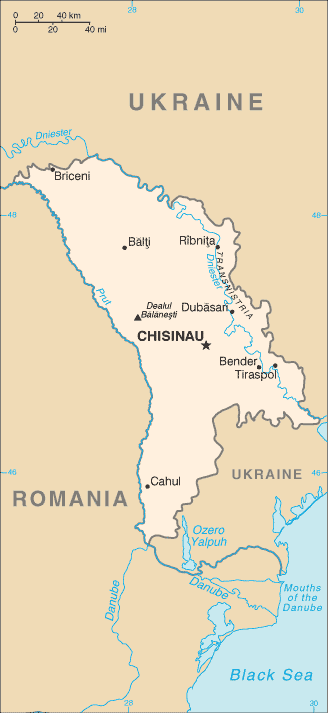
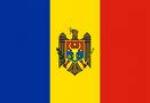

Valeriu Lazar
Deputy Prime Minister and Minister of Economy
since 25 September 2009
Deputy Prime Minister and Minister of Economy
since 25 September 2009
Eugen Carpov and Mihai Moldovanu
Deputy Prime Ministers
since 14 January 2011
Deputy Prime Ministers
since 14 January 2011
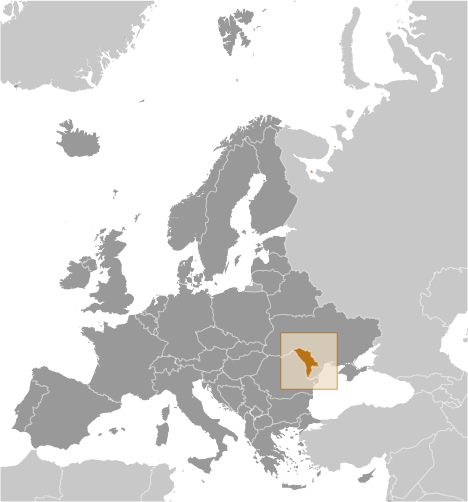
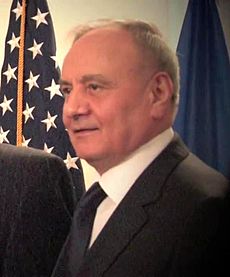
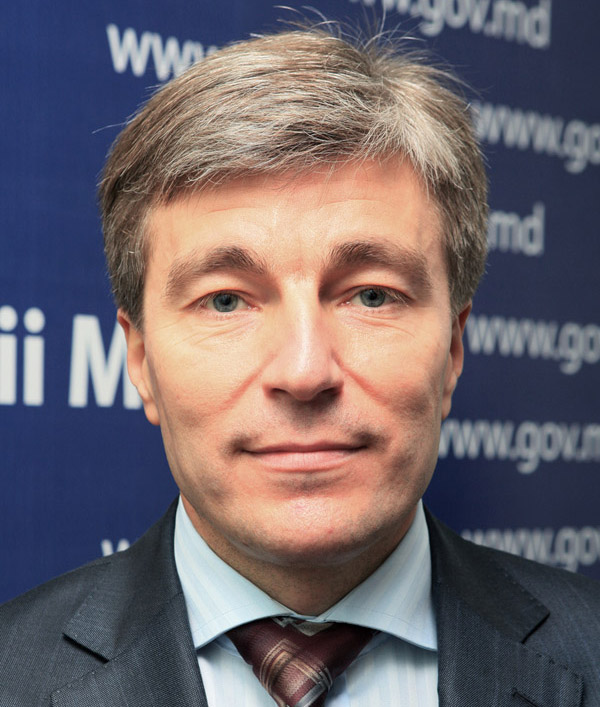
TRANSNISTRIA
| CHIEF OF STATE |
Yevgeny Vasylovych Shevchuk
President since 30 December 2011
President since 30 December 2011
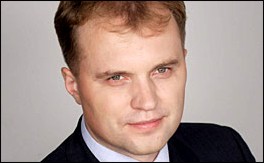
SELECTION PROCESS
President elected by popular vote for a five year term (eligible for
second term); election last held: 11 December 2011 with a
run-off held on 25 December 2011
Next scheduled election: December 2015
second term); election last held: 11 December 2011 with a
run-off held on 25 December 2011
Next scheduled election: December 2015
HEAD OF GOVERNMENT
Pyotr Petrovich Stepanov
Prime Minister since 18 January 2012
Prime Minister since 18 January 2012
SELECTION PROCESS
Prime Minister selected by the President; Stepanov is the first
Prime Minister of Transnistria
Next scheduled election: December 2015
Prime Minister of Transnistria
Next scheduled election: December 2015