| MONGOLIA Mongolia Mongol Uls Joined United Nations: 27 October 1961 Human Rights as assured by their constitution Click here Updated 05 September 2012 |
| CAPITAL |
| POPULATION |
| CHIEF OF STATE |
| SELECTION PROCESS |
Ulaanbaatar
3,179,997 (July 2012 est.)
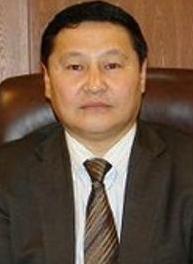
Tsakhiagiin Elbegdorj
President since 18 June 2009
President since 18 June 2009
Presidential candidates nominated by political parties
represented in State Great Hural and elected by popular vote
for a four-year term (eligible for a second term); election last
held 24 May 2009
Next scheduled election: May 2013
represented in State Great Hural and elected by popular vote
for a four-year term (eligible for a second term); election last
held 24 May 2009
Next scheduled election: May 2013
HEAD OF GOVERNMENT
SELECTION PROCESS
Miegombyn Enkhbold
Deputy Prime Minister since 6 December 2007
Deputy Prime Minister since 6 December 2007
Leader of majority party or majority coalition is usually elected
prime minister by State Great Hural; elections: last held 28 June
2012
Next scheduled election: June 2016
prime minister by State Great Hural; elections: last held 28 June
2012
Next scheduled election: June 2016
| DECLARATION OF HUMAN RIGHTS |
| ETHNIC GROUPS |
Mongol (mostly Khalkha) 94.9%, Turkic (mostly Kazakh) 5%, other (including Chinese and Russian) 0.1% (2000)
| RELIGIONS |
Buddhist Lamaist 50%, none 40%, Shamanist and Christian 6%, Muslim 4% (2004)
| GOVERNMENT STRUCTURE |
Mixed parliamentary/presidential democracy comprised of 21 provinces (aymguud, singular - aymag) and 1
municipality (singular - hot); Legal system is a blend of Soviet, German, and US systems that combine "continental"
or "civil" code and case-precedent; constitution ambiguous on judicial review of legislative acts; has not accepted
compulsory ICJ jurisdiction
Executive: Presidential candidates nominated by political parties represented in State Great Hural and elected by popular
vote for a four-year term (eligible for a second term); election last held 24 May 2009 (next to be held in May 2013);
following legislative elections, leader of majority party or majority coalition is usually elected prime minister by State Great
Hural
Legislative: Unicameral State Great Hural 76 seats; members elected by popular vote to serve four-year terms
elections: last held 28 June 2012 (next to be held in June 2016)
Judicial: Supreme Court (serves as appeals court for people's and provincial courts but rarely overturns verdicts of
lower courts; judges are nominated by the General Council of Courts and approved by the president)
municipality (singular - hot); Legal system is a blend of Soviet, German, and US systems that combine "continental"
or "civil" code and case-precedent; constitution ambiguous on judicial review of legislative acts; has not accepted
compulsory ICJ jurisdiction
Executive: Presidential candidates nominated by political parties represented in State Great Hural and elected by popular
vote for a four-year term (eligible for a second term); election last held 24 May 2009 (next to be held in May 2013);
following legislative elections, leader of majority party or majority coalition is usually elected prime minister by State Great
Hural
Legislative: Unicameral State Great Hural 76 seats; members elected by popular vote to serve four-year terms
elections: last held 28 June 2012 (next to be held in June 2016)
Judicial: Supreme Court (serves as appeals court for people's and provincial courts but rarely overturns verdicts of
lower courts; judges are nominated by the General Council of Courts and approved by the president)
| LANGUAGES |
Khalkha Mongol 90%, Turkic, Russian (1999)
| BRIEF HISTORY |
| ECONOMIC OVERVIEW |
Economic activity in Mongolia was traditionally based on herding and agriculture - Mongolia's extensive mineral
deposits, however, have attracted foreign investors, and the country is undergoing an economic transformation
through its mining boom. Mongolia holds copper, gold, coal, molybdenum, fluorspar, uranium, tin, and tungsten
deposits, among others, which account for a large part of foreign direct investment and government revenues. Soviet
assistance, at its height one-third of GDP, disappeared almost overnight in 1990 and 1991 at the time of the
dismantlement of the USSR. The following decade saw Mongolia endure both deep recession, because of political
inaction and natural disasters, as well as economic growth, because of reform-embracing, free-market economics
and extensive privatization of the formerly state-run economy. The country opened a fledgling stock exchange in
1991. Mongolia joined the World Trade Organization in 1997 and seeks to expand its participation in regional
economic and trade regimes. Growth averaged nearly 9% per year in 2004-08 largely because of high copper prices
and new gold production. By late 2008, the country was faced with external shocks from the global financial crisis,
and a sharp drop in commodity prices slashed government revenues. GDP dropped 1.3% in 2009. In early 2009,
the International Monetary Fund reached a $236 million Stand-by Arrangement with Mongolia and the country has
largely emerged from the crisis. The banking sector is recovering and the government has started to enact greater
supervision regulations. In October 2009, Mongolia passed long-awaited legislation on an investment agreement to
develop the Oyu Tolgoi mine, considered to be among the world's largest untapped copper deposits. Another
similarly lengthy process is underway for an investment agreement for the massive coal mine at Tavan Tolgoi; it is
under review by the National Security Council and a final decision is expected in 2012. The economy grew 6.4% in
2010 and 17.3% in 2011, largely on the strength of commodity exports to nearby countries. Trade with China
represents more than half of Mongolia's total external trade - China receives more than 90% of Mongolia's exports.
Mongolia purchases 95% of its petroleum products and a substantial amount of electric power from Russia, leaving it
vulnerable to price increases. In the face of anticipated growth in mining revenues, the country is grappling with the
challenge of avoiding an overheated economy. Due to severe winter weather in 2009-10, Mongolia lost 22% of its
total livestock, and meat prices doubled. Renewed concerns are surfacing over controlling inflation, which was more
than 10% for much of 2010-11, due in part to soaring food prices. Government spending - on line to increase as
much as 75% over 2011 - has added to concerns over inflation. Remittances from Mongolians working abroad,
particularly in South Korea, are significant. Money-laundering is a growing concern.
Source: CIA World Factbook (select Mongolia)
deposits, however, have attracted foreign investors, and the country is undergoing an economic transformation
through its mining boom. Mongolia holds copper, gold, coal, molybdenum, fluorspar, uranium, tin, and tungsten
deposits, among others, which account for a large part of foreign direct investment and government revenues. Soviet
assistance, at its height one-third of GDP, disappeared almost overnight in 1990 and 1991 at the time of the
dismantlement of the USSR. The following decade saw Mongolia endure both deep recession, because of political
inaction and natural disasters, as well as economic growth, because of reform-embracing, free-market economics
and extensive privatization of the formerly state-run economy. The country opened a fledgling stock exchange in
1991. Mongolia joined the World Trade Organization in 1997 and seeks to expand its participation in regional
economic and trade regimes. Growth averaged nearly 9% per year in 2004-08 largely because of high copper prices
and new gold production. By late 2008, the country was faced with external shocks from the global financial crisis,
and a sharp drop in commodity prices slashed government revenues. GDP dropped 1.3% in 2009. In early 2009,
the International Monetary Fund reached a $236 million Stand-by Arrangement with Mongolia and the country has
largely emerged from the crisis. The banking sector is recovering and the government has started to enact greater
supervision regulations. In October 2009, Mongolia passed long-awaited legislation on an investment agreement to
develop the Oyu Tolgoi mine, considered to be among the world's largest untapped copper deposits. Another
similarly lengthy process is underway for an investment agreement for the massive coal mine at Tavan Tolgoi; it is
under review by the National Security Council and a final decision is expected in 2012. The economy grew 6.4% in
2010 and 17.3% in 2011, largely on the strength of commodity exports to nearby countries. Trade with China
represents more than half of Mongolia's total external trade - China receives more than 90% of Mongolia's exports.
Mongolia purchases 95% of its petroleum products and a substantial amount of electric power from Russia, leaving it
vulnerable to price increases. In the face of anticipated growth in mining revenues, the country is grappling with the
challenge of avoiding an overheated economy. Due to severe winter weather in 2009-10, Mongolia lost 22% of its
total livestock, and meat prices doubled. Renewed concerns are surfacing over controlling inflation, which was more
than 10% for much of 2010-11, due in part to soaring food prices. Government spending - on line to increase as
much as 75% over 2011 - has added to concerns over inflation. Remittances from Mongolians working abroad,
particularly in South Korea, are significant. Money-laundering is a growing concern.
Source: CIA World Factbook (select Mongolia)
| POLITICAL CLIMATE |
In April 2006, Tsakhiagiyn Elbegdorj was elected as a Democratic Party chairman by the two step elections of the
party. Violent Protests that followed the June 2008 election resulted in damage to MPRP Headquarters In October
2007, Enkhbold lost his position as MPRP chairman to Sanjaagiin Bayar. The MPRP delegates also voted for
having Bayar create a new government. Enkhbold remained in office until Bayar was elected on 22 November 2007.
In Bayar's government, Enkhbold was appointed as Deputy Prime Minister on December 5, 2007. The MPRP won
a clear majority (46 of 76 seats) in legislative elections on June 29, 2008. The Democrats (DP)won 27 seats with the
three remaining seats going to minor parties and an independent. After intermediate results were published on July
30th, DP chairman Elbegdorj declared that the elections were rigged and that his party would not accept the results.
Protests against the election results turned violent on the evening of July 1st, and protesters sacked the MPRP
headquarters in downtown Ulaanbaatar. Five protesters were killed, and around midnight a four-day state of
emergency was declared. On 5 June 2009, the parliament decided to swear Elbegdorj in on 18 June 2009. On 30
October 2009 Mongolia's parliament elected foreign minister Sukhbaatar Batbold as the resource-rich country's new
prime minister, following the resignation of Sanjaa Bayar due to poor health. In 2010, Nambaryn Enkhbayar split the
former Communist party after it reverted to its pre-revolution name, the Mongolian People's Party. The new faction
retained the previous name, Mongolian People's Revolutionary Party. After parliamentary elections in 2012, the
MPRP, which ran in the elections as the Justice Coalition with a smaller party, formed a coalition government with
the Democratic Party.
Click here to read more »
party. Violent Protests that followed the June 2008 election resulted in damage to MPRP Headquarters In October
2007, Enkhbold lost his position as MPRP chairman to Sanjaagiin Bayar. The MPRP delegates also voted for
having Bayar create a new government. Enkhbold remained in office until Bayar was elected on 22 November 2007.
In Bayar's government, Enkhbold was appointed as Deputy Prime Minister on December 5, 2007. The MPRP won
a clear majority (46 of 76 seats) in legislative elections on June 29, 2008. The Democrats (DP)won 27 seats with the
three remaining seats going to minor parties and an independent. After intermediate results were published on July
30th, DP chairman Elbegdorj declared that the elections were rigged and that his party would not accept the results.
Protests against the election results turned violent on the evening of July 1st, and protesters sacked the MPRP
headquarters in downtown Ulaanbaatar. Five protesters were killed, and around midnight a four-day state of
emergency was declared. On 5 June 2009, the parliament decided to swear Elbegdorj in on 18 June 2009. On 30
October 2009 Mongolia's parliament elected foreign minister Sukhbaatar Batbold as the resource-rich country's new
prime minister, following the resignation of Sanjaa Bayar due to poor health. In 2010, Nambaryn Enkhbayar split the
former Communist party after it reverted to its pre-revolution name, the Mongolian People's Party. The new faction
retained the previous name, Mongolian People's Revolutionary Party. After parliamentary elections in 2012, the
MPRP, which ran in the elections as the Justice Coalition with a smaller party, formed a coalition government with
the Democratic Party.
Click here to read more »
| INTERNATIONAL DISPUTES |
None reported.


| REFUGEES AND INTERNALLY DISPLACED PERSONS (IDP) |
None reported.
| ILLICIT DRUGS |
None reported.
| HUMAN RIGHTS STATEMENTS, ANALYSIS AND CRITIQUES |
2011 Human Rights Report: Mongolia
Bureau of Democracy, Human Rights, and Labor
2011 Country Reports on Human Rights Practices
May 24, 2012
Mongolia is a multiparty parliamentary democracy. The most recent presidential election, held in 2009 and considered largely free
and fair, was won by former prime minister Tsakhia Elbegdorj of the Democratic Party. Prime Minister Sukhbaatar Batbold and his
majority Mongolian People’s Party (MPP) continued to dominate the parliament but governed under a unity government with the
Democratic Party. The MPP, formerly known as the Mongolian People’s Revolutionary Party (MPRP), changed its name during
the year. A small remnant of the original MPRP kept the MPRP name and continued as a competing splinter party led by former
president Nambar Enkhbayar. Security forces reported to civilian authorities.
The three prominent human rights abuses were police abuse of detainees, uneven enforcement of the law and corruption within the
judicial system, and a lack of transparency in government affairs. While the law provides for protection of basic human rights,
there was a significant disconnect between human rights laws, regulations, and government pledges of support and what was
implemented.
Other human rights issues included poor conditions in detention centers, arbitrary arrests, government interference in the media,
religious discrimination, including continued refusal by some provincial governments to register Christian churches, unlawful
deportation of foreign citizens, opaque and complicated procedures for stateless persons to gain citizenship, secrecy laws and a
lack of transparency in government affairs, inadequate measures to counter domestic violence against women, trafficking in
persons, discrimination against persons with disabilities, discrimination against ethnic minorities, and violence and discrimination
against lesbian, gay, bisexual, and transgender (LGBT) persons.
The government took few steps to punish officials who committed abuses, and there was an atmosphere of official impunity.
Click here to read more »
Bureau of Democracy, Human Rights, and Labor
2011 Country Reports on Human Rights Practices
May 24, 2012
Mongolia is a multiparty parliamentary democracy. The most recent presidential election, held in 2009 and considered largely free
and fair, was won by former prime minister Tsakhia Elbegdorj of the Democratic Party. Prime Minister Sukhbaatar Batbold and his
majority Mongolian People’s Party (MPP) continued to dominate the parliament but governed under a unity government with the
Democratic Party. The MPP, formerly known as the Mongolian People’s Revolutionary Party (MPRP), changed its name during
the year. A small remnant of the original MPRP kept the MPRP name and continued as a competing splinter party led by former
president Nambar Enkhbayar. Security forces reported to civilian authorities.
The three prominent human rights abuses were police abuse of detainees, uneven enforcement of the law and corruption within the
judicial system, and a lack of transparency in government affairs. While the law provides for protection of basic human rights,
there was a significant disconnect between human rights laws, regulations, and government pledges of support and what was
implemented.
Other human rights issues included poor conditions in detention centers, arbitrary arrests, government interference in the media,
religious discrimination, including continued refusal by some provincial governments to register Christian churches, unlawful
deportation of foreign citizens, opaque and complicated procedures for stateless persons to gain citizenship, secrecy laws and a
lack of transparency in government affairs, inadequate measures to counter domestic violence against women, trafficking in
persons, discrimination against persons with disabilities, discrimination against ethnic minorities, and violence and discrimination
against lesbian, gay, bisexual, and transgender (LGBT) persons.
The government took few steps to punish officials who committed abuses, and there was an atmosphere of official impunity.
Click here to read more »
25 March 2011
Human Rights Committee
101st session
New York, 11 March - -1April 2011
Consideration of reports submitted by States parties under article 40 of the Covenant
Concluding observations of the Human Rights Committee
Mongolia
A. Introduction
2. The Committee welcomes the submission of the State party’s fifth periodic report, which gives detailed information on
measures adopted by the State party to further the implementation of the Covenant. Furthermore, it expresses appreciation for the
constructive dialogue and the written replies (CCPR/C/MNG/Q/5/Add.1) provided in advance by the State party as well as the
answers provided to the Committee during the consideration of the report, and the additional information provided after the
consideration of the report
B. Positive aspects
3. The Committee welcomes the following positive developments since the examination of the fourth report:
(a) the adoption of the Law on the National Human Rights Commission in 2007 and the fact that it is considered in compliance
with the Paris Principles (General Assembly resolution 48/134, annex) by the Subcommittee on Accreditation of the International
Coordinating Committee of National Institutions for the Promotion and Protection of Human Rights;
(b) the implementation of the National Human Rights Action Plan in 2005;
C. Main areas of concern and recommendations
4. While welcoming article 10 of the Constitution that enables the direct invocation of the Covenant before domestic courts,
the Committee remains concerned about the lack of application of the provisions of the Covenant by domestic courts. It is also
concerned about information according to which an accused person received a longer sentence in a criminal case when references
were made to international human rights treaties (arts. 2, 7, 14 ).
The State party should take measures to promote the effective application of the provisions of the Covenant before domestic
courts, including by the organization of compulsory training programs and follow-up programs for judges and lawyers on
international human rights treaties. The State party should ensure that references to Covenant provisions during legal proceedings
should not be met with a response that threatens the right to a fair trial.
Click here to read more »
Human Rights Committee
101st session
New York, 11 March - -1April 2011
Consideration of reports submitted by States parties under article 40 of the Covenant
Concluding observations of the Human Rights Committee
Mongolia
A. Introduction
2. The Committee welcomes the submission of the State party’s fifth periodic report, which gives detailed information on
measures adopted by the State party to further the implementation of the Covenant. Furthermore, it expresses appreciation for the
constructive dialogue and the written replies (CCPR/C/MNG/Q/5/Add.1) provided in advance by the State party as well as the
answers provided to the Committee during the consideration of the report, and the additional information provided after the
consideration of the report
B. Positive aspects
3. The Committee welcomes the following positive developments since the examination of the fourth report:
(a) the adoption of the Law on the National Human Rights Commission in 2007 and the fact that it is considered in compliance
with the Paris Principles (General Assembly resolution 48/134, annex) by the Subcommittee on Accreditation of the International
Coordinating Committee of National Institutions for the Promotion and Protection of Human Rights;
(b) the implementation of the National Human Rights Action Plan in 2005;
C. Main areas of concern and recommendations
4. While welcoming article 10 of the Constitution that enables the direct invocation of the Covenant before domestic courts,
the Committee remains concerned about the lack of application of the provisions of the Covenant by domestic courts. It is also
concerned about information according to which an accused person received a longer sentence in a criminal case when references
were made to international human rights treaties (arts. 2, 7, 14 ).
The State party should take measures to promote the effective application of the provisions of the Covenant before domestic
courts, including by the organization of compulsory training programs and follow-up programs for judges and lawyers on
international human rights treaties. The State party should ensure that references to Covenant provisions during legal proceedings
should not be met with a response that threatens the right to a fair trial.
Click here to read more »
FREEDOM IN THE WORLD REPORT 2012
Political Rights Score: 2
Civil Liberties Score: 2
Status: Free
Overview
Following initial results that showed victory for the Mongolian People’s Revolutionary Party (MPRP) in the June 2008
parliamentary elections, several large political demonstrations took place in the capital Ulaanbaatar by those challenging the results.
The looting of the MPRPs headquarters and the deaths of several people during the unrest led the government to declare a four-day
state of emergency, during which the government arrested and detained hundreds of people and severely curtailed press freedom.
The global economic downturn, combined with an extremely harsh winter, exacerbated Mongolia’s high poverty and
unemployment rates in 2009. In October, after years of negotiations, a $5 billion contract was signed with the international mining
companies Ivanhoe Mines and Rio Tinto to develop a copper and gold mine in Oyu Tolgoi. Some expressed concerns over ongoing
corruption and a lack of transparency surrounding the contract’s negotiations. In response, the government set up a Human
Development Fund (HDF) in 2009 to distribute mining royalties to citizens. However, the HDF has been controversial; President
Elbegdorj wants to end most of the program, directing its funds toward children’s services and university tuition.
In April 2010, a series of large-scale protests erupted over the government’s failure to fulfill a campaign promise to distribute aid
from mining royalties. In the largest demonstration, approximately 10,000 people convened in Ulaanbaatar, calling for the
dissolution of the parliament. An agreement to officially end the protests was concluded on April 22, outlining constitutional
modifications, government reporting requirements, and pledges to disburse funds to citizens in 2012 in the form of tuition fees,
health coverage, and cash handouts.
Following German chancellor Angela Merkel’s visit to Mongolia in October 2011, the contract to operate the Tavan Tolgoi coal
mine was awarded to a joint venture between the German company Operta GmbH and the Australian company Mcmahon Holdings.
Disputes over mining continued to dominate public debate in 2011, including concerns over water resources, labor rights, and
protectionism.
Click here to read more »
Political Rights Score: 2
Civil Liberties Score: 2
Status: Free
Overview
Following initial results that showed victory for the Mongolian People’s Revolutionary Party (MPRP) in the June 2008
parliamentary elections, several large political demonstrations took place in the capital Ulaanbaatar by those challenging the results.
The looting of the MPRPs headquarters and the deaths of several people during the unrest led the government to declare a four-day
state of emergency, during which the government arrested and detained hundreds of people and severely curtailed press freedom.
The global economic downturn, combined with an extremely harsh winter, exacerbated Mongolia’s high poverty and
unemployment rates in 2009. In October, after years of negotiations, a $5 billion contract was signed with the international mining
companies Ivanhoe Mines and Rio Tinto to develop a copper and gold mine in Oyu Tolgoi. Some expressed concerns over ongoing
corruption and a lack of transparency surrounding the contract’s negotiations. In response, the government set up a Human
Development Fund (HDF) in 2009 to distribute mining royalties to citizens. However, the HDF has been controversial; President
Elbegdorj wants to end most of the program, directing its funds toward children’s services and university tuition.
In April 2010, a series of large-scale protests erupted over the government’s failure to fulfill a campaign promise to distribute aid
from mining royalties. In the largest demonstration, approximately 10,000 people convened in Ulaanbaatar, calling for the
dissolution of the parliament. An agreement to officially end the protests was concluded on April 22, outlining constitutional
modifications, government reporting requirements, and pledges to disburse funds to citizens in 2012 in the form of tuition fees,
health coverage, and cash handouts.
Following German chancellor Angela Merkel’s visit to Mongolia in October 2011, the contract to operate the Tavan Tolgoi coal
mine was awarded to a joint venture between the German company Operta GmbH and the Australian company Mcmahon Holdings.
Disputes over mining continued to dominate public debate in 2011, including concerns over water resources, labor rights, and
protectionism.
Click here to read more »
Mongolian authorities must respect the human rights of former president following his arrest
12 May 2012
Amnesty International calls on the Mongolian government to ensure that former president N. Enkhbayar, who has been detained
since 13 April on accusations of involvement in corruption offences, is treated in line with international human rights standards,
including with respect to his rights of access to lawyers, contact with family members, adequate medical care and the right to
liberty.
N. Enkhbayar has been detained in Tuv aimag detention centre since 13 April. After starting a hunger strike and deterioration of his
health, on 5 May he was transferred to the hospital wing of detention centre #461 and was transferred to General Hospital Number
2 on 9 May.
Key Concerns
· From the court documents viewed by Amnesty International, N. Enkhbayar’s detention appears to be arbitrary . If the authorities
have evidence to justify his continued detention, it is certainly not recorded in any of the court documents we have seen, and they
need to bring it before a court where his lawyers have an effective opportunity to challenge it. If the authorities do not have such
evidence, he should be released pending trial. Amnesty International has contacted Mongolian authorities to request further
documentation and information as to the basis of his continued detention and are awaiting a response.
· Amnesty International is deeply alarmed at reports that the police authorities have ordered that N. Enkhbayar be forcibly fed. Any
decision to carry out non-consensual feeding of a hunger striker should be made only by qualified health professionals on the basis
of medical necessity and only after assessing the individual’s health needs and mental competence. If such a decision is made, the
feeding should only be undertaken by medically trained personnel under continuing medical supervision.
We understand N Enkhbayar was deprived of all contact with all family members for a month and we consider this a violation or
international human rights standards. Since 7 May there has been some contact, but what will happen in the future remains unclear.
N. Enhkbayar’s lawyers have stated that the authorities have interfered with his right to confidential access to his legal counsel of
choice. They say they have been wrongfully prevented from accompanying him during questioning and lawyer-client
confidentiality has not been respected.
Click here to read more »
12 May 2012
Amnesty International calls on the Mongolian government to ensure that former president N. Enkhbayar, who has been detained
since 13 April on accusations of involvement in corruption offences, is treated in line with international human rights standards,
including with respect to his rights of access to lawyers, contact with family members, adequate medical care and the right to
liberty.
N. Enkhbayar has been detained in Tuv aimag detention centre since 13 April. After starting a hunger strike and deterioration of his
health, on 5 May he was transferred to the hospital wing of detention centre #461 and was transferred to General Hospital Number
2 on 9 May.
Key Concerns
· From the court documents viewed by Amnesty International, N. Enkhbayar’s detention appears to be arbitrary . If the authorities
have evidence to justify his continued detention, it is certainly not recorded in any of the court documents we have seen, and they
need to bring it before a court where his lawyers have an effective opportunity to challenge it. If the authorities do not have such
evidence, he should be released pending trial. Amnesty International has contacted Mongolian authorities to request further
documentation and information as to the basis of his continued detention and are awaiting a response.
· Amnesty International is deeply alarmed at reports that the police authorities have ordered that N. Enkhbayar be forcibly fed. Any
decision to carry out non-consensual feeding of a hunger striker should be made only by qualified health professionals on the basis
of medical necessity and only after assessing the individual’s health needs and mental competence. If such a decision is made, the
feeding should only be undertaken by medically trained personnel under continuing medical supervision.
We understand N Enkhbayar was deprived of all contact with all family members for a month and we consider this a violation or
international human rights standards. Since 7 May there has been some contact, but what will happen in the future remains unclear.
N. Enhkbayar’s lawyers have stated that the authorities have interfered with his right to confidential access to his legal counsel of
choice. They say they have been wrongfully prevented from accompanying him during questioning and lawyer-client
confidentiality has not been respected.
Click here to read more »
International: Mixed Message on Resource Revenue Transparency
Global Initiative Expels 2 Countries That Lagged on Reform; Retains 16 Others
April 16, 2010
(Washington, DC) - The decision today to end two countries' quests for membership in a global initiative on openness about natural
resource profits shows that the initiative will not automatically accept governments that lack the political will to improve, but
requires further explanation, Human Rights Watch said.
The Extractive Industries Transparency Initiative (EITI), a voluntary global effort that encourages public reporting about company
payments and government profits from oil, gas, and mining resources, ended the candidacies of Equatorial Guinea and São Tomé e
Príncipe, both small West African countries. The decision was made at a meeting in Berlin, where EITI's Board considered the
cases of 18 countries that missed a crucial two-year deadline to have their candidacies evaluated by March 9, 2010.
"EITI needs to explain why it expelled some countries that failed to show commitment but extended the candidacies of others
whose commitment was also questionable," said Arvind Ganesan, director of the Business and Human Rights Program at Human
Rights Watch. "It needs to send a clear, consistent message to resource-rich governments about the political will necessary to
implement genuine transparency."
The EITI Board, which is composed of representatives of governments, companies, and civil society groups, allowed the 16 other
countries - including the Congo Republic, Democratic Republic of Congo, Nigeria, Peru, and Sierra Leone - to extend their
candidacies without specifying its rationale or clarifying the new deadlines they will face. Those details are expected to be
announced in the coming days. In addition, Mongolia was found to have completed the process to have its candidacy assessed
(known as "validation") and to be close to meeting the requirements to be declared "EITI compliant."
Click here to read more »
Global Initiative Expels 2 Countries That Lagged on Reform; Retains 16 Others
April 16, 2010
(Washington, DC) - The decision today to end two countries' quests for membership in a global initiative on openness about natural
resource profits shows that the initiative will not automatically accept governments that lack the political will to improve, but
requires further explanation, Human Rights Watch said.
The Extractive Industries Transparency Initiative (EITI), a voluntary global effort that encourages public reporting about company
payments and government profits from oil, gas, and mining resources, ended the candidacies of Equatorial Guinea and São Tomé e
Príncipe, both small West African countries. The decision was made at a meeting in Berlin, where EITI's Board considered the
cases of 18 countries that missed a crucial two-year deadline to have their candidacies evaluated by March 9, 2010.
"EITI needs to explain why it expelled some countries that failed to show commitment but extended the candidacies of others
whose commitment was also questionable," said Arvind Ganesan, director of the Business and Human Rights Program at Human
Rights Watch. "It needs to send a clear, consistent message to resource-rich governments about the political will necessary to
implement genuine transparency."
The EITI Board, which is composed of representatives of governments, companies, and civil society groups, allowed the 16 other
countries - including the Congo Republic, Democratic Republic of Congo, Nigeria, Peru, and Sierra Leone - to extend their
candidacies without specifying its rationale or clarifying the new deadlines they will face. Those details are expected to be
announced in the coming days. In addition, Mongolia was found to have completed the process to have its candidacy assessed
(known as "validation") and to be close to meeting the requirements to be declared "EITI compliant."
Click here to read more »
2012-06-08
MONGOLIAN PRESIDENT URGES GLOBAL SUPPORT FOR ANTI- CORRUPTION EFFORTS
Trial of former president helps move democracy forward with transparency and rule of law
ULAANBAATAR, MONGOLIA – From the Office of the President of Mongolia: Mongolian President Tsakhia Elbegdorj today called
on the United Nations, European Union, United States and its other global allies to support Mongolia’s efforts to clamp down on public
corruption. Earlier this spring, following widespread public reports of misdeeds, Mongolia’s Independent Authority Against Corruption
(IAAC) called for the arrest of former Mongolian president Nambaryn Enkhbayar after the former official refused to receive
subpoenas which detailed numerous corruption-related violations of the Mongolian Criminal Code.
Since the IAAC’s first subpoenas were issued to Mr. Enkhbayar over one year ago, in May of 2011, the IAAC initiated 27 separate
investigations, ranging from embezzlement to extortion and bribery; of these ongoing investigations, the IAAC has initially charged Mr.
Enkhbayar with five offenses. President Elbegdorj urges the country’s democratic allies to recognize the need for due process of law
in Mongolia while an open judicial process moves forward on the charges.
Since his April 13th arrest, Mr. Enkhbayar has had unfettered access to legal counsel as well as both domestic and international news
media. He has been treated with respect and accorded his full human rights and protections afforded to any criminal defendant under
Mongolia’s Constitution. Now out on bail, Mr. Enkhbayar’s trial is set to begin on June 12.
The independent General Election Commission of Mongolia (GEC) ruled on June 6, after an 8-1 vote, that Mr. Enkhbayar was
ineligible to run for a seat in Parliament due to the pending criminal allegations against him. The GEC is an autonomous body with a
head appointed and members approved by the Parliament.
Much of the international coverage of this case has been wildly inaccurate, distorted by a sophisticated public relations campaign on
Mr. Enkhbayar’s behalf. In fact, Mr. Enkhbayar has been treated with great respect and personal dignity. To counter erroneous
reporting of the facts relating to the investigation, arrest, and charges against him by Mr. Enkhbayar and his supporters, Mongolian
President Tsakhia Elbegdorj today issued the following statement:
“My first decree as the President of Mongolia was to call for promoting and enhancing civic education to affirm democracy, freedom
and human rights as fundamental values of the Mongolian people. I have also acted to effectively end Mongolia’s use of the death
penalty, and late last year our government was recognized by U.S. Secretary of State Hillary Clinton for our civil rights commitments.
This spring marked the 25th anniversary of open Mongolia-U.S. relations and a shared belief in a commitment to the rule of law,
governing transparency, and the sanctity of human rights. As with the support that our American allies have provided Mongolia in
deepening the roots of democracy, it is our hope that the U.S. as well as our European allies will acknowledge and support Mongolia’s
work to end the scourge of corruption that otherwise will hinder the progress of our democratic system.”
“Mongolia’s growth into a mature democracy requires continued work to eliminate the scourge of corruption that plagues too many
of the world’s developing countries. Mr. Enkhbayar’s case is one of nearly 20 high profile corruption cases. Freedom and corruption
cannot co-exist together. And freedom, human rights, rule of law are non-negotiable, as is the fight against corruption. The law
should apply equally with no preferential treatment for anyone. It is a core principle of democracy that no one is above the law, and
that includes everyone from high government officials to ordinary citizens,” said President Elgebdorj.
Click here to read more »
MONGOLIAN PRESIDENT URGES GLOBAL SUPPORT FOR ANTI- CORRUPTION EFFORTS
Trial of former president helps move democracy forward with transparency and rule of law
ULAANBAATAR, MONGOLIA – From the Office of the President of Mongolia: Mongolian President Tsakhia Elbegdorj today called
on the United Nations, European Union, United States and its other global allies to support Mongolia’s efforts to clamp down on public
corruption. Earlier this spring, following widespread public reports of misdeeds, Mongolia’s Independent Authority Against Corruption
(IAAC) called for the arrest of former Mongolian president Nambaryn Enkhbayar after the former official refused to receive
subpoenas which detailed numerous corruption-related violations of the Mongolian Criminal Code.
Since the IAAC’s first subpoenas were issued to Mr. Enkhbayar over one year ago, in May of 2011, the IAAC initiated 27 separate
investigations, ranging from embezzlement to extortion and bribery; of these ongoing investigations, the IAAC has initially charged Mr.
Enkhbayar with five offenses. President Elbegdorj urges the country’s democratic allies to recognize the need for due process of law
in Mongolia while an open judicial process moves forward on the charges.
Since his April 13th arrest, Mr. Enkhbayar has had unfettered access to legal counsel as well as both domestic and international news
media. He has been treated with respect and accorded his full human rights and protections afforded to any criminal defendant under
Mongolia’s Constitution. Now out on bail, Mr. Enkhbayar’s trial is set to begin on June 12.
The independent General Election Commission of Mongolia (GEC) ruled on June 6, after an 8-1 vote, that Mr. Enkhbayar was
ineligible to run for a seat in Parliament due to the pending criminal allegations against him. The GEC is an autonomous body with a
head appointed and members approved by the Parliament.
Much of the international coverage of this case has been wildly inaccurate, distorted by a sophisticated public relations campaign on
Mr. Enkhbayar’s behalf. In fact, Mr. Enkhbayar has been treated with great respect and personal dignity. To counter erroneous
reporting of the facts relating to the investigation, arrest, and charges against him by Mr. Enkhbayar and his supporters, Mongolian
President Tsakhia Elbegdorj today issued the following statement:
“My first decree as the President of Mongolia was to call for promoting and enhancing civic education to affirm democracy, freedom
and human rights as fundamental values of the Mongolian people. I have also acted to effectively end Mongolia’s use of the death
penalty, and late last year our government was recognized by U.S. Secretary of State Hillary Clinton for our civil rights commitments.
This spring marked the 25th anniversary of open Mongolia-U.S. relations and a shared belief in a commitment to the rule of law,
governing transparency, and the sanctity of human rights. As with the support that our American allies have provided Mongolia in
deepening the roots of democracy, it is our hope that the U.S. as well as our European allies will acknowledge and support Mongolia’s
work to end the scourge of corruption that otherwise will hinder the progress of our democratic system.”
“Mongolia’s growth into a mature democracy requires continued work to eliminate the scourge of corruption that plagues too many
of the world’s developing countries. Mr. Enkhbayar’s case is one of nearly 20 high profile corruption cases. Freedom and corruption
cannot co-exist together. And freedom, human rights, rule of law are non-negotiable, as is the fight against corruption. The law
should apply equally with no preferential treatment for anyone. It is a core principle of democracy that no one is above the law, and
that includes everyone from high government officials to ordinary citizens,” said President Elgebdorj.
Click here to read more »
Mongolia abolishes death penalty
Date: 6-02-2012, 04:50
Mongolia abolished the death penalty with the Parliament passing the Law on Ratification of the Second Optional Protocol to the
International Covenant on Civil and Political Rights on 5 January, 2012. To date, the National Human Rights Commission of
Mongolia conducted a number of studies regarding the use of capital punishment individually and jointly with civil society
organizations such as Amnesty International.
The Commission has been advocating against the death penalty through a variety of means including its annual reports on the
situation of human rights and freedoms in Mongolia. It issued successive recommendations to abolish the death penalty in the
annual reports which also referred to the conclusions made by the UN Special Rapporteur on Torture who visited the country in
2005 and treaty body observations that recommended the abolition of death penalty in Mongolia.
After hearing the Commission’s annual reports, the Standing Committee on Legal Affairs of the Parliament made resolutions in
2008 and 2010 assigning the Cabinet to take actions to implement the recommendations of the Commission. The National Human
Rights Commission of Mongolia expresses its gratitude to all our partners who walked shoulder-to-shoulder with the Commission
in advocating against the death penalty and applauds the decision of the Mongolian Government to put an end to the death penalty.
Click here to read more »
Date: 6-02-2012, 04:50
Mongolia abolished the death penalty with the Parliament passing the Law on Ratification of the Second Optional Protocol to the
International Covenant on Civil and Political Rights on 5 January, 2012. To date, the National Human Rights Commission of
Mongolia conducted a number of studies regarding the use of capital punishment individually and jointly with civil society
organizations such as Amnesty International.
The Commission has been advocating against the death penalty through a variety of means including its annual reports on the
situation of human rights and freedoms in Mongolia. It issued successive recommendations to abolish the death penalty in the
annual reports which also referred to the conclusions made by the UN Special Rapporteur on Torture who visited the country in
2005 and treaty body observations that recommended the abolition of death penalty in Mongolia.
After hearing the Commission’s annual reports, the Standing Committee on Legal Affairs of the Parliament made resolutions in
2008 and 2010 assigning the Cabinet to take actions to implement the recommendations of the Commission. The National Human
Rights Commission of Mongolia expresses its gratitude to all our partners who walked shoulder-to-shoulder with the Commission
in advocating against the death penalty and applauds the decision of the Mongolian Government to put an end to the death penalty.
Click here to read more »
July 26th, 2012
Mongolia’s LGBT Centre Advocates for Anti-Discrimination Law
By Michelle Tolson
The Executive Director, Otgonbaatar Tsedendemberel, recently relayed the NGO’s struggles for legitimacy at a popular coffee shop
in downtown Ulaanbaatar. In 2009, he brought up the problems LGBT people faced at a civil society meeting at the Ministry of
Foreign Affairs and Trade. The speaker ridiculed him and a number of women’s rights activists present at the meeting stood up
challenged the speaker. The conflict put the budding NGO on the international map. Though the registration issue was what the
Centre came to be well-known for, Ts. Otgonbaatar says the initial conflict “was not about the registration issue; it was about
including LGBT rights issues in the NGO Human Rights Report for the Universal Periodic Review—UPR. It was a meeting of
NGOs –one of many meetings that NGOs and civil society had to discuss what issues to be included in the UPR report and what
recommendations to give to the Government of Mongolia through the UPR.”
Local women’s groups and the National Human Rights Commission in Mongolia (NHRCM) lobbied on the Centre’s behalf and
challenged the registration issue, helped by international organizations. Ts. Otgonbaatar said “Until December 16, 2009, when the
Centre was officially registered, we had strong support from international organizations such as IGLHRC, Human Rights Watch,
Forum-ASIA, etcetera … and Mongolian organizations and individuals such as NHRCM, Ts. Oyungerel, President’s Adviser on
Human Rights and Civil Participation.” The blockage to registration was overcome within the year and granted in December of
2009. “After the registration throughout the UPR lobbying and until now, we work with our women’s and human rights
organizations as well as civil society, in particular, Open Society Forum, Center for Human Rights and Development, Globe
International, MONFEMNET National Network, National Center Against Violence, etc. “
The LGBT Centre now has strong ties with women’s groups working in the area of gender equality. Ts. Otgonbaatar currently sits
on the board of MONFEMNET; an umbrella organization for NGOs dedicated to gender issues within the human rights framework.
The Centre now uses social media to connect with the community and has a website. Mobile phones are used instead of landline
telephones as Ts. Otgonbaatar believes their previous hotline was tapped by the General Intelligence Agency in Mongolia. Problems
still persist but their official status allows greater alignment with organizations like MONFEMNET and the United Nations’ Office of
High Commissioner for Human Rights (OHCHR).
However free assembly of Mongolians identifying as LGBT can still be dangerous. While there are a few clubs to go to, they must
remain private, as openly advertising their location can bring about negative consequences. After leaving a private party in 2007, Ts.
Otgonbaatar and his friends were picked up by a corrections vehicle while trying to flag a taxi home. Corrections vehicles pick up
people seen as drunk and disorderly. Mongolia has a high rate of alcoholism as 13 percent of the population are considered alcohol
dependent, according the Mongolian Ministry of Health. But Ts. Otgonbaatar saw the situation otherwise. Having lived in Japan for
seven years and being used to transparency with police officials, he openly questioned the reasons for the group’s detention. He
said that this angered the corrections officers and they released everyone except for himself and a friend also challenging the
detention. At this low point, he said he found himself questioning his activism. He eventually moved beyond the experience to
become executive director of the Centre, making the decision to be openly out in his sexual orientation to the public.
Click here to read more »
Mongolia’s LGBT Centre Advocates for Anti-Discrimination Law
By Michelle Tolson
The Executive Director, Otgonbaatar Tsedendemberel, recently relayed the NGO’s struggles for legitimacy at a popular coffee shop
in downtown Ulaanbaatar. In 2009, he brought up the problems LGBT people faced at a civil society meeting at the Ministry of
Foreign Affairs and Trade. The speaker ridiculed him and a number of women’s rights activists present at the meeting stood up
challenged the speaker. The conflict put the budding NGO on the international map. Though the registration issue was what the
Centre came to be well-known for, Ts. Otgonbaatar says the initial conflict “was not about the registration issue; it was about
including LGBT rights issues in the NGO Human Rights Report for the Universal Periodic Review—UPR. It was a meeting of
NGOs –one of many meetings that NGOs and civil society had to discuss what issues to be included in the UPR report and what
recommendations to give to the Government of Mongolia through the UPR.”
Local women’s groups and the National Human Rights Commission in Mongolia (NHRCM) lobbied on the Centre’s behalf and
challenged the registration issue, helped by international organizations. Ts. Otgonbaatar said “Until December 16, 2009, when the
Centre was officially registered, we had strong support from international organizations such as IGLHRC, Human Rights Watch,
Forum-ASIA, etcetera … and Mongolian organizations and individuals such as NHRCM, Ts. Oyungerel, President’s Adviser on
Human Rights and Civil Participation.” The blockage to registration was overcome within the year and granted in December of
2009. “After the registration throughout the UPR lobbying and until now, we work with our women’s and human rights
organizations as well as civil society, in particular, Open Society Forum, Center for Human Rights and Development, Globe
International, MONFEMNET National Network, National Center Against Violence, etc. “
The LGBT Centre now has strong ties with women’s groups working in the area of gender equality. Ts. Otgonbaatar currently sits
on the board of MONFEMNET; an umbrella organization for NGOs dedicated to gender issues within the human rights framework.
The Centre now uses social media to connect with the community and has a website. Mobile phones are used instead of landline
telephones as Ts. Otgonbaatar believes their previous hotline was tapped by the General Intelligence Agency in Mongolia. Problems
still persist but their official status allows greater alignment with organizations like MONFEMNET and the United Nations’ Office of
High Commissioner for Human Rights (OHCHR).
However free assembly of Mongolians identifying as LGBT can still be dangerous. While there are a few clubs to go to, they must
remain private, as openly advertising their location can bring about negative consequences. After leaving a private party in 2007, Ts.
Otgonbaatar and his friends were picked up by a corrections vehicle while trying to flag a taxi home. Corrections vehicles pick up
people seen as drunk and disorderly. Mongolia has a high rate of alcoholism as 13 percent of the population are considered alcohol
dependent, according the Mongolian Ministry of Health. But Ts. Otgonbaatar saw the situation otherwise. Having lived in Japan for
seven years and being used to transparency with police officials, he openly questioned the reasons for the group’s detention. He
said that this angered the corrections officers and they released everyone except for himself and a friend also challenging the
detention. At this low point, he said he found himself questioning his activism. He eventually moved beyond the experience to
become executive director of the Centre, making the decision to be openly out in his sexual orientation to the public.
Click here to read more »
Although people have inhabited Mongolia since the Stone Age, Mongolia only became politically important after iron
weapons entered the area in the 3rd century B.C. In general, Mongolia at this point had a similar history to the rest of
the nomadic steppe that lies between Siberia Northern Russia to the North, China, and, the Middle East and Central
Asia to the South. These steppes usually were inhabited by bands of nomads, sometimes united in confederations of
varying sizes. These nomads usually herded animals, traded, raided more agricultural peoples and each other.
However, every now and then, there would form giant nomadic confederations that threatened China, and sometimes
the Middle East, Europe and beyond, but these confederations, while vast, and often destructive, rarely lasted,
though they did redistribute peoples and disrupt the politics of the regions they attacked. The people in the Mongolia
region usually focused their attention on nearby, wealthy China, and their occasional confederations greatly influence
Chinese history. China's response is a major theme in Mongolian history. The most notable alliance of the Mongols
however reached far beyond China, under the leadership of Genghis Khan, his empire and the states that emerged
from it would play a major role in the history of the 13th and 14th centuries. He and his immediate successors
conquered nearly all of Asia and European Russia and sent armies as far as central Europe and Southeast Asia. In
Mongolia itself, the legacy of Genghis Khan was a superior law code, a written language, and a historical pride. In
addition, the foreign contact created by the Mongolian empire allowed for the spread of Mongolian genes, and the
introduction of Buddhism into Mongolia. When the Mongolian empire broke up, Mongolia became part of the Yuan
dynasty (1271-1368 CE), which included a unified China. The Ming Dynasty replaced it in 1368 and invaded
Mongolia, leading to a Mongolian defeat, but not a Chinese conquest. By the early 15th century, Mongolia was split
between the Oirad in the Altay Mountains region and the eastern group that later came to be known as the Khalkha
in the area north of the Gobi. In the mid-15th century, the Oirad dominated and briefly united Mongolia and
threatened China, at one point taking a Chinese emperor captive. Eventually in the 16th century, under Dayan Khan,
it ruled over a vast section of North-Central Asia from the Ural Mountains to Lake Baykal, conquering even the
Khalkas. But after his death, Mongolia split into waring factions again, though most of Mongolia was unified by Altan
Khan, who continued the Mongolian tradition of attacking China, though he gave up in 1571, signing a peace treaty
with the Ming Dynasty that ended 3 centuries of war. Instead he concentrated on his southwest and raided Tibet,
eventually becoming a convert to Tibetan Buddhism and naming the first Dalai Lama. By the end of the 17th century
the power of the khan had been greatly weakened. The Mongols were decentralized and threatened by a rising
Manchuria. The last of the major khans, Ligden Khan established the pre-eminence of his faction over the Khalkha
Mongols, and this prompted fear among his rivals who called upon the Manchu empire to help. The Manchus made
some conquests in Eastern Mongolia, but Ligden was able to stop conquest further west, but after his death,
southern Mongolian resistance collapsed. By this time the Torgut Mongols, a subset of the Oriad migrated
westwards becoming the Kalmyk, entering Russian territory they were conquered by the mid-17th century. Over the
17th century, Mongolia became increasingly Buddhist, and one faction established a protectorate over Tibet. But as
the Manchus became the Qing dynasty and established a firm control over China, they expanded into Northern
Mongolia. Qing rule over the areas of Northern Mongolia that became Outer Mongolia ended in 1911, with the fall
of the Qing dynasty. Outer Mongolia briefly established a theocracy in 1911, before being conquered by a Chinese
warlord in 1919, and then the Russian White movement warlord Ungern von Sternberg in 1920. The Red Army
backed native guerrilla units led by Damdin Sühbaatar and the MPRP (the recently-founded local communist party)
defeated the forces of Ungern von Sternberg the People's Republic of Mongolia, perhaps the first Soviet satellite.
The Mongolian People's Republic was aligned closely with the Soviet Union. Politicians who demanded a more
capitalist course and who dissented against collective property, like Dogsomyn Bodoo or Horloogiyn Dandzan,
quickly became unpopular. In 1928, Horloogiyn Choybalsan rose to power. Under his administration, forced
collectivisation of livestock was instituted, and the destruction of Buddhist monasteries in 1937 left more than 10,000
lamas dead. During the Soviet-Japanese Border War of 1939, the USSR defended Mongolia against Japan.
Mongolian forces also took part in the Soviet offensive against Japanese forces in Inner Mongolia in August 1945
(see Operation August Storm). The (soviet) threat of Mongolian forces seizing parts of Inner Mongolia induced the
Republic of China to recognize Outer Mongolia's independence, provided that a referendum was held. The
referendum took place on October 20, 1945, with (according to official numbers) 100% of the electorate voting for
independence. After the establishment of the People's Republic of China, both countries re-recognized each other on
October 6, 1949. After Choybalsan died in Moscow on January 26, 1952, Yumjaagiyn Tsedenbal took power. In
1956 and again in 1962, Choybalsan's personality cult was condemned. Mongolia continued to align itself closely
with the Soviet Union, especially after the Sino-Soviet split of the late 1950s. While Tsedenbal was visiting Moscow
in August 1984, his severe illness prompted the parliament to announce his retirement and replace him with Jambyn
Batmonh.With the fall of the Soviet Union, Mongolia lost its only major source of aid, but began political reforms.
Mongolia held its first direct presidential elections on June 6, 1993. The early and mid-1990s were marked by heavy
economic shocks. Foreign trade broke down, economic and technical aid from the former socialist countries ended,
and domestic economy was struggling with privatization. Inflation rose, and for some time certain foodstuffs had to
be rationed. The MPRP lost the majority the State Ikh Khural to a coalition of opposition parties in the 1996
elections. However, the governments in headed by the former opposition parties proved unstable, and the election
period saw four different prime ministers. Results of the 2004 election forced the MPRP to join a coalition
government with the Motherland Democratic Coalition, a coalition of the Democratic Party (Mongolia), the Civic
Will Party, and the Motherland Party. The MPRP left the coalition in January 2006, however, and proceeded to
create a government on its own. Another government reshuffle took place at the end of 2007, when the MPRP
decided to replace prime minister Miyeegombyn Enkhbold with Sanjaagiin Bayar. Tsakhia ELBEGDORJ was
elected president in 2009.
Sources: Wikipedia History of Mongolia
weapons entered the area in the 3rd century B.C. In general, Mongolia at this point had a similar history to the rest of
the nomadic steppe that lies between Siberia Northern Russia to the North, China, and, the Middle East and Central
Asia to the South. These steppes usually were inhabited by bands of nomads, sometimes united in confederations of
varying sizes. These nomads usually herded animals, traded, raided more agricultural peoples and each other.
However, every now and then, there would form giant nomadic confederations that threatened China, and sometimes
the Middle East, Europe and beyond, but these confederations, while vast, and often destructive, rarely lasted,
though they did redistribute peoples and disrupt the politics of the regions they attacked. The people in the Mongolia
region usually focused their attention on nearby, wealthy China, and their occasional confederations greatly influence
Chinese history. China's response is a major theme in Mongolian history. The most notable alliance of the Mongols
however reached far beyond China, under the leadership of Genghis Khan, his empire and the states that emerged
from it would play a major role in the history of the 13th and 14th centuries. He and his immediate successors
conquered nearly all of Asia and European Russia and sent armies as far as central Europe and Southeast Asia. In
Mongolia itself, the legacy of Genghis Khan was a superior law code, a written language, and a historical pride. In
addition, the foreign contact created by the Mongolian empire allowed for the spread of Mongolian genes, and the
introduction of Buddhism into Mongolia. When the Mongolian empire broke up, Mongolia became part of the Yuan
dynasty (1271-1368 CE), which included a unified China. The Ming Dynasty replaced it in 1368 and invaded
Mongolia, leading to a Mongolian defeat, but not a Chinese conquest. By the early 15th century, Mongolia was split
between the Oirad in the Altay Mountains region and the eastern group that later came to be known as the Khalkha
in the area north of the Gobi. In the mid-15th century, the Oirad dominated and briefly united Mongolia and
threatened China, at one point taking a Chinese emperor captive. Eventually in the 16th century, under Dayan Khan,
it ruled over a vast section of North-Central Asia from the Ural Mountains to Lake Baykal, conquering even the
Khalkas. But after his death, Mongolia split into waring factions again, though most of Mongolia was unified by Altan
Khan, who continued the Mongolian tradition of attacking China, though he gave up in 1571, signing a peace treaty
with the Ming Dynasty that ended 3 centuries of war. Instead he concentrated on his southwest and raided Tibet,
eventually becoming a convert to Tibetan Buddhism and naming the first Dalai Lama. By the end of the 17th century
the power of the khan had been greatly weakened. The Mongols were decentralized and threatened by a rising
Manchuria. The last of the major khans, Ligden Khan established the pre-eminence of his faction over the Khalkha
Mongols, and this prompted fear among his rivals who called upon the Manchu empire to help. The Manchus made
some conquests in Eastern Mongolia, but Ligden was able to stop conquest further west, but after his death,
southern Mongolian resistance collapsed. By this time the Torgut Mongols, a subset of the Oriad migrated
westwards becoming the Kalmyk, entering Russian territory they were conquered by the mid-17th century. Over the
17th century, Mongolia became increasingly Buddhist, and one faction established a protectorate over Tibet. But as
the Manchus became the Qing dynasty and established a firm control over China, they expanded into Northern
Mongolia. Qing rule over the areas of Northern Mongolia that became Outer Mongolia ended in 1911, with the fall
of the Qing dynasty. Outer Mongolia briefly established a theocracy in 1911, before being conquered by a Chinese
warlord in 1919, and then the Russian White movement warlord Ungern von Sternberg in 1920. The Red Army
backed native guerrilla units led by Damdin Sühbaatar and the MPRP (the recently-founded local communist party)
defeated the forces of Ungern von Sternberg the People's Republic of Mongolia, perhaps the first Soviet satellite.
The Mongolian People's Republic was aligned closely with the Soviet Union. Politicians who demanded a more
capitalist course and who dissented against collective property, like Dogsomyn Bodoo or Horloogiyn Dandzan,
quickly became unpopular. In 1928, Horloogiyn Choybalsan rose to power. Under his administration, forced
collectivisation of livestock was instituted, and the destruction of Buddhist monasteries in 1937 left more than 10,000
lamas dead. During the Soviet-Japanese Border War of 1939, the USSR defended Mongolia against Japan.
Mongolian forces also took part in the Soviet offensive against Japanese forces in Inner Mongolia in August 1945
(see Operation August Storm). The (soviet) threat of Mongolian forces seizing parts of Inner Mongolia induced the
Republic of China to recognize Outer Mongolia's independence, provided that a referendum was held. The
referendum took place on October 20, 1945, with (according to official numbers) 100% of the electorate voting for
independence. After the establishment of the People's Republic of China, both countries re-recognized each other on
October 6, 1949. After Choybalsan died in Moscow on January 26, 1952, Yumjaagiyn Tsedenbal took power. In
1956 and again in 1962, Choybalsan's personality cult was condemned. Mongolia continued to align itself closely
with the Soviet Union, especially after the Sino-Soviet split of the late 1950s. While Tsedenbal was visiting Moscow
in August 1984, his severe illness prompted the parliament to announce his retirement and replace him with Jambyn
Batmonh.With the fall of the Soviet Union, Mongolia lost its only major source of aid, but began political reforms.
Mongolia held its first direct presidential elections on June 6, 1993. The early and mid-1990s were marked by heavy
economic shocks. Foreign trade broke down, economic and technical aid from the former socialist countries ended,
and domestic economy was struggling with privatization. Inflation rose, and for some time certain foodstuffs had to
be rationed. The MPRP lost the majority the State Ikh Khural to a coalition of opposition parties in the 1996
elections. However, the governments in headed by the former opposition parties proved unstable, and the election
period saw four different prime ministers. Results of the 2004 election forced the MPRP to join a coalition
government with the Motherland Democratic Coalition, a coalition of the Democratic Party (Mongolia), the Civic
Will Party, and the Motherland Party. The MPRP left the coalition in January 2006, however, and proceeded to
create a government on its own. Another government reshuffle took place at the end of 2007, when the MPRP
decided to replace prime minister Miyeegombyn Enkhbold with Sanjaagiin Bayar. Tsakhia ELBEGDORJ was
elected president in 2009.
Sources: Wikipedia History of Mongolia


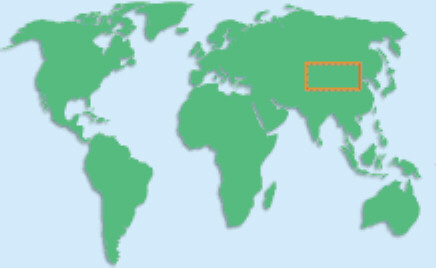
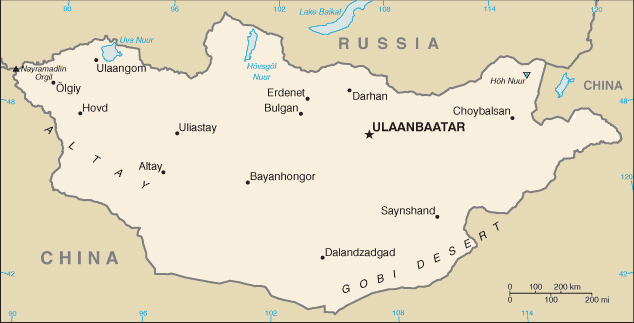
Click on map for larger view
Click on flag for Country Report




Norov Altnkhuyag
Prime Minister since 9 August 2012
Prime Minister since 9 August 2012
| TRAFFICKING IN PERSONS |
None reported.