| MONGOLIA Updated 05 September 2012 |
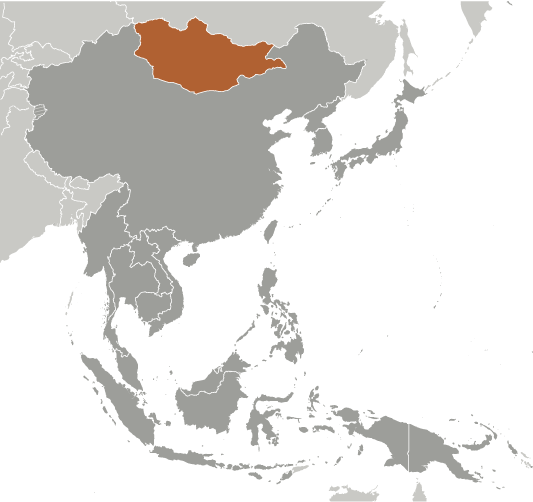
Mongolia is located in the North of the Asian Continent, with a population of 3,179,997, making it the 135th largest
national population. Its capital and largest city is Ulaanbaatar with a total population of 1,221,000. The country
encompasses 1,564,116 square kilometers making it the 19th largest country in total area. It shares boundaries with
Russia and China.
President Tsakhiagiin Elbegdorj is recognized as the Chief of State and achieves that status as a candidate
nominated by political parties represented in the State Great Hural and elected by popular vote, holds that position
for a four year term and is eligible for a second term. Prime Minister Norov Altnkhuyag is recognized as the Head
of Government and, along with Deputy Prime Minister Miegombyn Enkhbold, achieves that status following
legislative elections, when the leader of majority party or majority coalition is usually elected prime minister by State
Great Hural. Its form of government is a mixed Parliamentary / Presidential system and they celebrate the creation
of their constitution on 12th of February 1992.
The languages commonly or officially spoken are Khalkha Mongol, Turkic and Russian. It counts among its major
religions Buddhist Lamaist, none, Shamanist and Christian. As sources of mass communication it has 7 AM, 62
FM, 3 Short Wave and 52 Television stations.
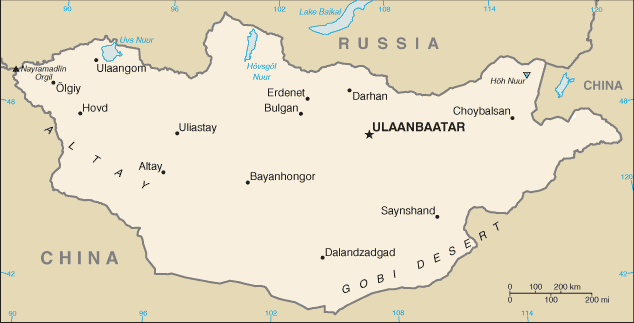
Major geographical features are Nayramadlin Orgil, its highest point at 4,374 meters and Hoh Nuur, its lowest point
at 518 meters. Its principal waterway is Lake Hovsgol, which measures 103 kilometers.
Major industries providing for the bulk of their Gross Domestic Product (GDP) are construction/ construction
materials, mining, oil, food and beverages and processing animal products. Its official currency is the Mongolian
togrog/ tugriks.
Here’s something you may not know about Mongolia. Przewalski’s horse was once indigenous to Mongolia but
became extinct in the wild. Zoos worldwide are trying to save these through breeding and a program re-introduced
these horses back in the Mongolian wild.
national population. Its capital and largest city is Ulaanbaatar with a total population of 1,221,000. The country
encompasses 1,564,116 square kilometers making it the 19th largest country in total area. It shares boundaries with
Russia and China.
President Tsakhiagiin Elbegdorj is recognized as the Chief of State and achieves that status as a candidate
nominated by political parties represented in the State Great Hural and elected by popular vote, holds that position
for a four year term and is eligible for a second term. Prime Minister Norov Altnkhuyag is recognized as the Head
of Government and, along with Deputy Prime Minister Miegombyn Enkhbold, achieves that status following
legislative elections, when the leader of majority party or majority coalition is usually elected prime minister by State
Great Hural. Its form of government is a mixed Parliamentary / Presidential system and they celebrate the creation
of their constitution on 12th of February 1992.
The languages commonly or officially spoken are Khalkha Mongol, Turkic and Russian. It counts among its major
religions Buddhist Lamaist, none, Shamanist and Christian. As sources of mass communication it has 7 AM, 62
FM, 3 Short Wave and 52 Television stations.
Major geographical features are Nayramadlin Orgil, its highest point at 4,374 meters and Hoh Nuur, its lowest point
at 518 meters. Its principal waterway is Lake Hovsgol, which measures 103 kilometers.
Major industries providing for the bulk of their Gross Domestic Product (GDP) are construction/ construction
materials, mining, oil, food and beverages and processing animal products. Its official currency is the Mongolian
togrog/ tugriks.
Here’s something you may not know about Mongolia. Przewalski’s horse was once indigenous to Mongolia but
became extinct in the wild. Zoos worldwide are trying to save these through breeding and a program re-introduced
these horses back in the Mongolian wild.

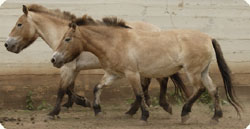
| Przewalski's Horse running free on the Steppes |
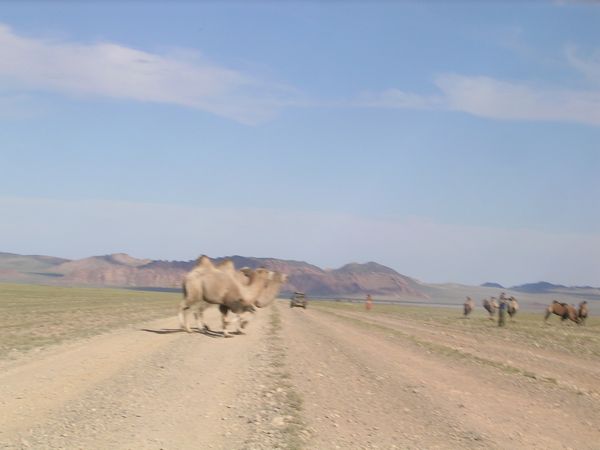
| Camels in the Gobi Desert |
| Ganden Monastery |
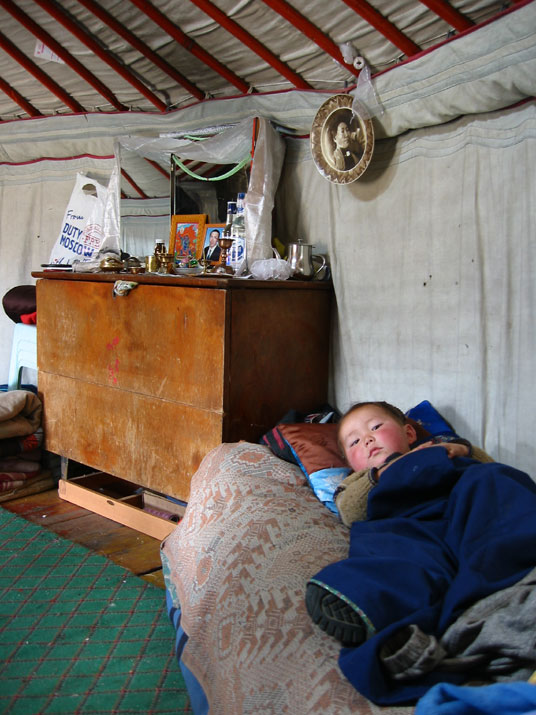
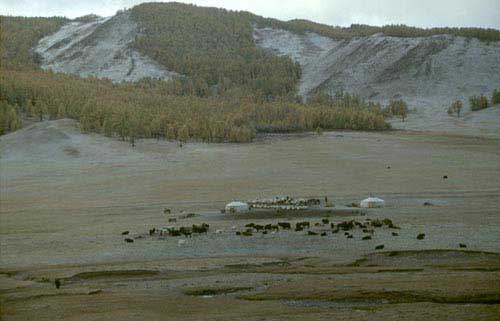
| Mongolian gars (pronounced "yurts") |
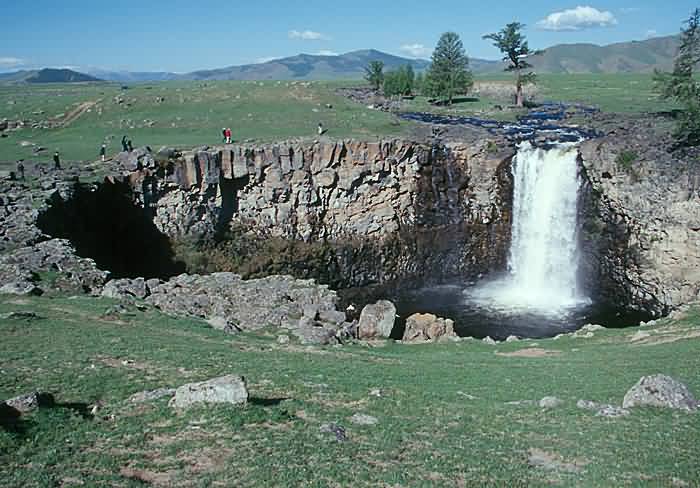
| Orkhon River Falls on the Steppes- Mongolia's biggest waterfall |
| Mongolian baby in a gar |


| Abi's Home Page |

| Back to |
| NEWSPAPERS Mongolia Today UB Post Montsame |
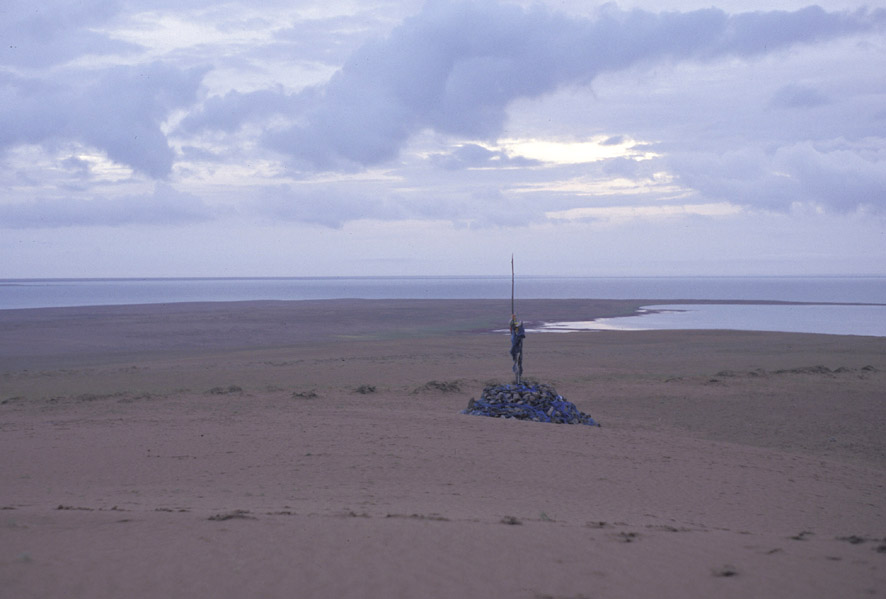
| Uvs Nuur- a desert lake in the Northwest of Mongolia |
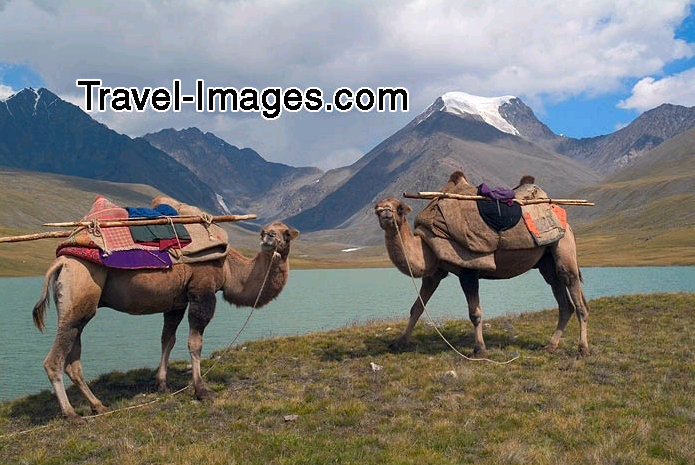
| Camels grazing before Hoh Nuur (Blue Lake)- Mongolia's lowest point |
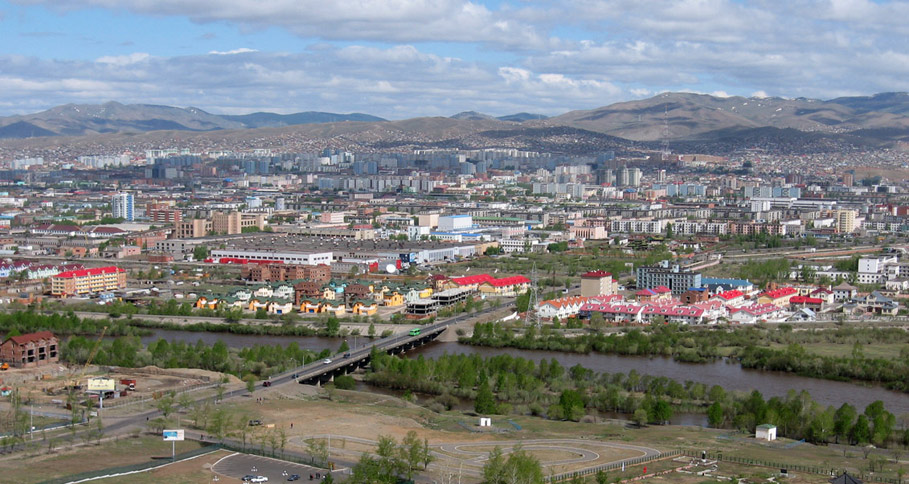
| Ulaanbaatar- Mongolia's capital and largest city |
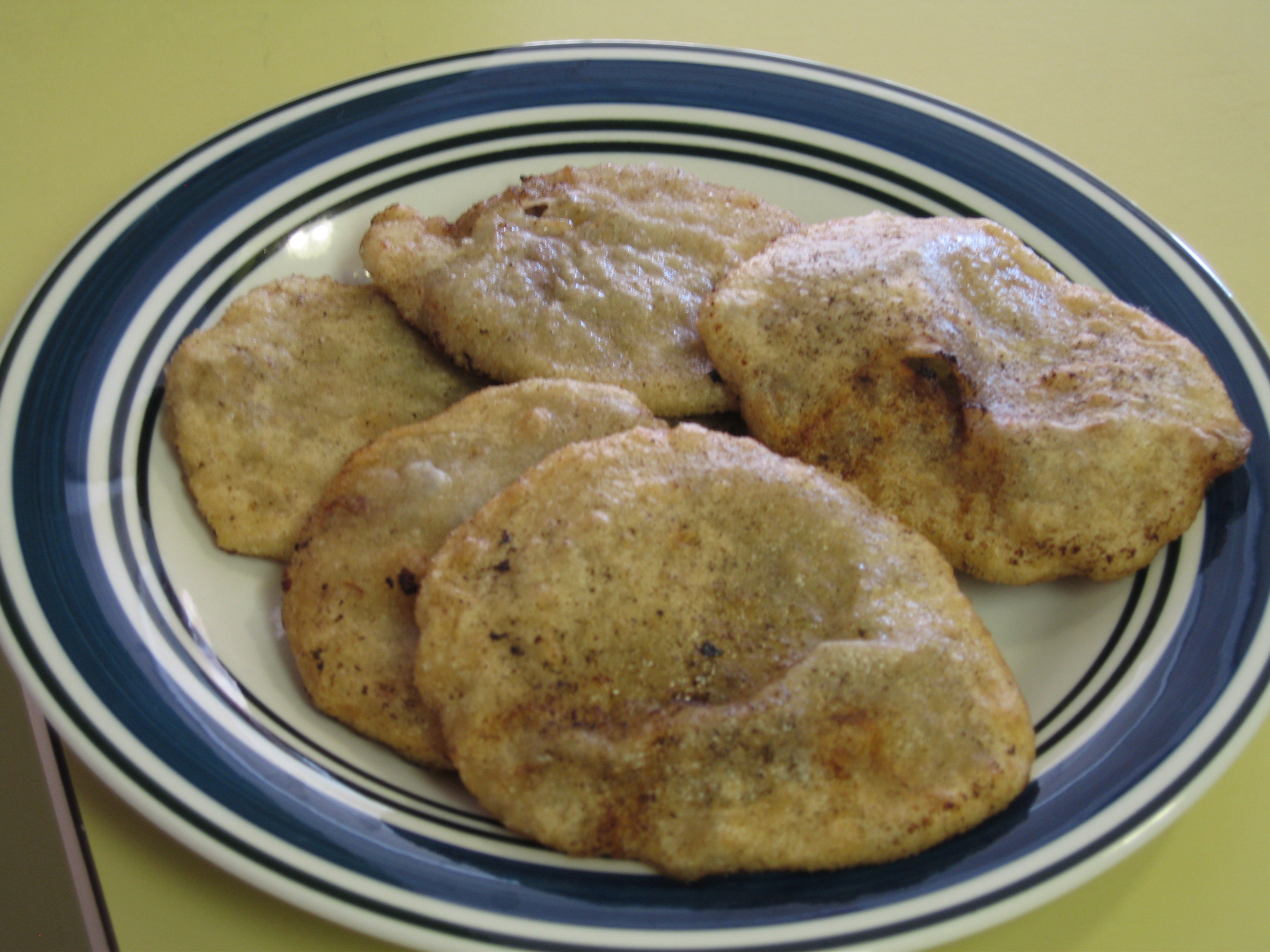
| Khuushuur- a meat dumpling and a favorite Mongolian dish |
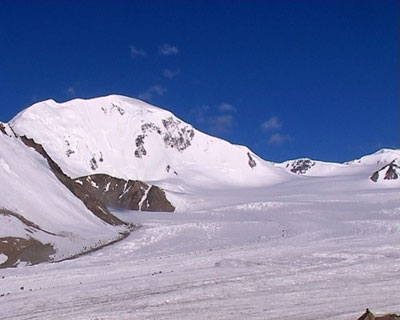
| Nayramadlin Orgil- Mongolia's highest and westernmost point on the tri-border with Russia and China |

| Deel- traditional Mongolian dress |


Read about human rights in Pax
Gaea World Post Report!
Gaea World Post Report!
| Adult Prevalence Rate: People Living with HIV/AIDS: HIV/AIDS Deaths: |
less than 0.1% *2009 est.)
less than 500
less than 100
less than 500
less than 100
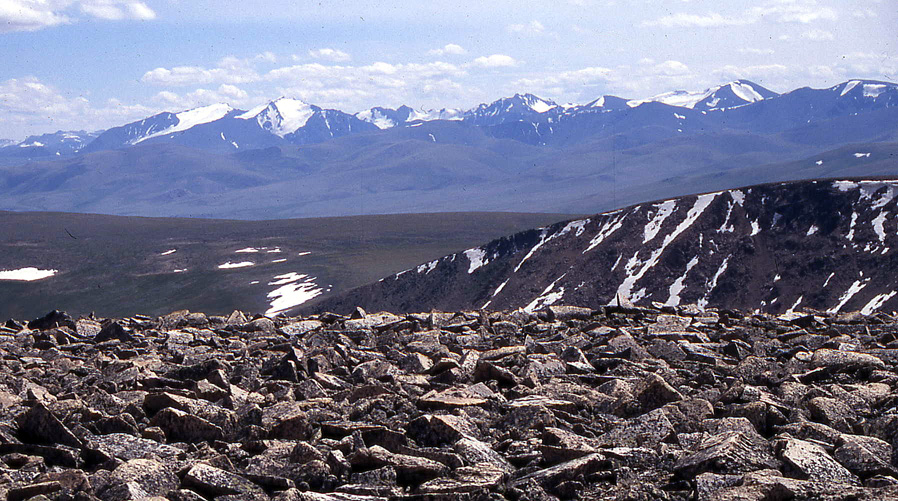
| Altay Mountains which form Mongolia's southwest border with China |
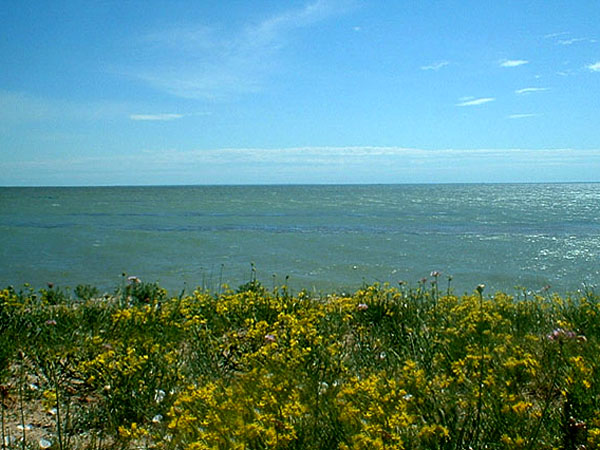
| Beier Nuur- Mongolia's easternmost point on the border with China |
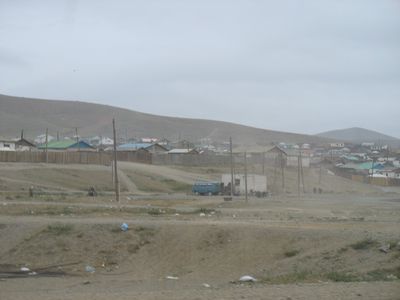
| Dalandzadgad- Mongolia's southernmost city near the border with China |
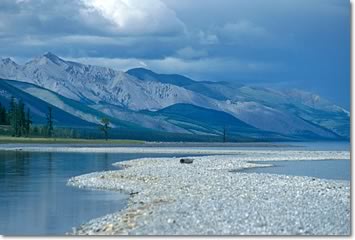
| Lake Hovsgol National Park- Mongolia's northernmost point on the border with Russia |