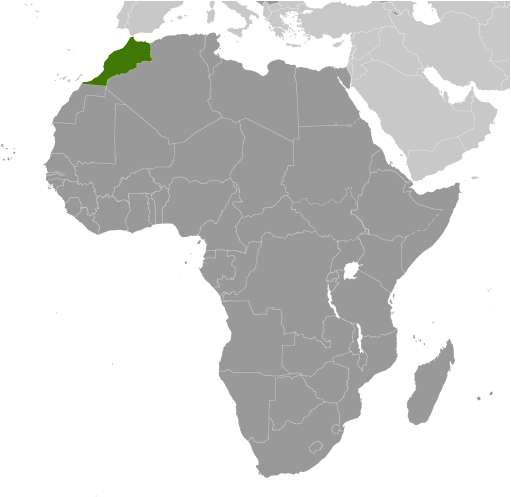
| MOROCCO Kingdom of Morocco Al Mamlakah al Maghribiyah Joined United Nations: 12 November 1956 Human Rights as assured by their constitution Click here Updated 31 July 2012 |
| CAPITAL |
| POPULATION |
| CHIEF OF STATE |
| SELECTION PROCESS |
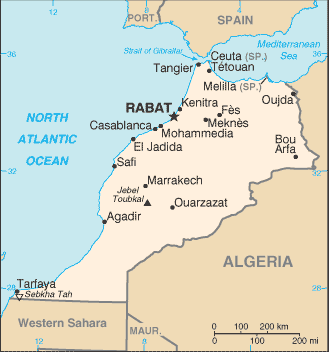
Rabat
32,309,239 (July 2011 est.)
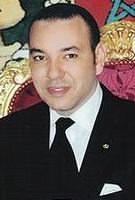
Mohamed VI
King since 30 July 1999
King since 30 July 1999
Ascended to the throne upon the death of his father King
Hassan II after 38 year rule
The monarchy is hereditary; heir apparent is Crown
Prince Moulay Al-Hassan
Hassan II after 38 year rule
The monarchy is hereditary; heir apparent is Crown
Prince Moulay Al-Hassan
HEAD OF GOVERNMENT
SELECTION PROCESS
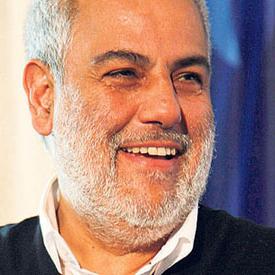
Abdelilah Benkirane
Prime Minister since 29 November 2011
Prime Minister since 29 November 2011
Following legislative elections, the leader of the majority party or
the leader of the majority coalition is usually the prime minister
the leader of the majority coalition is usually the prime minister
| DECLARATION OF HUMAN RIGHTS |
| ETHNIC GROUPS |
Arab-Berber 99.1%, other 0.7%, Jewish 0.2%
| RELIGIONS |
Muslim 99% (official), Christian 1%, Jewish about 6,000
| GOVERNMENT STRUCTURE |
Constitutional monarchy comprised of 15 regions Legal system is based on Islamic law and French and Spanish civil
law system; judicial review of legislative acts in Constitutional Chamber of Supreme Court
Executive: The monarch is hereditary; prime minister appointed by the monarch following legislative elections
Legislative: bicameral Parliament consists of an upper house or Chamber of Counselors (270 seats; members
elected indirectly by local councils, professional organizations, and labor syndicates for nine-year terms; one-third of
the members are renewed every three years) and a lower house or Chamber of Representatives (325 seats; 295 by
multi-seat constituencies and 30 from national lists of women; members elected by popular vote for five-year terms)
elections: Chamber of Counselors - last held on 3 October 2009 (next to be held in 2012); Chamber of
Representatives - last held on 25 November 2011 (next to be held in 2016)
Judicial: Supreme Court (judges are appointed on the recommendation of the Supreme Council of the Judiciary,
presided over by the monarch)
law system; judicial review of legislative acts in Constitutional Chamber of Supreme Court
Executive: The monarch is hereditary; prime minister appointed by the monarch following legislative elections
Legislative: bicameral Parliament consists of an upper house or Chamber of Counselors (270 seats; members
elected indirectly by local councils, professional organizations, and labor syndicates for nine-year terms; one-third of
the members are renewed every three years) and a lower house or Chamber of Representatives (325 seats; 295 by
multi-seat constituencies and 30 from national lists of women; members elected by popular vote for five-year terms)
elections: Chamber of Counselors - last held on 3 October 2009 (next to be held in 2012); Chamber of
Representatives - last held on 25 November 2011 (next to be held in 2016)
Judicial: Supreme Court (judges are appointed on the recommendation of the Supreme Council of the Judiciary,
presided over by the monarch)
| LANGUAGES |
Arabic (official), Berber dialects, French often the language of business, government, and diplomacy
| BRIEF HISTORY |
| ECONOMIC OVERVIEW |
Morocco has capitalized on its proximity to Europe and relatively low labor costs to build a diverse, open,
market-oriented economy. In the 1980s Morocco pursued austerity measures and pro-market reforms, overseen by
the IMF. Since taking the throne in 1999, King MOHAMMED VI has presided over a stable economy marked by
steady growth, low inflation, and generally declining government debt. Industrial development strategies and
infrastructure improvements - most visibly illustrated by a new port and free trade zone near Tangier - are improving
Morocco's competitiveness. Key sectors of the economy include agriculture, tourism, phosphates, textiles, apparel,
and subcomponents. In 2006 Morocco entered into a bilateral Free Trade Agreement with the United States; it
remains the only African country to have one. In 2008 Morocco entered into an Advanced Status agreement with
the European Union. Despite Morocco's economic progress, the country suffers from high unemployment and
poverty. In 2011, high food and fuel prices strained the government's budget and widened the country's current
account deficit. Key economic challenges for Morocco include fighting corruption, reducing government spending,
reforming the education system and judiciary, addressing socioeconomic disparities, and building more diverse,
higher value-added industries.
Source: CIA World Factbook (select Morocco)
market-oriented economy. In the 1980s Morocco pursued austerity measures and pro-market reforms, overseen by
the IMF. Since taking the throne in 1999, King MOHAMMED VI has presided over a stable economy marked by
steady growth, low inflation, and generally declining government debt. Industrial development strategies and
infrastructure improvements - most visibly illustrated by a new port and free trade zone near Tangier - are improving
Morocco's competitiveness. Key sectors of the economy include agriculture, tourism, phosphates, textiles, apparel,
and subcomponents. In 2006 Morocco entered into a bilateral Free Trade Agreement with the United States; it
remains the only African country to have one. In 2008 Morocco entered into an Advanced Status agreement with
the European Union. Despite Morocco's economic progress, the country suffers from high unemployment and
poverty. In 2011, high food and fuel prices strained the government's budget and widened the country's current
account deficit. Key economic challenges for Morocco include fighting corruption, reducing government spending,
reforming the education system and judiciary, addressing socioeconomic disparities, and building more diverse,
higher value-added industries.
Source: CIA World Factbook (select Morocco)
| POLITICAL CLIMATE |
The constitution grants the king extensive powers; he is both the political leader and the "Defender of the Faith". He
presides over the Council of Ministers; appoints the Prime Minister following legislative elections, and on
recommendations from the latter, appoints the members of the government. While the constitution theoretically allows
the king to terminate the tenure of any minister, and after consultation with the heads of the higher and lower
Assemblies, to dissolve the Parliament, suspend the constitution, call for new elections, or rule by decree, the only
time this happened was in 1965. The King is formally the chief of the military. Upon the death of his father
Mohammed V, King Hassan II succeeded to the throne in 1961. He ruled Morocco for the next 38 years, until he
died in 1999. His son, King Mohammed VI, assumed the throne in July 1999.
Following the March 1998 elections, a coalition government headed by opposition socialist leader Abderrahmane
Youssoufi and composed largely of ministers drawn from opposition parties, was formed. Prime Minister Youssoufi's
government is the first government drawn primarily from opposition parties in decades, and also represents the first
opportunity for a coalition of socialist, left-of-center, and nationalist parties to be included in the government until
October 2002. It was also the first time in the modern political history of the Arab world that the opposition assumed
power following an election. The current government is headed by Abbas El Fassi.
On June 17,2011 King Mohamed VI announced a series of reforms that would transform Morocco into a
constitutional monarchy. On November 26, 2011 initial results of parliamentary elections were released. The
moderate Islamist party, the Justice and Development Party (PJD), was projected to win the largest number of seats.
However, the electoral rules were structured such that no political party could ever win more than 20 percent of the
seats in the parliament.
Click here to read more »
presides over the Council of Ministers; appoints the Prime Minister following legislative elections, and on
recommendations from the latter, appoints the members of the government. While the constitution theoretically allows
the king to terminate the tenure of any minister, and after consultation with the heads of the higher and lower
Assemblies, to dissolve the Parliament, suspend the constitution, call for new elections, or rule by decree, the only
time this happened was in 1965. The King is formally the chief of the military. Upon the death of his father
Mohammed V, King Hassan II succeeded to the throne in 1961. He ruled Morocco for the next 38 years, until he
died in 1999. His son, King Mohammed VI, assumed the throne in July 1999.
Following the March 1998 elections, a coalition government headed by opposition socialist leader Abderrahmane
Youssoufi and composed largely of ministers drawn from opposition parties, was formed. Prime Minister Youssoufi's
government is the first government drawn primarily from opposition parties in decades, and also represents the first
opportunity for a coalition of socialist, left-of-center, and nationalist parties to be included in the government until
October 2002. It was also the first time in the modern political history of the Arab world that the opposition assumed
power following an election. The current government is headed by Abbas El Fassi.
On June 17,2011 King Mohamed VI announced a series of reforms that would transform Morocco into a
constitutional monarchy. On November 26, 2011 initial results of parliamentary elections were released. The
moderate Islamist party, the Justice and Development Party (PJD), was projected to win the largest number of seats.
However, the electoral rules were structured such that no political party could ever win more than 20 percent of the
seats in the parliament.
Click here to read more »
| INTERNATIONAL DISPUTES |
Claims and administers Western Sahara whose sovereignty remains unresolved; Morocco protests Spain's control
over the coastal enclaves of Ceuta, Melilla, and Penon de Velez de la Gomera, the islands of Penon de Alhucemas
and Islas Chafarinas, and surrounding waters; both countries claim Isla Perejil (Leila Island); discussions have not
progressed on a comprehensive maritime delimitation, setting limits on resource exploration and refugee interdiction,
since Morocco's 2002 rejection of Spain's unilateral designation of a median line from the Canary Islands; Morocco
serves as one of the primary launching areas of illegal migration into Spain from North Africa; Algeria's border with
Morocco remains an irritant to bilateral relations, each nation accusing the other of harboring militants and arms
smuggling; the National Liberation Front's assertions of a claim to Chirac Pastures in southeastern Morocco is a
dormant dispute
over the coastal enclaves of Ceuta, Melilla, and Penon de Velez de la Gomera, the islands of Penon de Alhucemas
and Islas Chafarinas, and surrounding waters; both countries claim Isla Perejil (Leila Island); discussions have not
progressed on a comprehensive maritime delimitation, setting limits on resource exploration and refugee interdiction,
since Morocco's 2002 rejection of Spain's unilateral designation of a median line from the Canary Islands; Morocco
serves as one of the primary launching areas of illegal migration into Spain from North Africa; Algeria's border with
Morocco remains an irritant to bilateral relations, each nation accusing the other of harboring militants and arms
smuggling; the National Liberation Front's assertions of a claim to Chirac Pastures in southeastern Morocco is a
dormant dispute


| REFUGEES AND INTERNALLY DISPLACED PERSONS (IDP) |
None reported.
| ILLICIT DRUGS |
One of the world's largest producers of illicit hashish; shipments of hashish mostly directed to Western Europe;
transit point for cocaine from South America destined for Western Europe; significant consumer of cannabis
transit point for cocaine from South America destined for Western Europe; significant consumer of cannabis
| HUMAN RIGHTS STATEMENTS, ANALYSIS AND CRITIQUES |
2011 Human Rights Practices: Morocco
Bureau of Democracy, Human Rights, and Labor
2011 Country Reports on Human Rights Practices
May 25, 2012
EXECUTIVE SUMMARY
Morocco is a monarchy with a constitution, under which ultimate authority rests with King Mohammed VI, who presides over the
Council of Ministers. The king may dismiss ministers, dissolve parliament, and call for new elections. International and domestic
observers judged that the November 25 parliamentary elections were credible and relatively free from government-sponsored
irregularities. Security forces reported to civilian authorities.
Beginning in the spring, the country underwent a four-month constitutional reform process. In a March 9 speech, the king outlined
the guidelines for the new constitution. A commission of experts whom he appointed wrote it, with input from an “accompanying
mechanism” coordinating with political parties and numerous nongovernmental organizations (NGOs), associations, and individuals.
The king presented the text publicly on June 17, and the populace adopted it in a referendum on July 1. This new document
safeguards the essential powers of the king as the supreme arbiter among political forces, while marginally increasing the authority
of parliament. The new constitution made significant steps in codifying civil liberties and advancing gender parity. Arab Spring-
inspired social upheaval was relatively mild, although a new protest movement emerged, the February 20 Movement, that staged
near-weekly peaceful demonstrations across the country to demand political, economic, and social reforms as well as an end to
government corruption, to which the government sometimes responded with excessive force (see below).
The most significant, continuing human rights problems were the lack of citizens’ right to change the constitutional provisions
establishing the country’s monarchical form of government, arbitrary arrests, and corruption in all branches of government.
Other human rights problems reported during the year included police use of excessive force to quell peaceful protests, resulting in
dozens of injuries and at least four deaths; torture and other abuses by the security forces; incommunicado detention; poor prison
and detention conditions; political prisoners and detainees; infringement of freedom of the press; lack of freedom of assembly; lack
of independence of the judiciary; discrimination against women and girls; trafficking in persons; and child labor, particularly in the
informal sector.
Click here to read more »
Bureau of Democracy, Human Rights, and Labor
2011 Country Reports on Human Rights Practices
May 25, 2012
EXECUTIVE SUMMARY
Morocco is a monarchy with a constitution, under which ultimate authority rests with King Mohammed VI, who presides over the
Council of Ministers. The king may dismiss ministers, dissolve parliament, and call for new elections. International and domestic
observers judged that the November 25 parliamentary elections were credible and relatively free from government-sponsored
irregularities. Security forces reported to civilian authorities.
Beginning in the spring, the country underwent a four-month constitutional reform process. In a March 9 speech, the king outlined
the guidelines for the new constitution. A commission of experts whom he appointed wrote it, with input from an “accompanying
mechanism” coordinating with political parties and numerous nongovernmental organizations (NGOs), associations, and individuals.
The king presented the text publicly on June 17, and the populace adopted it in a referendum on July 1. This new document
safeguards the essential powers of the king as the supreme arbiter among political forces, while marginally increasing the authority
of parliament. The new constitution made significant steps in codifying civil liberties and advancing gender parity. Arab Spring-
inspired social upheaval was relatively mild, although a new protest movement emerged, the February 20 Movement, that staged
near-weekly peaceful demonstrations across the country to demand political, economic, and social reforms as well as an end to
government corruption, to which the government sometimes responded with excessive force (see below).
The most significant, continuing human rights problems were the lack of citizens’ right to change the constitutional provisions
establishing the country’s monarchical form of government, arbitrary arrests, and corruption in all branches of government.
Other human rights problems reported during the year included police use of excessive force to quell peaceful protests, resulting in
dozens of injuries and at least four deaths; torture and other abuses by the security forces; incommunicado detention; poor prison
and detention conditions; political prisoners and detainees; infringement of freedom of the press; lack of freedom of assembly; lack
of independence of the judiciary; discrimination against women and girls; trafficking in persons; and child labor, particularly in the
informal sector.
Click here to read more »
21 December 2011
Committee against Torture
Forty-seventh session
31 October–25 November 2011
Consideration of reports submitted by States parties under article 19 of the Convention
Concluding observations of the Committee against Torture
Morocco
A. Introduction
2. The Committee welcomes the submission of the fourth periodic report of Morocco, the written replies provided by the State
party (CAT/C/MAR/Q/4/Add.1) to the list of issues (CAT/C/MAR/Q/4) and the supplementary information provided orally by the
Moroccan delegation during the consideration of the report, although it regrets the delay of over two years in its submission. The
Committee welcomes the constructive dialogue held with the delegation of experts sent by the State party and thanks it for its
detailed responses to the questions raised, as well as the additional written replies which have been supplied.
B. Positive aspects
3. The Committee takes note with satisfaction of the action taken by the State party during the period under consideration regarding
the following international human rights instruments:
(a) The ratification of the International Convention for the Protection of All Persons from Enforced Disappearance, in April 2009;
(b) The ratification of the Convention on the Rights of Persons with Disabilities and its Optional Protocol, in April 2009;
C. Principal subjects of concern and recommendations
Definition and criminalization of torture
5. While aware that bills that would amend the Criminal Code are currently being processed, the Committee remains concerned by
the fact that the definition of torture contained in article 231.1 of the current Criminal Code is not fully in conformity with article 1
of the Convention due to its restricted scope. The definition contained in article 231.1 of the Criminal Code encompasses the main
elements of article 1 of the Convention, but does not cover complicity or explicit or tacit consent on the part of law enforcement or
security personnel or any other person acting in an official capacity. The Committee also regrets to note that the Criminal Code
does not establish the imprescriptibility of the crime of torture, its previous recommendations in that regard notwithstanding1 (arts.
1 and 4).
The State party should ensure that the bills currently before Parliament extend the scope of the definition of torture to conform to
article 1 of the Convention against Torture. The State party should also make certain that, in keeping with its international
obligations, anyone who commits acts of torture, attempts to commit torture, or is complicit or otherwise participates in such acts
is investigated, prosecuted and punished without the possibility of availing themselves of any statute of limitations.
Click here to read more »
Committee against Torture
Forty-seventh session
31 October–25 November 2011
Consideration of reports submitted by States parties under article 19 of the Convention
Concluding observations of the Committee against Torture
Morocco
A. Introduction
2. The Committee welcomes the submission of the fourth periodic report of Morocco, the written replies provided by the State
party (CAT/C/MAR/Q/4/Add.1) to the list of issues (CAT/C/MAR/Q/4) and the supplementary information provided orally by the
Moroccan delegation during the consideration of the report, although it regrets the delay of over two years in its submission. The
Committee welcomes the constructive dialogue held with the delegation of experts sent by the State party and thanks it for its
detailed responses to the questions raised, as well as the additional written replies which have been supplied.
B. Positive aspects
3. The Committee takes note with satisfaction of the action taken by the State party during the period under consideration regarding
the following international human rights instruments:
(a) The ratification of the International Convention for the Protection of All Persons from Enforced Disappearance, in April 2009;
(b) The ratification of the Convention on the Rights of Persons with Disabilities and its Optional Protocol, in April 2009;
C. Principal subjects of concern and recommendations
Definition and criminalization of torture
5. While aware that bills that would amend the Criminal Code are currently being processed, the Committee remains concerned by
the fact that the definition of torture contained in article 231.1 of the current Criminal Code is not fully in conformity with article 1
of the Convention due to its restricted scope. The definition contained in article 231.1 of the Criminal Code encompasses the main
elements of article 1 of the Convention, but does not cover complicity or explicit or tacit consent on the part of law enforcement or
security personnel or any other person acting in an official capacity. The Committee also regrets to note that the Criminal Code
does not establish the imprescriptibility of the crime of torture, its previous recommendations in that regard notwithstanding1 (arts.
1 and 4).
The State party should ensure that the bills currently before Parliament extend the scope of the definition of torture to conform to
article 1 of the Convention against Torture. The State party should also make certain that, in keeping with its international
obligations, anyone who commits acts of torture, attempts to commit torture, or is complicit or otherwise participates in such acts
is investigated, prosecuted and punished without the possibility of availing themselves of any statute of limitations.
Click here to read more »
Moroccan Rapper Sentenced to Prison for “Defamatory” Song
May 11 2012 - 3:41pm
The May 11 sentencing of a Moroccan rapper to prison for insulting the country's police force draws further attention to
Morocco's deeply flawed defamation law and its use for stifling freedom of expression by both citizens and the press.
Mouad Belghouat, known as El-Haqed or “The Sullen One,” was sentenced to one year in prison for his song, "Dogs of the State."
He was arrested on March 29 following a filed complaint by Morocco’s Director General of National Security, and questioned
about photos appearing in a YouTube video posted in January that featured the song. The photo montage was deemed offensive to
the monarchy and Morocco's public institutions, but fellow activists argue the rapper had no role in creating the video. Freedom
House condemns El-Haqed’s conviction and urges his release.
According to the Associated Press, El-Haqed was an outspoken participant in the February 20 Movement, a youth-led protest
movement that organized major demonstrations beginning on that date in 2011, as the Arab Spring citizen revolts were
reverberating across North Africa. While King Mohamed VI has introduced token constitutional reforms to placate protesters, the
country continues to have a poor record on freedom of expression, earning a rating of Not Free in Freedom House’s Freedom of
the Press 2012 survey. In February 2010, blogger and activist Boubaker al-Yadib was sentenced to six months in prison for
encouraging a protest in defense of freedom of expression, and the government has been known to occasionally disrupt websites
and crack down on any content that is deemed offensive to the monarchy.
Click here to read more »
May 11 2012 - 3:41pm
The May 11 sentencing of a Moroccan rapper to prison for insulting the country's police force draws further attention to
Morocco's deeply flawed defamation law and its use for stifling freedom of expression by both citizens and the press.
Mouad Belghouat, known as El-Haqed or “The Sullen One,” was sentenced to one year in prison for his song, "Dogs of the State."
He was arrested on March 29 following a filed complaint by Morocco’s Director General of National Security, and questioned
about photos appearing in a YouTube video posted in January that featured the song. The photo montage was deemed offensive to
the monarchy and Morocco's public institutions, but fellow activists argue the rapper had no role in creating the video. Freedom
House condemns El-Haqed’s conviction and urges his release.
According to the Associated Press, El-Haqed was an outspoken participant in the February 20 Movement, a youth-led protest
movement that organized major demonstrations beginning on that date in 2011, as the Arab Spring citizen revolts were
reverberating across North Africa. While King Mohamed VI has introduced token constitutional reforms to placate protesters, the
country continues to have a poor record on freedom of expression, earning a rating of Not Free in Freedom House’s Freedom of
the Press 2012 survey. In February 2010, blogger and activist Boubaker al-Yadib was sentenced to six months in prison for
encouraging a protest in defense of freedom of expression, and the government has been known to occasionally disrupt websites
and crack down on any content that is deemed offensive to the monarchy.
Click here to read more »
24 May 2012
Report 2012: No longer business as usual for tyranny and injustice
Strong Arms Trade Treaty needed as UN Security Council looks unfit for purpose
The courage shown by protesters in the past 12 months has been matched by a failure of leadership that makes the UN Security
Council seem tired, out of step and increasingly unfit for purpose, Amnesty International said as it launched its 50th global human
rights report with a call for a strong global Arms Trade Treaty later this year.
“Failed leadership has gone global in the last year, with politicians responding to protests with brutality or indifference.
Governments must show legitimate leadership and reject injustice by protecting the powerless and restraining the powerful. It is
time to put people before corporations and rights before profits,” said Salil Shetty, Amnesty International Secretary General.
The vocal and enthusiastic support for the protest movements shown by many global and regional powers in the early months of
2011, has not translated into action. As Egyptians go to the polls to vote for a new president, it looks increasingly as if the
opportunities for change created by the protesters are being squandered.
“In the last year it has all too often become clear that opportunistic alliances and financial interests have trumped human rights as
global powers jockey for influence in the Middle East and North Africa,” said Salil Shetty.
“The language of human rights is adopted when it serves political or corporate agendas, and shelved
when inconvenient or standing in the way of profit.”
A failure to intervene in Sri Lanka and inaction over crimes against humanity in Syria – one of Russia’s main customers for arms –
left the UN Security Council looking redundant as a guardian of global peace. The emerging powerhouses of India, Brazil and South
Africa have too often been complicit through their silence.
“There is a clear and compelling case for the situation in Syria to be referred to the International Criminal Court for investigation of
crimes against humanity. The determination of some UN Security Council members to shield Syria at any cost leaves accountability
for these crimes elusive and is a betrayal of the Syrian people,” said Salil Shetty.
Amnesty International Report 2012 documents specific restrictions on free speech in at least 91 countries as well as cases of
people tortured or otherwise ill-treated in at least 101 countries – in many cases for taking part in demonstrations.
Click here to read more »
Report 2012: No longer business as usual for tyranny and injustice
Strong Arms Trade Treaty needed as UN Security Council looks unfit for purpose
The courage shown by protesters in the past 12 months has been matched by a failure of leadership that makes the UN Security
Council seem tired, out of step and increasingly unfit for purpose, Amnesty International said as it launched its 50th global human
rights report with a call for a strong global Arms Trade Treaty later this year.
“Failed leadership has gone global in the last year, with politicians responding to protests with brutality or indifference.
Governments must show legitimate leadership and reject injustice by protecting the powerless and restraining the powerful. It is
time to put people before corporations and rights before profits,” said Salil Shetty, Amnesty International Secretary General.
The vocal and enthusiastic support for the protest movements shown by many global and regional powers in the early months of
2011, has not translated into action. As Egyptians go to the polls to vote for a new president, it looks increasingly as if the
opportunities for change created by the protesters are being squandered.
“In the last year it has all too often become clear that opportunistic alliances and financial interests have trumped human rights as
global powers jockey for influence in the Middle East and North Africa,” said Salil Shetty.
“The language of human rights is adopted when it serves political or corporate agendas, and shelved
when inconvenient or standing in the way of profit.”
A failure to intervene in Sri Lanka and inaction over crimes against humanity in Syria – one of Russia’s main customers for arms –
left the UN Security Council looking redundant as a guardian of global peace. The emerging powerhouses of India, Brazil and South
Africa have too often been complicit through their silence.
“There is a clear and compelling case for the situation in Syria to be referred to the International Criminal Court for investigation of
crimes against humanity. The determination of some UN Security Council members to shield Syria at any cost leaves accountability
for these crimes elusive and is a betrayal of the Syrian people,” said Salil Shetty.
Amnesty International Report 2012 documents specific restrictions on free speech in at least 91 countries as well as cases of
people tortured or otherwise ill-treated in at least 101 countries – in many cases for taking part in demonstrations.
Click here to read more »
Morocco/Western Sahara: No Action on Police Beating of Rights Worker
Dead-End Investigations Fuel Impunity
May 15, 2012
(Rabat) – The failure of Moroccan authorities to follow through on investigating the beating by police of a Human Rights Watch
research assistant is a case study of impunity for police violence.
On November 8, 2010, Moroccan police in the city of El-Ayoun, Western Sahara, pulled aside Brahim Elansari and beat him in plain
sight of an American journalist. In the 18 months since the beating, Moroccan authorities have provided neither Elansari nor Human
Rights Watch with any information about the progress of any investigation, despite written requests from Human Rights Watch.
“If there is impunity for police who beat up a citizen who works for an international organization in broad daylight, in front of
witnesses and despite formal complaints, it’s clear how vulnerable ordinary citizens are,” said Sarah Leah Whitson, Middle East and
North Africa director at Human Rights Watch.
On November 22, 2010, Human Rights Watch wrote to the Interior Ministry, providing evidence about the beating from Elansari
and the journalist who witnessed the beating, and requesting an investigation. The ministry responded two days later with a written
pledge to conduct an investigation and to inform Human Rights Watch of the results. On December 22, 2010, Elansari himself filed
a written complaint about the beating with the Office of the Prosecutor in El-Ayoun, requesting an investigation.
In the November 22, 2010 letter from Human Rights Watch, both Elansari and the journalist John Thorne, who was based in Rabat
at the time for the Abu Dhabi-based daily The National, provided detailed accounts of the attack. A group of policemen surrounded
Elansari on a downtown street and beat, slapped, kicked, and insulted him, calling him a “traitor” and a “separatist,” both said.
Elansari is of Sahrawi origin and had previously been affiliated with Sahrawi human rights organizations in El-Ayoun. The
authorities consider these associations to be hostile to Morocco’s rule over the disputed territory and sympathetic to calls for self-
determination or independence for Western Sahara.
Elansari’s and Thorne’s accounts, as communicated to the government, are below.
On November 24, 2010, Mohamed Ouezgane, the director of the Regulations and Public Liberties department at the Interior
Ministry, replied by e-mail, saying: “The minister of interior has ordered an administrative investigation into this case. In addition …
the justice minister … has instructed the general prosecutor at the El-Ayoun court to open a judicial investigation…. The Moroccan
authorities remain ready to handle all allegations that you receive and to respond to them with the necessary promptness.”
Click here to read more »
Dead-End Investigations Fuel Impunity
May 15, 2012
(Rabat) – The failure of Moroccan authorities to follow through on investigating the beating by police of a Human Rights Watch
research assistant is a case study of impunity for police violence.
On November 8, 2010, Moroccan police in the city of El-Ayoun, Western Sahara, pulled aside Brahim Elansari and beat him in plain
sight of an American journalist. In the 18 months since the beating, Moroccan authorities have provided neither Elansari nor Human
Rights Watch with any information about the progress of any investigation, despite written requests from Human Rights Watch.
“If there is impunity for police who beat up a citizen who works for an international organization in broad daylight, in front of
witnesses and despite formal complaints, it’s clear how vulnerable ordinary citizens are,” said Sarah Leah Whitson, Middle East and
North Africa director at Human Rights Watch.
On November 22, 2010, Human Rights Watch wrote to the Interior Ministry, providing evidence about the beating from Elansari
and the journalist who witnessed the beating, and requesting an investigation. The ministry responded two days later with a written
pledge to conduct an investigation and to inform Human Rights Watch of the results. On December 22, 2010, Elansari himself filed
a written complaint about the beating with the Office of the Prosecutor in El-Ayoun, requesting an investigation.
In the November 22, 2010 letter from Human Rights Watch, both Elansari and the journalist John Thorne, who was based in Rabat
at the time for the Abu Dhabi-based daily The National, provided detailed accounts of the attack. A group of policemen surrounded
Elansari on a downtown street and beat, slapped, kicked, and insulted him, calling him a “traitor” and a “separatist,” both said.
Elansari is of Sahrawi origin and had previously been affiliated with Sahrawi human rights organizations in El-Ayoun. The
authorities consider these associations to be hostile to Morocco’s rule over the disputed territory and sympathetic to calls for self-
determination or independence for Western Sahara.
Elansari’s and Thorne’s accounts, as communicated to the government, are below.
On November 24, 2010, Mohamed Ouezgane, the director of the Regulations and Public Liberties department at the Interior
Ministry, replied by e-mail, saying: “The minister of interior has ordered an administrative investigation into this case. In addition …
the justice minister … has instructed the general prosecutor at the El-Ayoun court to open a judicial investigation…. The Moroccan
authorities remain ready to handle all allegations that you receive and to respond to them with the necessary promptness.”
Click here to read more »
29 July 2012
HM the King delivers speech to Nation on Throne Day
HM King Mohammed VI delivered, on Monday, a speech to the Nation on the occasion of the Throne Day which coincides with the
13th anniversary of the sovereign's accession to the throne of his glorious ancestors.
Praise be to God
May peace and blessings be upon the Prophet, His Kith and Kin
Dear Citizens,
Today, we are celebrating the 13th anniversary of my accession to the throne. This landmark event attests to the depth of the long-
lasting bond of the Bei’a, to the people’s and the throne’s unwavering loyalty towards each other, and to the harmony characterizing
their relationship.
This celebration is also a befitting opportunity to confirm our country’s basic policies as they have been enshrined in the Kingdom’s
new Constitution. The nation has unanimously perceived the new Constitution as a charter which reflects the nation’s spirit, given the
prospects it offers for effective citizen participation.
As a result, we have a collective duty to work together in order to fully develop our distinctive model, and to strengthen the
foundations of a modern Moroccan state imbued with the values of unity, progress, social justice and equity, thus reflecting a firm
commitment to our time-honored identity.
Our nation has entered a new era, not by coincidence or because of unforeseen circumstances, but rather as the result of a well-
thought-out policy and of a gradually implemented strategy that have been adopted since my accession to the throne. They are based
on our sovereign will and are fully consistent with the citizens’ legitimate expectations.
One of our foremost concerns was to enhance harmony and cohesion within the Moroccan society by achieving reconciliation -
between ourselves and with our history - through the work of the Justice and Reconciliation Commission, by rehabilitating the
Amazigh language as one of the components of the Moroccan identity and as a heritage that belongs to all Moroccans, by expanding
the scope of freedoms and human rights, and by granting women, through the new Family Law, a status that does them justice, helps
them enjoy a dignified life and empowers them to take part in public affairs.
Click here to read more »
HM the King delivers speech to Nation on Throne Day
HM King Mohammed VI delivered, on Monday, a speech to the Nation on the occasion of the Throne Day which coincides with the
13th anniversary of the sovereign's accession to the throne of his glorious ancestors.
Praise be to God
May peace and blessings be upon the Prophet, His Kith and Kin
Dear Citizens,
Today, we are celebrating the 13th anniversary of my accession to the throne. This landmark event attests to the depth of the long-
lasting bond of the Bei’a, to the people’s and the throne’s unwavering loyalty towards each other, and to the harmony characterizing
their relationship.
This celebration is also a befitting opportunity to confirm our country’s basic policies as they have been enshrined in the Kingdom’s
new Constitution. The nation has unanimously perceived the new Constitution as a charter which reflects the nation’s spirit, given the
prospects it offers for effective citizen participation.
As a result, we have a collective duty to work together in order to fully develop our distinctive model, and to strengthen the
foundations of a modern Moroccan state imbued with the values of unity, progress, social justice and equity, thus reflecting a firm
commitment to our time-honored identity.
Our nation has entered a new era, not by coincidence or because of unforeseen circumstances, but rather as the result of a well-
thought-out policy and of a gradually implemented strategy that have been adopted since my accession to the throne. They are based
on our sovereign will and are fully consistent with the citizens’ legitimate expectations.
One of our foremost concerns was to enhance harmony and cohesion within the Moroccan society by achieving reconciliation -
between ourselves and with our history - through the work of the Justice and Reconciliation Commission, by rehabilitating the
Amazigh language as one of the components of the Moroccan identity and as a heritage that belongs to all Moroccans, by expanding
the scope of freedoms and human rights, and by granting women, through the new Family Law, a status that does them justice, helps
them enjoy a dignified life and empowers them to take part in public affairs.
Click here to read more »
THE AMDH CENTRAL BUREAU STARTS A SYMBOLIC HUNGER STRIKE TO SAVE THE LIFE OF POLITICAL
PRISONERS LEADING A HUNGER STRIKE
RABAT, on February 18th, 2012
COMMUNIQUE
THE AMDH CENTRAL BUREAU STARTS A SYMBOLIC HUNGER STRIKE TO SAVE THE LIFE OF POLITICAL
PRISONERS LEADING A HUNGER STRIKE
In order to save the lives of political prisoners and victims of unfair judgments that lead a hunger strike in several Moroccan
prisons, and in protest against the policy of "deaf ears" adopted by the responsible face to the strikers legitimate and fair claims and
to the many AMDH (Moroccan Association for Human Rights) writings related to the subject, and to denounce the arbitrary
arrests, torture, unfair judgments and inhuman conditions in Moroccan prisons, the central Bureau of the AMDH decided to
conduct a symbolic hunger strike on Wednesday, February 22nd, 2012 and a sit-in the ACHOUHADA square opposite to the
headquarters of National Council of Human Rights in Rabat from 9 am to 5 pm.
On this occasion, the central Bureau appeals to all people with political awareness in Morocco and abroad to safeguard the right to
life of hunger strikers, and put pressure on the Moroccan State to respect the rights of the detainees and their dignity and to
respond promptly to their legitimate demands and to guarantee their right to life and physical integrity and for the release of political
detainees.
Click here to read more »
PRISONERS LEADING A HUNGER STRIKE
RABAT, on February 18th, 2012
COMMUNIQUE
THE AMDH CENTRAL BUREAU STARTS A SYMBOLIC HUNGER STRIKE TO SAVE THE LIFE OF POLITICAL
PRISONERS LEADING A HUNGER STRIKE
In order to save the lives of political prisoners and victims of unfair judgments that lead a hunger strike in several Moroccan
prisons, and in protest against the policy of "deaf ears" adopted by the responsible face to the strikers legitimate and fair claims and
to the many AMDH (Moroccan Association for Human Rights) writings related to the subject, and to denounce the arbitrary
arrests, torture, unfair judgments and inhuman conditions in Moroccan prisons, the central Bureau of the AMDH decided to
conduct a symbolic hunger strike on Wednesday, February 22nd, 2012 and a sit-in the ACHOUHADA square opposite to the
headquarters of National Council of Human Rights in Rabat from 9 am to 5 pm.
On this occasion, the central Bureau appeals to all people with political awareness in Morocco and abroad to safeguard the right to
life of hunger strikers, and put pressure on the Moroccan State to respect the rights of the detainees and their dignity and to
respond promptly to their legitimate demands and to guarantee their right to life and physical integrity and for the release of political
detainees.
Click here to read more »
Moroccan Benzakour Reappointed As Head Of Association Of Ombudsman And Mediators Of The Mediterranean
June 12, 2012
President of Morocco's Mediator Institution, Abdelaziz Benzakour, was reappointed Tuesday as head of the Association of
Ombudsman and Mediators of the Mediterranean (AOM), after its annual general meeting in Paris.
The Moroccan mediator was unanimously elected to chair, for a new two-year term, the office of the association, whose the
General Secretariat was again assigned to the Human Rights Defender of the French Republic, Dominique Baudis.
In a statement to MAP news agency, Benzakour welcomed the renewal of his mandate at the head of this organization which
works to strengthen the role of mediating institutions in the Mediterranean, believing that this is a "recognition" with regard to
Morocco from the community of Ombudsmen in the region for its efforts in this area, as well as the promotion of human rights in
general.
It takes particular account, he said, of the "reforms initiated by HM King Mohammed VI last year in the institutional area, including
the reform of the institution of Diwan Al Madhalim, now called the Mediator institution, with a wider range of skills and areas of
intervention for the benefit of more consistent carrying out its mission."
Internationally, Benzakour recalled that this is the initiative of Morocco, supported by a number of friendly countries, that a
resolution has been adopted at the U.N. General Assembly, on December 21, 2010 , to "call on the community international to
strengthen the role of Mediators and other national institutions for protection and promotion of human rights, give them further
capacity and work towards the creation of similar institutions in countries that do not have them."
Click here to read more »
June 12, 2012
President of Morocco's Mediator Institution, Abdelaziz Benzakour, was reappointed Tuesday as head of the Association of
Ombudsman and Mediators of the Mediterranean (AOM), after its annual general meeting in Paris.
The Moroccan mediator was unanimously elected to chair, for a new two-year term, the office of the association, whose the
General Secretariat was again assigned to the Human Rights Defender of the French Republic, Dominique Baudis.
In a statement to MAP news agency, Benzakour welcomed the renewal of his mandate at the head of this organization which
works to strengthen the role of mediating institutions in the Mediterranean, believing that this is a "recognition" with regard to
Morocco from the community of Ombudsmen in the region for its efforts in this area, as well as the promotion of human rights in
general.
It takes particular account, he said, of the "reforms initiated by HM King Mohammed VI last year in the institutional area, including
the reform of the institution of Diwan Al Madhalim, now called the Mediator institution, with a wider range of skills and areas of
intervention for the benefit of more consistent carrying out its mission."
Internationally, Benzakour recalled that this is the initiative of Morocco, supported by a number of friendly countries, that a
resolution has been adopted at the U.N. General Assembly, on December 21, 2010 , to "call on the community international to
strengthen the role of Mediators and other national institutions for protection and promotion of human rights, give them further
capacity and work towards the creation of similar institutions in countries that do not have them."
Click here to read more »
The Capsian culture brought Morocco into the Neolithic about 8000 BC, in a time when the Maghreb was less arid
than it is today. The Berber language probably arrived at roughly the same time as agriculture, and was adopted by
the existing population as well as the immigrants that brought it. Modern DNA analysis has confirmed that various
populations have contributed to the present-day gene pool of Morocco, including, in addition to the main ethnic
groups - Berbers and Arabs - Phoenicians, Sephardic Jews, and sub-Saharan Africans. Eight thousand years ago,
south of the great mountain ranges in what is now the Sahara Desert, a vast savanna supported Neolithic hunters and
herders whose culture flourished until the region began to desiccate as a result of climatic changes after 4000 B.C.
The Berbers entered Moroccan history toward the end of the second millennium B.C., when they made initial
contact with oasis dwellers on the steppe who may have been the remnants of the earlier savanna people. Phoenician
traders, who had penetrated the western Mediterranean before the twelfth century B.C., set up depots for salt and
ore along the coast and up the rivers of the territory that is now Morocco. By the fifth century B.C., Carthage had
extended its hegemony across much of North Africa. By the second century B.C., several large, although loosely
administered, Berber kingdoms had emerged. The Berber kings ruled in the shadow of Carthage and Rome, often as
satellites. After the fall of Carthage, the area was annexed to the Roman Empire in A.D. 40. This strategic region
formed part of the Roman Empire, governed as Mauretania Tingitana. In the 5th century the region fell to the
Vandals, Visigoths, and then Byzantine Greeks in rapid succession. During this time, however, the high mountains of
most of modern Morocco remained unsubdued, and stayed in the hands of their Berber inhabitants. Arabs
conquered the region in the seventh century, bringing their civilization and Islam, to which most of the Berbers
converted. While part of the larger Islamic Empire, client states were formed such as the Kingdom of Nekor. Arab
conquerors converted the indigenous Berber population to Islam, but Berber tribes retained their customary laws.
The Arabs abhorred the Berbers as barbarians, while the Berbers often saw the Arabs as only an arrogant and brutal
soldiery bent on collecting taxes. The eleventh and twelfth centuries witnessed the founding of several great Berber
dynasties led by religious reformers and each based on a tribal confederation that dominated the Maghrib and Al-
Andalus for more than 200 years. In 1559 the region fell to successive Arab tribes claiming descent from the Prophet
Muhammad: first the Saadi Dynasty who ruled from 1511 to 1659 and then the Alawis, who founded a dynasty that
has remained in power since the seventeenth century. Moulay Ali Cherif consolidated power as the Sultan of Tafilalt
and is considered to have been the founder of the Alaouite Dynasty. After the Saadite dynasty fell in 1659 the
Alaouites began to take control of Morocco. Moulay Ali Cherif's son Al-Rashid of Morocco was proclaimed Sultan
of Morocco ain Fez, October 22, 1664. Al-Rashid went on and secured Marrakesh September 7, 1668. In 1684,
they annexed Tangier; In 1769, they conquered El Jadida, taking it from Portugal; In 1895 they bought Cape Juby
from the British Empire. Morocco was the first nation to recognize the fledgling United States as an independent
nation in 1777. The Moroccan-American Treaty of Friendship stands as the U.S.'s oldest non-broken friendship
treaty. Signed by John Adams and Thomas Jefferson, it has been in continuous effect since 1783. The United States
legation (consulate) in Tangier is the first property the American government ever owned abroad. The building now
houses the Tangier American Legation Museum. Despite the weakness of its authority, the Alaouite dynasty
distinguished itself in the eighteenth and nineteenth centuries by maintaining Morocco’s independence while other
states in the region succumbed to Turkish, French, or British domination. However, in the latter part of the nineteenth
century Morocco’s weakness and instability invited European intervention to protect threatened investments and to
demand economic concessions. The first years of the twentieth century witnessed a rush of diplomatic maneuvering
through which the European powers and France in particular furthered their interests in North Africa. Disputes over
Moroccan sovereignty were links in the chain of events that led to World War. Recognition by the United Kingdom
in 1904 of France's "sphere of influence" in Morocco provoked a German reaction; the "crisis" of 1905-6 was
resolved at the Algeciras Conference (1906), which formalized France's "special position" and entrusted policing of
Morocco jointly to France and Spain. A second "Moroccan crisis" provoked by Berlin, increased European Great
Power tensions, but the Treaty of Fez (signed on March 30, 1912) made Morocco a protectorate of France. By the
same treaty, Spain assumed the role of protecting power over the northern and southern (Ifnin) zones on November
27 that year. Spain was given control of pieces of Morocco in the far north and south and of the Spanish Sahara
(now Western Sahara). Tangier received special international status. From a strictly legal point of view, the treaty did
not deprive Morocco of its status as a sovereign state. Theoretically, the sultan remained the sole source of
sovereignty. He reigned, but he did not rule. Many Moroccan Goumiere assisted the Americans in both World War I
and World War II. During World War II, the badly divided nationalist movement became more cohesive, and
informed Moroccans dared to consider the real possibility of political change in the postwar era. However, the
nationalists were disappointed in their belief that the Allied victory in Morocco would pave the way for
independence. In December 1952, a riot broke out in Casablanca over the murder of a Tunisian labor leader; this
event marked a watershed in relations between Moroccan political parties and French authorities. In late 1955,
Mohammed V successfully negotiated the gradual restoration of Moroccan independence within a framework of
French-Moroccan interdependence. Hassan II became King of Morocco on March 3, 1961.After neighbouring
Algeria's 1962 independence from France, border skirmishes in the Tindouf area of south-western Algeria, escalated
in 1963 into what is known as the Sand War. The king had dispatched Moroccan troops to the Sinai front after the
outbreak of Arab-Israeli War in October 1973. Although they arrived too late to engage in hostilities, the action won
Morocco goodwill among other Arab states. Shortly thereafter, the attention of the government turned to the
acquisition of Western Sahara from Spain, an issue on which all major domestic parties agreed. Gradual political
reforms in the 1990s resulted in the establishment of a bicameral legislature in 1997, and with the death of King
Hassan II of Morocco in 1999, the more liberal-minded Crown Prince Sidi Mohammed, who assumed the title of
Mohammed VI, took the throne. He has since enacted successive reforms to modernize Morocco, and the country
has seen a marked improvement in its human rights record, strong ties to the west and advances in women's rights.In
February 2004, he enacted a new family code, or Mudawana, which granted women more power. The 2011
Moroccan protests were motivated by corruption and general political discontentment, as well as by the hardships of
the global economic crisis. In December 2010, the whistleblowing website Wikileaks published diplomatic cables
which alleged high-level corruption involving the King himself. In a speech delivered on 9 March 2011, the King said
that parliament would receive "new powers that enable it to discharge its representative, legislative, and regulatory
mission". In addition, the powers of the judiciary were granted greater independence from the King, who announced
that he was impaneling a committee of legal scholars to produce a draft constitution by June 2011. On 1 July, voters
approved a set of political reforms proposed by Mohammed.
Sources: Wikipedia: History of Morocco
than it is today. The Berber language probably arrived at roughly the same time as agriculture, and was adopted by
the existing population as well as the immigrants that brought it. Modern DNA analysis has confirmed that various
populations have contributed to the present-day gene pool of Morocco, including, in addition to the main ethnic
groups - Berbers and Arabs - Phoenicians, Sephardic Jews, and sub-Saharan Africans. Eight thousand years ago,
south of the great mountain ranges in what is now the Sahara Desert, a vast savanna supported Neolithic hunters and
herders whose culture flourished until the region began to desiccate as a result of climatic changes after 4000 B.C.
The Berbers entered Moroccan history toward the end of the second millennium B.C., when they made initial
contact with oasis dwellers on the steppe who may have been the remnants of the earlier savanna people. Phoenician
traders, who had penetrated the western Mediterranean before the twelfth century B.C., set up depots for salt and
ore along the coast and up the rivers of the territory that is now Morocco. By the fifth century B.C., Carthage had
extended its hegemony across much of North Africa. By the second century B.C., several large, although loosely
administered, Berber kingdoms had emerged. The Berber kings ruled in the shadow of Carthage and Rome, often as
satellites. After the fall of Carthage, the area was annexed to the Roman Empire in A.D. 40. This strategic region
formed part of the Roman Empire, governed as Mauretania Tingitana. In the 5th century the region fell to the
Vandals, Visigoths, and then Byzantine Greeks in rapid succession. During this time, however, the high mountains of
most of modern Morocco remained unsubdued, and stayed in the hands of their Berber inhabitants. Arabs
conquered the region in the seventh century, bringing their civilization and Islam, to which most of the Berbers
converted. While part of the larger Islamic Empire, client states were formed such as the Kingdom of Nekor. Arab
conquerors converted the indigenous Berber population to Islam, but Berber tribes retained their customary laws.
The Arabs abhorred the Berbers as barbarians, while the Berbers often saw the Arabs as only an arrogant and brutal
soldiery bent on collecting taxes. The eleventh and twelfth centuries witnessed the founding of several great Berber
dynasties led by religious reformers and each based on a tribal confederation that dominated the Maghrib and Al-
Andalus for more than 200 years. In 1559 the region fell to successive Arab tribes claiming descent from the Prophet
Muhammad: first the Saadi Dynasty who ruled from 1511 to 1659 and then the Alawis, who founded a dynasty that
has remained in power since the seventeenth century. Moulay Ali Cherif consolidated power as the Sultan of Tafilalt
and is considered to have been the founder of the Alaouite Dynasty. After the Saadite dynasty fell in 1659 the
Alaouites began to take control of Morocco. Moulay Ali Cherif's son Al-Rashid of Morocco was proclaimed Sultan
of Morocco ain Fez, October 22, 1664. Al-Rashid went on and secured Marrakesh September 7, 1668. In 1684,
they annexed Tangier; In 1769, they conquered El Jadida, taking it from Portugal; In 1895 they bought Cape Juby
from the British Empire. Morocco was the first nation to recognize the fledgling United States as an independent
nation in 1777. The Moroccan-American Treaty of Friendship stands as the U.S.'s oldest non-broken friendship
treaty. Signed by John Adams and Thomas Jefferson, it has been in continuous effect since 1783. The United States
legation (consulate) in Tangier is the first property the American government ever owned abroad. The building now
houses the Tangier American Legation Museum. Despite the weakness of its authority, the Alaouite dynasty
distinguished itself in the eighteenth and nineteenth centuries by maintaining Morocco’s independence while other
states in the region succumbed to Turkish, French, or British domination. However, in the latter part of the nineteenth
century Morocco’s weakness and instability invited European intervention to protect threatened investments and to
demand economic concessions. The first years of the twentieth century witnessed a rush of diplomatic maneuvering
through which the European powers and France in particular furthered their interests in North Africa. Disputes over
Moroccan sovereignty were links in the chain of events that led to World War. Recognition by the United Kingdom
in 1904 of France's "sphere of influence" in Morocco provoked a German reaction; the "crisis" of 1905-6 was
resolved at the Algeciras Conference (1906), which formalized France's "special position" and entrusted policing of
Morocco jointly to France and Spain. A second "Moroccan crisis" provoked by Berlin, increased European Great
Power tensions, but the Treaty of Fez (signed on March 30, 1912) made Morocco a protectorate of France. By the
same treaty, Spain assumed the role of protecting power over the northern and southern (Ifnin) zones on November
27 that year. Spain was given control of pieces of Morocco in the far north and south and of the Spanish Sahara
(now Western Sahara). Tangier received special international status. From a strictly legal point of view, the treaty did
not deprive Morocco of its status as a sovereign state. Theoretically, the sultan remained the sole source of
sovereignty. He reigned, but he did not rule. Many Moroccan Goumiere assisted the Americans in both World War I
and World War II. During World War II, the badly divided nationalist movement became more cohesive, and
informed Moroccans dared to consider the real possibility of political change in the postwar era. However, the
nationalists were disappointed in their belief that the Allied victory in Morocco would pave the way for
independence. In December 1952, a riot broke out in Casablanca over the murder of a Tunisian labor leader; this
event marked a watershed in relations between Moroccan political parties and French authorities. In late 1955,
Mohammed V successfully negotiated the gradual restoration of Moroccan independence within a framework of
French-Moroccan interdependence. Hassan II became King of Morocco on March 3, 1961.After neighbouring
Algeria's 1962 independence from France, border skirmishes in the Tindouf area of south-western Algeria, escalated
in 1963 into what is known as the Sand War. The king had dispatched Moroccan troops to the Sinai front after the
outbreak of Arab-Israeli War in October 1973. Although they arrived too late to engage in hostilities, the action won
Morocco goodwill among other Arab states. Shortly thereafter, the attention of the government turned to the
acquisition of Western Sahara from Spain, an issue on which all major domestic parties agreed. Gradual political
reforms in the 1990s resulted in the establishment of a bicameral legislature in 1997, and with the death of King
Hassan II of Morocco in 1999, the more liberal-minded Crown Prince Sidi Mohammed, who assumed the title of
Mohammed VI, took the throne. He has since enacted successive reforms to modernize Morocco, and the country
has seen a marked improvement in its human rights record, strong ties to the west and advances in women's rights.In
February 2004, he enacted a new family code, or Mudawana, which granted women more power. The 2011
Moroccan protests were motivated by corruption and general political discontentment, as well as by the hardships of
the global economic crisis. In December 2010, the whistleblowing website Wikileaks published diplomatic cables
which alleged high-level corruption involving the King himself. In a speech delivered on 9 March 2011, the King said
that parliament would receive "new powers that enable it to discharge its representative, legislative, and regulatory
mission". In addition, the powers of the judiciary were granted greater independence from the King, who announced
that he was impaneling a committee of legal scholars to produce a draft constitution by June 2011. On 1 July, voters
approved a set of political reforms proposed by Mohammed.
Sources: Wikipedia: History of Morocco


Click on map for larger view
Click on flag for Country Report




Crown Prince Moulay Al- Hassan
Heir Apparent since 8 May 2003
Heir Apparent since 8 May 2003
| TRAFFICKING IN PERSONS |
None reported.