

| NETHERLANDS Kingdom of the Netherlands Koninkrijk der Nederlanden Joined United Nations: 10 December 1945 Human Rights as assured by their constitution Click here Updated 23 January 2013 |

| CAPITAL |
| POPULATION |
| CHIEF OF STATE |
| SELECTION PROCESS |
Amsterdam
The Hague (seat of government)
The Hague (seat of government)
16,730,632 (July 2012 est.)
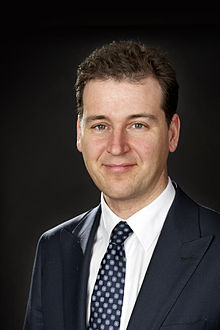
Mark Rutte
Prime Minister since 14 October 2010
Prime Minister since 14 October 2010
The monarchy and heir apparent are hereditary
Next scheduled election: None
Next scheduled election: None
HEAD OF GOVERNMENT
SELECTION PROCESS
Following Second Chamber elections, the leader of the majority
party or leader of a majority coalition is usually appointed prime
minister by the monarch; deputy prime ministers appointed by
the monarch. Last election: 12 September 2012
Next scheduled election: 2016
party or leader of a majority coalition is usually appointed prime
minister by the monarch; deputy prime ministers appointed by
the monarch. Last election: 12 September 2012
Next scheduled election: 2016
| DECLARATION OF HUMAN RIGHTS |
| ETHNIC GROUPS |
Dutch 80.7%, EU 5%, Indonesian 2.4%, Turkish 2.2%, Surinamese 2%, Moroccan 2%, Netherlands Antilles & Aruba 0.8%,
other 4.8% (2008 est.)
other 4.8% (2008 est.)
| RELIGIONS |
Roman Catholic 30%, Dutch Reformed 11%, Calvinist 6%, other Protestant 3%, Muslim 5.8%, other 2.2%, none 42% (2006)
| GOVERNMENT STRUCTURE |
Constitutional monarchy with 12 provinces (provincies, singular - provincie); Legal system is based on civil law system incorporating
French penal theory; constitution does not permit judicial review of acts of the States General; accepts compulsory ICJ jurisdiction
with reservations
Executive: The monarchy is hereditary; following Second Chamber elections, the leader of the majority party or leader of a
majority coalition is usually appointed prime minister by the monarch; deputy prime ministers appointed by the monarch
note: there is also a Council of State composed of the monarch, heir apparent, and councilors that provides consultations to the
cabinet on legislative and administrative policy. note - Mark RUTTE tendered his resignation 23 April 2012; new elections were
held on 12 September 2012 in which his party won the most seats; during the interim period he remained in office in a care-taking
position; he was sworn in again to be prime minister on 5 November 2012
Legislative: Bicameral States General or Staten Generaal consists of the First Chamber or Eerste Kamer (75 seats; members
indirectly elected by the country's 12 provincial councils to serve four-year terms) and the Second Chamber or Tweede Kamer
(150 seats; members directly elected by popular vote to serve four-year terms)
elections: First Chamber - last held on May 2011 (next to be held in May 2015); Second Chamber - last held on 12 September
2012 (next to be held by September 2016)
Judicial: Supreme Court or Hoge Raad (justices are nominated for life by the monarch)
French penal theory; constitution does not permit judicial review of acts of the States General; accepts compulsory ICJ jurisdiction
with reservations
Executive: The monarchy is hereditary; following Second Chamber elections, the leader of the majority party or leader of a
majority coalition is usually appointed prime minister by the monarch; deputy prime ministers appointed by the monarch
note: there is also a Council of State composed of the monarch, heir apparent, and councilors that provides consultations to the
cabinet on legislative and administrative policy. note - Mark RUTTE tendered his resignation 23 April 2012; new elections were
held on 12 September 2012 in which his party won the most seats; during the interim period he remained in office in a care-taking
position; he was sworn in again to be prime minister on 5 November 2012
Legislative: Bicameral States General or Staten Generaal consists of the First Chamber or Eerste Kamer (75 seats; members
indirectly elected by the country's 12 provincial councils to serve four-year terms) and the Second Chamber or Tweede Kamer
(150 seats; members directly elected by popular vote to serve four-year terms)
elections: First Chamber - last held on May 2011 (next to be held in May 2015); Second Chamber - last held on 12 September
2012 (next to be held by September 2016)
Judicial: Supreme Court or Hoge Raad (justices are nominated for life by the monarch)
| LANGUAGES |
Dutch (official), Frisian (official)
| BRIEF HISTORY |
The Netherlands have been inhabited since the last ice age; the oldest artefacts that have been found are from the Hoogeveen
interstadial of the Saalian glaciation. During the last ice age, the Netherlands had a tundra climate with scarce vegetation. The first
inhabitants survived as hunter-gatherers. After the end of the ice age, the area was inhabited by various palaeolithic groups.
Agriculture arrived in the Netherlands somewhere around 5000 BC. Autochtoneous hunter-gatherers of the Swifterbant culture are
attested from 5600 BC onwards.[2] They had strong ties to rivers and open water and are genetically related to the South
Scandinavian Ertebølle culture (5300-4000 BC). Around 2950 BC the Netherlands witnessed the transition of Funnelbeaker
farming culture to Corded Ware pastoralist culture. The wealth of the Netherlands in the Iron Age is seen at the "King's grave in
Oss" (about 500 BC), where a king was buried with some extraordinary objects, including an iron sword with an inlay of gold and
coral. He was buried in the largest grave mound of Western Europe, which was 52 m wide. At the time of the Roman arrival, the
Netherlands had been settled by Germanic tribes, such as the Tubanti, the Canninefates, and the Frisians, who had arrived around
600 BC. Celtic tribes settled the South, among them the Eburones and the Menapii. Several Germanians settled south of the Rhine
at the beginning of the Roman settlement, and formed the Germanic tribe of the Batavians and the Toxandri. The Batavians were
regarded as good soldiers and fought in many important wars, for instance the conquest of Dacia (Romania) by the emperor Trajan.
In later nationalistic views, the Batavians were regarded as the "true" forefathers of the Dutch, as reflected in the name of the later
Batavian Republic. These Batavians were replaced or absorbed by the Salian Franks that originally came from Overijssel and
beyond, as attested by the geographical area of Salland. After Julius Caesar conquered Gaul, he conquered Belgium and The
Netherlands around the year 58 BC, which made it the northern border of the European mainland. They built the first cities and
created the Roman province of Germania Inferior. For most of the area of Roman occupation in the Netherlands, the boundary of
the Roman Empire lay along the Rhine. Romans built the first military forts and cities in the Netherlands. The Roman civilisation in
the area was eventually overrun in the mass migration of Germanic peoples (later known as the Völkerwanderung). The newcomers
merged with the original inhabitants to create three peoples in the Low Countries: the Frisians along the coast, the Saxons in the east
and the Franks in the south. The Franks became Christians after their king Clovis I converted in 496. Christianity was introduced in
the north after the conquest of Friesland by the Franks. The southern part of the Netherlands belonged to the Frankish empire of
Charlemagne, with its heartland in what is today Belgium and northern France, and spanning France, Germany, northern Italy and
much of Western Europe. In the north the Netherlands were a part of Frisia until 734. In 843, the Frankish empire was divided into
three parts, giving rise to France in the west, Germany in the east and a middle empire that lay between the two. Most of the
Netherlands was part of the middle empire. From 800 AD to 1000 AD, the Low Countries suffered considerably from Viking
raids. Most of the Netherlands was occupied by the Viking Rorik from about 840 to 880, who ruled from Dorestad. The German
kings and emperors dominated the Netherlands in the 10th and 11th century. Germany was called the Holy Roman Empire after the
coronation of King Otto the Great as emperor. Much of the western Netherlands was barely inhabited between the end of the
Roman period and around 1100. The crusades were popular in the Low Countries and drew many to fight in the Holy Land. At
home, there was relative peace in Europe. Viking pillaging had stopped. Both the Crusades and the relative peace at home
contributed to trade and the growth in commerce. Friesland in the north continued to maintain its independence during this time.
They later lost their independence when they were defeated in 1498 by the German Landsknecht mercenaries of Duke Albrecht of
Saxony-Meissen. Most of what is now the Netherlands and Belgium was eventually united by the Duke of Burgundy in 1433. After
a few years of conflict, the countess of Holland was deposed in favour of the Burgundian dukes. Holland's trade developed rapidly,
especially in the area of shipping and transport. The new rulers defended Dutch trading interests. The fleets of Holland defeated the
fleets of the Hanseatic League several times. Amsterdam grew and in the 15th century became the primary trading port in Europe
for grain from the Baltic region. Through inheritance and conquest, all of the Low Countries became possessions of the Habsburg
dynasty under Charles V in the 16th century, who united them into one state. The east of the Netherlands was occupied only a few
decades before the Dutch struggle for independence. However, in 1548, eight years before his abdication from the throne, Emperor
Charles V granted the Seventeen Provinces of the Netherlands status as an entity separate from both the Empire and from France
with the Transaction of Augsburg. It was not full independence, but it allowed significant autonomy. The Dutch fought for
independence from Spain, leading to the Eighty Years' War (1568-1648). Seven rebellious provinces united in the Union of Utrecht
in 1579 and formed the Republic of the Seven United Netherlands (also known as the "United Provinces"). The Oath of Abjuration
or Plakkaat van Verlatinghe was signed on July 26, 1581, and was the formal declaration of independence of the northern Low
Countries from the Spanish king. William of Orange (Slot Dillenburg, 24 April 1533 — Delft, 10 juli 1584), the founder of the
Dutch royal family, led the Dutch during the first part of the war. The very first years were a success for the Spanish troops.
However, subsequent sieges in Holland were countered by the Dutch. The Peace of Westphalia, signed on January 30, 1648,
confirmed the independence of the United Provinces from Spain and Germany. Part of the wealth of the Dutch came through
slavery. In 1619 Dutch started with the slave trade between Africa and America, by 1650 becoming the pre-eminent slave trading
country in Europe, a position overtaken by Britain around 1700. After having gained its independence in 1648, the Netherlands
tried in various coalitions to help to contain France, which had replaced Spain as the strongest nation of Europe. The end of the
Spanish War of Succession (1713) marked the end of the Dutch Republic as a major player. In the 18th century, it just tried to
maintain its independence and stuck to a policy of neutrality. French invasions in 1672, 1701 and 1748 led to an overthrow of
government. In 1848 unrest broke out all over Europe. Although there were no major events in the Netherlands, these foreign
developments persuaded king William II to agree to liberal and democratic reform. That same year the liberal Johan Rudolf
Thorbecke was asked by the king to rewrite the constitution, turning the Netherlands into a constitutional monarchy. Although its
army mobilised when World War I broke out in August 1914, the Netherlands remained a neutral country. The worldwide Great
Depression of 1929 and the early 1930s had crippling effects on the Dutch economy, which lasted longer than they did in most
European countries. At the outbreak of World War II in 1939, the Netherlands declared their neutrality again. However, on May
10, 1940, Nazi Germany launched an attack on the Netherlands and Belgium and overran most of the country quickly, fighting
against a poorly-equipped Dutch army. On May 5, 1945, a beaten Nazi Germany finally capitulated, signing the surrender to the
Dutch at Wageningen. Two days after the surrender of Japan, most of the Dutch East Indies declared its independence as
Indonesia. Surinam was decolonised in November 1975. The 60s and 70s were a time of great social and cultural change, such as
rapid ontzuiling (literally: depillarisation), a term that describes the decay of the old divisions along class and religious lines. Youths,
and students in particular, rejected traditional mores, and pushed for change in matters like women's rights, sexuality, disarmament
and environmental issues. Today, the Netherlands is regarded as a liberal country, considering its drugs policy and its legalisation of
euthanasia. Same-sex marriage has been permitted since 1 April 2001. In recent years the Dutch have often been a driving force
behind the integration of European countries in the European Union. Two events changed the political landscape: On 6 May 2002,
the assassination of Politician Pim Fortuyn, calling for a very strict policy on immigration, shocked the nation, not at all used to
political violence in peace time. His party won a landslide election victory, partly because of his perceived martyrdom, However,
internal party squabbles and blowing up the coalition government they had helped to create, resulted in the loss of 70% of their
support in early general elections in 2003; Another murder that caused great upheaval took place on 2 November 2004, when film
director and publicist Theo van Gogh was assassinated by a Dutch-Moroccan youth with radical Islamic beliefs, because of Van
Gogh's alleged blasphemy. One week later, several arrests were made of several would-be Islamist terrorists, who have later been
found guilty of conspiracy with terrorist intentions, this verdict was however reversed on appeal. All this sparked a debate on the
position of radical Islam and of Islam generally in Dutch society, and on immigration and integration. The personal protection of
most politicians, especially of the Islam critic Ayaan Hirsi Ali, was stepped up to unprecedented levels.
Source: Wikipedia: History of The Netherlands
interstadial of the Saalian glaciation. During the last ice age, the Netherlands had a tundra climate with scarce vegetation. The first
inhabitants survived as hunter-gatherers. After the end of the ice age, the area was inhabited by various palaeolithic groups.
Agriculture arrived in the Netherlands somewhere around 5000 BC. Autochtoneous hunter-gatherers of the Swifterbant culture are
attested from 5600 BC onwards.[2] They had strong ties to rivers and open water and are genetically related to the South
Scandinavian Ertebølle culture (5300-4000 BC). Around 2950 BC the Netherlands witnessed the transition of Funnelbeaker
farming culture to Corded Ware pastoralist culture. The wealth of the Netherlands in the Iron Age is seen at the "King's grave in
Oss" (about 500 BC), where a king was buried with some extraordinary objects, including an iron sword with an inlay of gold and
coral. He was buried in the largest grave mound of Western Europe, which was 52 m wide. At the time of the Roman arrival, the
Netherlands had been settled by Germanic tribes, such as the Tubanti, the Canninefates, and the Frisians, who had arrived around
600 BC. Celtic tribes settled the South, among them the Eburones and the Menapii. Several Germanians settled south of the Rhine
at the beginning of the Roman settlement, and formed the Germanic tribe of the Batavians and the Toxandri. The Batavians were
regarded as good soldiers and fought in many important wars, for instance the conquest of Dacia (Romania) by the emperor Trajan.
In later nationalistic views, the Batavians were regarded as the "true" forefathers of the Dutch, as reflected in the name of the later
Batavian Republic. These Batavians were replaced or absorbed by the Salian Franks that originally came from Overijssel and
beyond, as attested by the geographical area of Salland. After Julius Caesar conquered Gaul, he conquered Belgium and The
Netherlands around the year 58 BC, which made it the northern border of the European mainland. They built the first cities and
created the Roman province of Germania Inferior. For most of the area of Roman occupation in the Netherlands, the boundary of
the Roman Empire lay along the Rhine. Romans built the first military forts and cities in the Netherlands. The Roman civilisation in
the area was eventually overrun in the mass migration of Germanic peoples (later known as the Völkerwanderung). The newcomers
merged with the original inhabitants to create three peoples in the Low Countries: the Frisians along the coast, the Saxons in the east
and the Franks in the south. The Franks became Christians after their king Clovis I converted in 496. Christianity was introduced in
the north after the conquest of Friesland by the Franks. The southern part of the Netherlands belonged to the Frankish empire of
Charlemagne, with its heartland in what is today Belgium and northern France, and spanning France, Germany, northern Italy and
much of Western Europe. In the north the Netherlands were a part of Frisia until 734. In 843, the Frankish empire was divided into
three parts, giving rise to France in the west, Germany in the east and a middle empire that lay between the two. Most of the
Netherlands was part of the middle empire. From 800 AD to 1000 AD, the Low Countries suffered considerably from Viking
raids. Most of the Netherlands was occupied by the Viking Rorik from about 840 to 880, who ruled from Dorestad. The German
kings and emperors dominated the Netherlands in the 10th and 11th century. Germany was called the Holy Roman Empire after the
coronation of King Otto the Great as emperor. Much of the western Netherlands was barely inhabited between the end of the
Roman period and around 1100. The crusades were popular in the Low Countries and drew many to fight in the Holy Land. At
home, there was relative peace in Europe. Viking pillaging had stopped. Both the Crusades and the relative peace at home
contributed to trade and the growth in commerce. Friesland in the north continued to maintain its independence during this time.
They later lost their independence when they were defeated in 1498 by the German Landsknecht mercenaries of Duke Albrecht of
Saxony-Meissen. Most of what is now the Netherlands and Belgium was eventually united by the Duke of Burgundy in 1433. After
a few years of conflict, the countess of Holland was deposed in favour of the Burgundian dukes. Holland's trade developed rapidly,
especially in the area of shipping and transport. The new rulers defended Dutch trading interests. The fleets of Holland defeated the
fleets of the Hanseatic League several times. Amsterdam grew and in the 15th century became the primary trading port in Europe
for grain from the Baltic region. Through inheritance and conquest, all of the Low Countries became possessions of the Habsburg
dynasty under Charles V in the 16th century, who united them into one state. The east of the Netherlands was occupied only a few
decades before the Dutch struggle for independence. However, in 1548, eight years before his abdication from the throne, Emperor
Charles V granted the Seventeen Provinces of the Netherlands status as an entity separate from both the Empire and from France
with the Transaction of Augsburg. It was not full independence, but it allowed significant autonomy. The Dutch fought for
independence from Spain, leading to the Eighty Years' War (1568-1648). Seven rebellious provinces united in the Union of Utrecht
in 1579 and formed the Republic of the Seven United Netherlands (also known as the "United Provinces"). The Oath of Abjuration
or Plakkaat van Verlatinghe was signed on July 26, 1581, and was the formal declaration of independence of the northern Low
Countries from the Spanish king. William of Orange (Slot Dillenburg, 24 April 1533 — Delft, 10 juli 1584), the founder of the
Dutch royal family, led the Dutch during the first part of the war. The very first years were a success for the Spanish troops.
However, subsequent sieges in Holland were countered by the Dutch. The Peace of Westphalia, signed on January 30, 1648,
confirmed the independence of the United Provinces from Spain and Germany. Part of the wealth of the Dutch came through
slavery. In 1619 Dutch started with the slave trade between Africa and America, by 1650 becoming the pre-eminent slave trading
country in Europe, a position overtaken by Britain around 1700. After having gained its independence in 1648, the Netherlands
tried in various coalitions to help to contain France, which had replaced Spain as the strongest nation of Europe. The end of the
Spanish War of Succession (1713) marked the end of the Dutch Republic as a major player. In the 18th century, it just tried to
maintain its independence and stuck to a policy of neutrality. French invasions in 1672, 1701 and 1748 led to an overthrow of
government. In 1848 unrest broke out all over Europe. Although there were no major events in the Netherlands, these foreign
developments persuaded king William II to agree to liberal and democratic reform. That same year the liberal Johan Rudolf
Thorbecke was asked by the king to rewrite the constitution, turning the Netherlands into a constitutional monarchy. Although its
army mobilised when World War I broke out in August 1914, the Netherlands remained a neutral country. The worldwide Great
Depression of 1929 and the early 1930s had crippling effects on the Dutch economy, which lasted longer than they did in most
European countries. At the outbreak of World War II in 1939, the Netherlands declared their neutrality again. However, on May
10, 1940, Nazi Germany launched an attack on the Netherlands and Belgium and overran most of the country quickly, fighting
against a poorly-equipped Dutch army. On May 5, 1945, a beaten Nazi Germany finally capitulated, signing the surrender to the
Dutch at Wageningen. Two days after the surrender of Japan, most of the Dutch East Indies declared its independence as
Indonesia. Surinam was decolonised in November 1975. The 60s and 70s were a time of great social and cultural change, such as
rapid ontzuiling (literally: depillarisation), a term that describes the decay of the old divisions along class and religious lines. Youths,
and students in particular, rejected traditional mores, and pushed for change in matters like women's rights, sexuality, disarmament
and environmental issues. Today, the Netherlands is regarded as a liberal country, considering its drugs policy and its legalisation of
euthanasia. Same-sex marriage has been permitted since 1 April 2001. In recent years the Dutch have often been a driving force
behind the integration of European countries in the European Union. Two events changed the political landscape: On 6 May 2002,
the assassination of Politician Pim Fortuyn, calling for a very strict policy on immigration, shocked the nation, not at all used to
political violence in peace time. His party won a landslide election victory, partly because of his perceived martyrdom, However,
internal party squabbles and blowing up the coalition government they had helped to create, resulted in the loss of 70% of their
support in early general elections in 2003; Another murder that caused great upheaval took place on 2 November 2004, when film
director and publicist Theo van Gogh was assassinated by a Dutch-Moroccan youth with radical Islamic beliefs, because of Van
Gogh's alleged blasphemy. One week later, several arrests were made of several would-be Islamist terrorists, who have later been
found guilty of conspiracy with terrorist intentions, this verdict was however reversed on appeal. All this sparked a debate on the
position of radical Islam and of Islam generally in Dutch society, and on immigration and integration. The personal protection of
most politicians, especially of the Islam critic Ayaan Hirsi Ali, was stepped up to unprecedented levels.
Source: Wikipedia: History of The Netherlands
| ECONOMIC OVERVIEW |
The Dutch economy is the fifth-largest economy in the euro-zone and is noted for its stable industrial relations, moderate
unemployment and inflation, a sizable trade surplus, and an important role as a European transportation hub. Industrial activity is
predominantly in food processing, chemicals, petroleum refining, and electrical machinery. A highly mechanized agricultural sector
employs only 2% of the labor force but provides large surpluses for the food-processing industry and for exports. The Netherlands,
along with 11 of its EU partners, began circulating the euro currency on 1 January 2002. After 26 years of uninterrupted economic
growth, the Dutch economy - highly dependent on an international financial sector and international trade - contracted by 3.5% in
2009 as a result of the global financial crisis. The Dutch financial sector suffered, due in part to the high exposure of some Dutch
banks to U.S. mortgage-backed securities. In 2008, the government nationalized two banks and injected billions of dollars of
capital into other financial institutions, to prevent further deterioration of a crucial sector. The government also sought to boost the
domestic economy by accelerating infrastructure programs, offering corporate tax breaks for employers to retain workers, and
expanding export credit facilities. The stimulus programs and bank bailouts, however, resulted in a government budget deficit of
5.3% of GDP in 2010 that contrasted sharply with a surplus of 0.7% in 2008. The government of Prime Minister Mark RUTTE
began implementing fiscal consolidation measures in early 2011, mainly reductions in expenditures, which resulted in an improved
budget deficit of 3.8% of GDP.
Source: CIA World Factbook (select Netherlands, The)
unemployment and inflation, a sizable trade surplus, and an important role as a European transportation hub. Industrial activity is
predominantly in food processing, chemicals, petroleum refining, and electrical machinery. A highly mechanized agricultural sector
employs only 2% of the labor force but provides large surpluses for the food-processing industry and for exports. The Netherlands,
along with 11 of its EU partners, began circulating the euro currency on 1 January 2002. After 26 years of uninterrupted economic
growth, the Dutch economy - highly dependent on an international financial sector and international trade - contracted by 3.5% in
2009 as a result of the global financial crisis. The Dutch financial sector suffered, due in part to the high exposure of some Dutch
banks to U.S. mortgage-backed securities. In 2008, the government nationalized two banks and injected billions of dollars of
capital into other financial institutions, to prevent further deterioration of a crucial sector. The government also sought to boost the
domestic economy by accelerating infrastructure programs, offering corporate tax breaks for employers to retain workers, and
expanding export credit facilities. The stimulus programs and bank bailouts, however, resulted in a government budget deficit of
5.3% of GDP in 2010 that contrasted sharply with a surplus of 0.7% in 2008. The government of Prime Minister Mark RUTTE
began implementing fiscal consolidation measures in early 2011, mainly reductions in expenditures, which resulted in an improved
budget deficit of 3.8% of GDP.
Source: CIA World Factbook (select Netherlands, The)
| POLITICAL CLIMATE |
The Purple coalition parties together lost their majority in the 2002 elections due to the rise of List Pim Fortuyn, the new political
party led by the flamboyant populist Pim Fortuyn. He campaigned on an anti-immigration programme and spoke of the "Purple
Chaos" (Dutch: "Puinhopen van Paars"). Fortuyn was shot dead a week before the elections took place. In the elections the LPF
entered parliament with one sixth of the seats, while the PvdA (Labour) lost half its seats. A cabinet was formed by CDA, VVD
and LPF, led by Prime Minister Jan Peter Balkenende. It proved short-lived: after only 87 days in power, the coalition fell apart as
a result of consecutive conflicts within the LPF and between LPF ministers.
In the ensuing elections in January of 2003, the LPF dropped to only five percent of the seats in the Second Chamber. The left-wing
Socialist Party (Socialistische Partij; SP) led by Jan Marijnissen became the fourth party of the Netherlands. The centre-right
Balkenende II cabinet was formed by the Christian-democratic CDA, the conservative-liberal VVD and the progressive-liberal
D66. Against popular sentiment, the right-wing coalition initiated an ambitious programme of welfare state reforms, health care
privatisation and stricter immigration policies. On June 1, 2005, the Dutch electorate voted in a referendum against the proposed
European Constitution by a majority of 62%, three days after the French had also rejected the treaty.
The 2010 Dutch general election was held on Wednesday, 9 June 2010. After the fall of the cabinet Balkenende IV on 20
February, Queen Beatrix accepted the resignation of the Labour Party ministers on 23 February.[1] Members of the Christian
Democratic Appeal and Christian Union replaced the ministers who had resigned, and have continued as a demissionary cabinet
with limited powers until the elections. The 150 seats of the House of Representatives (Tweede Kamer der Staten-Generaal) were
contested, and were filled using party-list proportional representation for a nominal four-year term. The election allowed a coalition
cabinet of liberals VVD and Christian Democrats CDA with parliamentary support from the anti-islamic PVV to be formed with
Mark Rutte as new Prime Minister. Mark Rutte tendered his resignation 23 April 2012; new elections were held on 12 September
2012 in which his party won the most seats; during the interim period he remained in office in a care-taking position; he was sworn
in again to be prime minister on 5 November 2012
Source: Wikipedia: Politics of The Netherlands
party led by the flamboyant populist Pim Fortuyn. He campaigned on an anti-immigration programme and spoke of the "Purple
Chaos" (Dutch: "Puinhopen van Paars"). Fortuyn was shot dead a week before the elections took place. In the elections the LPF
entered parliament with one sixth of the seats, while the PvdA (Labour) lost half its seats. A cabinet was formed by CDA, VVD
and LPF, led by Prime Minister Jan Peter Balkenende. It proved short-lived: after only 87 days in power, the coalition fell apart as
a result of consecutive conflicts within the LPF and between LPF ministers.
In the ensuing elections in January of 2003, the LPF dropped to only five percent of the seats in the Second Chamber. The left-wing
Socialist Party (Socialistische Partij; SP) led by Jan Marijnissen became the fourth party of the Netherlands. The centre-right
Balkenende II cabinet was formed by the Christian-democratic CDA, the conservative-liberal VVD and the progressive-liberal
D66. Against popular sentiment, the right-wing coalition initiated an ambitious programme of welfare state reforms, health care
privatisation and stricter immigration policies. On June 1, 2005, the Dutch electorate voted in a referendum against the proposed
European Constitution by a majority of 62%, three days after the French had also rejected the treaty.
The 2010 Dutch general election was held on Wednesday, 9 June 2010. After the fall of the cabinet Balkenende IV on 20
February, Queen Beatrix accepted the resignation of the Labour Party ministers on 23 February.[1] Members of the Christian
Democratic Appeal and Christian Union replaced the ministers who had resigned, and have continued as a demissionary cabinet
with limited powers until the elections. The 150 seats of the House of Representatives (Tweede Kamer der Staten-Generaal) were
contested, and were filled using party-list proportional representation for a nominal four-year term. The election allowed a coalition
cabinet of liberals VVD and Christian Democrats CDA with parliamentary support from the anti-islamic PVV to be formed with
Mark Rutte as new Prime Minister. Mark Rutte tendered his resignation 23 April 2012; new elections were held on 12 September
2012 in which his party won the most seats; during the interim period he remained in office in a care-taking position; he was sworn
in again to be prime minister on 5 November 2012
Source: Wikipedia: Politics of The Netherlands
| INTERNATIONAL DISPUTES |
None reported.


| REFUGEES AND INTERNALLY DISPLACED PERSONS (IDPS) |
None reported.
| ILLICIT DRUGS |
Major European producer of synthetic drugs, including ecstasy, and cannabis cultivator; important gateway for cocaine, heroin,
and hashish entering Europe; major source of US-bound ecstasy; large financial sector vulnerable to money laundering; significant
consumer of ecstasy
and hashish entering Europe; major source of US-bound ecstasy; large financial sector vulnerable to money laundering; significant
consumer of ecstasy
| HUMAN RIGHTS STATEMENTS, ANALYSIS AND CRITIQUES |
2011 Human Rights Report: Netherlands
Bureau of Democracy, Human Rights, and Labor
2011 Country Reports on Human Rights Practices
May 25, 2012
The Kingdom of the Netherlands, which includes the Netherlands, Aruba, Curacao, and St. Maarten, is a constitutional monarchy. The
Netherlands (the term used to designate the European part of the kingdom and the Caribbean islands of Bonaire, Saba, and Sint Eustatius)
has a bicameral parliament; a first chamber (the Senate) is elected by the country’s 12 provincial councils and a second chamber (the
House of Representatives) by popular vote. A prime minister and a cabinet representing the governing political parties exercise executive
authority. General elections held in June 2010 were free and fair. Aruba, Curacao, and St. Maarten have unicameral parliamentary
systems and are largely autonomous, except in foreign policy and defense. The Kingdom of the Netherlands is responsible for
safeguarding fundamental human rights and freedoms in its territories.
In a country with no widespread or systemic abuses, the most salient human rights problem was societal animosity toward certain ethnic
and religious groups, particularly Muslim immigrants from North Africa and the Middle East. In Aruba, Curacao, and St. Maarten, prison
conditions remained substandard in some respects.
In the Netherlands, authorities prosecuted individuals during the year for violations of a law prohibiting public speech that incites hatred
or discrimination, although there were no reported convictions. There were reports of violence against women and children, anti-Semitic
incidents, societal discrimination and violence against some religious and ethnic minorities, and trafficking in persons for sexual
exploitation and forced labor.
The government took steps to prosecute officials who committed abuses, and there were no indications that impunity existed
Click here to read more »
Bureau of Democracy, Human Rights, and Labor
2011 Country Reports on Human Rights Practices
May 25, 2012
The Kingdom of the Netherlands, which includes the Netherlands, Aruba, Curacao, and St. Maarten, is a constitutional monarchy. The
Netherlands (the term used to designate the European part of the kingdom and the Caribbean islands of Bonaire, Saba, and Sint Eustatius)
has a bicameral parliament; a first chamber (the Senate) is elected by the country’s 12 provincial councils and a second chamber (the
House of Representatives) by popular vote. A prime minister and a cabinet representing the governing political parties exercise executive
authority. General elections held in June 2010 were free and fair. Aruba, Curacao, and St. Maarten have unicameral parliamentary
systems and are largely autonomous, except in foreign policy and defense. The Kingdom of the Netherlands is responsible for
safeguarding fundamental human rights and freedoms in its territories.
In a country with no widespread or systemic abuses, the most salient human rights problem was societal animosity toward certain ethnic
and religious groups, particularly Muslim immigrants from North Africa and the Middle East. In Aruba, Curacao, and St. Maarten, prison
conditions remained substandard in some respects.
In the Netherlands, authorities prosecuted individuals during the year for violations of a law prohibiting public speech that incites hatred
or discrimination, although there were no reported convictions. There were reports of violence against women and children, anti-Semitic
incidents, societal discrimination and violence against some religious and ethnic minorities, and trafficking in persons for sexual
exploitation and forced labor.
The government took steps to prosecute officials who committed abuses, and there were no indications that impunity existed
Click here to read more »
19 November 2010
Committee on Economic, Social and Cultural Rights
Forty-fifth session
Geneva, 1-19 November 2010
Consideration of reports submitted by States parties under Articles 16 and 17 of the Covenant
Concluding Observations of the Committee on Economic, Social and Cultural Rights
The Kingdom of the Netherlands
A. Introduction
2. The Committee welcomes the submission of the combined fourth and fifth periodic reports of the Kingdom of the Netherlands
and the written replies to its list of issues but regrets the late submission of the report of Aruba.
3. The Committee appreciates the frank and constructive dialogue with the delegation of the State party that included representatives
from the four constituent countries of the State party, with expertise on the subjects covered by the Covenant.
B. Positive aspects
4. The Committee welcomes the adoption of measures, legislative and otherwise, by the State party since the last review of the
State party’s reports that have contributed to the realization of the economic, social and cultural rights enshrined in the Covenant,
including the following:
(a) the incorporation of economic, social and cultural rights in the Constitutions of Curaçao and St. Maarten;
(b) the legislative amendments providing for compulsory education for all children in all territories of the State party, irrespective of
their legal status;
(c) the introduction of a mechanism of reimbursement of medical fees for services provided to undocumented migrants;
C. Principal subjects of concerns and recommendations
5. The Committee is concerned at the unequal enjoyment of economic, social and cultural rights among the four constituent
countries of the State party. (art. 2 (1), 2 (2))
As the State party is accountable for the implementation of the Covenant in all its territories, the Committee urges the State party to
ensure the equal enjoyment of the economic, social and cultural rights by all individuals and groups under its jurisdiction. This entails an
obligation for the State party to ensure that all its enactments and policies should provide for all the same level of enjoyment of
economic, social and cultural rights. Moreover, the principle of ‘maximum available resources’ should apply to the State party and not to
its constituent countries individually. The Committee requests the State party to provide information on concrete measures adopted and
implemented in this regard in its next periodic report.
Click here to read more »
Committee on Economic, Social and Cultural Rights
Forty-fifth session
Geneva, 1-19 November 2010
Consideration of reports submitted by States parties under Articles 16 and 17 of the Covenant
Concluding Observations of the Committee on Economic, Social and Cultural Rights
The Kingdom of the Netherlands
A. Introduction
2. The Committee welcomes the submission of the combined fourth and fifth periodic reports of the Kingdom of the Netherlands
and the written replies to its list of issues but regrets the late submission of the report of Aruba.
3. The Committee appreciates the frank and constructive dialogue with the delegation of the State party that included representatives
from the four constituent countries of the State party, with expertise on the subjects covered by the Covenant.
B. Positive aspects
4. The Committee welcomes the adoption of measures, legislative and otherwise, by the State party since the last review of the
State party’s reports that have contributed to the realization of the economic, social and cultural rights enshrined in the Covenant,
including the following:
(a) the incorporation of economic, social and cultural rights in the Constitutions of Curaçao and St. Maarten;
(b) the legislative amendments providing for compulsory education for all children in all territories of the State party, irrespective of
their legal status;
(c) the introduction of a mechanism of reimbursement of medical fees for services provided to undocumented migrants;
C. Principal subjects of concerns and recommendations
5. The Committee is concerned at the unequal enjoyment of economic, social and cultural rights among the four constituent
countries of the State party. (art. 2 (1), 2 (2))
As the State party is accountable for the implementation of the Covenant in all its territories, the Committee urges the State party to
ensure the equal enjoyment of the economic, social and cultural rights by all individuals and groups under its jurisdiction. This entails an
obligation for the State party to ensure that all its enactments and policies should provide for all the same level of enjoyment of
economic, social and cultural rights. Moreover, the principle of ‘maximum available resources’ should apply to the State party and not to
its constituent countries individually. The Committee requests the State party to provide information on concrete measures adopted and
implemented in this regard in its next periodic report.
Click here to read more »
Freedom In The World 2012 Report
Political Rights Score: 1
Civil Liberties Score: 1
Status: Free
Overview
The coalition government proposed or adopted anti-immigrant measures during 2011, including tighter restrictions on naturalization. In
March, the parties of the governing coalition lost support in provincial elections, leading to the loss of their majority in the upper house of
parliament. Meanwhile, right-wing politician Geert Wilders was acquitted of charges of inciting hatred and discrimination against
Muslims.
Elections were held again in June 2010 following the collapse of the CDA-led government in February. The VVD made major gains,
winning a total of 31 seats. The PvdA followed with 30 seats, and the CDA took 21 seats. Geert Wilder’s right-wing Party for Freedom
(PVV) won 24 seats, nearly tripling the number of votes it received in 2006. The VVD and the CDA entered into a coalition agreement in
September, but did not hold a majority of seats. The two parties agreed to include the PVV in the coalition government. The new
government’s policy statement included several anti-immigration initiatives endorsed by the PVV, such as reducing family migration,
eliminating financial support for integration classes, withdrawing residence permits upon failure of an integration exam, and banning
clothing that covers the face. Mark Rutte of the VVD became the country’s prime minister, with his party leading the government for
the first time.
In the March 2011 provincial elections, the VVD captured 20 percent of the national vote, while the CDA took only 14 percent and the
PVV received only 12 percent. The ruling coalition fell one vote short of a majority in the upper house of parliament after the new
provincial councils elected members of the upper house in May.
The Netherlands is an electoral democracy. The 150-member lower house of parliament, or Second Chamber, is elected every four years
by proportional representation. The 75-member upper house, or First Chamber, is elected for four-year terms by the country’s
provincial councils. Foreigners residing in the country for five years or more are eligible to vote in local elections. The Netherlands
extended voting rights to Aruba and the Netherlands Antilles for the first time in the June 2009 European Parliament elections.
The leader of the majority party or coalition is usually appointed prime minister by the monarch, currently Queen Beatrix. Mayors are
appointed from a list of candidates submitted by the municipal councils. The monarch appoints the Council of Ministers (cabinet) and the
governor of each province on the recommendation of the majority in parliament.
The country has few problems with political corruption. The Netherlands was ranked 7 out of 183 countries surveyed in Transparency
International’s 2011 Corruption Perceptions Index.
Click here to read more »
Political Rights Score: 1
Civil Liberties Score: 1
Status: Free
Overview
The coalition government proposed or adopted anti-immigrant measures during 2011, including tighter restrictions on naturalization. In
March, the parties of the governing coalition lost support in provincial elections, leading to the loss of their majority in the upper house of
parliament. Meanwhile, right-wing politician Geert Wilders was acquitted of charges of inciting hatred and discrimination against
Muslims.
Elections were held again in June 2010 following the collapse of the CDA-led government in February. The VVD made major gains,
winning a total of 31 seats. The PvdA followed with 30 seats, and the CDA took 21 seats. Geert Wilder’s right-wing Party for Freedom
(PVV) won 24 seats, nearly tripling the number of votes it received in 2006. The VVD and the CDA entered into a coalition agreement in
September, but did not hold a majority of seats. The two parties agreed to include the PVV in the coalition government. The new
government’s policy statement included several anti-immigration initiatives endorsed by the PVV, such as reducing family migration,
eliminating financial support for integration classes, withdrawing residence permits upon failure of an integration exam, and banning
clothing that covers the face. Mark Rutte of the VVD became the country’s prime minister, with his party leading the government for
the first time.
In the March 2011 provincial elections, the VVD captured 20 percent of the national vote, while the CDA took only 14 percent and the
PVV received only 12 percent. The ruling coalition fell one vote short of a majority in the upper house of parliament after the new
provincial councils elected members of the upper house in May.
The Netherlands is an electoral democracy. The 150-member lower house of parliament, or Second Chamber, is elected every four years
by proportional representation. The 75-member upper house, or First Chamber, is elected for four-year terms by the country’s
provincial councils. Foreigners residing in the country for five years or more are eligible to vote in local elections. The Netherlands
extended voting rights to Aruba and the Netherlands Antilles for the first time in the June 2009 European Parliament elections.
The leader of the majority party or coalition is usually appointed prime minister by the monarch, currently Queen Beatrix. Mayors are
appointed from a list of candidates submitted by the municipal councils. The monarch appoints the Council of Ministers (cabinet) and the
governor of each province on the recommendation of the majority in parliament.
The country has few problems with political corruption. The Netherlands was ranked 7 out of 183 countries surveyed in Transparency
International’s 2011 Corruption Perceptions Index.
Click here to read more »
21 September 2012
Netherlands: Amnesty International urges implementation of recommendations on immigration detention, discrimination and
developing a national human rights action plan
Human Rights Council adopts Universal Periodic Review outcome on the Netherlands
Amnesty International notes the Netherlands’ positive engagement with the UPR process and commends it for including information on
its overseas territories in the National Report. The organization hopes this review process will contribute to improving the promotion and
protection of human rights protection there.
Amnesty International urges the government to implement the recommendations, made in the review, to develop a national human rights
action plan.1 Long overdue, such an action plan would, Amnesty International believes, enhance the protection and promotion of human
rights in the Netherlands, for example by clarifying the distribution of human rights competencies across the various parts of the
Kingdom and between ministries and other parts of the government. It could also improve coordination and consideration of human
rights perspectives in policy making.
Amnesty International also calls on the government to implement recommendations to reduce immigration detention and to improve
conditions in migrant detention centres.2 In August this year, the Dutch National Ombudsman issued a report criticizing the conditions in
immigration detention centres for being disproportionately restrictive and similar to the conditions in which convicted criminals are held.3
While the government has taken a modest step in the right direction by piloting alternatives to immigration detention, it still falls short of
ensuring that detention is used only as a measure of last resort and that conditions in immigration detention centres comply with
international human rights laws and standards.
A large number of recommendations were made on the issue of discrimination, including against women, ethnic and religious minorities,
and migrants.4 Amnesty International is concerned that the government has in the past not always met the obligation to respect,
protect and fulfil the right to non-discrimination. The organization urges the government to be more proactive in addressing the root
causes of discrimination in the Netherlands and to promote greater tolerance and understanding.
Background
The UN Human Rights Council adopted the outcome of the Universal Periodic Review of the Netherlands on 21 September 2012 during
its 21st session. Prior to the adoption of the review outcome Amnesty International delivered the oral statement above. Amnesty
International had earlier submitted information on the situation of human rights in the Netherlands.
Click here to read more »
Netherlands: Amnesty International urges implementation of recommendations on immigration detention, discrimination and
developing a national human rights action plan
Human Rights Council adopts Universal Periodic Review outcome on the Netherlands
Amnesty International notes the Netherlands’ positive engagement with the UPR process and commends it for including information on
its overseas territories in the National Report. The organization hopes this review process will contribute to improving the promotion and
protection of human rights protection there.
Amnesty International urges the government to implement the recommendations, made in the review, to develop a national human rights
action plan.1 Long overdue, such an action plan would, Amnesty International believes, enhance the protection and promotion of human
rights in the Netherlands, for example by clarifying the distribution of human rights competencies across the various parts of the
Kingdom and between ministries and other parts of the government. It could also improve coordination and consideration of human
rights perspectives in policy making.
Amnesty International also calls on the government to implement recommendations to reduce immigration detention and to improve
conditions in migrant detention centres.2 In August this year, the Dutch National Ombudsman issued a report criticizing the conditions in
immigration detention centres for being disproportionately restrictive and similar to the conditions in which convicted criminals are held.3
While the government has taken a modest step in the right direction by piloting alternatives to immigration detention, it still falls short of
ensuring that detention is used only as a measure of last resort and that conditions in immigration detention centres comply with
international human rights laws and standards.
A large number of recommendations were made on the issue of discrimination, including against women, ethnic and religious minorities,
and migrants.4 Amnesty International is concerned that the government has in the past not always met the obligation to respect,
protect and fulfil the right to non-discrimination. The organization urges the government to be more proactive in addressing the root
causes of discrimination in the Netherlands and to promote greater tolerance and understanding.
Background
The UN Human Rights Council adopted the outcome of the Universal Periodic Review of the Netherlands on 21 September 2012 during
its 21st session. Prior to the adoption of the review outcome Amnesty International delivered the oral statement above. Amnesty
International had earlier submitted information on the situation of human rights in the Netherlands.
Click here to read more »
Netherlands: Joint NGO Letter to Minister Leers
Regarding Pending Deportation of Abu Kurke Kebato
April 2, 2012
Dear Minister Leers,
We, the undersigned 5 human rights organizations, are writing to urge you not to return Abu Kurke Kebato, a 23-year-old Ethiopian, and
his 21-year-old wife Seena Tafse Mohammed, also an Ethiopian national, to Italy. We understand that both were detained on March 29,
2012 pending deportation to Italy on April 5, 2012.
Mr. Kurke Kebato and his wife were granted refugee status in Italy in October 2011, but we strongly urge you to grant them leave to
remain in the Netherlands on humanitarian grounds.
We believe that Mr. Kurke Kebato’s experiences of repeated traumatic crossings of the Mediterranean, ill-treatment in detention in Libya
following a push-back by the Italian authorities in 2010, and lack of state support in Italy for asylum seekers and recognized refugees,
including crucial psycho-social assistance for someone with Mr. Kurke Kebato’s vulnerabilities, require exceptional measures to ensure
his full rehabilitation and integration. We call on you to offer him and his wife this chance in the Netherlands.
Mr. Kurke Kebato as a particularly vulnerable person
Mr. Kurke Kebato is one of the nine survivors of a fateful boat crossing in late March/early April 2011 in which 63 people died
attempting to flee conflict-torn Libya. This tragic loss of life has been the subject of significant attention because survivor testimonies,
including that of Mr. Kurke Kebato, as well as official information indicate that the boat was left to drift for two weeks in the
Mediterranean despite distress signals and contact with a military helicopter, a military warship, and two fishing vessels. The boat
eventually drifted back to the Libyan coast on April 10, 2011.
On March 29, 2012, the same day Mr. Kurke Kebato was detained in the Netherlands, the Committee on Migration, Refugees and
Displaced Persons of the Parliamentary Assembly of the Council of Europe (PACE) published a report providing a detailed account of
the failures of numerous authorities, including the Italian government, to respond appropriately to the boat in distress.[i] The Migration
Committee has drafted a resolution calling on all Member States to “use their humanitarian discretion to look favourably on any claims
for asylum and resettlement” from survivors of the boat tragedy in April 2011.
Click here to read more »
Regarding Pending Deportation of Abu Kurke Kebato
April 2, 2012
Dear Minister Leers,
We, the undersigned 5 human rights organizations, are writing to urge you not to return Abu Kurke Kebato, a 23-year-old Ethiopian, and
his 21-year-old wife Seena Tafse Mohammed, also an Ethiopian national, to Italy. We understand that both were detained on March 29,
2012 pending deportation to Italy on April 5, 2012.
Mr. Kurke Kebato and his wife were granted refugee status in Italy in October 2011, but we strongly urge you to grant them leave to
remain in the Netherlands on humanitarian grounds.
We believe that Mr. Kurke Kebato’s experiences of repeated traumatic crossings of the Mediterranean, ill-treatment in detention in Libya
following a push-back by the Italian authorities in 2010, and lack of state support in Italy for asylum seekers and recognized refugees,
including crucial psycho-social assistance for someone with Mr. Kurke Kebato’s vulnerabilities, require exceptional measures to ensure
his full rehabilitation and integration. We call on you to offer him and his wife this chance in the Netherlands.
Mr. Kurke Kebato as a particularly vulnerable person
Mr. Kurke Kebato is one of the nine survivors of a fateful boat crossing in late March/early April 2011 in which 63 people died
attempting to flee conflict-torn Libya. This tragic loss of life has been the subject of significant attention because survivor testimonies,
including that of Mr. Kurke Kebato, as well as official information indicate that the boat was left to drift for two weeks in the
Mediterranean despite distress signals and contact with a military helicopter, a military warship, and two fishing vessels. The boat
eventually drifted back to the Libyan coast on April 10, 2011.
On March 29, 2012, the same day Mr. Kurke Kebato was detained in the Netherlands, the Committee on Migration, Refugees and
Displaced Persons of the Parliamentary Assembly of the Council of Europe (PACE) published a report providing a detailed account of
the failures of numerous authorities, including the Italian government, to respond appropriately to the boat in distress.[i] The Migration
Committee has drafted a resolution calling on all Member States to “use their humanitarian discretion to look favourably on any claims
for asylum and resettlement” from survivors of the boat tragedy in April 2011.
Click here to read more »
Netherlands takes action on violence against women and domestic violence
News item | 16-11-2012
The Dutch Permanent Representative to the Council of Europe in Strasbourg has today signed the Convention on preventing and
combating violence against women and domestic violence on behalf of the Kingdom of the Netherlands. With this move, the Netherlands
is sending a clear signal that violence against women and domestic violence are unacceptable.
Violence against women and domestic violence is an extensive problem in all the Council of Europe’s member states. Each year in the
Netherlands an estimated 1 million people are subjected to occasional domestic violence. A further 200,000 to 230,000 experience
habitual domestic abuse. In more than two-thirds of all cases, the violence is committed by partners or ex-partners. Most victims are
female. Women are also much more likely to experience sexual violence than men.
By signing the Convention, countries are showing that combating domestic violence is a priority. The safety of victims will be improved
and access to justice guaranteed. The convention also refers in detail to shelters, support services, and medical and legal assistance, and
emphasises the importance of awareness-raising. This is the first human rights convention to ban discrimination on the grounds of
gender identity.
The Council of Europe opened the convention for signature and ratification in May 2011. The convention has not yet entered into force;
it must first be ratified by ten countries. In the Netherlands’ case, parliament still needs to approve ratification.
Combating violence against women and domestic violence is a priority not only in Dutch human rights policy abroad, but also in the
Netherlands. One example of this is the national campaign ‘Domestic violence won’t stop by itself’ launched recently by the Ministries
of Health, Welfare & Sport and Security & Justice.
Click here to read more »
News item | 16-11-2012
The Dutch Permanent Representative to the Council of Europe in Strasbourg has today signed the Convention on preventing and
combating violence against women and domestic violence on behalf of the Kingdom of the Netherlands. With this move, the Netherlands
is sending a clear signal that violence against women and domestic violence are unacceptable.
Violence against women and domestic violence is an extensive problem in all the Council of Europe’s member states. Each year in the
Netherlands an estimated 1 million people are subjected to occasional domestic violence. A further 200,000 to 230,000 experience
habitual domestic abuse. In more than two-thirds of all cases, the violence is committed by partners or ex-partners. Most victims are
female. Women are also much more likely to experience sexual violence than men.
By signing the Convention, countries are showing that combating domestic violence is a priority. The safety of victims will be improved
and access to justice guaranteed. The convention also refers in detail to shelters, support services, and medical and legal assistance, and
emphasises the importance of awareness-raising. This is the first human rights convention to ban discrimination on the grounds of
gender identity.
The Council of Europe opened the convention for signature and ratification in May 2011. The convention has not yet entered into force;
it must first be ratified by ten countries. In the Netherlands’ case, parliament still needs to approve ratification.
Combating violence against women and domestic violence is a priority not only in Dutch human rights policy abroad, but also in the
Netherlands. One example of this is the national campaign ‘Domestic violence won’t stop by itself’ launched recently by the Ministries
of Health, Welfare & Sport and Security & Justice.
Click here to read more »
Immigration Detention:
penal regime or step towards deportation?
About respecting human rights in immigration detention
7 August 2012
Consideration
The stories of foreign nationals published in this report bear witness to despair and frustration. By implementing the current method of
immigration detention the government has established a system that has a mind-numbing effect on many people. The accounts given by
foreign nationals inevitably have an undertone of despair, because without the right to stay in the Netherlands they must leave the
country. If they do not leave the country, whether forced by circumstances or of their own volition, the government acts to remove
them mandatorily.
In and of itself it is a legitimate goal for a government to restrict people's freedom pending successful deportation. However, the way
this restriction of freedom occurs under the current regime of immigration detention impairs that legitimacy. A person is locked up
sixteen hours a day together with another detainee in a space of less than 10 m². Even when allowed out, they are under supervision.
They are allowed visits for two hours per week. They are not allowed to work. They cannot decide for themselves when they want to go
out. They are dependent on decisions taken by the supervisor and the director of the detention centre. They have no idea how long all of
this will last. Ultimately a foreign national can be detained for as long as eighteen months and renewed periods of detention are by no
means the exception. In a nutshell, this is the situation of the approximately 6,000 foreign nationals that the government keeps in
immigration detention each year.
I find this a serious situation and question whether it is proper – humane – to lock up in this way people who have not been convicted of
anything. I am not the only one to raise this critical question. Human rights organisations like Amnesty International, international bodies
like the UN Human Rights Commission and the European Committee for the Prevention of Torture and Inhuman or Degrading Treatment
or Punishment (CPT), academics and church authorities very regularly express criticism of how the Netherlands locks up foreign
nationals who do not have the right of residence.
Over the years this criticism has had some effect. A few plans and measures in response to the criticism were mentioned during our
talks with the governors of two detention centres and representatives of the Ministry of Security and Justice and the Ministry of the
Interior and Kingdom Relations. Among other things some pilot projects have been started with a view to developing alternatives to
immigration detention. Consideration is also being given to less far-reaching ways of restricting liberty during detention. The governors
of the detention centres increasingly recognise that immigration detention may not constitute the imposition of a punishment.
Click here to read more »
penal regime or step towards deportation?
About respecting human rights in immigration detention
7 August 2012
Consideration
The stories of foreign nationals published in this report bear witness to despair and frustration. By implementing the current method of
immigration detention the government has established a system that has a mind-numbing effect on many people. The accounts given by
foreign nationals inevitably have an undertone of despair, because without the right to stay in the Netherlands they must leave the
country. If they do not leave the country, whether forced by circumstances or of their own volition, the government acts to remove
them mandatorily.
In and of itself it is a legitimate goal for a government to restrict people's freedom pending successful deportation. However, the way
this restriction of freedom occurs under the current regime of immigration detention impairs that legitimacy. A person is locked up
sixteen hours a day together with another detainee in a space of less than 10 m². Even when allowed out, they are under supervision.
They are allowed visits for two hours per week. They are not allowed to work. They cannot decide for themselves when they want to go
out. They are dependent on decisions taken by the supervisor and the director of the detention centre. They have no idea how long all of
this will last. Ultimately a foreign national can be detained for as long as eighteen months and renewed periods of detention are by no
means the exception. In a nutshell, this is the situation of the approximately 6,000 foreign nationals that the government keeps in
immigration detention each year.
I find this a serious situation and question whether it is proper – humane – to lock up in this way people who have not been convicted of
anything. I am not the only one to raise this critical question. Human rights organisations like Amnesty International, international bodies
like the UN Human Rights Commission and the European Committee for the Prevention of Torture and Inhuman or Degrading Treatment
or Punishment (CPT), academics and church authorities very regularly express criticism of how the Netherlands locks up foreign
nationals who do not have the right of residence.
Over the years this criticism has had some effect. A few plans and measures in response to the criticism were mentioned during our
talks with the governors of two detention centres and representatives of the Ministry of Security and Justice and the Ministry of the
Interior and Kingdom Relations. Among other things some pilot projects have been started with a view to developing alternatives to
immigration detention. Consideration is also being given to less far-reaching ways of restricting liberty during detention. The governors
of the detention centres increasingly recognise that immigration detention may not constitute the imposition of a punishment.
Click here to read more »
New Human Rights Institute replaces Equal Treatment Commission
09 October 2012
On 2 October 2012 the newly established Netherlands Institute for Human Rights (College voor de Rechten van de Mens; from here on:
NIHR) was officially opened in a festive public ceremony to which her Majesty the Queen and several members of the Cabinet attended.
This Institute is an integrated body: the old (since 1994) Equal Treatment Commission (from here on: ETC) has been merged into the
newly established NIHR. The provisions of the General Equal Treatment Act in which the former ETC was regulated were repealed in
the NIHR Act.1 Instead the same tasks and authorities are now regulated in a specific Chapter 2 of the NIHR Act:
‘Investigations and findings relating to equal treatment’ (Articles 9-13). A specific division of the Institute will be charged with dealing
with these individual complaints about discrimination (Art. 9). The NIHR will only investigate individual complaints when it concerns
unequal treatment. Individual complaints about violations of other human rights will be dealt with by the National Ombud, the Data
Protection Agency, or the courts.
In Article 1(2), the NIHR Act explicitly stipulates that the NIHR is meant to be the national human rights institute as “referred to in
Resolution A/RES/48/134 of the General Assembly of the United Nations of 20 December 1993 concerning national institutions for the
promotion and protection of human rights, and in Recommendation R (97) 14 of the Committee of Ministers of the Council of Europe of
30 September 1997 on the establishment of independent national human rights institutions.” In addition to this, the Preamble to the Act
mentions relevant EU Directives2 as a consideration to enact this Law. This means that the NIHR is also the designated equality body, as
mentioned in Article 13 of the Race Directive (2000/43/EC).
According to the Memorandum of Explanation (MoE) to the NIHR Act, the new Institute fulfils all the tasks for such an equality body.
Its independence is guaranteed by the law. The Act regulates who appoints members of the Institute (Collegeleden) and the Institute’s
Staff, what powers the Institute has, et cetera. In addition, the Government has issued a Decree in which the legal status of the
Members of the Institute and its Staff is regulated in detail.3 The functioning of the NIHR with respect to equal treatment issues has
been regulated in detail in a special Decree of 31 August 2012.4 In addition to the 9 Members of the ETC, 3 new Members have been
appointed in the Institute. Some 8 extra persons may be appointed in the Staff of the Institute. In order to fulfill all the extra tasks of an
independent Human Rights Institute, the NIHR has been granted an additional 900.000 euros for the first three years of its existence.
After that, the additional budget will be 600.000 euros annually, unless it becomes clear from an evaluation in the third year that a
structural adjustment is necessary. (MoE, p. 14, 15.)
Click here to read more>>
09 October 2012
On 2 October 2012 the newly established Netherlands Institute for Human Rights (College voor de Rechten van de Mens; from here on:
NIHR) was officially opened in a festive public ceremony to which her Majesty the Queen and several members of the Cabinet attended.
This Institute is an integrated body: the old (since 1994) Equal Treatment Commission (from here on: ETC) has been merged into the
newly established NIHR. The provisions of the General Equal Treatment Act in which the former ETC was regulated were repealed in
the NIHR Act.1 Instead the same tasks and authorities are now regulated in a specific Chapter 2 of the NIHR Act:
‘Investigations and findings relating to equal treatment’ (Articles 9-13). A specific division of the Institute will be charged with dealing
with these individual complaints about discrimination (Art. 9). The NIHR will only investigate individual complaints when it concerns
unequal treatment. Individual complaints about violations of other human rights will be dealt with by the National Ombud, the Data
Protection Agency, or the courts.
In Article 1(2), the NIHR Act explicitly stipulates that the NIHR is meant to be the national human rights institute as “referred to in
Resolution A/RES/48/134 of the General Assembly of the United Nations of 20 December 1993 concerning national institutions for the
promotion and protection of human rights, and in Recommendation R (97) 14 of the Committee of Ministers of the Council of Europe of
30 September 1997 on the establishment of independent national human rights institutions.” In addition to this, the Preamble to the Act
mentions relevant EU Directives2 as a consideration to enact this Law. This means that the NIHR is also the designated equality body, as
mentioned in Article 13 of the Race Directive (2000/43/EC).
According to the Memorandum of Explanation (MoE) to the NIHR Act, the new Institute fulfils all the tasks for such an equality body.
Its independence is guaranteed by the law. The Act regulates who appoints members of the Institute (Collegeleden) and the Institute’s
Staff, what powers the Institute has, et cetera. In addition, the Government has issued a Decree in which the legal status of the
Members of the Institute and its Staff is regulated in detail.3 The functioning of the NIHR with respect to equal treatment issues has
been regulated in detail in a special Decree of 31 August 2012.4 In addition to the 9 Members of the ETC, 3 new Members have been
appointed in the Institute. Some 8 extra persons may be appointed in the Staff of the Institute. In order to fulfill all the extra tasks of an
independent Human Rights Institute, the NIHR has been granted an additional 900.000 euros for the first three years of its existence.
After that, the additional budget will be 600.000 euros annually, unless it becomes clear from an evaluation in the third year that a
structural adjustment is necessary. (MoE, p. 14, 15.)
Click here to read more>>
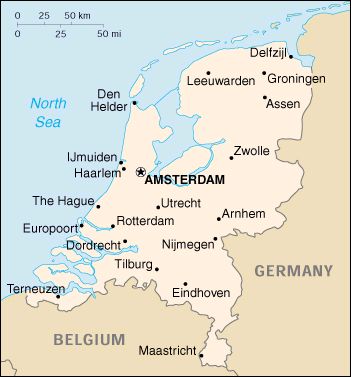
| Click map for larger view |
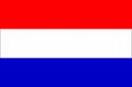
| Click flag for Country Report |



Beatrix
Queen since 30 April 1980
Queen since 30 April 1980
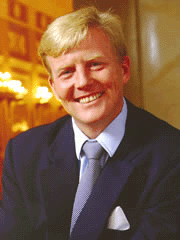
Willem-Alexander
Prince and Heir Apparent
since 27 April 1967
Prince and Heir Apparent
since 27 April 1967
| TRAFFICKING IN PERSONS |
None reported.

Lodewijk Asscher
Deputy Prime Minister since 5 November 2012
Deputy Prime Minister since 5 November 2012