
| SINT MAARTEN Country of Sint Maarten Land Sint Maarten (Part of the Kingdom of Netherlands) Joined United Nations: 10 December 1945 Human Rights as assured by their constitution Click here Updated 15 February 2013 |

| CAPITAL |
| POPULATION |
| CHIEF OF STATE |
| SELECTION PROCESS |
Philipsburg
39,088 (January 2010 est.)
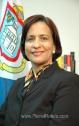
Sarah Wescot-Williams
Prime Minister since 10 October 2010
Prime Minister since 10 October 2010
The Monarch is hereditary; governor general appointed by the
monarch for a six-year term;
Next scheduled election: None
monarch for a six-year term;
Next scheduled election: None
HEAD OF GOVERNMENT
SELECTION PROCESS
Following legislative elections, the leader of the majority party is
usually elected prime minister by the Staten; election last held 17
September 2010
Next scheduled election: 2014
usually elected prime minister by the Staten; election last held 17
September 2010
Next scheduled election: 2014
| DECLARATION OF HUMAN RIGHTS |
| ETHNIC GROUPS |
Mixed black 85%, other 15% (includes Carib Amerindian, white, East Asian)
| RELIGIONS |
Roman Catholic 39%, Protestant 27%, Pentecostal 11.6%, none 6.7%, Seventh Day Adventist 6.2%, other 5.4%, Jewish 3.4%,
not reported 0.7% (2001 census)
not reported 0.7% (2001 census)
| GOVERNMENT STRUCTURE |
Parliamentary constituent country within the Kingdom of the Netherlands; full autonomy in internal affairs granted in 2010; Dutch
Government responsible for defense and foreign affairs; Legal system is based on Dutch civil law system with some English common
law influence
Executive: The monarch is hereditary; governor general appointed by the monarch for a six-year term; following legislative
elections, the leader of the majority party is usually elected prime minister by the Staten; election 17 September 2010 (next to be
held in 2014)
Legislative: Unicameral States or Staten (15 seats; members elected by popular vote for four year term)
elections: 17 September 2010 (next to be held in 2014)
Judicial: Common Court of Justice, Joint High Court of Justice (judges appointed by the monarch)
Government responsible for defense and foreign affairs; Legal system is based on Dutch civil law system with some English common
law influence
Executive: The monarch is hereditary; governor general appointed by the monarch for a six-year term; following legislative
elections, the leader of the majority party is usually elected prime minister by the Staten; election 17 September 2010 (next to be
held in 2014)
Legislative: Unicameral States or Staten (15 seats; members elected by popular vote for four year term)
elections: 17 September 2010 (next to be held in 2014)
Judicial: Common Court of Justice, Joint High Court of Justice (judges appointed by the monarch)
| LANGUAGES |
English 67.5% (official), Spanish 12.9%, Creole 8.2%, Dutch 4.2% (official), Papiamento 2.2% (a
Spanish-Portuguese-Dutch-English dialect), French 1.5%, other 3.5% (2001 census)
Spanish-Portuguese-Dutch-English dialect), French 1.5%, other 3.5% (2001 census)
| BRIEF HISTORY |
On Sint Maarten, Ancient relics date the island's first settlers, probably Ciboney Indians (a subgroup of Arawaks), back to 3,500
years ago. Then another group of Arawaks migrated from South America's Orinoco basin around 800 A.D. Because of St.
Martin's salt-pans they called it “Sualouiga,” or “Land of Salt.” Mainly a farming and fishing society, the Arawaks lived in villages of
straw-roofed buildings which were strong enough to resist hurricanes. Their tranquil civilization valued artistic and spiritual pursuits.
Their lives were turned upside-down, however, with the descent of the Carib Indians from the same region they had come from. A
warrior nation, the Caribs killed the Arawak men and enslaved the women. When Europeans began to explore the Caribbean,
Carib society had almost completely displaced the Arawaks. In 1493, Christopher Columbus embarked on his second voyage to
the New World. According to legend, Columbus sighted and perhaps anchored at the island of Saint Martin on November 11,
1493, the feast day of Saint Martin of Tours. In his honor, Columbus named the island San Martin. This name was translated to Sint
Maarten (Dutch), Saint-Martin (French) and "Saint Martin" in English. At Columbus's time, St. Martin was populated, if populated
at all, by Carib amerindians. The former Arawaks had been chased by the Caribs coming from the North coast of South America a
short time before the arrival of the Spaniards who followed in Columbus' wake. The English word cannibal is derived from the
Spanish pronunciation for Carib. The Arawaks were agricultural people who fashioned pottery and whose social organization was
headed by hereditary chieftains who derived their power from personal deities called zemis. The Caribs' territory was not
completely conquered until the mid-17th century when most of them perished in the struggle between the French, English, Dutch,
Danes and Spanish for control of the West Indies. The Dutch first began to ply the island's ponds for salt in the 1620s. Despite the
Dutch presence on the island, the Spaniards recaptured St. Martin in 1633 and, one year later, built a fort (now Ft. Amsterdam)
and another artillery battery at Pointe Blanche to assert their claim and control access to Great bay salt pond. The Spaniards
introduced the first African slaves to the area in the 16th century but the main influx of African slaves took place in the 18th century
with the development of Sugarcane plantations by the French Protestants and Dutch. Slavery was abolished in the first half of the
19th century, whereupon on some of their territories the British imported Chinese and East Indians to take the place of slaves. Thus,
St. Martin and the other islands are populated by a mixture of Amerindian, European, African, Indians and Asian peoples. West
Indian cultures such as in St. Martin are, consequently, exceedingly rich and varied. On March 23, 1648, France and the Dutch
Republic agreed to divide the island between their two nations, with the signing of the Treaty of Concordia. Folklore surrounds the
history of the once ever-changing border division between St. Martin and Sint Maarten, and a popular story among locals narrates
that "to divide the island in two sections, [in 1648] the inhabitants were told to choose two walkers, one chosen by the French-
dominated community and the other one by the Dutch-dominated community, who were put back to back in one extreme of the
island, making them walk in opposite directions while stuck to the litoral line, and not allowing them to run. The point where they
eventually met was set as the other extreme of the island, and the subsequently created line was chosen as the frontier, dividing
Saint-Martin from Sint Maarten. Seemingly, the French walker had walked more than his Dutch counterpart (each one earned his
land, respectively, 54 km² and 32 km²). As the first man chose wine as his stimulant prior to the race, while the latter chose Jenever
(Dutch Gin), the difference between such beverages' lightness was said to be the cause of the territorial differences by French locals,
while Dutch locals tended to blame the French walker for running." In 1994, the Kingdom of the Netherlands and France signed the
Franco-Dutch treaty on Saint Martin border controls, which allows for joint Franco-Dutch border controls on so-called "risk
flights". After some delay, the treaty was ratified in November 2006 in the Netherlands, and subsequently entered into force on 1
August 2007. Though the treaty is now in force, its provisions are not yet implemented as the working group specified in the treaty
is not yet installed. St. Martin received the ISO 3166-1 code MF in October 2007. The status of the Dutch side was due to change
to a country within the Kingdom of the Netherlands in December 2008, but this has been postponed to 10 October 2010. It is
expected the Dutch part will also get its own ISO 3166-1 code when the status change goes into effect.
Source: Wikipedia: History of Sint Maarten
years ago. Then another group of Arawaks migrated from South America's Orinoco basin around 800 A.D. Because of St.
Martin's salt-pans they called it “Sualouiga,” or “Land of Salt.” Mainly a farming and fishing society, the Arawaks lived in villages of
straw-roofed buildings which were strong enough to resist hurricanes. Their tranquil civilization valued artistic and spiritual pursuits.
Their lives were turned upside-down, however, with the descent of the Carib Indians from the same region they had come from. A
warrior nation, the Caribs killed the Arawak men and enslaved the women. When Europeans began to explore the Caribbean,
Carib society had almost completely displaced the Arawaks. In 1493, Christopher Columbus embarked on his second voyage to
the New World. According to legend, Columbus sighted and perhaps anchored at the island of Saint Martin on November 11,
1493, the feast day of Saint Martin of Tours. In his honor, Columbus named the island San Martin. This name was translated to Sint
Maarten (Dutch), Saint-Martin (French) and "Saint Martin" in English. At Columbus's time, St. Martin was populated, if populated
at all, by Carib amerindians. The former Arawaks had been chased by the Caribs coming from the North coast of South America a
short time before the arrival of the Spaniards who followed in Columbus' wake. The English word cannibal is derived from the
Spanish pronunciation for Carib. The Arawaks were agricultural people who fashioned pottery and whose social organization was
headed by hereditary chieftains who derived their power from personal deities called zemis. The Caribs' territory was not
completely conquered until the mid-17th century when most of them perished in the struggle between the French, English, Dutch,
Danes and Spanish for control of the West Indies. The Dutch first began to ply the island's ponds for salt in the 1620s. Despite the
Dutch presence on the island, the Spaniards recaptured St. Martin in 1633 and, one year later, built a fort (now Ft. Amsterdam)
and another artillery battery at Pointe Blanche to assert their claim and control access to Great bay salt pond. The Spaniards
introduced the first African slaves to the area in the 16th century but the main influx of African slaves took place in the 18th century
with the development of Sugarcane plantations by the French Protestants and Dutch. Slavery was abolished in the first half of the
19th century, whereupon on some of their territories the British imported Chinese and East Indians to take the place of slaves. Thus,
St. Martin and the other islands are populated by a mixture of Amerindian, European, African, Indians and Asian peoples. West
Indian cultures such as in St. Martin are, consequently, exceedingly rich and varied. On March 23, 1648, France and the Dutch
Republic agreed to divide the island between their two nations, with the signing of the Treaty of Concordia. Folklore surrounds the
history of the once ever-changing border division between St. Martin and Sint Maarten, and a popular story among locals narrates
that "to divide the island in two sections, [in 1648] the inhabitants were told to choose two walkers, one chosen by the French-
dominated community and the other one by the Dutch-dominated community, who were put back to back in one extreme of the
island, making them walk in opposite directions while stuck to the litoral line, and not allowing them to run. The point where they
eventually met was set as the other extreme of the island, and the subsequently created line was chosen as the frontier, dividing
Saint-Martin from Sint Maarten. Seemingly, the French walker had walked more than his Dutch counterpart (each one earned his
land, respectively, 54 km² and 32 km²). As the first man chose wine as his stimulant prior to the race, while the latter chose Jenever
(Dutch Gin), the difference between such beverages' lightness was said to be the cause of the territorial differences by French locals,
while Dutch locals tended to blame the French walker for running." In 1994, the Kingdom of the Netherlands and France signed the
Franco-Dutch treaty on Saint Martin border controls, which allows for joint Franco-Dutch border controls on so-called "risk
flights". After some delay, the treaty was ratified in November 2006 in the Netherlands, and subsequently entered into force on 1
August 2007. Though the treaty is now in force, its provisions are not yet implemented as the working group specified in the treaty
is not yet installed. St. Martin received the ISO 3166-1 code MF in October 2007. The status of the Dutch side was due to change
to a country within the Kingdom of the Netherlands in December 2008, but this has been postponed to 10 October 2010. It is
expected the Dutch part will also get its own ISO 3166-1 code when the status change goes into effect.
Source: Wikipedia: History of Sint Maarten
| ECONOMIC OVERVIEW |
The economy of Sint Maarten centers around tourism with nearly four-fifths of the labor force engaged in this sector. Over one
million visitors come to the island each year - 1.3 million in 2008 - with most arriving through the Princess Juliana International
Airport. Cruise ships and yachts also call on Sint Maarten's numerous ports and harbors. No significant agriculture and limited local
fishing means that almost all food must be imported. Energy resources and manufactured goods are also imported. Sint Maarten had
the highest per capita income among the five islands that formerly comprised the Netherlands Antilles.
Source: CIA World Factbook (select Sint Maarten)
million visitors come to the island each year - 1.3 million in 2008 - with most arriving through the Princess Juliana International
Airport. Cruise ships and yachts also call on Sint Maarten's numerous ports and harbors. No significant agriculture and limited local
fishing means that almost all food must be imported. Energy resources and manufactured goods are also imported. Sint Maarten had
the highest per capita income among the five islands that formerly comprised the Netherlands Antilles.
Source: CIA World Factbook (select Sint Maarten)
| POLITICAL CLIMATE |
The politics of Sint Maarten, a constituent country of the Kingdom of the Netherlands, takes place in a framework of a
parliamentary representative democratic country, whereby the prime minister is the head of government, and of a multi-party
system. Executive power is exercised by the government. Legislative power is vested in both the government and parliament. The
judiciary is independent of the executive and the legislature. Sint Maarten has full autonomy on most matters, with the exceptions
summed up in the Charter for the Kingdom of the Netherlands under the title "Kingdom affairs". The Constitution of Sint Maarten
was ratified in September 2010, and entered into force on 10 October 2010.
Executive power rests with a governor, and a prime minister heads a Cabinet. The governor of Sint Maarten is appointed for a
six-year term by the monarch, and the prime minister and deputy prime minister are elected by the Staten for four-year terms.
Legislative power is shared by the government and the legislature. The legislature or Staten is made up of 21 members elected by
direct, popular vote to serve four-year terms.
Sint Maarten's judicial system, which has mainly been derived from the Dutch system, operates independently of the legislature and
the executive. Jurisdiction, including appeal, lies with the Common Court of Justice of Aruba, Curaçao, Sint Maarten, and of
Bonaire, Sint Eustatius and Saba and the Supreme Court of Justice in the Netherlands.
Source: Wikipedia: Politics of Sint Maarten
parliamentary representative democratic country, whereby the prime minister is the head of government, and of a multi-party
system. Executive power is exercised by the government. Legislative power is vested in both the government and parliament. The
judiciary is independent of the executive and the legislature. Sint Maarten has full autonomy on most matters, with the exceptions
summed up in the Charter for the Kingdom of the Netherlands under the title "Kingdom affairs". The Constitution of Sint Maarten
was ratified in September 2010, and entered into force on 10 October 2010.
Executive power rests with a governor, and a prime minister heads a Cabinet. The governor of Sint Maarten is appointed for a
six-year term by the monarch, and the prime minister and deputy prime minister are elected by the Staten for four-year terms.
Legislative power is shared by the government and the legislature. The legislature or Staten is made up of 21 members elected by
direct, popular vote to serve four-year terms.
Sint Maarten's judicial system, which has mainly been derived from the Dutch system, operates independently of the legislature and
the executive. Jurisdiction, including appeal, lies with the Common Court of Justice of Aruba, Curaçao, Sint Maarten, and of
Bonaire, Sint Eustatius and Saba and the Supreme Court of Justice in the Netherlands.
Source: Wikipedia: Politics of Sint Maarten
| INTERNATIONAL DISPUTES |
None reported.


| REFUGEES AND INTERNALLY DISPLACED PERSONS (IDPS) |
None reported.
| ILLICIT DRUGS |
Transshipment point for South American drugs bound for the US and Europe; money-laundering center
| HUMAN RIGHTS STATEMENTS, ANALYSIS AND CRITIQUES |
2011 Human Rights Report: Netherlands (includes Sint Maarten)
Bureau of Democracy, Human Rights, and Labor
2011 Country Reports on Human Rights Practices
May 25, 2012
The Kingdom of the Netherlands, which includes the Netherlands, Aruba, Curacao, and St. Maarten, is a constitutional monarchy. The
Netherlands (the term used to designate the European part of the kingdom and the Caribbean islands of Bonaire, Saba, and Sint Eustatius)
has a bicameral parliament; a first chamber (the Senate) is elected by the country’s 12 provincial councils and a second chamber (the
House of Representatives) by popular vote. A prime minister and a cabinet representing the governing political parties exercise executive
authority. General elections held in June 2010 were free and fair. Aruba, Curacao, and St. Maarten have unicameral parliamentary
systems and are largely autonomous, except in foreign policy and defense. The Kingdom of the Netherlands is responsible for
safeguarding fundamental human rights and freedoms in its territories.
In a country with no widespread or systemic abuses, the most salient human rights problem was societal animosity toward certain ethnic
and religious groups, particularly Muslim immigrants from North Africa and the Middle East. In Aruba, Curacao, and St. Maarten, prison
conditions remained substandard in some respects.
In St. Maarten 138 persons were in detention, approximately 3 percent of them women; the occupancy rate was 96 percent. In Curacao,
502 persons were in detention, approximately 5 percent of them women; the occupancy rate was about 71 percent. In St. Maarten,
inmates struck briefly in April over a Public Prosecutor’s Office decision to send two inmates to prison in Bonaire.vIn June the St.
Maarten Inmates Association demanded improvement in inmates’ living conditions and the availability of health care. The Dutch
government agreed to finance staff recruitment to strengthen St. Maarten’s government.
Click here to read more »
Bureau of Democracy, Human Rights, and Labor
2011 Country Reports on Human Rights Practices
May 25, 2012
The Kingdom of the Netherlands, which includes the Netherlands, Aruba, Curacao, and St. Maarten, is a constitutional monarchy. The
Netherlands (the term used to designate the European part of the kingdom and the Caribbean islands of Bonaire, Saba, and Sint Eustatius)
has a bicameral parliament; a first chamber (the Senate) is elected by the country’s 12 provincial councils and a second chamber (the
House of Representatives) by popular vote. A prime minister and a cabinet representing the governing political parties exercise executive
authority. General elections held in June 2010 were free and fair. Aruba, Curacao, and St. Maarten have unicameral parliamentary
systems and are largely autonomous, except in foreign policy and defense. The Kingdom of the Netherlands is responsible for
safeguarding fundamental human rights and freedoms in its territories.
In a country with no widespread or systemic abuses, the most salient human rights problem was societal animosity toward certain ethnic
and religious groups, particularly Muslim immigrants from North Africa and the Middle East. In Aruba, Curacao, and St. Maarten, prison
conditions remained substandard in some respects.
In St. Maarten 138 persons were in detention, approximately 3 percent of them women; the occupancy rate was 96 percent. In Curacao,
502 persons were in detention, approximately 5 percent of them women; the occupancy rate was about 71 percent. In St. Maarten,
inmates struck briefly in April over a Public Prosecutor’s Office decision to send two inmates to prison in Bonaire.vIn June the St.
Maarten Inmates Association demanded improvement in inmates’ living conditions and the availability of health care. The Dutch
government agreed to finance staff recruitment to strengthen St. Maarten’s government.
Click here to read more »
13 September 2012
Committee against Torture
Consideration of reports submitted by States parties under article 19 of the Convention
Sixth periodic report of States parties due in 2011, submitted in response to the list of issues (CAT/C/NLD/Q/6) transmitted to
the State party pursuant to the optional reporting procedure (A/62/44, paras. 23 and 24)
The Netherlands (including Sint Maarten)
I. Introduction
2. Following constitutional reforms within the Kingdom of the Netherlands, the Netherlands Antilles, consisting of the islands of
Curaçao, Sint Maarten, Bonaire, Sint Eustatius and Saba, ceased to exist as a part of the Kingdom of the Netherlands with effect from
October 10th 2010. Curaçao and Sint Maarten became autonomous countries within the Kingdom of the Netherlands, and the islands of
Bonaire, Sint Eustatius and Saba became part of the Netherlands, constituting the Caribbean part of the Netherlands. From that date
onwards, the Kingdom of the Netherlands now consists of four parts: the Netherlands (the part in Europe and a part in the Caribbean),
Aruba, Curaçao and Sint Maarten.
Reply to the issues raised in paragraph37 of the list of issues
247. The MoU has generated various forms of cooperation and support, such as sharing expertise, organizing training courses and
arranging the national coordinators’ annual meeting. During the expert meeting on human trafficking and smuggling on 18 and 19 April
2011 on Sint Maarten, preliminary discussions were held on continuing the MoU and a first draft of the new text was compiled by the
coordinators.
248. On 20 June 2011, the Ministers of Justice of Aruba, Curaçao, Sint Maarten and the Netherlands signed a new MoU with
regard to cooperation for the prevention and combating of trafficking and smuggling in persons.
Sint Maarten
Reply to the issues raised in paragraph 38 of the list of issues.
284. Pretrial detention is subject to strict conditions, which are defined by law. Compliance with the conditions is reviewed by the
courts.
Reply to the issues raised in paragraph 39 of the list of issues
285. Every accused person has the right to legal counsel. Legal aid is available in Sint Maarten. A suspect who is suspected of an
offence or placed in detention is assigned a lawyer (if so desired). Suspects are also entitled to adequate medical care even if
incarcerated. The prison has contracts with physicians for the delivery of medical services to inmates.
Reply to the issues raised in paragraphs 40 and 43 of the list of issues
286. The Constitution of Sint Maarten prohibits the torture and inhuman or degrading treatment of inmates. Anyone who violates
this prohibition is liable to dismissal and prosecution by the Public Prosecution Service.
Reply to the issues raised in paragraphs 41 and 42 of the list of issues
287. The new Criminal Code of Sint Maarten to be introduced next year will take into account the treatment of prisoners and
juvenile detainees. The new Code prescribes that men and women, and youths and adults be detained separately, which is the situation
already. The programme for detainees will also include more opportunities for education and training. In addition, the Minister of Justice
has been very active in creating a new facility to house detainees. This facility will cater more specifically to minors and people with
mental health problems.
Click here to read more »
Committee against Torture
Consideration of reports submitted by States parties under article 19 of the Convention
Sixth periodic report of States parties due in 2011, submitted in response to the list of issues (CAT/C/NLD/Q/6) transmitted to
the State party pursuant to the optional reporting procedure (A/62/44, paras. 23 and 24)
The Netherlands (including Sint Maarten)
I. Introduction
2. Following constitutional reforms within the Kingdom of the Netherlands, the Netherlands Antilles, consisting of the islands of
Curaçao, Sint Maarten, Bonaire, Sint Eustatius and Saba, ceased to exist as a part of the Kingdom of the Netherlands with effect from
October 10th 2010. Curaçao and Sint Maarten became autonomous countries within the Kingdom of the Netherlands, and the islands of
Bonaire, Sint Eustatius and Saba became part of the Netherlands, constituting the Caribbean part of the Netherlands. From that date
onwards, the Kingdom of the Netherlands now consists of four parts: the Netherlands (the part in Europe and a part in the Caribbean),
Aruba, Curaçao and Sint Maarten.
Reply to the issues raised in paragraph37 of the list of issues
247. The MoU has generated various forms of cooperation and support, such as sharing expertise, organizing training courses and
arranging the national coordinators’ annual meeting. During the expert meeting on human trafficking and smuggling on 18 and 19 April
2011 on Sint Maarten, preliminary discussions were held on continuing the MoU and a first draft of the new text was compiled by the
coordinators.
248. On 20 June 2011, the Ministers of Justice of Aruba, Curaçao, Sint Maarten and the Netherlands signed a new MoU with
regard to cooperation for the prevention and combating of trafficking and smuggling in persons.
Sint Maarten
Reply to the issues raised in paragraph 38 of the list of issues.
284. Pretrial detention is subject to strict conditions, which are defined by law. Compliance with the conditions is reviewed by the
courts.
Reply to the issues raised in paragraph 39 of the list of issues
285. Every accused person has the right to legal counsel. Legal aid is available in Sint Maarten. A suspect who is suspected of an
offence or placed in detention is assigned a lawyer (if so desired). Suspects are also entitled to adequate medical care even if
incarcerated. The prison has contracts with physicians for the delivery of medical services to inmates.
Reply to the issues raised in paragraphs 40 and 43 of the list of issues
286. The Constitution of Sint Maarten prohibits the torture and inhuman or degrading treatment of inmates. Anyone who violates
this prohibition is liable to dismissal and prosecution by the Public Prosecution Service.
Reply to the issues raised in paragraphs 41 and 42 of the list of issues
287. The new Criminal Code of Sint Maarten to be introduced next year will take into account the treatment of prisoners and
juvenile detainees. The new Code prescribes that men and women, and youths and adults be detained separately, which is the situation
already. The programme for detainees will also include more opportunities for education and training. In addition, the Minister of Justice
has been very active in creating a new facility to house detainees. This facility will cater more specifically to minors and people with
mental health problems.
Click here to read more »
Freedom In The World 2007 Report
Overview
The center-right government resigned in June 2006 after an internal dispute involving the immigration minister and Somali-born Member
of Parliament Ayaan Hirsi Ali, a collaborator of slain filmmaker Theo van Gogh. Early elections were held in November, and talks on a
new ruling coalition were ongoing at year’s end. Nine members of a radical Islamic terrorist cell known as the Hofstad group, which had
been linked to Van Gogh’s death, were convicted in March. Also in November, the Netherlands signed an agreement that would break up
the Netherlands Antilles in 2007, granting autonomy to the Caribbean islands of Curacao and St. Maarten and making three smaller
islands Dutch municipalities.
The Netherlands signed an agreement in November granting autonomy to the Caribbean territories of Curacao and St. Maarten. The
islands, which were part of the Netherlands Antilles at the time, would each be self-governing as of July 2007 except in the areas of
defense, law enforcement, and foreign policy. Meanwhile, the smaller islands in the Netherlands Antilles—Bonaire, Saba, and St.
Eustatius—were set to strengthen their Dutch ties by gaining the status of Netherlands municipalities.
Click here to read more »
Overview
The center-right government resigned in June 2006 after an internal dispute involving the immigration minister and Somali-born Member
of Parliament Ayaan Hirsi Ali, a collaborator of slain filmmaker Theo van Gogh. Early elections were held in November, and talks on a
new ruling coalition were ongoing at year’s end. Nine members of a radical Islamic terrorist cell known as the Hofstad group, which had
been linked to Van Gogh’s death, were convicted in March. Also in November, the Netherlands signed an agreement that would break up
the Netherlands Antilles in 2007, granting autonomy to the Caribbean islands of Curacao and St. Maarten and making three smaller
islands Dutch municipalities.
The Netherlands signed an agreement in November granting autonomy to the Caribbean territories of Curacao and St. Maarten. The
islands, which were part of the Netherlands Antilles at the time, would each be self-governing as of July 2007 except in the areas of
defense, law enforcement, and foreign policy. Meanwhile, the smaller islands in the Netherlands Antilles—Bonaire, Saba, and St.
Eustatius—were set to strengthen their Dutch ties by gaining the status of Netherlands municipalities.
Click here to read more »
No Reports from Amnesty International mentioning Sint Maarten after exhaustive search of their database. Please forward
any information you may have regarding Amnesty International efforts on behalf of Sint Maarten to the Pax Gaea World
Report editor at the link below
Contact the editor »
any information you may have regarding Amnesty International efforts on behalf of Sint Maarten to the Pax Gaea World
Report editor at the link below
Contact the editor »
No Reports from Human Rights Watch mentioning Sint Maarten after exhaustive search of their database. Please forward
any information you may have regarding Human Rights Watch efforts on behalf of Sint Maarten to the Pax Gaea World
Report editor at the link below
Contact the editor »
any information you may have regarding Human Rights Watch efforts on behalf of Sint Maarten to the Pax Gaea World
Report editor at the link below
Contact the editor »
Visit Vegter and Pesselse to detention facilities
Jan 25, 2013
P Prof. Mr. P.C. Vegter and Mr. G. Pesselse visited Sint Maarten on the request of Governor Holiday in order to monitor the
implementation of improvements with regard to Sint Maartens penitentiary facilities from Thursday 17 January through Saturday 19
January 2013. This year’s visit was the fifth since 2008.
In June 2007, the Committee for the Prevention of Torture and Inhuman or Degrading Treatment or Punishment (CPT) of the Council
of Europe, whose task is to visit places of detention in order to assess how persons deprived of their liberty are treated, visited the then
Netherlands Antilles and Aruba. In December 2007, following its visit, the CPT issued a critical report outlining a number of
shortcomings with regards to the detention facilities that were visited. In order to monitor the developments more closely, the Kingdom
Council of Ministers in January 2008 decided to ask the Governors to report periodically about the penitentiary situation in the respective
countries and the improvements made at the various penitentiary facilities. The Governors subsequently requested independent experts in
this field to perform the monitoring visit on their behalf. This approach has been continued after 10-10-10. This year the team of
independent experts was comprised of Prof. P.C. Vegter and Mr. G. Pesselse. The latter replaced Mr. J. de Lange who was unable to
accompany Prof. Vegter on this visit due to prior engagements.
Vegter and Pesselse started their assignment by paying a visit to His Excellency Governor Holiday. In the course of their visit, Vegter and
Pesselse met with Prime Minister Wescot-Williams as well as senior officials from the Ministry of Justice. Further, consultations were
held with the Director of the Point Blanche facility Mr. A. Rohan, Attorney General T. Stein and Chief Prosecutor H. Mos, the Chief of
Police Mr. P. de Witte, the Clinical Director of Turning Point Mrs. J. Arndell as well as two members of the Supervisory Board, Mr. R.
van Veen and Mr. W. Manning. Furthermore, Vegter and Pesselse also examined the actual situation of the persons detained in Sint
Maarten, visiting the Point Blanche facility and the police stations in Philipsburg and Simpson Bay. The experts were also given a bird eye
view of the Turning Point facility and the treatment of persons residing there. The experts will draft a report, which report will be
presented to the Governor in the months ahead.
Click here to read more »
Jan 25, 2013
P Prof. Mr. P.C. Vegter and Mr. G. Pesselse visited Sint Maarten on the request of Governor Holiday in order to monitor the
implementation of improvements with regard to Sint Maartens penitentiary facilities from Thursday 17 January through Saturday 19
January 2013. This year’s visit was the fifth since 2008.
In June 2007, the Committee for the Prevention of Torture and Inhuman or Degrading Treatment or Punishment (CPT) of the Council
of Europe, whose task is to visit places of detention in order to assess how persons deprived of their liberty are treated, visited the then
Netherlands Antilles and Aruba. In December 2007, following its visit, the CPT issued a critical report outlining a number of
shortcomings with regards to the detention facilities that were visited. In order to monitor the developments more closely, the Kingdom
Council of Ministers in January 2008 decided to ask the Governors to report periodically about the penitentiary situation in the respective
countries and the improvements made at the various penitentiary facilities. The Governors subsequently requested independent experts in
this field to perform the monitoring visit on their behalf. This approach has been continued after 10-10-10. This year the team of
independent experts was comprised of Prof. P.C. Vegter and Mr. G. Pesselse. The latter replaced Mr. J. de Lange who was unable to
accompany Prof. Vegter on this visit due to prior engagements.
Vegter and Pesselse started their assignment by paying a visit to His Excellency Governor Holiday. In the course of their visit, Vegter and
Pesselse met with Prime Minister Wescot-Williams as well as senior officials from the Ministry of Justice. Further, consultations were
held with the Director of the Point Blanche facility Mr. A. Rohan, Attorney General T. Stein and Chief Prosecutor H. Mos, the Chief of
Police Mr. P. de Witte, the Clinical Director of Turning Point Mrs. J. Arndell as well as two members of the Supervisory Board, Mr. R.
van Veen and Mr. W. Manning. Furthermore, Vegter and Pesselse also examined the actual situation of the persons detained in Sint
Maarten, visiting the Point Blanche facility and the police stations in Philipsburg and Simpson Bay. The experts were also given a bird eye
view of the Turning Point facility and the treatment of persons residing there. The experts will draft a report, which report will be
presented to the Governor in the months ahead.
Click here to read more »
St. Maarten Ombudsman focuses on networking
POSTED: 01/30/13 2:06 PM
St. Maarten – The office of the Ombudsman will focus this year of compiling a list of private entities with public authority, on fine-
tuning its internal procedures and on networking, Ombudsman dr. Nilda Arduin said at her first press conference of the year yesterday.
The networking activities are focused on other supervising and investigating entities like the Financial Intelligence Unit MOT, the National
Detective Agency (Landsrecherche), the Public Prosecutor’s Office and organizations like the Chamber of Commerce, consumer
foundations, labor unions and associations.
The Ombudsman will continue with its district meetings and expand exchange sessions to provide information to civil servants and
private entities with public authority. “The emphasis will be on standards of proper conduct,” the Ombudsman said.
The Ombudsman will furthermore monitor the execution of earlier made recommendations.
The office will also host the Caroa Conference in St. Maarten from May 5 to May 9; Caroa is the Caribbean Ombudsman Association.
The conference’s objective is to expand on knowledge regarding the work of Ombudsman and to exchange information. The conference’
s theme is: Towards exemplary public ethics in challenging times; the role of the Ombudsman.
The conference will deal with issues like public service ethics, human rights, investigative techniques, public ethics, the growing trend of
the privatization of public services and dealing with modern technology like social media.
Click here to read more »
POSTED: 01/30/13 2:06 PM
St. Maarten – The office of the Ombudsman will focus this year of compiling a list of private entities with public authority, on fine-
tuning its internal procedures and on networking, Ombudsman dr. Nilda Arduin said at her first press conference of the year yesterday.
The networking activities are focused on other supervising and investigating entities like the Financial Intelligence Unit MOT, the National
Detective Agency (Landsrecherche), the Public Prosecutor’s Office and organizations like the Chamber of Commerce, consumer
foundations, labor unions and associations.
The Ombudsman will continue with its district meetings and expand exchange sessions to provide information to civil servants and
private entities with public authority. “The emphasis will be on standards of proper conduct,” the Ombudsman said.
The Ombudsman will furthermore monitor the execution of earlier made recommendations.
The office will also host the Caroa Conference in St. Maarten from May 5 to May 9; Caroa is the Caribbean Ombudsman Association.
The conference’s objective is to expand on knowledge regarding the work of Ombudsman and to exchange information. The conference’
s theme is: Towards exemplary public ethics in challenging times; the role of the Ombudsman.
The conference will deal with issues like public service ethics, human rights, investigative techniques, public ethics, the growing trend of
the privatization of public services and dealing with modern technology like social media.
Click here to read more »
Peace Couture!
Thursday, 29 March 2012
Unmasking Domestic Violence ~
Mark your calendars to support Safe Haven's upcoming event "Unmasking Domestic Violence" on March 31. Domestic violence is a
silent epidemic affecting the entire spectrum of society at all educational and socioeconomic levels. This is a fabulous fashion show
benefitting Safe Haven. This is also to support services to survivors of domestic and sexual violence and to educate young people about
violence prevention.
Domestic violence can be defined as a pattern of behaviour in any relationship that is used to gain or maintain power and control over an
intimate partner. "Fighting fear with fashion – 'Unmasking Domestic Violence' – this is my type of event. It celebrates women and their
ability to survive. Two to three women die every week [because of domestic violence]. I am a very unreasonable woman. I won't be
satisfied until we have no women killed."
Benefiting Safe Haven Foundation, this event is raising awareness in your community and supporting the foundation's mission to support
women. Help put an end to domestic violence against women. Tickets are on sale for $20.
What is Safe Haven?
Save Haven encourages a safe community, free of physical violence and emotional abuse through shelter, caring, advocacy and
education. Safe Haven provides emergency shelter and free comprehensive support services to victims and survivors of domestic
violence and sexual assault. Safe Haven is committed to ending violence and sexual assault by changing the social conditions and beliefs
that perpetuate violence against women and children.
Why supporting this cause is so important!
Domestic violence is an incredibly serious issue. It is something that needs to be highly addressed and always prevented. If we as a
society overlook abuse on women, children and even men, there will be grave and fatal consequences. Whether the abuse is sexual,
physical or verbal, there will always be some long-term effects on both the abuser and the victim. It is very important to support this
cause.
Ways to get involved!
Our mission at Safe Haven is to make sure every citizen of St. Maarten knows about the tragedies of domestic violence and the help that
is available in St. Maarten. We will be speaking at different organizational and community functions, distributing brochures in
neighbourhoods, sending out direct mail pieces and e-mail messages, and visiting with St. Maarten businesses to help educate them on
the subject of domestic violence as well as violence against women in the workplace. We will also be contacting our St. Maarten
senators in an effort to get the laws addressing domestic violence changed to more clearly define "domestic violence" and actually
provide real punishment for violent abusers. Obviously, the success or failure of our efforts will depend on funding. We will have benefit
functions to raise money to promote public awareness of domestic violence. If you are a singer, a musician or an entertainer, we can
certainly use your help.
Click here to read more>>
Thursday, 29 March 2012
Unmasking Domestic Violence ~
Mark your calendars to support Safe Haven's upcoming event "Unmasking Domestic Violence" on March 31. Domestic violence is a
silent epidemic affecting the entire spectrum of society at all educational and socioeconomic levels. This is a fabulous fashion show
benefitting Safe Haven. This is also to support services to survivors of domestic and sexual violence and to educate young people about
violence prevention.
Domestic violence can be defined as a pattern of behaviour in any relationship that is used to gain or maintain power and control over an
intimate partner. "Fighting fear with fashion – 'Unmasking Domestic Violence' – this is my type of event. It celebrates women and their
ability to survive. Two to three women die every week [because of domestic violence]. I am a very unreasonable woman. I won't be
satisfied until we have no women killed."
Benefiting Safe Haven Foundation, this event is raising awareness in your community and supporting the foundation's mission to support
women. Help put an end to domestic violence against women. Tickets are on sale for $20.
What is Safe Haven?
Save Haven encourages a safe community, free of physical violence and emotional abuse through shelter, caring, advocacy and
education. Safe Haven provides emergency shelter and free comprehensive support services to victims and survivors of domestic
violence and sexual assault. Safe Haven is committed to ending violence and sexual assault by changing the social conditions and beliefs
that perpetuate violence against women and children.
Why supporting this cause is so important!
Domestic violence is an incredibly serious issue. It is something that needs to be highly addressed and always prevented. If we as a
society overlook abuse on women, children and even men, there will be grave and fatal consequences. Whether the abuse is sexual,
physical or verbal, there will always be some long-term effects on both the abuser and the victim. It is very important to support this
cause.
Ways to get involved!
Our mission at Safe Haven is to make sure every citizen of St. Maarten knows about the tragedies of domestic violence and the help that
is available in St. Maarten. We will be speaking at different organizational and community functions, distributing brochures in
neighbourhoods, sending out direct mail pieces and e-mail messages, and visiting with St. Maarten businesses to help educate them on
the subject of domestic violence as well as violence against women in the workplace. We will also be contacting our St. Maarten
senators in an effort to get the laws addressing domestic violence changed to more clearly define "domestic violence" and actually
provide real punishment for violent abusers. Obviously, the success or failure of our efforts will depend on funding. We will have benefit
functions to raise money to promote public awareness of domestic violence. If you are a singer, a musician or an entertainer, we can
certainly use your help.
Click here to read more>>
| Click map for larger view |
| Click flag for Country Report |



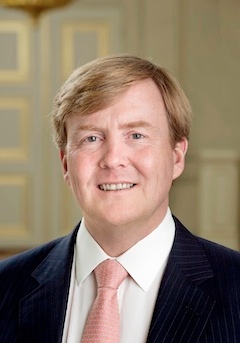
Beatrix of the Netherlands
Queen since 30 April 1980
Queen since 30 April 1980
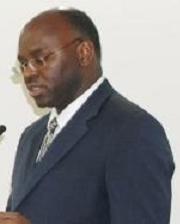
Represented by
Eugene Holiday
Governor General 10 October 2010
Eugene Holiday
Governor General 10 October 2010
| TRAFFICKING IN PERSONS |
None reported.


Prince Willem-Alexander
Heir Apparent since 27 April 1967
Heir Apparent since 27 April 1967