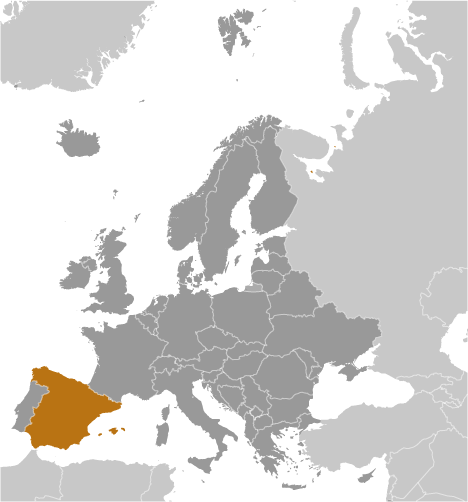

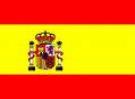
| SPAIN Kingdom of Spain Reino de Espana Joined United Nations: 14 December 1955 Human Rights as assured by their constitution Click here Updated 28 December 2012 |

| CAPITAL |
| POPULATION |
| CHIEF OF STATE |
| SELECTION PROCESS |
Madrid
47,042,984 (July 2012 est.)
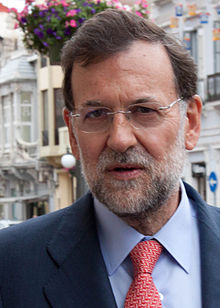
Mariano Rajoy
President of the Government and Prime Minister
since 20 December 2011
President of the Government and Prime Minister
since 20 December 2011
The monarchy is hereditary; the heir apparent is the eldest child of the monarch
Next scheduled election: None
Next scheduled election: None
HEAD OF GOVERNMENT
SELECTION PROCESS
Following legislative elections, the leader of the majority party or the leader of the majority coalition is
usually proposed president by the monarch and elected by the National Assembly; election last held
20 November 2011; vice presidents appointed by the monarch on the proposal of the president
Next scheduled election: November 2015
usually proposed president by the monarch and elected by the National Assembly; election last held
20 November 2011; vice presidents appointed by the monarch on the proposal of the president
Next scheduled election: November 2015
| DECLARATION OF HUMAN RIGHTS |
| ETHNIC GROUPS |
Composite of Mediterranean and Nordic types
| RELIGIONS |
Roman Catholic 94%, other 6%
| GOVERNMENT STRUCTURE |
Parliamentary monarchy with 7 autonomous communities (comunidades autonomas, singular - comunidad autonoma) and 2
autonomous cities (ciudades autonomas, singular - ciudad autonoma);; Legal system is a civil law system, with regional applications;
accepts compulsory ICJ jurisdiction with reservations
Executive: The monarchy is hereditary; following legislative elections, the leader of the majority party or the leader of the majority
coalition is usually proposed president by the monarch and elected by the National Assembly; election last held on 20 November
2011 (next to be held in November 2015); vice presidents appointed by the monarch on the proposal of the president
Legislative: Bicameral; General Courts or Las Cortes Generales (National Assembly) consists of the Senate or Senado (264 seats
as of 2008; 208 members directly elected by popular vote and the other 56 - as of 2008 - appointed by the regional legislatures;
members to serve four-year terms) and the Congress of Deputies or Congreso de los Diputados (350 seats; each of the 50
electoral provinces fills a minimum of two seats and the North African enclaves of Ceuta and Melilla fill one seat each with members
serving a four-year term; the other 248 members are determined by proportional representation based on popular vote on block
lists who serve four-year terms)
elections: Senate - last held on 20 November 2011 (next to be held by November 2015); Congress of Deputies - last held on 20
November 2011 (next to be held by November 2015)
Judicial: Supreme Court or Tribunal Supremo
autonomous cities (ciudades autonomas, singular - ciudad autonoma);; Legal system is a civil law system, with regional applications;
accepts compulsory ICJ jurisdiction with reservations
Executive: The monarchy is hereditary; following legislative elections, the leader of the majority party or the leader of the majority
coalition is usually proposed president by the monarch and elected by the National Assembly; election last held on 20 November
2011 (next to be held in November 2015); vice presidents appointed by the monarch on the proposal of the president
Legislative: Bicameral; General Courts or Las Cortes Generales (National Assembly) consists of the Senate or Senado (264 seats
as of 2008; 208 members directly elected by popular vote and the other 56 - as of 2008 - appointed by the regional legislatures;
members to serve four-year terms) and the Congress of Deputies or Congreso de los Diputados (350 seats; each of the 50
electoral provinces fills a minimum of two seats and the North African enclaves of Ceuta and Melilla fill one seat each with members
serving a four-year term; the other 248 members are determined by proportional representation based on popular vote on block
lists who serve four-year terms)
elections: Senate - last held on 20 November 2011 (next to be held by November 2015); Congress of Deputies - last held on 20
November 2011 (next to be held by November 2015)
Judicial: Supreme Court or Tribunal Supremo
| LANGUAGES |
Castilian Spanish (official) 74%, Catalan 17%, Galician 7%, Basque 2%, are official regionally
note: Catalan is official in Catalonia, the Balearic Islands, and the Valencian Community (where it is known as Valencian); in the
northwest corner of Catalonia (Vall d'Aran), Aranese is official along with Catalan; Galician is official in Galicia; Basque is official in
the Basque Country
note: Catalan is official in Catalonia, the Balearic Islands, and the Valencian Community (where it is known as Valencian); in the
northwest corner of Catalonia (Vall d'Aran), Aranese is official along with Catalan; Galician is official in Galicia; Basque is official in
the Basque Country
| BRIEF HISTORY |
The history of Spain spans the period from pre-historic times, through the rise and fall of the first global empire, to Spain's modern-
day renaissance in the post-Franco era. Modern humans entered the Iberian Peninsula, from the north, in excess of 35 000 years
ago. Waves of invaders and colonizers followed over the millennia, including the Celts, Phoenicians, Carthaginians, and Greeks, and
by about 200 B.C., the area was controlled by the Roman Empire. Roman control was followed by the Visigoths, and in 711, the
North African Muslims (or Moors) began arriving. During the next 750 years, independent Muslim states were established, and the
entire area of Muslim control became known as Al-Andalus. Most of this period also saw what became known as the Reconquista,
the Christian re-conquest of Spain, which advanced southward, concluding in 1492 with the fall of Moorish Granada. During this
period Christian kingdoms and principalities developed, including the Kingdom of Castile and the Kingdom of Aragon. The union of
these two kingdoms led to the creation of the Kingdom of Spain. The year 1492 also saw the accomplishments of Christopher
Columbus in the New World, beginning the development of the Spanish Empire. The next several centuries saw Spain as a colonial
power become the most important European nation on the global stage. Spanish literature and fine arts flourished during this time;
the period was, however, marred by the expulsion of the Jews and Muslims, the Inquisition, and the treatment of Indigenous
peoples during the colonization of the Americas. Over the next few centuries, Spain's empire in the New World would stretch from
California to Patagonia. Financed in substantial part by the riches pouring in from its colonies, Spain became embroiled in wars and
intrigues in continental Europe, including, for example, obtaining and losing possessions in today's Netherlands and Italy, and
engaging in wars with England (including the sea battle involving the famous Spanish Armada) and France. The dynastic family of the
Habsburgs took control of the Spanish throne, followed by the crown being worn by the Bourbon family. Spain's European
adventures led, however, to successive bankruptcies, and reduced Spain to a second-tier European power by the end of the 18th
century. The early part of the nineteenth century saw the independence of almost all the Spanish colonies in the New World. The
century was also marked by foreign intervention and internal conflicts. Napoleon placed his brother on the Spanish throne, but with
the expulsion of the French, Spain entered into an extended period of unrest. Similar to events in other parts of Europe, much of the
19th century was series of struggles among elites, as well as struggles between elites and newly-empowered republican and liberal
forces. The arrival of the Industrial Revolution, late in the century, brought wealth to an expanding middle class in some major
centres, however the Spanish-American War at the end of the 19th century led to the loss of almost all of Spain's remaining
colonies. Despite a rising standard of living and increasing integration with the rest of Europe, the first third of the 20th century
continued the political turmoil. Spain remained neutral during the First World War, however, by 1936 Spain was plunged into a
bloody civil war which by some accounts cost 1,000,000 lives. The war ended in a nationalist dictatorship, led by Francisco Franco
which controlled the Spanish government until 1975. Spain was officially neutral during the Second World War; the post-war
decades were relatively stable (with the notable exception of an armed independence movement in the Basque Country), and
though the country experienced an astonishingly rapid economic surge in the 1960s and early 1970s, it remained culturally and
politically repressed. The death of Franco in 1975 began a remarkable transformation. While tensions remain (for example, with
Muslim immigrants and in the Basque region), modern Spain has seen the development of a robust, modern democracy (a
constitutional monarchy with popular King Juan Carlos), one of the fastest-growing standards of living in Europe, the flowering of an
artistic community (particularly film makers), entry into the European Community, and the 1992 Summer Olympics. In 2005, Spain
became the first nation in the world to grant full marriage and adoption rights to same-sex couples. Because he failed to secure a
majority in the 2004 election, José Luis Rodríguez Zapatero became prime minister with the support of IU, Republican Left of
Catalonia (ERC) and Canarian Coalition (CC). This is not a coalition, however, and each law must be individually negotiated. As
promised during the electoral campaign, Zapatero removed all Spanish soldiers from Iraq. His government also approved a same-
sex marriage law for Spain. This law is supported by the majority of the Spanish population. However, the Roman Catholic Church
and social conservatives, many of whom are associated with the Partido Popular, strongly oppose it. Unlike his predecessor, in the
international arena Zapatero is more supportive of the United Nations. His relations with the United States have become strained
following the withdrawal of Spanish forces from Iraq, and the new relationship Zapatero has built with two of the Iraq War's most
vocal critics, France and Germany, until those countries elected new leaders. As Zapatero had vocally supported the incumbents, he
strained relationships with the new leaders. The Spanish general election of 2011 took place on 20 November 2011,and was the
11th general election since the Transition to renew seats for both chambers of the Cortes Generales: 350 seats for the Congress of
Deputies and 208 of the 266 seats of the Senate. It was a snap election, called by Prime Minister José Luis Rodríguez Zapatero
four months earlier than expected amid the 2008–2012 Spanish financial crisis, after his government's perceived failure to cope with
the worsening situation of the country's economy. After several years of unpopular decisions and austerity cuts, the ruling Spanish
Socialist Workers' Party, in government since 2004, was defeated in a landslide by the main opposition party, the People's Party,
which received 44.6% of the vote and 186 of the 350 seats in the lower house; an absolute majority of the seats which ensured PP
leader Mariano Rajoy would become the next Prime Minister.
Source: Wikipedia: History of Spain
day renaissance in the post-Franco era. Modern humans entered the Iberian Peninsula, from the north, in excess of 35 000 years
ago. Waves of invaders and colonizers followed over the millennia, including the Celts, Phoenicians, Carthaginians, and Greeks, and
by about 200 B.C., the area was controlled by the Roman Empire. Roman control was followed by the Visigoths, and in 711, the
North African Muslims (or Moors) began arriving. During the next 750 years, independent Muslim states were established, and the
entire area of Muslim control became known as Al-Andalus. Most of this period also saw what became known as the Reconquista,
the Christian re-conquest of Spain, which advanced southward, concluding in 1492 with the fall of Moorish Granada. During this
period Christian kingdoms and principalities developed, including the Kingdom of Castile and the Kingdom of Aragon. The union of
these two kingdoms led to the creation of the Kingdom of Spain. The year 1492 also saw the accomplishments of Christopher
Columbus in the New World, beginning the development of the Spanish Empire. The next several centuries saw Spain as a colonial
power become the most important European nation on the global stage. Spanish literature and fine arts flourished during this time;
the period was, however, marred by the expulsion of the Jews and Muslims, the Inquisition, and the treatment of Indigenous
peoples during the colonization of the Americas. Over the next few centuries, Spain's empire in the New World would stretch from
California to Patagonia. Financed in substantial part by the riches pouring in from its colonies, Spain became embroiled in wars and
intrigues in continental Europe, including, for example, obtaining and losing possessions in today's Netherlands and Italy, and
engaging in wars with England (including the sea battle involving the famous Spanish Armada) and France. The dynastic family of the
Habsburgs took control of the Spanish throne, followed by the crown being worn by the Bourbon family. Spain's European
adventures led, however, to successive bankruptcies, and reduced Spain to a second-tier European power by the end of the 18th
century. The early part of the nineteenth century saw the independence of almost all the Spanish colonies in the New World. The
century was also marked by foreign intervention and internal conflicts. Napoleon placed his brother on the Spanish throne, but with
the expulsion of the French, Spain entered into an extended period of unrest. Similar to events in other parts of Europe, much of the
19th century was series of struggles among elites, as well as struggles between elites and newly-empowered republican and liberal
forces. The arrival of the Industrial Revolution, late in the century, brought wealth to an expanding middle class in some major
centres, however the Spanish-American War at the end of the 19th century led to the loss of almost all of Spain's remaining
colonies. Despite a rising standard of living and increasing integration with the rest of Europe, the first third of the 20th century
continued the political turmoil. Spain remained neutral during the First World War, however, by 1936 Spain was plunged into a
bloody civil war which by some accounts cost 1,000,000 lives. The war ended in a nationalist dictatorship, led by Francisco Franco
which controlled the Spanish government until 1975. Spain was officially neutral during the Second World War; the post-war
decades were relatively stable (with the notable exception of an armed independence movement in the Basque Country), and
though the country experienced an astonishingly rapid economic surge in the 1960s and early 1970s, it remained culturally and
politically repressed. The death of Franco in 1975 began a remarkable transformation. While tensions remain (for example, with
Muslim immigrants and in the Basque region), modern Spain has seen the development of a robust, modern democracy (a
constitutional monarchy with popular King Juan Carlos), one of the fastest-growing standards of living in Europe, the flowering of an
artistic community (particularly film makers), entry into the European Community, and the 1992 Summer Olympics. In 2005, Spain
became the first nation in the world to grant full marriage and adoption rights to same-sex couples. Because he failed to secure a
majority in the 2004 election, José Luis Rodríguez Zapatero became prime minister with the support of IU, Republican Left of
Catalonia (ERC) and Canarian Coalition (CC). This is not a coalition, however, and each law must be individually negotiated. As
promised during the electoral campaign, Zapatero removed all Spanish soldiers from Iraq. His government also approved a same-
sex marriage law for Spain. This law is supported by the majority of the Spanish population. However, the Roman Catholic Church
and social conservatives, many of whom are associated with the Partido Popular, strongly oppose it. Unlike his predecessor, in the
international arena Zapatero is more supportive of the United Nations. His relations with the United States have become strained
following the withdrawal of Spanish forces from Iraq, and the new relationship Zapatero has built with two of the Iraq War's most
vocal critics, France and Germany, until those countries elected new leaders. As Zapatero had vocally supported the incumbents, he
strained relationships with the new leaders. The Spanish general election of 2011 took place on 20 November 2011,and was the
11th general election since the Transition to renew seats for both chambers of the Cortes Generales: 350 seats for the Congress of
Deputies and 208 of the 266 seats of the Senate. It was a snap election, called by Prime Minister José Luis Rodríguez Zapatero
four months earlier than expected amid the 2008–2012 Spanish financial crisis, after his government's perceived failure to cope with
the worsening situation of the country's economy. After several years of unpopular decisions and austerity cuts, the ruling Spanish
Socialist Workers' Party, in government since 2004, was defeated in a landslide by the main opposition party, the People's Party,
which received 44.6% of the vote and 186 of the 350 seats in the lower house; an absolute majority of the seats which ensured PP
leader Mariano Rajoy would become the next Prime Minister.
Source: Wikipedia: History of Spain
| ECONOMIC OVERVIEW |
spain's mixed capitalist economy is the 13th largest in the world, and its per capita income roughly matches that of Germany and
France. However, after almost 15 years of above average GDP growth, the Spanish economy began to slow in late 2007 and
entered into a recession in the second quarter of 2008. GDP contracted by 3.7% in 2009, ending a 16-year growth trend, and by
another 0.1% in 2010, before turning positive in 2011, making Spain the last major economy to emerge from the global recession.
The reversal in Spain's economic growth reflected a significant decline in construction amid an oversupply of housing and falling
consumer spending, while exports actually have begun to grow. Government efforts to boost the economy through stimulus
spending, extended unemployment benefits, and loan guarantees did not prevent a sharp rise in the unemployment rate, which rose
from a low of about 8% in 2007 to over 20% in 2011. The government budget deficit worsened from 3.8% of GDP in 2008 to
9.2% of GDP in 2010, more than three times the euro-zone limit. Madrid cut the deficit to 8.5% of GDP in 2011, a larger deficit
than the 6% target negotiated between Spain and the EU. Spain's large budget deficit and poor economic growth prospects have
made it vulnerable to financial contagion from other highly-indebted euro zone members despite the government's efforts to cut
spending, privatize industries, and boost competitiveness through labor market reforms. Spanish banks' high exposure to the
collapsed domestic construction and real estate market also poses a continued risk for the sector. The government oversaw a
restructuring of the savings bank sector in 2010, and provided some $15 billion in capital to various institutions. Investors remain
concerned that Madrid may need to bail out more troubled banks. The Bank of Spain, however, is seeking to boost confidence in
the financial sector by pressuring banks to come clean about their losses and consolidate into stronger groups.
Source: CIA World Factbook (select Spain)
France. However, after almost 15 years of above average GDP growth, the Spanish economy began to slow in late 2007 and
entered into a recession in the second quarter of 2008. GDP contracted by 3.7% in 2009, ending a 16-year growth trend, and by
another 0.1% in 2010, before turning positive in 2011, making Spain the last major economy to emerge from the global recession.
The reversal in Spain's economic growth reflected a significant decline in construction amid an oversupply of housing and falling
consumer spending, while exports actually have begun to grow. Government efforts to boost the economy through stimulus
spending, extended unemployment benefits, and loan guarantees did not prevent a sharp rise in the unemployment rate, which rose
from a low of about 8% in 2007 to over 20% in 2011. The government budget deficit worsened from 3.8% of GDP in 2008 to
9.2% of GDP in 2010, more than three times the euro-zone limit. Madrid cut the deficit to 8.5% of GDP in 2011, a larger deficit
than the 6% target negotiated between Spain and the EU. Spain's large budget deficit and poor economic growth prospects have
made it vulnerable to financial contagion from other highly-indebted euro zone members despite the government's efforts to cut
spending, privatize industries, and boost competitiveness through labor market reforms. Spanish banks' high exposure to the
collapsed domestic construction and real estate market also poses a continued risk for the sector. The government oversaw a
restructuring of the savings bank sector in 2010, and provided some $15 billion in capital to various institutions. Investors remain
concerned that Madrid may need to bail out more troubled banks. The Bank of Spain, however, is seeking to boost confidence in
the financial sector by pressuring banks to come clean about their losses and consolidate into stronger groups.
Source: CIA World Factbook (select Spain)
| POLITICAL CLIMATE |
In order to understand the political forces and debates in Spain we have to consider two dimensions: the Right vs. Left dimension
and the Nation State vs. Plurinational State dimension. The political parties' agendas and the individual citizens' opinions can only be
understood when looked at on both dimensions. The Constitution of the Kingdom of Spain states that 1) it is a Nation and 2) that it
is formed by Nationalities and Regions. This statement is a contradiction (since Nationality and Nation essentially mean the same
thing in political theory), but it was an agreement that struck a balance between the political parties advocating the nation state and
those advocating the plurinational state. The territorial organization of Spain into Autonomous Communities of Spain is the
administrative realization of this constitutional balancing act. The Law of Political Parties of 1978 provides them with public funding
whose quantity is based on the number of seats held in the Cortes Generales and the number of votes received. Since the mid
1980s two parties dominate the national political landscape in Spain: the Spanish Socialist Workers' Party (Spanish: Partido
Socialista Obrero Español) and the People's Party (Spanish: Partido Popular).
The Spanish Socialist Workers' Party (PSOE) is a social-democrat center-left political party. It was founded in 1879 by Pablo
Iglesias, at the beginning as a Marxist party for the workers' class, which later evolved towards social-democracy. Outlawed during
Franco's dictatorship, it gained recognition during Spanish transition to democracy, period when it officially renounced Marxism,
under the leadership of Felipe González. It played a key role during the transition and the Constituent Assembly that wrote the
Spanish current constitution. It governed Spain from 1982 to 1996 under the prime ministership of Felipe González, during which
time the party adopted a socio-liberal economic policy. It governed again from 2004 to 2011 under the prime ministership of José
Luis Rodriguez Zapatero.
The People's Party (PP) is a conservative centre-right party that took its current name in 1989, replacing the previous People's
Alliance, a more conservative party founded in 1976 by seven former Franco's ministers. It is refoundation it incorporated the
Liberal Party and the majority of the Christian democrats. In 2005 it integrated the Democratic and Social Center Party. It
governed Spain under the prime ministership of José María Aznar from 1996 to 2004, and is currently the party in Government
since December 2011, headed by Mariano Rajoy.
Source: Wikipedia: Politics of Spain
and the Nation State vs. Plurinational State dimension. The political parties' agendas and the individual citizens' opinions can only be
understood when looked at on both dimensions. The Constitution of the Kingdom of Spain states that 1) it is a Nation and 2) that it
is formed by Nationalities and Regions. This statement is a contradiction (since Nationality and Nation essentially mean the same
thing in political theory), but it was an agreement that struck a balance between the political parties advocating the nation state and
those advocating the plurinational state. The territorial organization of Spain into Autonomous Communities of Spain is the
administrative realization of this constitutional balancing act. The Law of Political Parties of 1978 provides them with public funding
whose quantity is based on the number of seats held in the Cortes Generales and the number of votes received. Since the mid
1980s two parties dominate the national political landscape in Spain: the Spanish Socialist Workers' Party (Spanish: Partido
Socialista Obrero Español) and the People's Party (Spanish: Partido Popular).
The Spanish Socialist Workers' Party (PSOE) is a social-democrat center-left political party. It was founded in 1879 by Pablo
Iglesias, at the beginning as a Marxist party for the workers' class, which later evolved towards social-democracy. Outlawed during
Franco's dictatorship, it gained recognition during Spanish transition to democracy, period when it officially renounced Marxism,
under the leadership of Felipe González. It played a key role during the transition and the Constituent Assembly that wrote the
Spanish current constitution. It governed Spain from 1982 to 1996 under the prime ministership of Felipe González, during which
time the party adopted a socio-liberal economic policy. It governed again from 2004 to 2011 under the prime ministership of José
Luis Rodriguez Zapatero.
The People's Party (PP) is a conservative centre-right party that took its current name in 1989, replacing the previous People's
Alliance, a more conservative party founded in 1976 by seven former Franco's ministers. It is refoundation it incorporated the
Liberal Party and the majority of the Christian democrats. In 2005 it integrated the Democratic and Social Center Party. It
governed Spain under the prime ministership of José María Aznar from 1996 to 2004, and is currently the party in Government
since December 2011, headed by Mariano Rajoy.
Source: Wikipedia: Politics of Spain
| INTERNATIONAL DISPUTES |
In 2002, Gibraltar residents voted overwhelmingly by referendum to reject any "shared sovereignty" arrangement; the government of
Gibraltar insists on equal participation in talks between the UK and Spain; Spain disapproves of UK plans to grant Gibraltar greater
autonomy; Morocco protests Spain's control over the coastal enclaves of Ceuta, Melilla, and the islands of Penon de Velez de la
Gomera, Penon de Alhucemas, and Islas Chafarinas, and surrounding waters; both countries claim Isla Perejil (Leila Island);
Morocco serves as the primary launching site of illegal migration into Spain from North Africa; Portugal does not recognize Spanish
sovereignty over the territory of Olivenza based on a difference of interpretation of the 1815 Congress of Vienna and the 1801
Treaty of Badajoz
Gibraltar insists on equal participation in talks between the UK and Spain; Spain disapproves of UK plans to grant Gibraltar greater
autonomy; Morocco protests Spain's control over the coastal enclaves of Ceuta, Melilla, and the islands of Penon de Velez de la
Gomera, Penon de Alhucemas, and Islas Chafarinas, and surrounding waters; both countries claim Isla Perejil (Leila Island);
Morocco serves as the primary launching site of illegal migration into Spain from North Africa; Portugal does not recognize Spanish
sovereignty over the territory of Olivenza based on a difference of interpretation of the 1815 Congress of Vienna and the 1801
Treaty of Badajoz


| REFUGEES AND INTERNALLY DISPLACED PERSONS (IDPS) |
None reported.
| ILLICIT DRUGS |
Despite rigorous law enforcement efforts, North African, Latin American, Galician, and other European traffickers take
advantage of Spain's long coastline to land large shipments of cocaine and hashish for distribution to the European market;
consumer for Latin American cocaine and North African hashish; destination and minor transshipment point for Southwest Asian
heroin; money-laundering site for Colombian narcotics trafficking organizations and organized crime.
advantage of Spain's long coastline to land large shipments of cocaine and hashish for distribution to the European market;
consumer for Latin American cocaine and North African hashish; destination and minor transshipment point for Southwest Asian
heroin; money-laundering site for Colombian narcotics trafficking organizations and organized crime.
| HUMAN RIGHTS STATEMENTS, ANALYSIS AND CRITIQUES |
2011 Human Rights Report: Spain
Bureau of Democracy, Human Rights, and Labor
2011 Country Reports on Human Rights Practices
May 25, 2012
The Kingdom of Spain is a parliamentary democracy headed by a constitutional monarch. The country has a bicameral parliament, the
General Courts or National Assembly, consisting of the Congress of Deputies (lower house) and the Senate (upper house). The head of
the largest political party or coalition usually was named to head the government as president of the Council of Ministers, the equivalent
of prime minister. National elections held on November 20 were considered free and fair. Security forces reported to civilian authorities.
The most significant human rights problems during the year included limited access to asylum for undocumented migrants and credible
reports that security forces were given arrest quotas for immigrants and used ethnic and racial profiling to achieve this goal. Gender-
based violence against women and girls was also a problem.
Other problems included some reports that security forces abused suspects and used excessive force against demonstrators and prison
overcrowding. Authorities at times delayed access by persons under arrest to legal assistance or to arraignment before a judge.
Identification controls by security forces based on ethnic and racial classifications took place. Government corruption occurred,
particularly at the provincial and municipal levels. Trafficking in persons and social discrimination against Muslims and other minorities
were reported. Jewish groups reported isolated acts of vandalism and anti-Semitism.
The government generally took steps to prosecute officials, both in the security services and elsewhere in the government, who
committed abuses. There were no reports of impunity.
Click here to read more »
Bureau of Democracy, Human Rights, and Labor
2011 Country Reports on Human Rights Practices
May 25, 2012
The Kingdom of Spain is a parliamentary democracy headed by a constitutional monarch. The country has a bicameral parliament, the
General Courts or National Assembly, consisting of the Congress of Deputies (lower house) and the Senate (upper house). The head of
the largest political party or coalition usually was named to head the government as president of the Council of Ministers, the equivalent
of prime minister. National elections held on November 20 were considered free and fair. Security forces reported to civilian authorities.
The most significant human rights problems during the year included limited access to asylum for undocumented migrants and credible
reports that security forces were given arrest quotas for immigrants and used ethnic and racial profiling to achieve this goal. Gender-
based violence against women and girls was also a problem.
Other problems included some reports that security forces abused suspects and used excessive force against demonstrators and prison
overcrowding. Authorities at times delayed access by persons under arrest to legal assistance or to arraignment before a judge.
Identification controls by security forces based on ethnic and racial classifications took place. Government corruption occurred,
particularly at the provincial and municipal levels. Trafficking in persons and social discrimination against Muslims and other minorities
were reported. Jewish groups reported isolated acts of vandalism and anti-Semitism.
The government generally took steps to prosecute officials, both in the security services and elsewhere in the government, who
committed abuses. There were no reports of impunity.
Click here to read more »
TRANSLATED FROM SPANISH BY GOOGLE TRANSLATE
June 6, 2012
Committee on Economic, Social and Cultural
48th session
April 30 to May 18, 2012
Consideration of reports submitted by States parties under articles 16 and 17 of the Covenant
Concluding Observations of the Committee on Economic, Social and Cultural
Spain
A. Introduction
2. The Committee welcomes the submission of the fifth periodic report of Spain, which follows the Committee's guidelines and outlines
the measures taken in relation to the previous recommendations of this. The Committee also welcomes the written replies to its list of
issues (E/C.12/ESP/Q/5/Add.1) and statistical data included.
3. The Committee appreciates the opportunity to dialogue with the State party as well as the participation of a large delegation of experts
from the ministries.
B. Positives
4. The Committee notes with appreciation the ratification of the following international instruments:
a) The Optional Protocol to the International Covenant on Economic, Social and Cultural Rights (September 23, 2010);
b) The Convention on the Rights of Persons with Disabilities and its Optional Protocol (December 3, 2007);
c) The International Convention for the Protection of All Persons from Enforced Disappearance (24 September 2009);
d) The Optional Protocol to the Convention against Torture and Other Cruel, Inhuman or Degrading (4 December 2006).
5. The Committee welcomes a number of measures taken by the State party to improve the enjoyment of social, economic and cultural
rights, in particular:
a) The adoption of the Law 12/2009, of October 30, 2009, governing the right of asylum and subsidiary protection, which includes the
European directives and protection of the rights enshrined in the Convention relating to the Status of Refugees ;
b) The adoption of the Action Plan for the Development of Roma 2010-2012 and the "National Strategy for Social Inclusion of Roma
2012-2020";
C. Principal subjects of concern and recommendations
6. The Committee is concerned that, with the exception of the right to education, which is included in the fundamental rights protected
by the Constitution, economic, social and cultural rights are only considered by the State party as guiding principles of social and
economic policy, of legislation and judicial practice. The Committee is also concerned that the provisions of the Covenant have been
invoked and rarely applied in the courts of the State party.
The Committee urges the State party, under the principle of indivisibility, universality and interdependence of human rights, adopt
appropriate legislative measures to ensure the economic, social and cultural level of protection similar to that which applies to civil and
political rights. The Committee also recommends that the State party take appropriate measures to ensure full justiciability and
enforceability of all provisions of the Covenant by national courts.
Click here to read more »
June 6, 2012
Committee on Economic, Social and Cultural
48th session
April 30 to May 18, 2012
Consideration of reports submitted by States parties under articles 16 and 17 of the Covenant
Concluding Observations of the Committee on Economic, Social and Cultural
Spain
A. Introduction
2. The Committee welcomes the submission of the fifth periodic report of Spain, which follows the Committee's guidelines and outlines
the measures taken in relation to the previous recommendations of this. The Committee also welcomes the written replies to its list of
issues (E/C.12/ESP/Q/5/Add.1) and statistical data included.
3. The Committee appreciates the opportunity to dialogue with the State party as well as the participation of a large delegation of experts
from the ministries.
B. Positives
4. The Committee notes with appreciation the ratification of the following international instruments:
a) The Optional Protocol to the International Covenant on Economic, Social and Cultural Rights (September 23, 2010);
b) The Convention on the Rights of Persons with Disabilities and its Optional Protocol (December 3, 2007);
c) The International Convention for the Protection of All Persons from Enforced Disappearance (24 September 2009);
d) The Optional Protocol to the Convention against Torture and Other Cruel, Inhuman or Degrading (4 December 2006).
5. The Committee welcomes a number of measures taken by the State party to improve the enjoyment of social, economic and cultural
rights, in particular:
a) The adoption of the Law 12/2009, of October 30, 2009, governing the right of asylum and subsidiary protection, which includes the
European directives and protection of the rights enshrined in the Convention relating to the Status of Refugees ;
b) The adoption of the Action Plan for the Development of Roma 2010-2012 and the "National Strategy for Social Inclusion of Roma
2012-2020";
C. Principal subjects of concern and recommendations
6. The Committee is concerned that, with the exception of the right to education, which is included in the fundamental rights protected
by the Constitution, economic, social and cultural rights are only considered by the State party as guiding principles of social and
economic policy, of legislation and judicial practice. The Committee is also concerned that the provisions of the Covenant have been
invoked and rarely applied in the courts of the State party.
The Committee urges the State party, under the principle of indivisibility, universality and interdependence of human rights, adopt
appropriate legislative measures to ensure the economic, social and cultural level of protection similar to that which applies to civil and
political rights. The Committee also recommends that the State party take appropriate measures to ensure full justiciability and
enforceability of all provisions of the Covenant by national courts.
Click here to read more »
Freedom In The World 2012 Report
Political Rights Score: 1
Civil Liberties Score: 1
Status: Free
Overview
The conservative Popular Party won a resounding victory in national elections held in November 2011 after the introduction of unpopular
austerity measures undermined the government of the ruling Spanish Socialist Workers’ Party. Spain’s borrowing rate rose rapidly in
November, and concerns persisted that the country would not be able to meet its deficit-cutting targets.
In May 2011, the PSOE suffered several losses in local elections. In July, Zapatero called for early general elections in November.
Zapatero had been suffering from low approval ratings that were attributed to the country’s economic difficulties, which included a 20
percent unemployment rate and 45 percent youth unemployment rate. Additionally, the debt crisis in Europe had led to the
implementation of unpopular austerity measures, such as increasing the retirement age from 65 to 67. The conservative PP trounced the
PSOE in the November elections. The PP won 186 out of 350 seats in the lower house, while the PSOE took only 111 seats, its worst
showing in 30 years. PP leader Mariano Rajoy replaced Zapatero as prime minister.
In May, the “Indignant” movement began as protesters, led by unemployed youth, occupied a central square in Madrid. By October, the
movement had inspired similar international movements, such as Occupy Wall Street, that also focused on the disproportionate political
power of the wealthy.
In November, Spain’s debt crisis worsened as interest rates on the country’s debt rose drastically. In December, the new government
announced a package of €8.9 billion ($11.2 billion) in spending cuts and €6.2 billion in tax increases to address the country’s economic
woes. The measures were imposed after the new government discovered that the deficit was 8 percent of gross domestic product
(GDP), rather than the 6 percent calculated by the previous government; Spain had pledged to the EU that it would cut its deficit to 4.4
percent in 2012.
Spain is an electoral democracy. The Congress of Deputies, the lower house of the bicameral Parliament, has 350 members elected in
multimember constituencies, except for the North African enclaves of Ceuta and Melilla, which are each assigned one single-member
constituency. The Senate has 264 members, with 208 elected directly and 56 chosen by regional legislatures. Members of both the
Senate and Congress serve four-year terms. Following legislative elections, the prime minister is selected by the monarch and is usually
the leader of the majority party or coalition. The candidate must also be elected by Parliament. The country’s 50 provinces are divided
into 17 autonomous regions with varying degrees of power.
People generally have the right to organize in political parties and other competitive groups of their choice. The Basque separatist
Batasuna party, which had previously garnered between 5 and 10 percent of the regional vote, was permanently banned in 2003 for its
alleged ties to the armed group ETA. In September 2011, Arnaldo Otegi, the former leader of Batasuna, was sentenced to 10 years in jail
for trying to revive the party.
Click here to read more »
Political Rights Score: 1
Civil Liberties Score: 1
Status: Free
Overview
The conservative Popular Party won a resounding victory in national elections held in November 2011 after the introduction of unpopular
austerity measures undermined the government of the ruling Spanish Socialist Workers’ Party. Spain’s borrowing rate rose rapidly in
November, and concerns persisted that the country would not be able to meet its deficit-cutting targets.
In May 2011, the PSOE suffered several losses in local elections. In July, Zapatero called for early general elections in November.
Zapatero had been suffering from low approval ratings that were attributed to the country’s economic difficulties, which included a 20
percent unemployment rate and 45 percent youth unemployment rate. Additionally, the debt crisis in Europe had led to the
implementation of unpopular austerity measures, such as increasing the retirement age from 65 to 67. The conservative PP trounced the
PSOE in the November elections. The PP won 186 out of 350 seats in the lower house, while the PSOE took only 111 seats, its worst
showing in 30 years. PP leader Mariano Rajoy replaced Zapatero as prime minister.
In May, the “Indignant” movement began as protesters, led by unemployed youth, occupied a central square in Madrid. By October, the
movement had inspired similar international movements, such as Occupy Wall Street, that also focused on the disproportionate political
power of the wealthy.
In November, Spain’s debt crisis worsened as interest rates on the country’s debt rose drastically. In December, the new government
announced a package of €8.9 billion ($11.2 billion) in spending cuts and €6.2 billion in tax increases to address the country’s economic
woes. The measures were imposed after the new government discovered that the deficit was 8 percent of gross domestic product
(GDP), rather than the 6 percent calculated by the previous government; Spain had pledged to the EU that it would cut its deficit to 4.4
percent in 2012.
Spain is an electoral democracy. The Congress of Deputies, the lower house of the bicameral Parliament, has 350 members elected in
multimember constituencies, except for the North African enclaves of Ceuta and Melilla, which are each assigned one single-member
constituency. The Senate has 264 members, with 208 elected directly and 56 chosen by regional legislatures. Members of both the
Senate and Congress serve four-year terms. Following legislative elections, the prime minister is selected by the monarch and is usually
the leader of the majority party or coalition. The candidate must also be elected by Parliament. The country’s 50 provinces are divided
into 17 autonomous regions with varying degrees of power.
People generally have the right to organize in political parties and other competitive groups of their choice. The Basque separatist
Batasuna party, which had previously garnered between 5 and 10 percent of the regional vote, was permanently banned in 2003 for its
alleged ties to the armed group ETA. In September 2011, Arnaldo Otegi, the former leader of Batasuna, was sentenced to 10 years in jail
for trying to revive the party.
Click here to read more »
25 October 2012
Don’t beat protesters EU countries warned
People demonstrating peacefully in European Union (EU) countries have been beaten, kicked, shot at and wounded with rubber bullets
and sprayed with tear gas yet excessive use of force by police goes uninvestigated and unpunished.
Through personal stories from Greece, Spain and Romania, Amnesty International’s briefing Policing demonstrations in the European
Union exposes the excessive use of force against protesters and journalists, arbitrary detention and the obstruction of access to medical
assistance and calls on governments to prevent and investigate these human rights violations.
“Yes, the police are responsible for the protection of public safety, law and order. However, they also have the responsibility to ensure
that everyone within their territories can enjoy the right to peaceful assembly,” said Fotis Filippou, Amnesty International’s Regional
Campaign Coordinator for Europe and Central Asia.
“Governments must spell out and reiterate that police officers may use force only when strictly necessary. They must introduce strict
guidelines on the use of potentially lethal riot-control devices such as pepper spray and tear gas, water cannon and rubber bullets.”
“As more demonstrations take place against austerity measures introduced in EU countries, governments must make it clear to their law
enforcement forces that no abuses will be tolerated, that all complaints into police brutality will be properly investigated and those
responsible held to account.”
Yiannis Kafkas in May 2011 in Athens, Angela Jaramillo in August 2011 in Madrid, Andrei Ristache and his father, Augustin, in January
2012 in Bucharest were posing no apparent threat to the police or the public when they were severely beaten by police officers as a
result of which they needed medical treatment.
Paloma, a journalist covering a miners’ demonstration in Madrid in July 2012 was hit by a rubber bullet as police were trying to disperse
the largely peaceful protest.
The previous year she was beaten by a police officer with a baton during a demonstration against the Pope’s visit in Madrid. She filed a
complaint but the case was closed as the perpetrator could not be identified.
On 9 October 2012, in a letter to Spain's Minister of Interior, Jorge Fernández, Amnesty International raised its concerns in relation with
the use of force and riot-control devices by police including on 25 September when unidentified police beat peaceful demonstrators with
batons, fired rubber bullets at them, and threatened journalists covering the events.
Click here to read more »
Don’t beat protesters EU countries warned
People demonstrating peacefully in European Union (EU) countries have been beaten, kicked, shot at and wounded with rubber bullets
and sprayed with tear gas yet excessive use of force by police goes uninvestigated and unpunished.
Through personal stories from Greece, Spain and Romania, Amnesty International’s briefing Policing demonstrations in the European
Union exposes the excessive use of force against protesters and journalists, arbitrary detention and the obstruction of access to medical
assistance and calls on governments to prevent and investigate these human rights violations.
“Yes, the police are responsible for the protection of public safety, law and order. However, they also have the responsibility to ensure
that everyone within their territories can enjoy the right to peaceful assembly,” said Fotis Filippou, Amnesty International’s Regional
Campaign Coordinator for Europe and Central Asia.
“Governments must spell out and reiterate that police officers may use force only when strictly necessary. They must introduce strict
guidelines on the use of potentially lethal riot-control devices such as pepper spray and tear gas, water cannon and rubber bullets.”
“As more demonstrations take place against austerity measures introduced in EU countries, governments must make it clear to their law
enforcement forces that no abuses will be tolerated, that all complaints into police brutality will be properly investigated and those
responsible held to account.”
Yiannis Kafkas in May 2011 in Athens, Angela Jaramillo in August 2011 in Madrid, Andrei Ristache and his father, Augustin, in January
2012 in Bucharest were posing no apparent threat to the police or the public when they were severely beaten by police officers as a
result of which they needed medical treatment.
Paloma, a journalist covering a miners’ demonstration in Madrid in July 2012 was hit by a rubber bullet as police were trying to disperse
the largely peaceful protest.
The previous year she was beaten by a police officer with a baton during a demonstration against the Pope’s visit in Madrid. She filed a
complaint but the case was closed as the perpetrator could not be identified.
On 9 October 2012, in a letter to Spain's Minister of Interior, Jorge Fernández, Amnesty International raised its concerns in relation with
the use of force and riot-control devices by police including on 25 September when unidentified police beat peaceful demonstrators with
batons, fired rubber bullets at them, and threatened journalists covering the events.
Click here to read more »
Statement at the Human Rights Council on accountability for civil war victims in Spain
Oral statement under Item 3 - General Debate
March 8, 2012
A military rebel group takes power through a bloody civil war and imposes a dictatorship. Over 100,000 people are "disappeared," the
great majority in unmarked mass graves which still litter the country today. In the country's transition to democracy, an Amnesty Law is
passed covering crimes "of a political nature."
Decades later, the children of the disappeared break their silence and come forward to find out what happened to their parents and to
demand justice. A judge takes up their complaints and begins to investigate. The investigation is stopped by higher courts and the judge
himself is prosecuted on the criminal charge of failing to apply the Amnesty Law.
The country, Madam Chairperson, is Spain, and the judge is Baltasar Garzón. Although Garzón was not convicted on this charge, the
Spanish Supreme Court upheld the Amnesty Law as applied to the crimes committed under the dictatorship of General Francisco Franco
and the country's civil war which preceded it. The Court's ruling effectively cuts off any judicial avenue for redress for the crimes of
Spain's past.
Under international law, governments have an obligation to provide victims of human rights abuses with an effective remedy - including
justice, truth, and adequate reparations - after they suffer a violation. The International Covenant on Civil and Political Rights states that
governments have an obligation "to ensure that any person whose rights or freedoms are violated shall have an effective remedy."
In 2008, the UN Human Rights Committee called on Spain to repeal the 1977 Amnesty Law and to ensure that domestic courts do not
apply limitation periods to crimes against humanity. The European Court of Human Rights held in 2009, as a general principle, that an
amnesty law is generally incompatible with states' duty to investigate acts of torture or barbarity.
The world owes a debt to the Spanish judiciary and to judge Garzón in particular. Thanks to his work in cases concerning Chile and
Argentina, a justice cascade brought down walls of impunity around the world. Amnesty laws in country after country were struck
down and victims found paths to justice. What an irony that Spain could not apply the same principles at home.
Spain should repeal its Amnesty Law and assist the families of Franco's victims in their long quest for truth and justice.
Click here to read more »
Oral statement under Item 3 - General Debate
March 8, 2012
A military rebel group takes power through a bloody civil war and imposes a dictatorship. Over 100,000 people are "disappeared," the
great majority in unmarked mass graves which still litter the country today. In the country's transition to democracy, an Amnesty Law is
passed covering crimes "of a political nature."
Decades later, the children of the disappeared break their silence and come forward to find out what happened to their parents and to
demand justice. A judge takes up their complaints and begins to investigate. The investigation is stopped by higher courts and the judge
himself is prosecuted on the criminal charge of failing to apply the Amnesty Law.
The country, Madam Chairperson, is Spain, and the judge is Baltasar Garzón. Although Garzón was not convicted on this charge, the
Spanish Supreme Court upheld the Amnesty Law as applied to the crimes committed under the dictatorship of General Francisco Franco
and the country's civil war which preceded it. The Court's ruling effectively cuts off any judicial avenue for redress for the crimes of
Spain's past.
Under international law, governments have an obligation to provide victims of human rights abuses with an effective remedy - including
justice, truth, and adequate reparations - after they suffer a violation. The International Covenant on Civil and Political Rights states that
governments have an obligation "to ensure that any person whose rights or freedoms are violated shall have an effective remedy."
In 2008, the UN Human Rights Committee called on Spain to repeal the 1977 Amnesty Law and to ensure that domestic courts do not
apply limitation periods to crimes against humanity. The European Court of Human Rights held in 2009, as a general principle, that an
amnesty law is generally incompatible with states' duty to investigate acts of torture or barbarity.
The world owes a debt to the Spanish judiciary and to judge Garzón in particular. Thanks to his work in cases concerning Chile and
Argentina, a justice cascade brought down walls of impunity around the world. Amnesty laws in country after country were struck
down and victims found paths to justice. What an irony that Spain could not apply the same principles at home.
Spain should repeal its Amnesty Law and assist the families of Franco's victims in their long quest for truth and justice.
Click here to read more »
TRANSLATED ROM SPANISH BY GOOGLE TRANSLATE
10 December 2012
Human Rights Day 2012
In its preamble, the Universal Declaration of Human Rights states: "Whereas recognition of the inherent dignity and of the equal and
inalienable rights of all members of the human family is the foundation of freedom, justice and peace in the world". On a day such as
this, Spain can do no more than recall its strong commitment to the respect of human rights.
The slogan chosen for the commemoration of Human Rights Day this year is "inclusion and the right to participate in public life".
According to Article 21 of the Universal Declaration of Human Rights, "Everyone has the right to take part in the government of his
country, directly or through freely chosen representatives. Everyone has the right to equal access to public service in his country. The
will of the people shall be the basis of the authority of government".
Spain is actively involved in this task of supporting democracy through its work with the election observation missions developed by the
OSCE, the EU and other organisations of a regional nature.
Spain believes that progress has been achieved on the treatment of human rights over the course of recent years.
Efforts to abolish the death penalty were stepped up this year through approval at the meeting of the Third Committee of the United
Nations General Assembly of a resolution that demonstrates the global trend towards a universal moratorium. Madrid will host the 5th
World Congress against the Death Penalty in June 2013, an event organised by civil society.
The killing of women because of their gender or feminicide, a blight that affects thousand of women around the world and that attacks
their most basic rights, has been included on the international agenda. This was demonstrated by the first joint declaration on the issue
approved, by Spanish initiative, within the framework of the Human Rights Council meeting held in September.
Spain has also played an active role in further developing the protection of human rights in cases where those rights are violated by
companies, leading a sizeable delegation to the United Nations Forum on Business and Human Rights that was organised on 4 and 5
December in Geneva.
Work also continues on defending the human rights of people with disability, a topic that will be highlighted by the celebration of a
High-Level Meeting (HLM) in New York in September and that seeks to include the perspective of people with disability in the debate
surrounding the review of the Millennium Development Goals post-2015. On 3 December, Spain received the Franklin D. Roosevelt
International Award for work by civil society on the rights of people with disability.
Click here to read more »
10 December 2012
Human Rights Day 2012
In its preamble, the Universal Declaration of Human Rights states: "Whereas recognition of the inherent dignity and of the equal and
inalienable rights of all members of the human family is the foundation of freedom, justice and peace in the world". On a day such as
this, Spain can do no more than recall its strong commitment to the respect of human rights.
The slogan chosen for the commemoration of Human Rights Day this year is "inclusion and the right to participate in public life".
According to Article 21 of the Universal Declaration of Human Rights, "Everyone has the right to take part in the government of his
country, directly or through freely chosen representatives. Everyone has the right to equal access to public service in his country. The
will of the people shall be the basis of the authority of government".
Spain is actively involved in this task of supporting democracy through its work with the election observation missions developed by the
OSCE, the EU and other organisations of a regional nature.
Spain believes that progress has been achieved on the treatment of human rights over the course of recent years.
Efforts to abolish the death penalty were stepped up this year through approval at the meeting of the Third Committee of the United
Nations General Assembly of a resolution that demonstrates the global trend towards a universal moratorium. Madrid will host the 5th
World Congress against the Death Penalty in June 2013, an event organised by civil society.
The killing of women because of their gender or feminicide, a blight that affects thousand of women around the world and that attacks
their most basic rights, has been included on the international agenda. This was demonstrated by the first joint declaration on the issue
approved, by Spanish initiative, within the framework of the Human Rights Council meeting held in September.
Spain has also played an active role in further developing the protection of human rights in cases where those rights are violated by
companies, leading a sizeable delegation to the United Nations Forum on Business and Human Rights that was organised on 4 and 5
December in Geneva.
Work also continues on defending the human rights of people with disability, a topic that will be highlighted by the celebration of a
High-Level Meeting (HLM) in New York in September and that seeks to include the perspective of people with disability in the debate
surrounding the review of the Millennium Development Goals post-2015. On 3 December, Spain received the Franklin D. Roosevelt
International Award for work by civil society on the rights of people with disability.
Click here to read more »
TRANSLATED FROM SPANISH BY GOOGLE TRANSLATE
Annual Report to Parliament. Year 2011
28/03/2012
A privileged vantage point
María Luisa Cava de Llano, Acting Ombudsman
Institutions, like people, need to take a break for a moment from their everyday activities to take stock, to take a quick glance back at the
road travelled to then set their sights anew on the road ahead with the insight provided by the greater experience gained. So also is the
end of an annual report on the activity which the Ombudsman is presenting, as every year, this volume being a summary aimed at
making this Institution’s endeavor throughout 2001 more readily comprehensible. Beyond the mandatory presentation to Spanish
Parliament in compliance with the dictates of the Constitution, the Ombudsman’s annual reports seek to serve as food for thought for
the Institution proper and for all those who would like to familiarize themselves with the issues dealt with over the past year.
There are those who term these reports as being an X-ray of our society -perhaps not to such a degree or perhaps only in part - but
what no-one can deny is that at the Ombudsman’s Office, we have a privileged vantage point for gaining a broad-ranging view of the
conflicts and concerns which have a bearing on the lives of our citizens. This is why our Institution cannot fail to heed the voices raised
by our society, the desperate outcries against situations which citizens feel to be unjust and which our office has the constitutional duty
of bringing before the different administrations most directly involved in their complaints.
Thus, in our work of conveying our citizen’s views, in 2011, we have asked that the possibility of making the squandering of public
funds a criminal offense be studied; we having requested exceptional measures for those individuals who cannot make their mortgage
payments; we have committed to a common portfolio of health services for all Autonomous Communities; we have asked that payment
of unemployment benefits be expedited; we have opened an ex-officio investigation to shed light on the discrimination which women are
continuing to suffer today in the working environment; we have called for improvements in the centers for foreign detainees, as well as
the appropriate regulation thereof, etc.
This summary of the 2011 annual report deals with all these and many more measures. 2011 is a year which will go down in history as
being the year in which we have opened the greatest number of ex-officio investigations ever within one single year, for a total of 506
investigations. We have increased the number of resolutions (recommendations, suggestions and reminders of legal duties), totaling
546 in all, and although the number of complaints has dropped, especially as far as group complaints are concerned, we can be said to
still be dealing with very large numbers.
Click here to read more »
Annual Report to Parliament. Year 2011
28/03/2012
A privileged vantage point
María Luisa Cava de Llano, Acting Ombudsman
Institutions, like people, need to take a break for a moment from their everyday activities to take stock, to take a quick glance back at the
road travelled to then set their sights anew on the road ahead with the insight provided by the greater experience gained. So also is the
end of an annual report on the activity which the Ombudsman is presenting, as every year, this volume being a summary aimed at
making this Institution’s endeavor throughout 2001 more readily comprehensible. Beyond the mandatory presentation to Spanish
Parliament in compliance with the dictates of the Constitution, the Ombudsman’s annual reports seek to serve as food for thought for
the Institution proper and for all those who would like to familiarize themselves with the issues dealt with over the past year.
There are those who term these reports as being an X-ray of our society -perhaps not to such a degree or perhaps only in part - but
what no-one can deny is that at the Ombudsman’s Office, we have a privileged vantage point for gaining a broad-ranging view of the
conflicts and concerns which have a bearing on the lives of our citizens. This is why our Institution cannot fail to heed the voices raised
by our society, the desperate outcries against situations which citizens feel to be unjust and which our office has the constitutional duty
of bringing before the different administrations most directly involved in their complaints.
Thus, in our work of conveying our citizen’s views, in 2011, we have asked that the possibility of making the squandering of public
funds a criminal offense be studied; we having requested exceptional measures for those individuals who cannot make their mortgage
payments; we have committed to a common portfolio of health services for all Autonomous Communities; we have asked that payment
of unemployment benefits be expedited; we have opened an ex-officio investigation to shed light on the discrimination which women are
continuing to suffer today in the working environment; we have called for improvements in the centers for foreign detainees, as well as
the appropriate regulation thereof, etc.
This summary of the 2011 annual report deals with all these and many more measures. 2011 is a year which will go down in history as
being the year in which we have opened the greatest number of ex-officio investigations ever within one single year, for a total of 506
investigations. We have increased the number of resolutions (recommendations, suggestions and reminders of legal duties), totaling
546 in all, and although the number of complaints has dropped, especially as far as group complaints are concerned, we can be said to
still be dealing with very large numbers.
Click here to read more »
TRANSLATED FROM SPANISH BY GOOGLE TRANSLATE
Monday, December 10, 2012
64th anniversary of the Declaration of Human Rights
Today, December 10, 64 years ago, we signed the Universal Declaration of Human Rights in the UN General Assembly. This document,
of vital importance today, is the public recognition of the signatory nations of human dignity and equal and inalienable rights of all human
beings. Although not always respected in his spirit, the Declaration of Human Rights urges us both to institutions and individuals to
promote recognition and universal application.
This year has focused the celebration of the 64th anniversary of the Declaration of Human Rights in Articles 19, 20 and 21 , which
establishes the right of every human being without distinction of race, sex, age, ethnic group, social or suffering from a disability, to
speak, to think, assemble and demonstrate freely and peacefully in public life.
More than ever this subject is topical, in nondemocratic countries and in the democratic tradition. Many people today demand greater
political control by citizens and effective justice for violations of their rights to see whose voice feels stifled by the structure of a system
in which corruption is turning the corner. The UN campaign for the commemoration of this day specifically expressed outraged
movement and the Arab Spring as a sign of the awakening citizen against political and social inequalities.
It is for this reason that we must remember one of the values that inspired the Declaration of Human Rights of 1948 and now seems
forgotten. Not only has the voice of the powerful, or dictators, not only has the voice of those who evade the action of justice or violate
the human rights of the people under the protection of realpolitik. Your voice counts . Your voice counts to join the thousands of human
rights defenders who are working today in the world to make our nation a more democratic and which effectively recognizes the rights
and freedoms of individuals.
Click here to read more »
Monday, December 10, 2012
64th anniversary of the Declaration of Human Rights
Today, December 10, 64 years ago, we signed the Universal Declaration of Human Rights in the UN General Assembly. This document,
of vital importance today, is the public recognition of the signatory nations of human dignity and equal and inalienable rights of all human
beings. Although not always respected in his spirit, the Declaration of Human Rights urges us both to institutions and individuals to
promote recognition and universal application.
This year has focused the celebration of the 64th anniversary of the Declaration of Human Rights in Articles 19, 20 and 21 , which
establishes the right of every human being without distinction of race, sex, age, ethnic group, social or suffering from a disability, to
speak, to think, assemble and demonstrate freely and peacefully in public life.
More than ever this subject is topical, in nondemocratic countries and in the democratic tradition. Many people today demand greater
political control by citizens and effective justice for violations of their rights to see whose voice feels stifled by the structure of a system
in which corruption is turning the corner. The UN campaign for the commemoration of this day specifically expressed outraged
movement and the Arab Spring as a sign of the awakening citizen against political and social inequalities.
It is for this reason that we must remember one of the values that inspired the Declaration of Human Rights of 1948 and now seems
forgotten. Not only has the voice of the powerful, or dictators, not only has the voice of those who evade the action of justice or violate
the human rights of the people under the protection of realpolitik. Your voice counts . Your voice counts to join the thousands of human
rights defenders who are working today in the world to make our nation a more democratic and which effectively recognizes the rights
and freedoms of individuals.
Click here to read more »
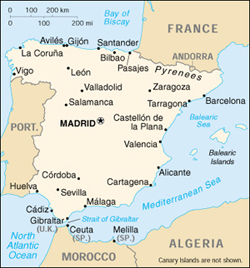
| Click map for larger view |
| Click flag for Country Report |



Juan Carlos I
King since 22 November 1975
King since 22 November 1975
Felipe
Prince and Heir Apparent since
30 January 1968
Prince and Heir Apparent since
30 January 1968
| TRAFFICKING IN PERSONS |
None reported.


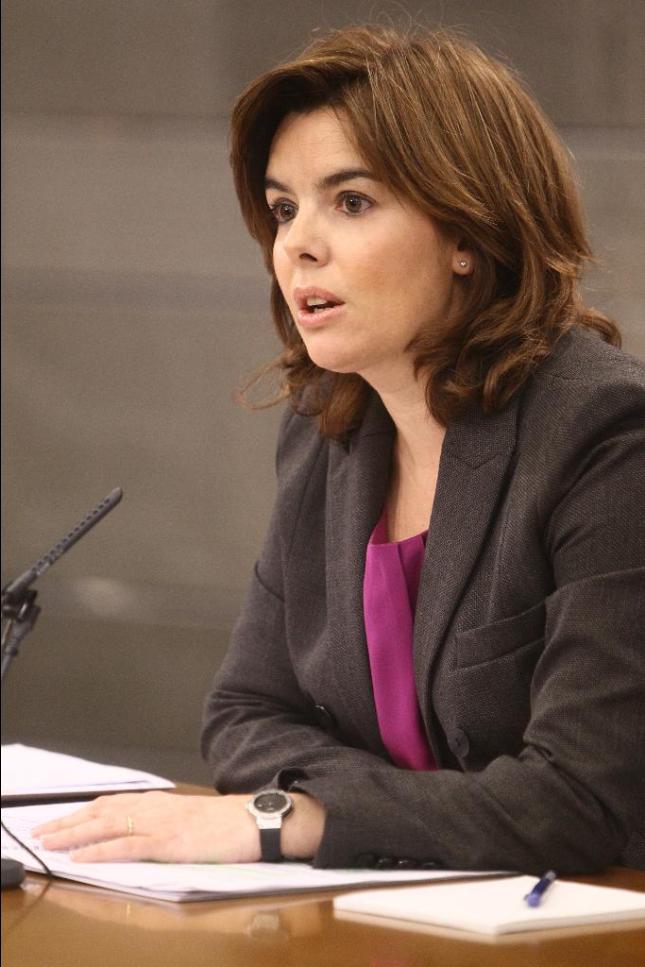
Soraya Saenz de Santamaria
First Vice President and Deputy Prime Minister
since 22 December 2011
First Vice President and Deputy Prime Minister
since 22 December 2011