
| SWAZILAND Kingdom of Swaziland Umbuso weSwatini Joined United Nations: 24 September 1968 Human Rights as assured by their constitution Click here Updated 23 March 2013 |

| CAPITALS |
| POPULATION |
| CHIEF OF STATE |
| SELECTION PROCESS |
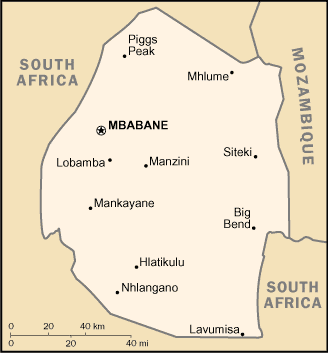
Lobamba (royal and legislative)
Mbabane (administrative)
Mbabane (administrative)
1,403,362
note: estimates for this country explicitly take into account the effects of excess mortality
due to AIDS; this can result in lower life expectancy, higher infant mortality and death
rates, lower population and growth rates, and changes in the distribution of population by
age and sex than would otherwise be expected (July 2013 est.)
note: estimates for this country explicitly take into account the effects of excess mortality
due to AIDS; this can result in lower life expectancy, higher infant mortality and death
rates, lower population and growth rates, and changes in the distribution of population by
age and sex than would otherwise be expected (July 2013 est.)
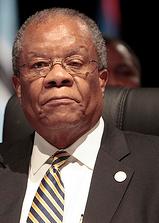
Barnabas Sibusiso Dlamini
Prime Minister since 16 October 2008
Prime Minister since 16 October 2008
The monarchy is hereditary
Next scheduled election: None
Next scheduled election: None
HEAD OF GOVERNMENT
SELECTION PROCESS
Prime minister appointed by the monarch from among the elected
members of the House of Assembly Elections last held on 19
September 2008
Next scheduled election: September 2013
members of the House of Assembly Elections last held on 19
September 2008
Next scheduled election: September 2013
| DECLARATION OF HUMAN RIGHTS |
| ETHNIC GROUPS |
African 97%, European 3%
| RELIGIONS |
Zionist 40% (a blend of Christianity and indigenous ancestral worship), Roman Catholic 20%, Muslim 10%, other (includes
Anglican, Bahai, Methodist, Mormon, Jewish) 30%
Anglican, Bahai, Methodist, Mormon, Jewish) 30%
| GOVERNMENT STRUCTURE |
Monarchy with 4 districts; Legal system is based on South African Roman-Dutch law in statutory courts and Swazi traditional law
and custom in traditional courts; accepts compulsory ICJ jurisdiction with reservations
Executive: The monarch is hereditary; prime minister appointed by the monarch from among the elected members of the House of
Assembly
Legislative: Bicameral Parliament or Libandla consists of the Senate (30 seats; 10 members appointed by the House of Assembly
and 20 appointed by the monarch; to serve five-year terms) and the House of Assembly (65 seats; 10 members appointed by the
monarch and 55 elected by popular vote; to serve five-year terms)
elections: House of Assembly - last held 19 September 2008 (next to be held in September 2013)
Judicial: High Court; Supreme Court; judges for both courts are appointed by the monarch
and custom in traditional courts; accepts compulsory ICJ jurisdiction with reservations
Executive: The monarch is hereditary; prime minister appointed by the monarch from among the elected members of the House of
Assembly
Legislative: Bicameral Parliament or Libandla consists of the Senate (30 seats; 10 members appointed by the House of Assembly
and 20 appointed by the monarch; to serve five-year terms) and the House of Assembly (65 seats; 10 members appointed by the
monarch and 55 elected by popular vote; to serve five-year terms)
elections: House of Assembly - last held 19 September 2008 (next to be held in September 2013)
Judicial: High Court; Supreme Court; judges for both courts are appointed by the monarch
| LANGUAGES |
English (official, government business conducted in English), siSwati (official)
| BRIEF HISTORY |
According to tradition, the original followers of the present Dlamini royal house of the Swazi nation migrated south before the 16th
century to what is now Mozambique. Following a series of conflicts with people living in the area of modern Maputo, the Ngwane,
as they then called themselves, settled in northern Zululand in about 1750. Unable to match growing Zulu strength, the Ngwane
moved the center of their kingdom northward in the 1810s and 1820s. Under King Sobhuza I they established themselves in the
heartland of modern Swaziland, conquering and incorporating many long-established independent chiefdoms, whose descendants
also make up much of the modern Swazi nation. The Dlamini aristocracy consolidated their hold under several able leaders. The
most important was Mswati II, from whom the Swazi derive their name. Under his leadership from the 1840s to 1865, the Swazi
expanded their territory to the north and west, and stabilized the southern frontier with the Zulu. Contact with the British came early
in Mswati's reign, when he asked British authorities in South Africa for assistance against Zulu raids into Swaziland. It also was
during Mswati's reign that the first whites, Transvaal Boers, settled in the country. Following Mswati's death, the Swazis reached
agreements with British and South African Republic authorities over a range of issues, including independence, claims on resources
by Europeans, administrative authority, and security, though the white parties later reneged on those agreements. Over Swazi royal
protest, the South African Republic with British concurrence established incomplete colonial rule over the Swaziland from 1894 to
1899, when they withdrew their administration with the start of the Anglo-Boer War. In 1902 British forces entered the territory,
proclaiming British overrule and jurisdiction in 1903, initially as part of the Transvaal. In 1906 Swaziland was separated
administratively when the Transvaal Colony was granted responsible government. Throughout the colonial period from 1906 to
1968, Swaziland was governed by a resident commissioner who ruled according to decrees issued by the British High
Commissioner for South Africa. Such decrees were formulated in close consultation with the resident commissioners, who in turn
took informal and formal advice from white settler interests and the Swazi royalty. In 1921 the British established Swaziland's first
legislative body--an European Advisory Council (EAC) of elected white representatives mandated to advise the British high
commissioner on non-Swazi affairs. In 1944, the high commissioner both reconstituted the basis and role of the EAC, and, over
Swazi royal objections, issued a Native Authorities Proclamation constituting the paramount chief, as the British called the king, as
the native authority for the territory to issue legally enforceable orders to the Swazis subject to restrictions and directions from the
resident commissioner. Under pressure from royal non-cooperation this proclamation was revised in 1952 to grant the Swazi
paramount chief a degree of autonomy unprecedented in British colonial indirect rule in Africa. In 1921, after more than 20 years of
regency headed by Queen Regent Labotsibeni, Sobhuza II became Ngenyama (lion) or head of the Swazi nation. In the early years
of colonial rule, the British expected that Swaziland would eventually be incorporated into South Africa. After World War II,
however, South Africa's intensification of racial discrimination induced the United Kingdom to prepare Swaziland for independence.
Political activity intensified in the early 1960s. Several political parties were formed and jostled for independence and economic
development. The largely urban parties had few ties to the rural areas, where the majority of Swazis lived. The traditional Swazi
leaders, including King Sobhuza II and his Inner Council, formed the Imbokodvo National Movement (INM), a political group that
capitalized on its close identification with the Swazi way of life. Responding to pressure for political change, the colonial government
scheduled an election in mid-1964 for the first legislative council in which the Swazis would participate. In the election, the INM and
four other parties, most having more radical platforms, competed in the election. The INM won all 24 elective seats. Having
solidified its political base, INM incorporated many demands of the more radical parties, especially that of immediate independence.
In 1966, the UK Government agreed to discuss a new constitution. A constitutional committee agreed on a constitutional monarchy
for Swaziland, with self-government to follow parliamentary elections in 1967. Swaziland became independent on September 6,
1968. Swaziland's post-independence elections were held in May 1972. The INM received close to 75% of the vote. The Ngwane
National Liberatory Congress (NNLC) received slightly more than 20% of the vote which gained the party three seats in parliament.
In response to the NNLC's showing, King Sobhuza repealed the 1968 constitution on April 12, 1973 and dissolved parliament. He
assumed all powers of government and prohibited all political activities and trade unions from operating. He justified his actions as
having removed alien and divisive political practices incompatible with the Swazi way of life. In January 1979, a new parliament was
convened, chosen partly through indirect elections and partly through direct appointment by the king. King Sobhuza II died in
August 1982, and Queen Regent Dzeliwe assumed the duties of the head of state. In 1984, an internal dispute led to the
replacement of the prime minister and eventual replacement of Dzeliwe by a new Queen Regent Ntombi. Ntombi's only child,
Prince Makhosetive, was named heir to the Swazi throne. Real power at this time was concentrated in the Liqoqo, a supreme
traditional advisory body that claimed to give binding advice to the Queen Regent. In October 1985, Queen Regent Ntombi
demonstrated her power by dismissing the leading figures of the Liqoqo. Prince Makhosetive returned from school in England to
ascend to the throne and help end the continuing internal disputes. He was enthroned as Mswati III on April 25, 1986. Shortly
afterwards he abolished the Liqoqo. In November 1987, a new parliament was elected and a new cabinet appointed. In 1988 and
1989, an underground political party, the People's United Democratic Movement (PUDEMO) criticized the king and his
government, calling for 'democratic reforms'. In response to this political threat and to growing popular calls for greater
accountability within government, the king and the prime minister initiated an ongoing national debate on the constitutional and
political future of Swaziland. This debate produced a handful of political reforms, approved by the king, including direct and indirect
voting, in the 1993 national elections. In 1995 Swaziland Youth Congress members burn down the parliament buildings. Strikes
arranged by the Swaziland Federation of Trade Unions (SFTU). 1996 PUDEMO begins a campaign of civil disobedience to
highlight Mswati III's failure to implement democratic reform. Further strikes are held. Constitutional Review Commission appointed
to consider a plan to introduce democracy. 1997 Roughly half Swaziland's work force takes part in a SFTU strike. The strike is
declared illegal by the Swaziland government. In September 1997 Mswati III dissolves the existing House of Assembly in order to
create a new National Assembly. In November 1997 new elections for the National Assembly are held. In 1998 major
environmental restoration program announced by King Mswati III. In April 2001 the Constitutional Review Commission appointed
to investigate democratic reform. In September 2001, in an attempt to reduce the impact of HIV-AIDS on young people, King
Mswati III imposed a five year ban on sex for young girls. That month King Mswati III marries his eight wife, a 17 year old
schoolgirl. In 2002 pro-democracy protests in Swaziland. 40% of Swaziland population believed to be on verge of starvation
following poor harvests. In November 2002 Mswati III takes delivery of a $45 million jet whilst an increasing number of Swazi fall
below the poverty line. In May 2003 Committee investigating democratic reform releases its report. Rather than move towards
democracy, Mswati III's selected advisors suggest that opposition political parties should be banned and that the king be given
absolute rule. In October 2003 pro-democracy activist Obed Dlamini gains a seat in parliament. In February 2004, following three
years of drought the Prime Minister highlights an ongoing humanitarian crisis. In March 2004, according to a UN representative,
Swaziland now has the highest rate of HIV-AIDS infection in the world. In July 2004 whilst the country faces austerity, King
Mswati III announces he will build new palaces for his wives. In March 2005 Swaziland High Court rules that political parties can
not exist under Swazi law. In August 2005 neww constitution signed by King Mswati III introducing human rights follows eight
years of negotiation. In March 2006 opposition activists from PUDEMO (a banned political organization) are charged over petrol
bomb attacks which took place at the beginning of the year. Also that year Swazi protestors block border crossing with South
Africa in protest at the lack of democratic reform. South African police mount armed response. In April 2007 six PUDEMO
members are charged with sedition following protests on the anniversary of King Sobhuza II's royal decree banning political parties
(back in 1973). In July 2007 potests held in Swazi capital of Manzini calling for democratic reform. In February 2008 a boycott of
National Assembly elections is called by opposition groups. In September 2008 elections for National Assembly are held, but the
turn out is small. In 22 September 2008 two people die attempting to plant a bomb near one of Mswati III's royal palaces. In
November 2008 PUDEMO is blamed for a bomb attack on the royal palace. PUDEMO leader, Mario Masuku detained under
anti-terror laws. In September 2009 PUDEMO leader Mario Masuku released. In September 2010 pro-democracy rally in
Manzini. House of Assembly elections are scheduled for September 2013.
Source: Wikipedia: History of Swaziland
century to what is now Mozambique. Following a series of conflicts with people living in the area of modern Maputo, the Ngwane,
as they then called themselves, settled in northern Zululand in about 1750. Unable to match growing Zulu strength, the Ngwane
moved the center of their kingdom northward in the 1810s and 1820s. Under King Sobhuza I they established themselves in the
heartland of modern Swaziland, conquering and incorporating many long-established independent chiefdoms, whose descendants
also make up much of the modern Swazi nation. The Dlamini aristocracy consolidated their hold under several able leaders. The
most important was Mswati II, from whom the Swazi derive their name. Under his leadership from the 1840s to 1865, the Swazi
expanded their territory to the north and west, and stabilized the southern frontier with the Zulu. Contact with the British came early
in Mswati's reign, when he asked British authorities in South Africa for assistance against Zulu raids into Swaziland. It also was
during Mswati's reign that the first whites, Transvaal Boers, settled in the country. Following Mswati's death, the Swazis reached
agreements with British and South African Republic authorities over a range of issues, including independence, claims on resources
by Europeans, administrative authority, and security, though the white parties later reneged on those agreements. Over Swazi royal
protest, the South African Republic with British concurrence established incomplete colonial rule over the Swaziland from 1894 to
1899, when they withdrew their administration with the start of the Anglo-Boer War. In 1902 British forces entered the territory,
proclaiming British overrule and jurisdiction in 1903, initially as part of the Transvaal. In 1906 Swaziland was separated
administratively when the Transvaal Colony was granted responsible government. Throughout the colonial period from 1906 to
1968, Swaziland was governed by a resident commissioner who ruled according to decrees issued by the British High
Commissioner for South Africa. Such decrees were formulated in close consultation with the resident commissioners, who in turn
took informal and formal advice from white settler interests and the Swazi royalty. In 1921 the British established Swaziland's first
legislative body--an European Advisory Council (EAC) of elected white representatives mandated to advise the British high
commissioner on non-Swazi affairs. In 1944, the high commissioner both reconstituted the basis and role of the EAC, and, over
Swazi royal objections, issued a Native Authorities Proclamation constituting the paramount chief, as the British called the king, as
the native authority for the territory to issue legally enforceable orders to the Swazis subject to restrictions and directions from the
resident commissioner. Under pressure from royal non-cooperation this proclamation was revised in 1952 to grant the Swazi
paramount chief a degree of autonomy unprecedented in British colonial indirect rule in Africa. In 1921, after more than 20 years of
regency headed by Queen Regent Labotsibeni, Sobhuza II became Ngenyama (lion) or head of the Swazi nation. In the early years
of colonial rule, the British expected that Swaziland would eventually be incorporated into South Africa. After World War II,
however, South Africa's intensification of racial discrimination induced the United Kingdom to prepare Swaziland for independence.
Political activity intensified in the early 1960s. Several political parties were formed and jostled for independence and economic
development. The largely urban parties had few ties to the rural areas, where the majority of Swazis lived. The traditional Swazi
leaders, including King Sobhuza II and his Inner Council, formed the Imbokodvo National Movement (INM), a political group that
capitalized on its close identification with the Swazi way of life. Responding to pressure for political change, the colonial government
scheduled an election in mid-1964 for the first legislative council in which the Swazis would participate. In the election, the INM and
four other parties, most having more radical platforms, competed in the election. The INM won all 24 elective seats. Having
solidified its political base, INM incorporated many demands of the more radical parties, especially that of immediate independence.
In 1966, the UK Government agreed to discuss a new constitution. A constitutional committee agreed on a constitutional monarchy
for Swaziland, with self-government to follow parliamentary elections in 1967. Swaziland became independent on September 6,
1968. Swaziland's post-independence elections were held in May 1972. The INM received close to 75% of the vote. The Ngwane
National Liberatory Congress (NNLC) received slightly more than 20% of the vote which gained the party three seats in parliament.
In response to the NNLC's showing, King Sobhuza repealed the 1968 constitution on April 12, 1973 and dissolved parliament. He
assumed all powers of government and prohibited all political activities and trade unions from operating. He justified his actions as
having removed alien and divisive political practices incompatible with the Swazi way of life. In January 1979, a new parliament was
convened, chosen partly through indirect elections and partly through direct appointment by the king. King Sobhuza II died in
August 1982, and Queen Regent Dzeliwe assumed the duties of the head of state. In 1984, an internal dispute led to the
replacement of the prime minister and eventual replacement of Dzeliwe by a new Queen Regent Ntombi. Ntombi's only child,
Prince Makhosetive, was named heir to the Swazi throne. Real power at this time was concentrated in the Liqoqo, a supreme
traditional advisory body that claimed to give binding advice to the Queen Regent. In October 1985, Queen Regent Ntombi
demonstrated her power by dismissing the leading figures of the Liqoqo. Prince Makhosetive returned from school in England to
ascend to the throne and help end the continuing internal disputes. He was enthroned as Mswati III on April 25, 1986. Shortly
afterwards he abolished the Liqoqo. In November 1987, a new parliament was elected and a new cabinet appointed. In 1988 and
1989, an underground political party, the People's United Democratic Movement (PUDEMO) criticized the king and his
government, calling for 'democratic reforms'. In response to this political threat and to growing popular calls for greater
accountability within government, the king and the prime minister initiated an ongoing national debate on the constitutional and
political future of Swaziland. This debate produced a handful of political reforms, approved by the king, including direct and indirect
voting, in the 1993 national elections. In 1995 Swaziland Youth Congress members burn down the parliament buildings. Strikes
arranged by the Swaziland Federation of Trade Unions (SFTU). 1996 PUDEMO begins a campaign of civil disobedience to
highlight Mswati III's failure to implement democratic reform. Further strikes are held. Constitutional Review Commission appointed
to consider a plan to introduce democracy. 1997 Roughly half Swaziland's work force takes part in a SFTU strike. The strike is
declared illegal by the Swaziland government. In September 1997 Mswati III dissolves the existing House of Assembly in order to
create a new National Assembly. In November 1997 new elections for the National Assembly are held. In 1998 major
environmental restoration program announced by King Mswati III. In April 2001 the Constitutional Review Commission appointed
to investigate democratic reform. In September 2001, in an attempt to reduce the impact of HIV-AIDS on young people, King
Mswati III imposed a five year ban on sex for young girls. That month King Mswati III marries his eight wife, a 17 year old
schoolgirl. In 2002 pro-democracy protests in Swaziland. 40% of Swaziland population believed to be on verge of starvation
following poor harvests. In November 2002 Mswati III takes delivery of a $45 million jet whilst an increasing number of Swazi fall
below the poverty line. In May 2003 Committee investigating democratic reform releases its report. Rather than move towards
democracy, Mswati III's selected advisors suggest that opposition political parties should be banned and that the king be given
absolute rule. In October 2003 pro-democracy activist Obed Dlamini gains a seat in parliament. In February 2004, following three
years of drought the Prime Minister highlights an ongoing humanitarian crisis. In March 2004, according to a UN representative,
Swaziland now has the highest rate of HIV-AIDS infection in the world. In July 2004 whilst the country faces austerity, King
Mswati III announces he will build new palaces for his wives. In March 2005 Swaziland High Court rules that political parties can
not exist under Swazi law. In August 2005 neww constitution signed by King Mswati III introducing human rights follows eight
years of negotiation. In March 2006 opposition activists from PUDEMO (a banned political organization) are charged over petrol
bomb attacks which took place at the beginning of the year. Also that year Swazi protestors block border crossing with South
Africa in protest at the lack of democratic reform. South African police mount armed response. In April 2007 six PUDEMO
members are charged with sedition following protests on the anniversary of King Sobhuza II's royal decree banning political parties
(back in 1973). In July 2007 potests held in Swazi capital of Manzini calling for democratic reform. In February 2008 a boycott of
National Assembly elections is called by opposition groups. In September 2008 elections for National Assembly are held, but the
turn out is small. In 22 September 2008 two people die attempting to plant a bomb near one of Mswati III's royal palaces. In
November 2008 PUDEMO is blamed for a bomb attack on the royal palace. PUDEMO leader, Mario Masuku detained under
anti-terror laws. In September 2009 PUDEMO leader Mario Masuku released. In September 2010 pro-democracy rally in
Manzini. House of Assembly elections are scheduled for September 2013.
Source: Wikipedia: History of Swaziland
| ECONOMIC OVERVIEW |
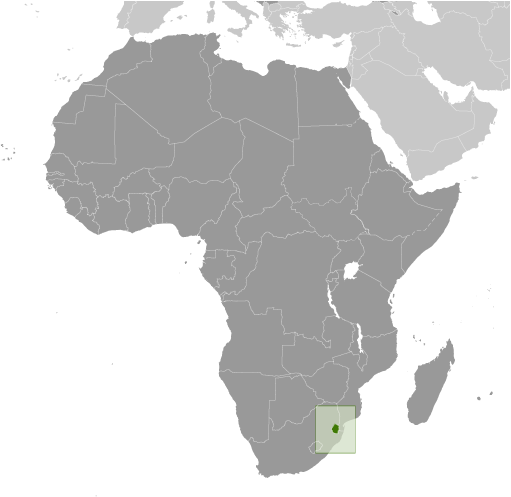
Surrounded by South Africa, except for a short border with Mozambique, Swaziland depends heavily on South Africa from which it
receives more than 90% of its imports and to which it sends 60% of its exports. Swaziland's currency is pegged to the South
African rand, effectively subsuming Swaziland's monetary policy to South Africa. The government is heavily dependent on customs
duties from the Southern African Customs Union (SACU), and worker remittances from South Africa supplement domestically
earned income. Subsistence agriculture employs approximately 70% of the population. The manufacturing sector has diversified
since the mid-1980s. Sugar and wood pulp were major foreign exchange earners; however, the wood pulp producer closed in
January 2010, and sugar is now the main export earner. Mining has declined in importance in recent years with only coal and quarry
stone mines remaining active. Customs revenues plummeted due to the global economic crisis and a drop in South African imports.
The resulting decline in revenue has pushed the country into a fiscal crisis. Swaziland is looking to other countries, including South
Africa, for assistance, but continues to struggle to meet its monthly payroll and fund government programs. With an estimated 40%
unemployment rate, Swaziland's need to increase the number and size of small and medium enterprises and attract foreign direct
investment is acute. Overgrazing, soil depletion, drought, and floods persist as problems for the future. More than one-fourth of the
population needed emergency food aid in 2006-07 because of drought, and more than one-quarter of the adult population has been
infected by HIV/AIDS.
Source: CIA World Factbook (select Swaziland)
receives more than 90% of its imports and to which it sends 60% of its exports. Swaziland's currency is pegged to the South
African rand, effectively subsuming Swaziland's monetary policy to South Africa. The government is heavily dependent on customs
duties from the Southern African Customs Union (SACU), and worker remittances from South Africa supplement domestically
earned income. Subsistence agriculture employs approximately 70% of the population. The manufacturing sector has diversified
since the mid-1980s. Sugar and wood pulp were major foreign exchange earners; however, the wood pulp producer closed in
January 2010, and sugar is now the main export earner. Mining has declined in importance in recent years with only coal and quarry
stone mines remaining active. Customs revenues plummeted due to the global economic crisis and a drop in South African imports.
The resulting decline in revenue has pushed the country into a fiscal crisis. Swaziland is looking to other countries, including South
Africa, for assistance, but continues to struggle to meet its monthly payroll and fund government programs. With an estimated 40%
unemployment rate, Swaziland's need to increase the number and size of small and medium enterprises and attract foreign direct
investment is acute. Overgrazing, soil depletion, drought, and floods persist as problems for the future. More than one-fourth of the
population needed emergency food aid in 2006-07 because of drought, and more than one-quarter of the adult population has been
infected by HIV/AIDS.
Source: CIA World Factbook (select Swaziland)
| POLITICAL CLIMATE |
Politics of Swaziland takes place in a mixed framework of an absolute monarchy and a constitutional monarchy. Swaziland today is
foremost ruled by a monarch, although for all of its administrative history prior to British colonization in 1903, it might have more
properly been called a diarchy.
The king and the senior queen rule together in theory, and did so in practice up until the reign of Sobhuza II, making the term
"monarchy" somewhat misleading historically. Before colonization the senior queen acted as a check and counterweight to the king's
power, both through her direct control of some military forces and her control of rainmaking medicines and rites and of key aspects
of the Ncwala national ritual that annually binds the fate of the king and the nation together. British policy and the strength of
Sobhuza II's personality shifted power decisively toward the king and away from the senior queen during his long reign.
A Swazi king's first two wives are chosen for him by the national councillors. These two have special functions in rituals and their
sons can never claim kingship. The first wife must be a member of the Matsebula clan, the second of the Motsa clan. According to
tradition, he can only marry his fiancées after they have fallen pregnant, proving they can bear heirs. Until then, they are Liphovela.
Political parties are banned by the constitution promulgated on 13 October 1978; illegal parties are prohibited from holding large
public gatherings. At the last elections, 18 October 2003, only non-partisans were elected. One of them is a member of the
opposition Ngwane National Liberatory Congress. Most opposition politicians boycotted the elections. A parliamentary election
was held in Swaziland for the House of Assembly on 19 September 2008. It was the first election under the new constitution
introduced in 2006, and the first time that foreign observers were allowed to monitor an election in the country. It was observed by
an Expert Team established by the Commonwealth Secretary-General at the request of the Elections and Boundaries Commission
of Swaziland. On the day before the election, several union officials were arrested for attempting to block the border with South
Africa at Oshoek for a pro-democracy protest. Political parties remained banned in Swaziland, so all candidates for the 55 seats
were independents. Following the election, King Mswati III was to appoint 10 more MPs. The National Assembly would then elect
10 members for the Senate, with the King appointing 20 more. House of Assembly elections are scheduled for September 2013.
Source: Wikipedia: Politics of Swaziland
foremost ruled by a monarch, although for all of its administrative history prior to British colonization in 1903, it might have more
properly been called a diarchy.
The king and the senior queen rule together in theory, and did so in practice up until the reign of Sobhuza II, making the term
"monarchy" somewhat misleading historically. Before colonization the senior queen acted as a check and counterweight to the king's
power, both through her direct control of some military forces and her control of rainmaking medicines and rites and of key aspects
of the Ncwala national ritual that annually binds the fate of the king and the nation together. British policy and the strength of
Sobhuza II's personality shifted power decisively toward the king and away from the senior queen during his long reign.
A Swazi king's first two wives are chosen for him by the national councillors. These two have special functions in rituals and their
sons can never claim kingship. The first wife must be a member of the Matsebula clan, the second of the Motsa clan. According to
tradition, he can only marry his fiancées after they have fallen pregnant, proving they can bear heirs. Until then, they are Liphovela.
Political parties are banned by the constitution promulgated on 13 October 1978; illegal parties are prohibited from holding large
public gatherings. At the last elections, 18 October 2003, only non-partisans were elected. One of them is a member of the
opposition Ngwane National Liberatory Congress. Most opposition politicians boycotted the elections. A parliamentary election
was held in Swaziland for the House of Assembly on 19 September 2008. It was the first election under the new constitution
introduced in 2006, and the first time that foreign observers were allowed to monitor an election in the country. It was observed by
an Expert Team established by the Commonwealth Secretary-General at the request of the Elections and Boundaries Commission
of Swaziland. On the day before the election, several union officials were arrested for attempting to block the border with South
Africa at Oshoek for a pro-democracy protest. Political parties remained banned in Swaziland, so all candidates for the 55 seats
were independents. Following the election, King Mswati III was to appoint 10 more MPs. The National Assembly would then elect
10 members for the Senate, with the King appointing 20 more. House of Assembly elections are scheduled for September 2013.
Source: Wikipedia: Politics of Swaziland
| INTERNATIONAL DISPUTES |
In 2006, Swazi king advocates resort to ICJ to claim parts of Mpumalanga and KwaZulu-Natal from South Africa.


| REFUGEES AND INTERNALLY DISPLACED PERSONS (IDPS) |
None reported.
| ILLICIT DRUGS |
None reported.
| HUMAN RIGHTS STATEMENTS, ANALYSIS AND CRITIQUES |
2011 Human Rights Report: Swaziland
Bureau of Democracy, Human Rights, and Labor
2011 Country Reports on Human Rights Practices
May 25, 2012
Swaziland is an absolute monarchy. King Mswati III and Queen Mother Ntombi, the king’s mother who rules as his co-monarch, have
ultimate authority over the cabinet, legislature, and judiciary. There is a prime minister and partially elected parliament, but political power
remained largely with the king and his traditional advisors. International observers concluded that parliamentary elections held in 2008 did
not meet international standards. Security forces reported to civilian authorities.
In 2011 citizens remained unable to change their government. The three main human rights abuses were police use of excessive force,
including use of torture and beatings; a breakdown of the judiciary system and judicial independence; and discrimination and abuse of
women and children.
Other significant human rights problems included extrajudicial killings by security forces; arbitrary arrests and lengthy pretrial detention;
arbitrary interference with privacy and home; restrictions on freedom of speech, assembly, and association; prohibitions on political
activity and harassment of political activists; trafficking in persons; societal discrimination against members of the lesbian, gay, bisexual,
and transgender (LGBT) community; harassment of labor leaders; restrictions on worker rights; child labor; and mob violence.
In general, perpetrators acted with impunity, and the government took few or no steps to prosecute or punish officials who committed
abuses.
Click here to read more »
Bureau of Democracy, Human Rights, and Labor
2011 Country Reports on Human Rights Practices
May 25, 2012
Swaziland is an absolute monarchy. King Mswati III and Queen Mother Ntombi, the king’s mother who rules as his co-monarch, have
ultimate authority over the cabinet, legislature, and judiciary. There is a prime minister and partially elected parliament, but political power
remained largely with the king and his traditional advisors. International observers concluded that parliamentary elections held in 2008 did
not meet international standards. Security forces reported to civilian authorities.
In 2011 citizens remained unable to change their government. The three main human rights abuses were police use of excessive force,
including use of torture and beatings; a breakdown of the judiciary system and judicial independence; and discrimination and abuse of
women and children.
Other significant human rights problems included extrajudicial killings by security forces; arbitrary arrests and lengthy pretrial detention;
arbitrary interference with privacy and home; restrictions on freedom of speech, assembly, and association; prohibitions on political
activity and harassment of political activists; trafficking in persons; societal discrimination against members of the lesbian, gay, bisexual,
and transgender (LGBT) community; harassment of labor leaders; restrictions on worker rights; child labor; and mob violence.
In general, perpetrators acted with impunity, and the government took few or no steps to prosecute or punish officials who committed
abuses.
Click here to read more »
29 September 2006
COMMITTEE ON THE RIGHTS OF THE CHILD
CONSIDERATION OF REPORTS SUBMITTED BY STATES PARTIES UNDER ARTICLE 44 OF THE CONVENTION
Concluding Observations: Swaziland
Introduction
2. The Committee welcomes the submission of the initial report as well as the written replies to its list of issues (CRC/C/SWZ/Q/1). It
commends their self-critical and analytical nature, which gave a better understanding of the situation of children in the State party.
3. The Committee is encouraged by the frank and constructive dialogue it had with the State party’s high-level multisectoral delegation
and welcomes the positive reactions to the suggestions and recommendations made during the discussion.
Positive aspects
4. The Committee welcomes a number of positive developments in the reporting period inter alia:
a) The adoption of the Constitution Act of 2005, which incorporates human rights in the domestic law and contains specific provisions
regarding the recognition and protection of the rights of the child;
b) The amendment of the Criminal Procedure and Evidence Act (Section 223 bis) which resulted in the establishment of the Children’s
Court, within the High Court in 2005;
c) The adoption of the National HIV and AIDS policy and the Second National Strategic and Action Plan (2006-2008);
C. Factors and difficulties impeding the implementation of the Convention
6. The Committee acknowledges that the HIV/AIDS pandemic facing the State party had, and continues to have a negative impact on the
situation of children and hampers the full implementation of the Convention. The Committee further notes that drought and the related
lack of food security also adversely affect the full implementation of the Convention.
Principal areas of concern and recommendations
Legislation
7. The Committee welcomes the enactment of the Constitution in 2005 which includes provisions which aim at guaranteeing that
children are afforded special protection. It also notes that a Children’s Bill and a Sexual Offences and Domestic Violence Bill are
currently being discussed in the State party. However, the Committee remains concerned at the lack of a systematic and comprehensive
legislative review regarding compatibility of domestic legislation, policy and practice with the Convention.
8. The Committee recommends that the State party expedite as much as possible the adoption of the before mentioned Bills and
strengthen its efforts to bring domestic laws into full compliance with the Convention. The Committee also recommends that the State
party seek the assistance of UNICEF in order to have an advisor to the Parliament.
Click here to read more »
COMMITTEE ON THE RIGHTS OF THE CHILD
CONSIDERATION OF REPORTS SUBMITTED BY STATES PARTIES UNDER ARTICLE 44 OF THE CONVENTION
Concluding Observations: Swaziland
Introduction
2. The Committee welcomes the submission of the initial report as well as the written replies to its list of issues (CRC/C/SWZ/Q/1). It
commends their self-critical and analytical nature, which gave a better understanding of the situation of children in the State party.
3. The Committee is encouraged by the frank and constructive dialogue it had with the State party’s high-level multisectoral delegation
and welcomes the positive reactions to the suggestions and recommendations made during the discussion.
Positive aspects
4. The Committee welcomes a number of positive developments in the reporting period inter alia:
a) The adoption of the Constitution Act of 2005, which incorporates human rights in the domestic law and contains specific provisions
regarding the recognition and protection of the rights of the child;
b) The amendment of the Criminal Procedure and Evidence Act (Section 223 bis) which resulted in the establishment of the Children’s
Court, within the High Court in 2005;
c) The adoption of the National HIV and AIDS policy and the Second National Strategic and Action Plan (2006-2008);
C. Factors and difficulties impeding the implementation of the Convention
6. The Committee acknowledges that the HIV/AIDS pandemic facing the State party had, and continues to have a negative impact on the
situation of children and hampers the full implementation of the Convention. The Committee further notes that drought and the related
lack of food security also adversely affect the full implementation of the Convention.
Principal areas of concern and recommendations
Legislation
7. The Committee welcomes the enactment of the Constitution in 2005 which includes provisions which aim at guaranteeing that
children are afforded special protection. It also notes that a Children’s Bill and a Sexual Offences and Domestic Violence Bill are
currently being discussed in the State party. However, the Committee remains concerned at the lack of a systematic and comprehensive
legislative review regarding compatibility of domestic legislation, policy and practice with the Convention.
8. The Committee recommends that the State party expedite as much as possible the adoption of the before mentioned Bills and
strengthen its efforts to bring domestic laws into full compliance with the Convention. The Committee also recommends that the State
party seek the assistance of UNICEF in order to have an advisor to the Parliament.
Click here to read more »
Disregard for Swazi Rule of Law Continues Following Political Crisis
Oct 18 2012 - 5:47pm
Freedom House is deeply concerned by the recent repeal by Swaziland’s legislature of a vote of no-confidence following apparent
pressure from the country’s king. This repeal, and the blatant disregard by the king for country’s constitution, epitomizes the increasing
deterioration for the rule of law and respect for democratic governance in the country.
On October 3, the Swazi House of Assembly, in an unusual act of independence, passed a vote of no confidence of the country’s prime
minister and government. This vote followed a decision by the government to close down a popular cell phone service in favor of South
African carrier in which the government and king have a financial interest. According to the country’s constitution, the prime minister is
required to submit his resignation within three days of such a vote. However, since the vote the Prime Minister has refused to submit his
resignation prompting a political crisis. King Mswati III, who is mandated by law to directly remove the prime minster following a vote
of no confidence, has also refused to remove the government. On October 15, a vote to repeal the no confidence vote proceeded in the
House of Assembly despite concerns over its legality due to the presence of only thirty-two (32) of its sixty-five (65) members.
Civil society throughout Swaziland has condemned the vote, accusing King Mswati III of ignoring his constitutional responsibilities and
unlawfully supporting his political ally, the prime minister.
This crisis confirms a disturbing trend in Swaziland where the king continues to enjoy almost absolute control over the country. The
recent actions taken by the king and his appointed government demonstrate a lack of consideration for the rule of law and the authority
and independence of Swaziland’s governing institutions, including the House of Assembly, as written in the Constitution.
Click here to read more »
Oct 18 2012 - 5:47pm
Freedom House is deeply concerned by the recent repeal by Swaziland’s legislature of a vote of no-confidence following apparent
pressure from the country’s king. This repeal, and the blatant disregard by the king for country’s constitution, epitomizes the increasing
deterioration for the rule of law and respect for democratic governance in the country.
On October 3, the Swazi House of Assembly, in an unusual act of independence, passed a vote of no confidence of the country’s prime
minister and government. This vote followed a decision by the government to close down a popular cell phone service in favor of South
African carrier in which the government and king have a financial interest. According to the country’s constitution, the prime minister is
required to submit his resignation within three days of such a vote. However, since the vote the Prime Minister has refused to submit his
resignation prompting a political crisis. King Mswati III, who is mandated by law to directly remove the prime minster following a vote
of no confidence, has also refused to remove the government. On October 15, a vote to repeal the no confidence vote proceeded in the
House of Assembly despite concerns over its legality due to the presence of only thirty-two (32) of its sixty-five (65) members.
Civil society throughout Swaziland has condemned the vote, accusing King Mswati III of ignoring his constitutional responsibilities and
unlawfully supporting his political ally, the prime minister.
This crisis confirms a disturbing trend in Swaziland where the king continues to enjoy almost absolute control over the country. The
recent actions taken by the king and his appointed government demonstrate a lack of consideration for the rule of law and the authority
and independence of Swaziland’s governing institutions, including the House of Assembly, as written in the Constitution.
Click here to read more »
24 May 2012
Report 2012: No longer business as usual for tyranny and injustice
Swaziland
A crisis in the rule of law and the unfair dismissal of a judge undermined the independence of the judiciary. Arbitrary and secret
detentions, political prosecutions and excessive force were used to crush political protests. A parliamentary committee report highlighted
the risks to the right to life from anti-poaching legislation. There was slow progress in repealing laws that discriminated against women.
Access to treatment for HIV/AIDS was increasingly threatened by the deteriorating financial situation in the country.
Background
The government’s financial situation deteriorated dramatically. Its efforts to secure loans from various sources were not successful,
partly due to its failure to implement fiscal reforms, and its unwillingness to accept conditions, including instituting political reforms,
within agreed time frames. The government ignored renewed efforts by civil society organizations to open a dialogue on steps towards
multi-party democracy. At the UN Universal Periodic Review hearing on Swaziland in October, the government rejected
recommendations to allow political parties to participate in elections.
Justice system
Access to fair and impartial tribunals, including for victims of human rights violations, was increasingly restricted by a developing crisis
in the rule of law. Restrictions, in the form of a “practice directive”, implemented in the higher courts under the authority of the Chief
Justice, made access to the courts difficult or impossible for civil litigants in cases in which the King was indirectly affected as a
defendant. Another directive placed control over the daily allocation of cases for hearings, including urgent ones, exclusively in the hands
of the Chief Justice, whose appointment on a temporary contract was authorized by the King. The restrictions created a bias in the
administration of justice, leaving some litigants or defendants in criminal proceedings without access to the courts or to a fair hearing. In
August, the Law Society of Swaziland launched a boycott of the courts in protest at these developments and the authorities’ failure to
institute a proper hearing into its complaints regarding the running of the courts and the conduct of the Chief Justice. In the following
weeks it delivered a petition to the Minister of Justice appealing for action. Lawyers’ protests near the High Court building were
dispersed on several occasions by armed police. In November, the Law Society temporarily suspended its boycott following discussions
with the Judicial Service Commission (JSC). However, the majority of the Law Society’s complaints remained unresolved.
In September a senior High Court judge, Thomas Masuku, was summarily dismissed from judicial office by order of the King,
following unfair “removal proceedings”. These were apparently triggered by allegations lodged against him by the Chief Justice,
including that Justice Masuku had criticized the King in one of his rulings. In a closed hearing on the allegations by the JSC, chaired by
the Chief Justice, the main complainant, no independent evidence was produced to substantiate the allegations. The JSC did not present
their findings to Justice Masuku before they reported them to the King, who subsequently issued his decree on 27 September ordering
his dismissal. The Minister of Justice, David Matse, was also dismissed for refusing to sign a document supporting the dismissal of
Justice Masuku.
Click here to read more »
Report 2012: No longer business as usual for tyranny and injustice
Swaziland
A crisis in the rule of law and the unfair dismissal of a judge undermined the independence of the judiciary. Arbitrary and secret
detentions, political prosecutions and excessive force were used to crush political protests. A parliamentary committee report highlighted
the risks to the right to life from anti-poaching legislation. There was slow progress in repealing laws that discriminated against women.
Access to treatment for HIV/AIDS was increasingly threatened by the deteriorating financial situation in the country.
Background
The government’s financial situation deteriorated dramatically. Its efforts to secure loans from various sources were not successful,
partly due to its failure to implement fiscal reforms, and its unwillingness to accept conditions, including instituting political reforms,
within agreed time frames. The government ignored renewed efforts by civil society organizations to open a dialogue on steps towards
multi-party democracy. At the UN Universal Periodic Review hearing on Swaziland in October, the government rejected
recommendations to allow political parties to participate in elections.
Justice system
Access to fair and impartial tribunals, including for victims of human rights violations, was increasingly restricted by a developing crisis
in the rule of law. Restrictions, in the form of a “practice directive”, implemented in the higher courts under the authority of the Chief
Justice, made access to the courts difficult or impossible for civil litigants in cases in which the King was indirectly affected as a
defendant. Another directive placed control over the daily allocation of cases for hearings, including urgent ones, exclusively in the hands
of the Chief Justice, whose appointment on a temporary contract was authorized by the King. The restrictions created a bias in the
administration of justice, leaving some litigants or defendants in criminal proceedings without access to the courts or to a fair hearing. In
August, the Law Society of Swaziland launched a boycott of the courts in protest at these developments and the authorities’ failure to
institute a proper hearing into its complaints regarding the running of the courts and the conduct of the Chief Justice. In the following
weeks it delivered a petition to the Minister of Justice appealing for action. Lawyers’ protests near the High Court building were
dispersed on several occasions by armed police. In November, the Law Society temporarily suspended its boycott following discussions
with the Judicial Service Commission (JSC). However, the majority of the Law Society’s complaints remained unresolved.
In September a senior High Court judge, Thomas Masuku, was summarily dismissed from judicial office by order of the King,
following unfair “removal proceedings”. These were apparently triggered by allegations lodged against him by the Chief Justice,
including that Justice Masuku had criticized the King in one of his rulings. In a closed hearing on the allegations by the JSC, chaired by
the Chief Justice, the main complainant, no independent evidence was produced to substantiate the allegations. The JSC did not present
their findings to Justice Masuku before they reported them to the King, who subsequently issued his decree on 27 September ordering
his dismissal. The Minister of Justice, David Matse, was also dismissed for refusing to sign a document supporting the dismissal of
Justice Masuku.
Click here to read more »
World Report 2012: Swaziland
World Report Chapter - Jan 22 2012
Events of 2011
The Kingdom of Swaziland, ruled by King Mswati III since 1986, is in the midst of a serious crisis of governance. Years of extravagant
expenditure by the royal family, fiscal indiscipline, and government corruption have left the country on the brink of economic disaster.
Under Swazi law and custom, all powers are vested in the king. Although Swaziland has a prime minister who is supposed to exercise
executive authority, in reality, King Mswati holds supreme executive powers and control over the judiciary and legislature. The king
appoints 20 members of the 65-member house of assembly and approves all legislation that parliament passes. Political parties have been
banned in the country since 1973.
Swaziland has one of the highest HIV prevalence rates in the world at 26 percent, but has failed to secure sufficient treatment for its
population, including anti-retroviral drugs. With 80 percent of the population subsisting on less than US$2 per day, a 40 percent
unemployment rate, and thousands of civil servants facing wage cuts, Swazi authorities have faced increasing pressure from civil
society activists and trade unionists to implement economic reforms and open up the space for civil and political activism. Dozens of
students, trade unionists, and civil society activists have been arrested during protests against the government’s poor governance and
human rights record.
Freedom of Association and Assembly
The government has intensified restrictions on freedom of association and assembly in the past few years. The Swazi constitution
guarantees these rights, but the provisions protecting these rights have been undermined by clauses that permit restrictions by the state.
Authorities have also restricted political participation and banned political parties.
Permission to hold political gatherings is often denied, and police routinely disperse and arrest peaceful demonstrators. On September 7,
police beat and injured several students in Mbabane as they attempted to deliver a petition to the minister of labour and social security.
Police detained two students, later releasing them without charge.
On September 5, local civil society groups, trade unionists, workers, and students embarked on a week of action calling for, among
other things, multi-party democracy, the release of political prisoners, and a freeze on wage cuts for civil servants. The week of action
was supported by various trade union groups around the world, including the Congress of South African Trade Unions (COSATU),
which sent representatives to Swaziland. The demonstrations turned violent. On September 7, police attempted to prevent the deputy
president of COSATU, Zingiswa Losi, from addressing a rally and fired live ammunition, rubber bullets, and tear gas at crowds, resulting
in several injuries in the town of Siteki. Losi and the deputy head of COSATU’s international department, Zanele Matebula, were later
deported.
Click here to read more »
World Report Chapter - Jan 22 2012
Events of 2011
The Kingdom of Swaziland, ruled by King Mswati III since 1986, is in the midst of a serious crisis of governance. Years of extravagant
expenditure by the royal family, fiscal indiscipline, and government corruption have left the country on the brink of economic disaster.
Under Swazi law and custom, all powers are vested in the king. Although Swaziland has a prime minister who is supposed to exercise
executive authority, in reality, King Mswati holds supreme executive powers and control over the judiciary and legislature. The king
appoints 20 members of the 65-member house of assembly and approves all legislation that parliament passes. Political parties have been
banned in the country since 1973.
Swaziland has one of the highest HIV prevalence rates in the world at 26 percent, but has failed to secure sufficient treatment for its
population, including anti-retroviral drugs. With 80 percent of the population subsisting on less than US$2 per day, a 40 percent
unemployment rate, and thousands of civil servants facing wage cuts, Swazi authorities have faced increasing pressure from civil
society activists and trade unionists to implement economic reforms and open up the space for civil and political activism. Dozens of
students, trade unionists, and civil society activists have been arrested during protests against the government’s poor governance and
human rights record.
Freedom of Association and Assembly
The government has intensified restrictions on freedom of association and assembly in the past few years. The Swazi constitution
guarantees these rights, but the provisions protecting these rights have been undermined by clauses that permit restrictions by the state.
Authorities have also restricted political participation and banned political parties.
Permission to hold political gatherings is often denied, and police routinely disperse and arrest peaceful demonstrators. On September 7,
police beat and injured several students in Mbabane as they attempted to deliver a petition to the minister of labour and social security.
Police detained two students, later releasing them without charge.
On September 5, local civil society groups, trade unionists, workers, and students embarked on a week of action calling for, among
other things, multi-party democracy, the release of political prisoners, and a freeze on wage cuts for civil servants. The week of action
was supported by various trade union groups around the world, including the Congress of South African Trade Unions (COSATU),
which sent representatives to Swaziland. The demonstrations turned violent. On September 7, police attempted to prevent the deputy
president of COSATU, Zingiswa Losi, from addressing a rally and fired live ammunition, rubber bullets, and tear gas at crowds, resulting
in several injuries in the town of Siteki. Losi and the deputy head of COSATU’s international department, Zanele Matebula, were later
deported.
Click here to read more »
Speech From Throne 2013
01 January 2013
LADIES AND GENTLEMEN.
SIYANIVUSELA NONKHE BEKUNENE EPHALAMENDE
45TH INDEPENDENCE ANNIVERSARY
THE NATION WILL KNOW THAT 45 YEARS AGO OUR PREDECESSORS ATTAINED OUR NATIONAL INDEPENDENCE AND
DID SO PEACEFULLY.
THEY SUBSEQUENTLY ENTRUSTED UPON US THE HUGE TASK OF MAKING SURE WE ALL RECOGNIZE AND CHERISH
THIS NATIONAL TRIUMPH. IT REMAINS FOR US TO JEALOUSLY GUARD IT AND MAINTAIN OUR BINDING PEACE WHICH
IS NOW A PRICELESS COMMODITY ON THE GLOBAL ARENA.
ELECTIONS
SINCE THIS IS THE LAST SESSION FOR THIS PARLIAMENT, IN THE NOT SO DISTANT FUTURE WE SHALL BE HOLDING
OUR NATIONAL ELECTIONS. ELECTIONS ARE A VITAL TOOL THROUGH WHICH CITIZENS EXERCISE THE RIGHT TO BE
HEARD AND TO FREELY CHOOSE THEIR OWN REPRESENTATIVES IN THE GOVERNMENT OF THE COUNTRY.
THIS YEAR WILL MARK YET ANOTHER OPPORTUNITY FOR EVERY ELIGIBLE SWAZI TO MEANINGFULLY AND
DUTIFULLY GO TO THE POLLS SO AS TO BE PART OF SHAPING THE POLITICAL AND SOCIO - ECONOMIC
DISPENSATION OF THE KINGDOM OF ESWATINI.
IT IS IN THIS VEIN THAT I URGE EVERY ELIGIBLE SWAZI TO TAKE PART, FULLY, IN THE ELECTION PROCESS. I MUST
ALSO HASTEN TO POINT OUT THAT IN CASTING THE VOTE, LET US BE CONSCIOUS THAT WE ELECT MEN AND
WOMEN OF INTEGRITY, CHARACTER AND PROBITY. MOREOVER, WE MUST MAKE SURE THAT THESE MEN AND
WOMEN ARE PEOPLE DRIVEN BY NATIONAL SERVICE, NATIONAL VISION, NATIONAL INTEREST AND NOT PERSONAL
GAIN.
IF WE ARE SUCCESSFUL IN CHOOSING THIS CALIBER OF REPRESENTATIVES, WE AS A NATION OF ESWATINI, WILL
ENJOY OUR NATIONHOOD IN THE FORM OF NATIONAL DEVELOPMENT, PEACE, SECURITY AND PROSPERITY. WE WILL
BECOME A ROLE MODEL NOT ONLY TO THE REGION AND THE CONTINENT, BUT TO THE GLOBAL VILLAGE AS WELL.
Click here to read more »
01 January 2013
LADIES AND GENTLEMEN.
SIYANIVUSELA NONKHE BEKUNENE EPHALAMENDE
45TH INDEPENDENCE ANNIVERSARY
THE NATION WILL KNOW THAT 45 YEARS AGO OUR PREDECESSORS ATTAINED OUR NATIONAL INDEPENDENCE AND
DID SO PEACEFULLY.
THEY SUBSEQUENTLY ENTRUSTED UPON US THE HUGE TASK OF MAKING SURE WE ALL RECOGNIZE AND CHERISH
THIS NATIONAL TRIUMPH. IT REMAINS FOR US TO JEALOUSLY GUARD IT AND MAINTAIN OUR BINDING PEACE WHICH
IS NOW A PRICELESS COMMODITY ON THE GLOBAL ARENA.
ELECTIONS
SINCE THIS IS THE LAST SESSION FOR THIS PARLIAMENT, IN THE NOT SO DISTANT FUTURE WE SHALL BE HOLDING
OUR NATIONAL ELECTIONS. ELECTIONS ARE A VITAL TOOL THROUGH WHICH CITIZENS EXERCISE THE RIGHT TO BE
HEARD AND TO FREELY CHOOSE THEIR OWN REPRESENTATIVES IN THE GOVERNMENT OF THE COUNTRY.
THIS YEAR WILL MARK YET ANOTHER OPPORTUNITY FOR EVERY ELIGIBLE SWAZI TO MEANINGFULLY AND
DUTIFULLY GO TO THE POLLS SO AS TO BE PART OF SHAPING THE POLITICAL AND SOCIO - ECONOMIC
DISPENSATION OF THE KINGDOM OF ESWATINI.
IT IS IN THIS VEIN THAT I URGE EVERY ELIGIBLE SWAZI TO TAKE PART, FULLY, IN THE ELECTION PROCESS. I MUST
ALSO HASTEN TO POINT OUT THAT IN CASTING THE VOTE, LET US BE CONSCIOUS THAT WE ELECT MEN AND
WOMEN OF INTEGRITY, CHARACTER AND PROBITY. MOREOVER, WE MUST MAKE SURE THAT THESE MEN AND
WOMEN ARE PEOPLE DRIVEN BY NATIONAL SERVICE, NATIONAL VISION, NATIONAL INTEREST AND NOT PERSONAL
GAIN.
IF WE ARE SUCCESSFUL IN CHOOSING THIS CALIBER OF REPRESENTATIVES, WE AS A NATION OF ESWATINI, WILL
ENJOY OUR NATIONHOOD IN THE FORM OF NATIONAL DEVELOPMENT, PEACE, SECURITY AND PROSPERITY. WE WILL
BECOME A ROLE MODEL NOT ONLY TO THE REGION AND THE CONTINENT, BUT TO THE GLOBAL VILLAGE AS WELL.
Click here to read more »
Friday, 22 March 2013
‘SWAZI OBSERVER’ EDITORS REINSTATED
Media Institute of Southern Africa - Swaziland Chapter
The Media Institute of Southern Africa - Swaziland Chapter welcomes the decision by the Swazi Observer Board of Directors to
reinstate editors, Alec Lushaba and Thulani Thwala after the eight months of unjustified suspension. In a statement issued by the Swazi
Observer Board Chairman Sthofeni Ginindza earlier this week, ‘there was no sufficient reason for the suspension of the Swazi Observer
daily and Weekend Observer editors.’
We as MISA Swaziland commend the Swazi Observer board for dealing with this matter in the prudent manner they did. We further
share the same belief with the board regarding the important role that professionals play in organizations; particularly members of the
media profession. Media freedom is a right not only to be enjoyed by journalists but also by members of the public who depend on media
reports to make informed decisions on their daily life, hence bad conditions for journalists will have negative impacts on the public.
Freedom of the press is a right guaranteed by the Constitution of the kingdom of Swaziland and other regional and international
instruments to which Swaziland is a state party. The job security of journalists should be respected just like all other professionals who
are treated with dignity and high esteem. Therefore the unjustifiable suspension and dismissal of journalists in media houses should be
condemned to the highest order. We hope other media houses will take a leaf from the Observer Board and ensure the job security of
journalists. MISA Swaziland strives to see an environment that is open for journalists to practise their profession.
Click here to read more »
‘SWAZI OBSERVER’ EDITORS REINSTATED
Media Institute of Southern Africa - Swaziland Chapter
The Media Institute of Southern Africa - Swaziland Chapter welcomes the decision by the Swazi Observer Board of Directors to
reinstate editors, Alec Lushaba and Thulani Thwala after the eight months of unjustified suspension. In a statement issued by the Swazi
Observer Board Chairman Sthofeni Ginindza earlier this week, ‘there was no sufficient reason for the suspension of the Swazi Observer
daily and Weekend Observer editors.’
We as MISA Swaziland commend the Swazi Observer board for dealing with this matter in the prudent manner they did. We further
share the same belief with the board regarding the important role that professionals play in organizations; particularly members of the
media profession. Media freedom is a right not only to be enjoyed by journalists but also by members of the public who depend on media
reports to make informed decisions on their daily life, hence bad conditions for journalists will have negative impacts on the public.
Freedom of the press is a right guaranteed by the Constitution of the kingdom of Swaziland and other regional and international
instruments to which Swaziland is a state party. The job security of journalists should be respected just like all other professionals who
are treated with dignity and high esteem. Therefore the unjustifiable suspension and dismissal of journalists in media houses should be
condemned to the highest order. We hope other media houses will take a leaf from the Observer Board and ensure the job security of
journalists. MISA Swaziland strives to see an environment that is open for journalists to practise their profession.
Click here to read more »
Commonwealth and Swaziland agree on new co-operation
4 August 2012
Departure Statement by Commonwealth Secretary-General Kamalesh Sharma after visiting Kingdom of Swaziland, 2-4 August 2012
Commonwealth Secretary-General Kamalesh Sharma concluded a three-nation visit to member states in Southern Africa, in Swaziland on
4 August 2012, with a practical roadmap on areas the Commonwealth and Swaziland will partner, to strengthen efforts to promote
democracy, development and respect for diversity.
The trip, which started on 29 July 2012, also took him to Botswana and Namibia.
Speaking to journalists before departing Swaziland on 4 August, the Secretary-General said some of the new areas in which the
Commonwealth will work with Swaziland and other partners include strengthening the National Human Rights Commission and the Anti-
Corruption Commission, as well as further exploring the establishment of a Law Reform Commission.
Mr Sharma said the visit had given him a deeper appreciation and substantial first-hand understanding of Swaziland’s national challenges
and priorities.
“We are committed to working in support of the Commonwealth’s values and Swaziland’s national priorities with vigour, and in
particular to support Swaziland’s efforts to build consensus and to become a more resilient, democratic and prosperous society,” the
Secretary-General said.
During the visit, Mr Sharma met Prime Minister Sibusiso Barnabas Dlamini. He also met several ministers, Commonwealth high
commissioners resident in Swaziland, UNDP country representative, representatives of civil society organisations, members of the
Human Rights Commission, the Chief Justice, Commonwealth experts in the country and the media.
The Secretary-General also issued a detailed statement outlining the key areas of co-operation with Swaziland.
“Our priority in the next few years will be on strengthening further some of the key institutions of state on which the confidence of
society and protection of all citizens’ interests can be advanced.”
Click here to read more>>
4 August 2012
Departure Statement by Commonwealth Secretary-General Kamalesh Sharma after visiting Kingdom of Swaziland, 2-4 August 2012
Commonwealth Secretary-General Kamalesh Sharma concluded a three-nation visit to member states in Southern Africa, in Swaziland on
4 August 2012, with a practical roadmap on areas the Commonwealth and Swaziland will partner, to strengthen efforts to promote
democracy, development and respect for diversity.
The trip, which started on 29 July 2012, also took him to Botswana and Namibia.
Speaking to journalists before departing Swaziland on 4 August, the Secretary-General said some of the new areas in which the
Commonwealth will work with Swaziland and other partners include strengthening the National Human Rights Commission and the Anti-
Corruption Commission, as well as further exploring the establishment of a Law Reform Commission.
Mr Sharma said the visit had given him a deeper appreciation and substantial first-hand understanding of Swaziland’s national challenges
and priorities.
“We are committed to working in support of the Commonwealth’s values and Swaziland’s national priorities with vigour, and in
particular to support Swaziland’s efforts to build consensus and to become a more resilient, democratic and prosperous society,” the
Secretary-General said.
During the visit, Mr Sharma met Prime Minister Sibusiso Barnabas Dlamini. He also met several ministers, Commonwealth high
commissioners resident in Swaziland, UNDP country representative, representatives of civil society organisations, members of the
Human Rights Commission, the Chief Justice, Commonwealth experts in the country and the media.
The Secretary-General also issued a detailed statement outlining the key areas of co-operation with Swaziland.
“Our priority in the next few years will be on strengthening further some of the key institutions of state on which the confidence of
society and protection of all citizens’ interests can be advanced.”
Click here to read more>>
| Click map for larger view |
| Click flag for Country Report |



Mswati III
King since 25 April 1986
King since 25 April 1986
| TRAFFICKING IN PERSONS |
None reported.



Princess Sikhanyiso Dlamini
Heir Apparent since 1 September 1987
Heir Apparent since 1 September 1987