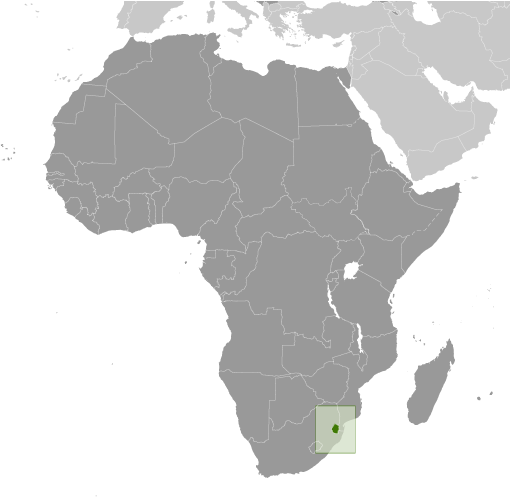
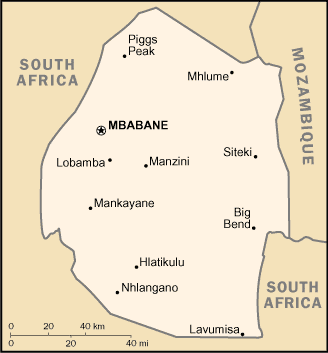
Kingdom of Swaziland is located in the south of the African Continent, with a population of 1,403,362, making it the 154th
largest national population. Its capitals are Lobamba (royal and legislative) and Mbabane (administrative) which is also its
largest city with a total population of 95,000. The country encompasses 17,364 square kilometers, making it the 159th
largest country in total area. It shares boundaries with South Africa and Mozambique.
King Mswati III is recognized as the Chief of State and along with his heir apparent Princess Sikhanyiso Dlamini achieves
that status through heredity and holds that position for life or abdication. Prime Minister Barnabas Sibusiso Dlamini is
recognized as the Head of Government and achieves that status through appointment by the president from among
members of the House of Assembly and holds that position five years. Its form of government is a monarchy, and they
celebrate the creation of their constitution on 8th of February 2006.
The languages commonly or officially spoken are English and siSwati. It counts among its major religions Zionist, Roman
Catholic, Muslim, Anglican, Baha’i, Methodist, Mormon, Jewish and other faiths. As sources of mass communication it has
3 AM, 2 FM, 3 Short Wave and 12 Television stations.
Major geographical features are Emlembe, its highest point at 1,862 meters, and Great Usutu River, its lowest point at 21
meters. Its principal waterways are the Lusutfu and Ngwavuma rivers, which measure 250 kilometers.
Major industries providing for the bulk of their Gross Domestic Product (GDP) are coal, wood pulp, sugar, soft drink
concentrates, textiles and apparel. Its official currency is Swazi Lilangeni.
Here’s something you may not know about Swaziland. Swaziland recently surpassed Botswana as the country with the
world's highest known rates of HIV/AIDS infection.
largest national population. Its capitals are Lobamba (royal and legislative) and Mbabane (administrative) which is also its
largest city with a total population of 95,000. The country encompasses 17,364 square kilometers, making it the 159th
largest country in total area. It shares boundaries with South Africa and Mozambique.
King Mswati III is recognized as the Chief of State and along with his heir apparent Princess Sikhanyiso Dlamini achieves
that status through heredity and holds that position for life or abdication. Prime Minister Barnabas Sibusiso Dlamini is
recognized as the Head of Government and achieves that status through appointment by the president from among
members of the House of Assembly and holds that position five years. Its form of government is a monarchy, and they
celebrate the creation of their constitution on 8th of February 2006.
The languages commonly or officially spoken are English and siSwati. It counts among its major religions Zionist, Roman
Catholic, Muslim, Anglican, Baha’i, Methodist, Mormon, Jewish and other faiths. As sources of mass communication it has
3 AM, 2 FM, 3 Short Wave and 12 Television stations.
Major geographical features are Emlembe, its highest point at 1,862 meters, and Great Usutu River, its lowest point at 21
meters. Its principal waterways are the Lusutfu and Ngwavuma rivers, which measure 250 kilometers.
Major industries providing for the bulk of their Gross Domestic Product (GDP) are coal, wood pulp, sugar, soft drink
concentrates, textiles and apparel. Its official currency is Swazi Lilangeni.
Here’s something you may not know about Swaziland. Swaziland recently surpassed Botswana as the country with the
world's highest known rates of HIV/AIDS infection.
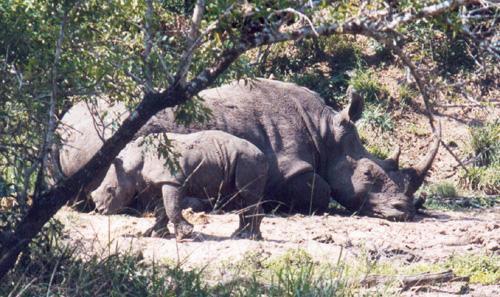
| Rhinos in Mkhaya Game Reserve |
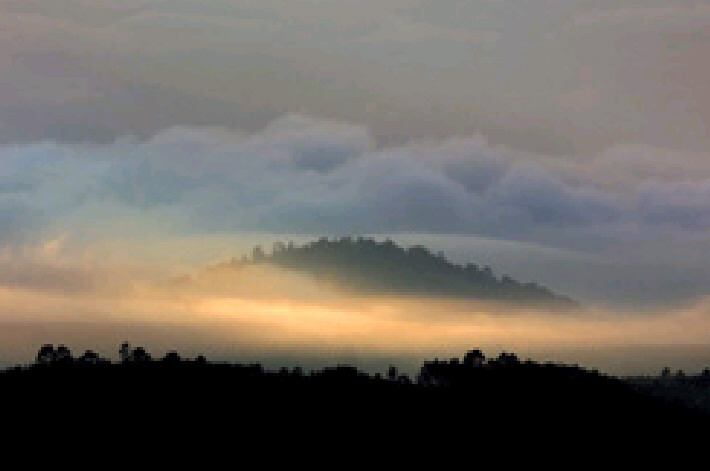
| Drakensberg Mountains along the border of Swaziland and South Africa |
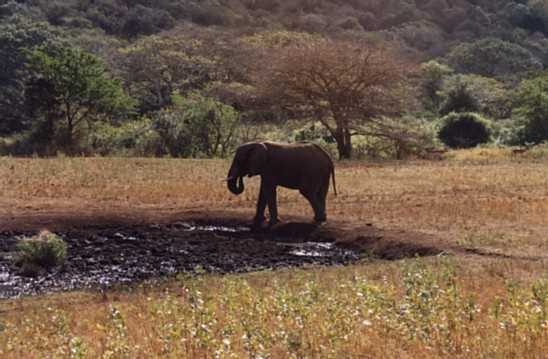
| Elephant in Mkhaya Game Reserve |
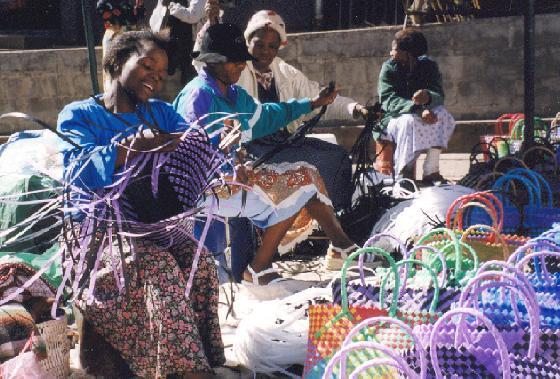
| Swazi women in traditional clothes in the market at Manzini- Swaziland's largest city |
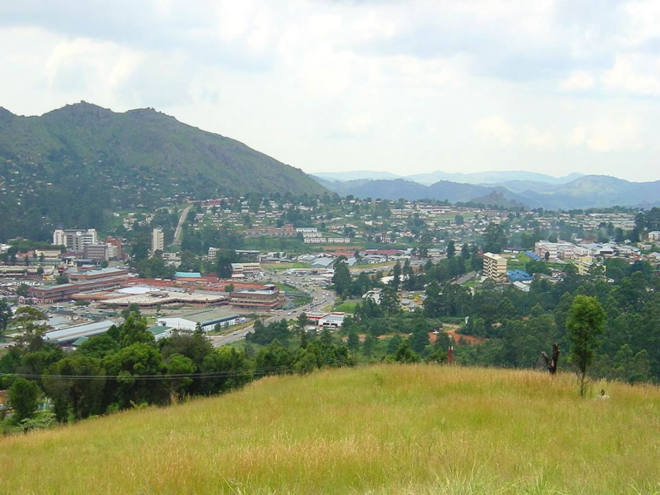
| Mbabane- Swaziland's administrative capital |
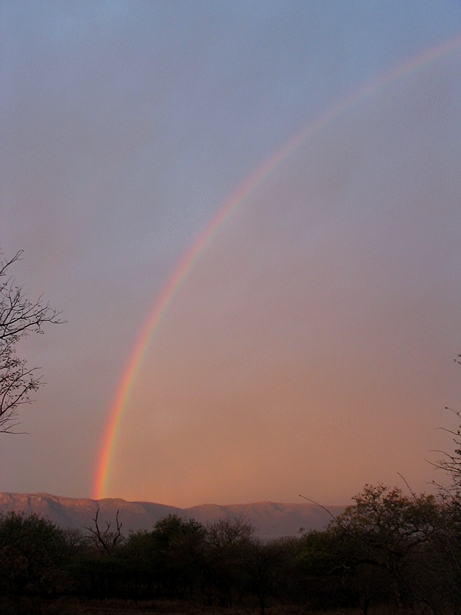
| Rainbow over the Lebombo Mountains |


| Abi's Home Page |
| Back to |

| NEWSPAPERS Swazi Observer Times of Swaziland |
SWAZILAND
Updated 23 March 2013
Updated 23 March 2013



| Adult Prevalence Rate: People Living with HIV/AIDS: HIV/AIDS Deaths: |
25.9% (2009 est.)
180,000
7,000
180,000
7,000

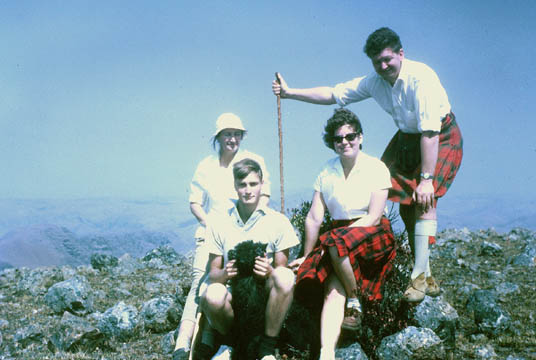
| Group at the top of Emlembe- Swaziland's highest point |

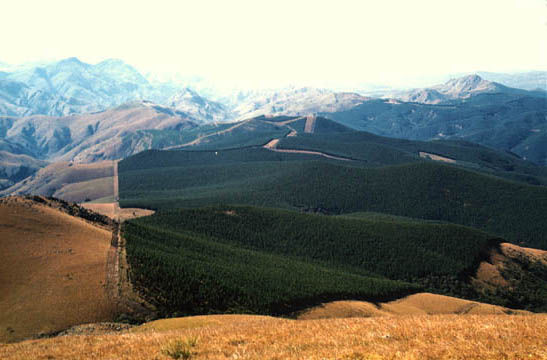
| View from Emlembe |
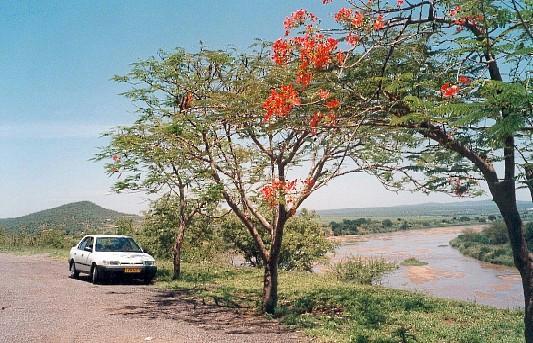
| Great Usutu River near Big Bend- Swaziland's lowest point |
| Pigg's Peak in the Drakensberg Mountains near Emlembe |
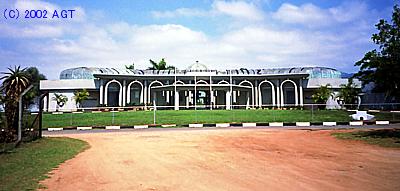
| Parliament building at Lobamba- Swaziland's royal and legislative capital |
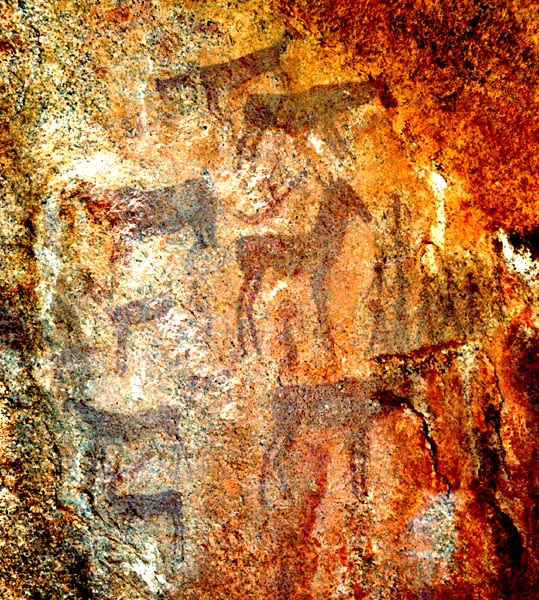
| Rock paintings near Sandlane |
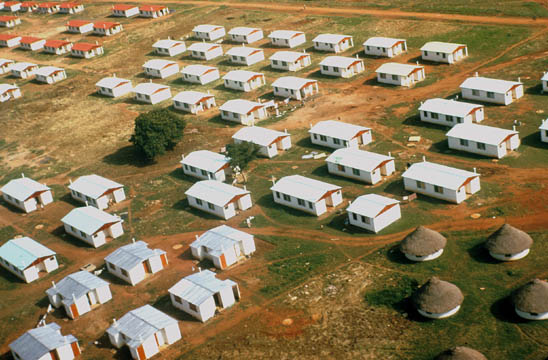
| Bhunya- Swaziland's westernmost point on the border with South Africa |
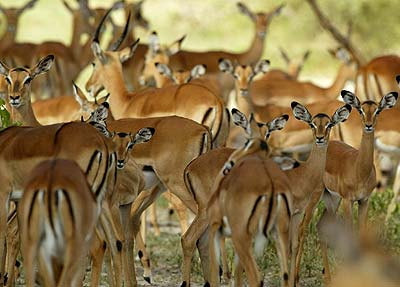
| Impala at Hlane Game Reserve |
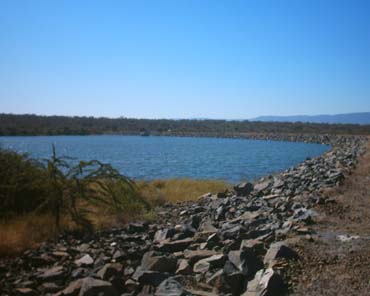
| Lavumisa Dam- Swaziland's southernmost point on the border with South Africa |
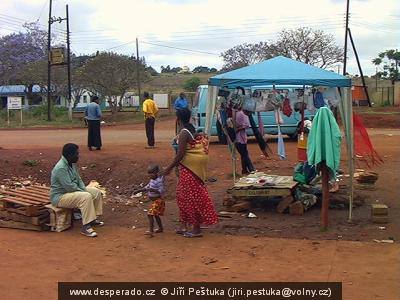
| Lomahasha in eastern Swaziland |
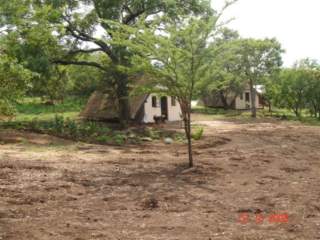
| Marula- Swaziland's easternmost point on the border with Mozambique |
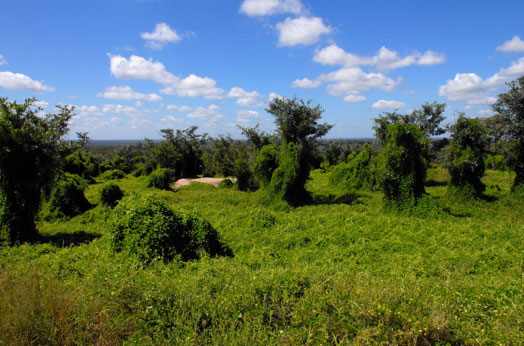
| Ngonini- Swaziland's northernmost point on the border with South Africa |
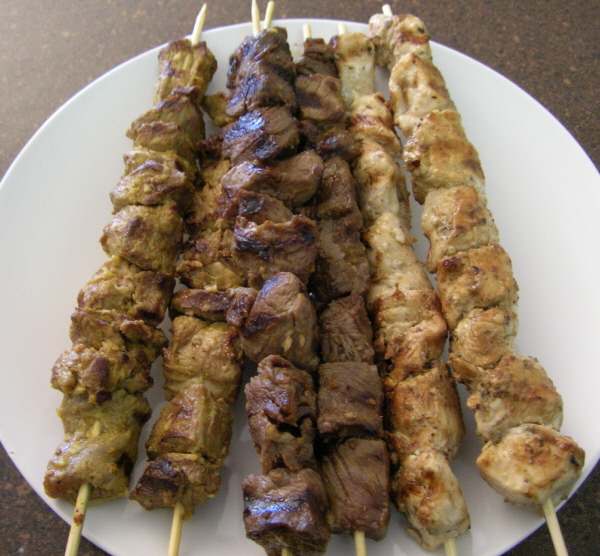
| Lamb skewers- a favorite dish of Swaziland |
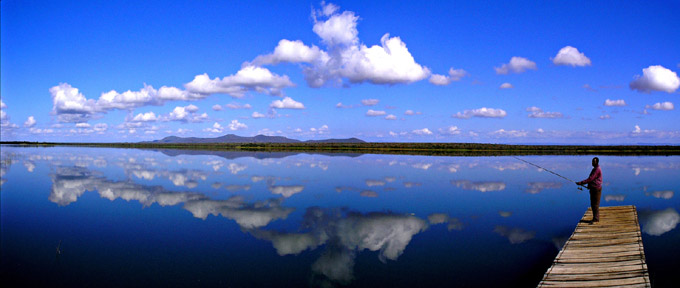
| Sand River Dam |
Read about human rights in Pax
Gaea World Post Report!
Gaea World Post Report!