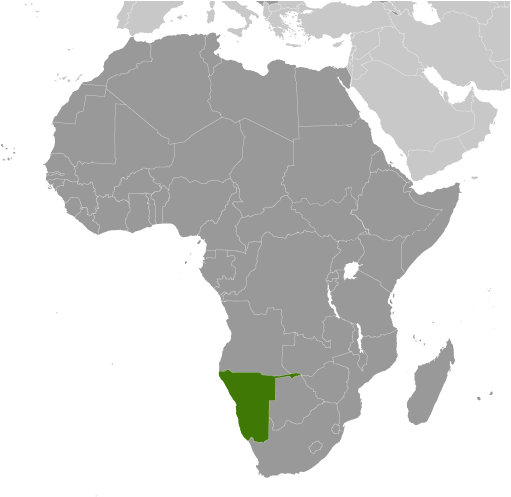
Republic of Namibia is located in the south of the African Continent, with a population of 2,165,828, making it the 143rd
largest national population. Its capital and largest city is Windhoek with a total population of 322,500. The country
encompasses 824,292 square kilometers making it the 34th largest country in total area. It shares boundaries with Angola,
Zambia, Zimbabwe, Botswana, South Africa and the Atlantic Ocean.
President Hifikepunye Pohamba is recognized as the Chief of State and achieves that status through popular vote and holds
that position for five years and is eligible for a second term. Along with President Pohamba, Prime Minister Hage Geingob is
recognized as the Head of Government and achieves that status through appointment by the president and holds that position
five years. Its form of government is a republic and they celebrate the creation of their constitution on 9th of February 1990.
The languages commonly or officially spoken are English, Afrikaans, German and indigenous languages including Oshivambo,
Herero and Nama. It counts among its major religions Christian and indigenous beliefs. As sources of mass communication it
has 2 AM, 39 FM, 4 Short Wave and 8 Television stations.
Major geographical features are Konigstein, its highest point at 2,606 meters and the Atlantic Ocean, its lowest point at 0
meters. Its principal waterway is the Atlantic Ocean, which measures 1,572 kilometers.
Major industries providing for the bulk of their Gross Domestic Product (GDP) are meatpacking, fish processing, dairy
products and mining. Its official currency is the Namibian Dollar and the South African Rand.
Here’s something you may not know about Namibia. The Fish River Canyon in Namibia is the second largest canyon in the
world. It is a hundred miles long and in places it is 11 miles wide and in some areas it is half a mile deep.
largest national population. Its capital and largest city is Windhoek with a total population of 322,500. The country
encompasses 824,292 square kilometers making it the 34th largest country in total area. It shares boundaries with Angola,
Zambia, Zimbabwe, Botswana, South Africa and the Atlantic Ocean.
President Hifikepunye Pohamba is recognized as the Chief of State and achieves that status through popular vote and holds
that position for five years and is eligible for a second term. Along with President Pohamba, Prime Minister Hage Geingob is
recognized as the Head of Government and achieves that status through appointment by the president and holds that position
five years. Its form of government is a republic and they celebrate the creation of their constitution on 9th of February 1990.
The languages commonly or officially spoken are English, Afrikaans, German and indigenous languages including Oshivambo,
Herero and Nama. It counts among its major religions Christian and indigenous beliefs. As sources of mass communication it
has 2 AM, 39 FM, 4 Short Wave and 8 Television stations.
Major geographical features are Konigstein, its highest point at 2,606 meters and the Atlantic Ocean, its lowest point at 0
meters. Its principal waterway is the Atlantic Ocean, which measures 1,572 kilometers.
Major industries providing for the bulk of their Gross Domestic Product (GDP) are meatpacking, fish processing, dairy
products and mining. Its official currency is the Namibian Dollar and the South African Rand.
Here’s something you may not know about Namibia. The Fish River Canyon in Namibia is the second largest canyon in the
world. It is a hundred miles long and in places it is 11 miles wide and in some areas it is half a mile deep.
| Konigstein on Brandberg Mountain- Namibia's highest point |
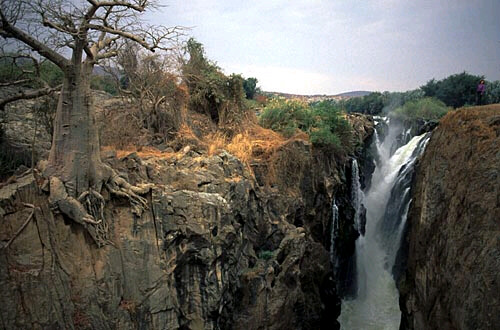
| Epupa Falls on Namibia's border with Angola |
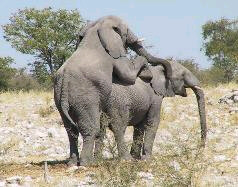
| Elephants |
| Namib Desert |
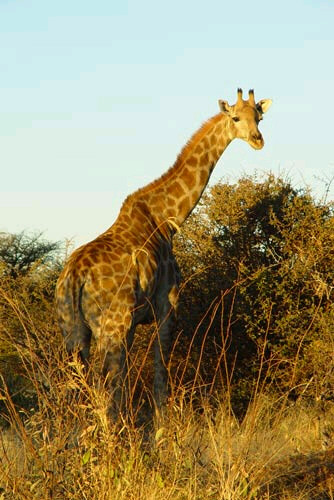
| Namibian giraffe |
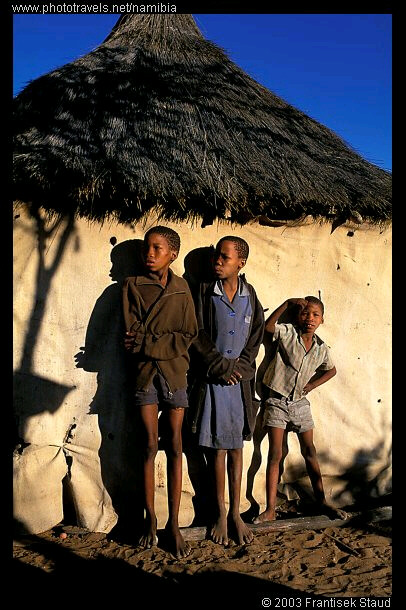
| Namibian children |
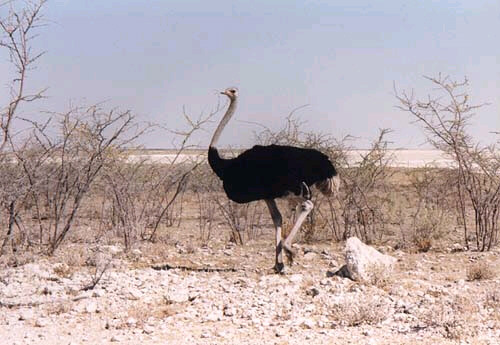
| Ostrich |
| Skeleton Coast on the Atlantic Ocean- Namibia's lowest point |
| Naukluft Mountain |



| Abi's Home Page |
| Back to |
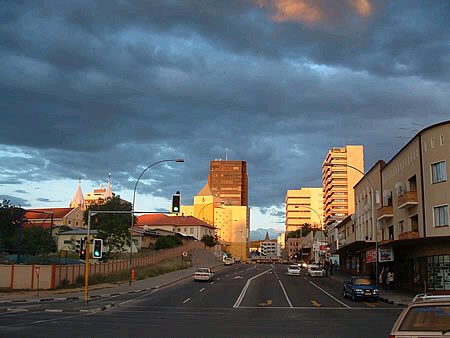
| Windhoek- Namibia's capital and largest city |

NAMIBIA
Updated 22 December 2012
Updated 22 December 2012


| Adult Prevalence Rate: People Living with HIV/AIDS: HIV/AIDS Deaths: |
13.1% (2009 est.)
180,000
6,700
180,000
6,700






| Fish River Canyon |

| View from Konigstein |

| Atlantic coast on the border with Angola- Namibia's westernmost point |

| Bobotie- a Namibian dish of spiced meat, egg and curry |


| Cuando River- Namibia's easternmost point with forms a quad border with Zambia, Botswana and Zimbabwe |

| Namibia's Diamond Coast on the border with South Africa |

| Wildebeeste on Namibia's Etosha Salt Pan- the world's largest |

| Hartman's Valley in northern Namibia |

| Herero tribeswoman in traditional dress |

| Kalahari Desert |

| Orange River which forms Namibia's southern border with South Africa |

| Pelgrimsrus- Namibia's southernmost point on the border with South Africa |

| Rio Kunene- Namibia's northernmost point on the border with Angola |

| Village on the Caprivi Strip Flood Plain on Namibia's northeast border with Angola |

Read about human rights in Pax
Gaea World Post Report!
Gaea World Post Report!