| SINGAPORE Republic of Singapore Republic of Singapore Joined United Nations: 21 September 1965 Human Rights as assured by their constitution Click here Updated 05 August 2012 |
| CAPITAL |
| POPULATION |
| CHIEF OF STATE |
| SELECTION PROCESS |
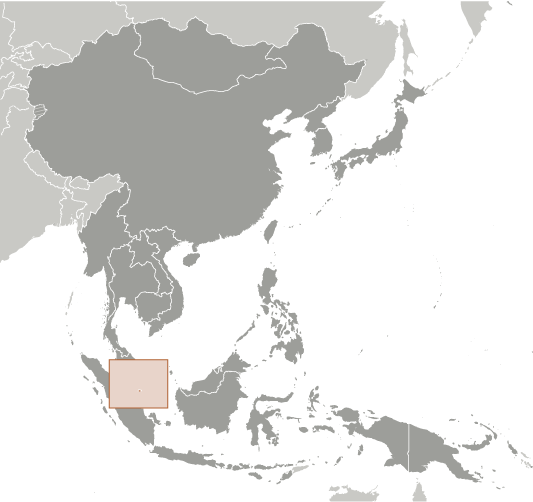
Singapore
5,353,494 (July 2012 est.)
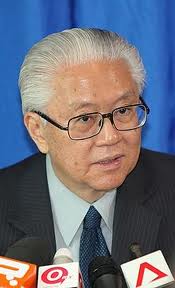
Tony Tan Keng Yam
President since 1 September 2011
President since 1 September 2011
President elected by popular vote for six-year term; election last
held on 27 August 2011
Next scheduled election: August 2017
held on 27 August 2011
Next scheduled election: August 2017
HEAD OF GOVERNMENT
SELECTION PROCESS
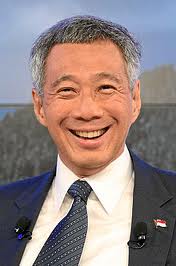
Lee Hsien Loong
Prime Minister since 12 August 2004
Prime Minister since 12 August 2004
Following legislative elections, leader of majority party or leader
of majority coalition is usually appointed prime minister by
president, deputy prime minister appointed by the president
of majority coalition is usually appointed prime minister by
president, deputy prime minister appointed by the president
| DECLARATION OF HUMAN RIGHTS |
| ETHNIC GROUPS |
Chinese 76.8%, Malay 13.9%, Indian 7.9%, other 1.4% (2000 census)
| RELIGIONS |
Buddhist 42.5%, Muslim 14.9%, Taoist 8.5%, Hindu 4%, Catholic 4.8%, other Christian 9.8%, other 0.7%, none 14.8%
(2000 census)
(2000 census)
| GOVERNMENT STRUCTURE |
Parliamentary Republic with no administrative divisions; Legal system is a based on English common law; has not accepted
compulsory ICJ jurisdiction
Executive: president elected by popular vote for six-year term; election last held on 27 August 2011 (next to be held by August
2017); following legislative elections, leader of majority party or leader of majority coalition usually appointed prime minister by
president; deputy prime ministers appointed by president
Legislative: unicameral Parliament (87 seats; members elected by popular vote to serve five-year terms); note - in addition,
there are up to nine nominated members; up to three losing opposition candidates who came closest to winning seats may be
appointed as Nominated Members of Parliament (NMP)
elections: last held on 7 May 2011 (next to be held in May 2016)
Judicial: Supreme Court consists of High Court and Court of Appeals; Specialist Commercial Courts consist of Admiralty
Court, Intellectual Property Court, and Abritation Court
note: (chief justice, judges of appeal, and judicial commissioners are appointed by the president with the advice of the prime
minister)
compulsory ICJ jurisdiction
Executive: president elected by popular vote for six-year term; election last held on 27 August 2011 (next to be held by August
2017); following legislative elections, leader of majority party or leader of majority coalition usually appointed prime minister by
president; deputy prime ministers appointed by president
Legislative: unicameral Parliament (87 seats; members elected by popular vote to serve five-year terms); note - in addition,
there are up to nine nominated members; up to three losing opposition candidates who came closest to winning seats may be
appointed as Nominated Members of Parliament (NMP)
elections: last held on 7 May 2011 (next to be held in May 2016)
Judicial: Supreme Court consists of High Court and Court of Appeals; Specialist Commercial Courts consist of Admiralty
Court, Intellectual Property Court, and Abritation Court
note: (chief justice, judges of appeal, and judicial commissioners are appointed by the president with the advice of the prime
minister)
| LANGUAGES |
Mandarin 35%, English 23%, Malay 14.1%, Hokkien 11.4%, Cantonese 5.7%, Teochew 4.9%, Tamil 3.2%, other
Chinese dialects 1.8%, other 0.9% (2000 census)
Chinese dialects 1.8%, other 0.9% (2000 census)
| BRIEF HISTORY |
| ECONOMIC OVERVIEW |
Singapore has a highly developed and successful free-market economy. It enjoys a remarkably open and corruption-free
environment, stable prices, and a per capita GDP higher than that of most developed countries. The economy depends
heavily on exports, particularly in consumer electronics, information technology products, pharmaceuticals, and on a growing
financial services sector. Real GDP growth averaged 8.6% between 2004 and 2007. The economy contracted 1.0% in
2009 as a result of the global financial crisis, but rebounded 14.8% in 2010 and 4.9% in 2011, on the strength of renewed
exports. Over the longer term, the government hopes to establish a new growth path that focuses on raising productivity,
which has sunk to a compound annual growth rate of just 1.8% in the last decade. Singapore has attracted major
investments in pharmaceuticals and medical technology production and will continue efforts to establish Singapore as
Southeast Asia's financial and high-tech hub.
Source: CIA World Factbook (select Singapore)
environment, stable prices, and a per capita GDP higher than that of most developed countries. The economy depends
heavily on exports, particularly in consumer electronics, information technology products, pharmaceuticals, and on a growing
financial services sector. Real GDP growth averaged 8.6% between 2004 and 2007. The economy contracted 1.0% in
2009 as a result of the global financial crisis, but rebounded 14.8% in 2010 and 4.9% in 2011, on the strength of renewed
exports. Over the longer term, the government hopes to establish a new growth path that focuses on raising productivity,
which has sunk to a compound annual growth rate of just 1.8% in the last decade. Singapore has attracted major
investments in pharmaceuticals and medical technology production and will continue efforts to establish Singapore as
Southeast Asia's financial and high-tech hub.
Source: CIA World Factbook (select Singapore)
| POLITICAL CLIMATE |
Western democracies consider the form of government in Singapore to be closer to authoritarianism rather than true
democracy and could be considered an illiberal democracy or procedural democracy. Singapore has what its government
considers to be a highly successful and transparent market economy. Some people have labelled Singapore a social
democracy, although the PAP has consistently rejected the notion of being socialist. However, some of PAP's policies do
contain certain aspects of socialism, which includes government-owned public housing constituting the majority of real estate
and the dominance of government controlled companies in the local economy. The Housing Development Board oversees a
large-scale public housing programme and education in Singapore is a rigorous compulsory public education system, and the
dominance of government-controlled companies in the local economy. Although dominant in its activities, the government
has a clean, corruption-free image. Singapore has consistently been rated as the least-corrupt country in Asia and amongst
the top ten cleanest in the world by Transparency International. Although Singapore's laws are inherited from British and
British Indian laws, including many elements of English common law, the PAP has also consistently rejected liberal
democratic values, which it typifies as Western and states that there should not be a 'one-size-fits-all' solution to a
democracy. Laws restricting the freedom of speech are justified by claims that they are intended to prohibit speech that may
breed ill will or cause disharmony within Singapore's multiracial, multi-religious society. For example, in September 2005,
three bloggers were convicted of sedition for posting racist remarks targeting minorities. Some offences can lead to heavy
fines or caning and there are laws which allow capital punishment in Singapore for first-degree murder and drug trafficking.
Amnesty International has criticised Singapore for having "possibly the highest execution rate in the world" per capita. The
Singapore Government responded by asserting it had the right as a sovereign state to impose the death penalty for serious
offences. Most recently, the PAP has relaxed some of its socially conservative policies and encouraged entrepreneurship.
Wikipedia: Politics of Singapore
democracy and could be considered an illiberal democracy or procedural democracy. Singapore has what its government
considers to be a highly successful and transparent market economy. Some people have labelled Singapore a social
democracy, although the PAP has consistently rejected the notion of being socialist. However, some of PAP's policies do
contain certain aspects of socialism, which includes government-owned public housing constituting the majority of real estate
and the dominance of government controlled companies in the local economy. The Housing Development Board oversees a
large-scale public housing programme and education in Singapore is a rigorous compulsory public education system, and the
dominance of government-controlled companies in the local economy. Although dominant in its activities, the government
has a clean, corruption-free image. Singapore has consistently been rated as the least-corrupt country in Asia and amongst
the top ten cleanest in the world by Transparency International. Although Singapore's laws are inherited from British and
British Indian laws, including many elements of English common law, the PAP has also consistently rejected liberal
democratic values, which it typifies as Western and states that there should not be a 'one-size-fits-all' solution to a
democracy. Laws restricting the freedom of speech are justified by claims that they are intended to prohibit speech that may
breed ill will or cause disharmony within Singapore's multiracial, multi-religious society. For example, in September 2005,
three bloggers were convicted of sedition for posting racist remarks targeting minorities. Some offences can lead to heavy
fines or caning and there are laws which allow capital punishment in Singapore for first-degree murder and drug trafficking.
Amnesty International has criticised Singapore for having "possibly the highest execution rate in the world" per capita. The
Singapore Government responded by asserting it had the right as a sovereign state to impose the death penalty for serious
offences. Most recently, the PAP has relaxed some of its socially conservative policies and encouraged entrepreneurship.
Wikipedia: Politics of Singapore
| INTERNATIONAL DISPUTES |
disputes persist with Malaysia over deliveries of fresh water to Singapore, Singapore's extensive land reclamation works,
bridge construction, and maritime boundaries in the Johor and Singapore Straits; in 2008, ICJ awarded sovereignty of Pedra
Branca (Pulau Batu Puteh/Horsburgh Island) to Singapore, and Middle Rocks to Malaysia, but did not rule on maritime
regimes, boundaries, or disposition of South Ledge; Indonesia and Singapore continue to work on finalization of their 1973
maritime boundary agreement by defining unresolved areas north of Indonesia's Batam Island; piracy remains a problem in
the Malacca Strait
bridge construction, and maritime boundaries in the Johor and Singapore Straits; in 2008, ICJ awarded sovereignty of Pedra
Branca (Pulau Batu Puteh/Horsburgh Island) to Singapore, and Middle Rocks to Malaysia, but did not rule on maritime
regimes, boundaries, or disposition of South Ledge; Indonesia and Singapore continue to work on finalization of their 1973
maritime boundary agreement by defining unresolved areas north of Indonesia's Batam Island; piracy remains a problem in
the Malacca Strait


| REFUGEES AND INTERNALLY DISPLACED PERSONS (IDP) |
None reported.
| ILLICIT DRUGS |
Drug abuse limited because of aggressive law enforcement efforts; as a transportation and financial services hub, Singapore
is vulnerable, despite strict laws and enforcement, as a venue for money laundering
is vulnerable, despite strict laws and enforcement, as a venue for money laundering
| HUMAN RIGHTS STATEMENTS, ANALYSIS AND CRITIQUES |
2011 Human Rights Report: Singapore
Bureau of Democracy, Human Rights, and Labor
2011 Country Reports on Human Rights Practices
May 25, 2012
Singapore is a parliamentary republic in which the People's Action Party (PAP), in power since 1959, overwhelmingly
dominates the political scene. Opposition parties actively participated in the May 7 parliamentary elections and the August
27 presidential election, which were generally free and fair; however, the PAP continued to benefit from procedural
obstacles in the path of political opponents. Security forces reported to civilian authorities.
The government has broad powers to limit citizens’ rights. While the 2011 general and presidential elections generally were
seen as open, free, and fair, the government benefitted from the use of legal restrictions that handicap the political opposition.
The Internal Security Act (ISA) permits preventive detention without warrant, filing of charges, or normal judicial review; in
recent years it has been used against alleged terrorists and was not used against persons in the political opposition.
The following human rights problems also were reported: mandated caning as an allowable punishment for some crimes,
infringement of aspects of citizens’ privacy rights, restriction of speech and press freedom and the practice of self-censorship
by journalists, restriction of freedoms of assembly and association, and some limited restriction of freedom of religion.
The government prosecutes officials who commit human rights abuses, although there were no instances of such
prosecutions reported during the year. There were no reports of impunity involving the security forces during the year and
therefore impunity did not appear to be a problem
Click here to read more »
Bureau of Democracy, Human Rights, and Labor
2011 Country Reports on Human Rights Practices
May 25, 2012
Singapore is a parliamentary republic in which the People's Action Party (PAP), in power since 1959, overwhelmingly
dominates the political scene. Opposition parties actively participated in the May 7 parliamentary elections and the August
27 presidential election, which were generally free and fair; however, the PAP continued to benefit from procedural
obstacles in the path of political opponents. Security forces reported to civilian authorities.
The government has broad powers to limit citizens’ rights. While the 2011 general and presidential elections generally were
seen as open, free, and fair, the government benefitted from the use of legal restrictions that handicap the political opposition.
The Internal Security Act (ISA) permits preventive detention without warrant, filing of charges, or normal judicial review; in
recent years it has been used against alleged terrorists and was not used against persons in the political opposition.
The following human rights problems also were reported: mandated caning as an allowable punishment for some crimes,
infringement of aspects of citizens’ privacy rights, restriction of speech and press freedom and the practice of self-censorship
by journalists, restriction of freedoms of assembly and association, and some limited restriction of freedom of religion.
The government prosecutes officials who commit human rights abuses, although there were no instances of such
prosecutions reported during the year. There were no reports of impunity involving the security forces during the year and
therefore impunity did not appear to be a problem
Click here to read more »
16 January 2012
Committee on the Elimination of Discrimination against Women
Forty-ninth session
11-29 July 2011
Concluding observations of the Committee on the Elimination of Discrimination against Women
Singapore
A. Introduction
2. The Committee expresses its appreciation to the State party for its fourth periodic report, which in general followed the
Committee’s guidelines for the preparation of reports with reference to the previous concluding observations. The
Committee expresses its appreciation to the State party for its oral presentation, the written replies to the list of issues and
questions raised by its pre-session working group and the further clarifications to the questions posed orally by the
Committee.
3. The Committee commends the State party’s high-level delegation, headed by the Minister of State for Community
Development, Youth and Sport of Singapore, which included several representatives from relevant ministries with expertise
in the areas covered by the Convention. The Committee appreciates the open and constructive dialogue that took place
between the delegation and the members of the Committee.
B. Positive aspects
4. The Committee welcomes the progress achieved since the consideration of the State party’s third periodic report in 2007
(CEDAW/C/SGP/3), including the legislative reforms that were made and the adoption of a range of legislative
measures. Specific reference is made to:
(a) Amendments to the Employment Act (2009) and adoption of a new employment agency regulatory framework (2011);
(b) Amendments to the Penal Code (2008), introducing provisions to protect young persons against sexual exploitation for
commercial sex;
(c) Amendments to the Administration of Muslim Law Act to raise the minimum marriage age from 16 to 18 years old for
Muslim females;
(d) Amendments to Evidence Act and Criminal Procedure Code (2010);
(e) Amendments to Women’s Charter (2011); and
(f) Amendments to the Children and Young Persons Act, which protects girls and young women against abuse, neglect and
exploitation (2011).
C. Principal areas of concern and recommendations
7. The Committee recalls the obligation of the State party to systematically and continuously implement all the provisions of
the Convention and views the concerns and recommendations identified in the present concluding observations as requiring
the priority attention of the State party between now and the submission of the next periodic report. Consequently, the
Committee urges the State party to focus on those areas in its implementation activities and to report on actions taken and
results achieved in its next periodic report. The Committee calls upon the State party to submit the present concluding
observations to all relevant ministries, the Parliament and the judiciary so as to ensure their full implementation.
Click here to read more »
Committee on the Elimination of Discrimination against Women
Forty-ninth session
11-29 July 2011
Concluding observations of the Committee on the Elimination of Discrimination against Women
Singapore
A. Introduction
2. The Committee expresses its appreciation to the State party for its fourth periodic report, which in general followed the
Committee’s guidelines for the preparation of reports with reference to the previous concluding observations. The
Committee expresses its appreciation to the State party for its oral presentation, the written replies to the list of issues and
questions raised by its pre-session working group and the further clarifications to the questions posed orally by the
Committee.
3. The Committee commends the State party’s high-level delegation, headed by the Minister of State for Community
Development, Youth and Sport of Singapore, which included several representatives from relevant ministries with expertise
in the areas covered by the Convention. The Committee appreciates the open and constructive dialogue that took place
between the delegation and the members of the Committee.
B. Positive aspects
4. The Committee welcomes the progress achieved since the consideration of the State party’s third periodic report in 2007
(CEDAW/C/SGP/3), including the legislative reforms that were made and the adoption of a range of legislative
measures. Specific reference is made to:
(a) Amendments to the Employment Act (2009) and adoption of a new employment agency regulatory framework (2011);
(b) Amendments to the Penal Code (2008), introducing provisions to protect young persons against sexual exploitation for
commercial sex;
(c) Amendments to the Administration of Muslim Law Act to raise the minimum marriage age from 16 to 18 years old for
Muslim females;
(d) Amendments to Evidence Act and Criminal Procedure Code (2010);
(e) Amendments to Women’s Charter (2011); and
(f) Amendments to the Children and Young Persons Act, which protects girls and young women against abuse, neglect and
exploitation (2011).
C. Principal areas of concern and recommendations
7. The Committee recalls the obligation of the State party to systematically and continuously implement all the provisions of
the Convention and views the concerns and recommendations identified in the present concluding observations as requiring
the priority attention of the State party between now and the submission of the next periodic report. Consequently, the
Committee urges the State party to focus on those areas in its implementation activities and to report on actions taken and
results achieved in its next periodic report. The Committee calls upon the State party to submit the present concluding
observations to all relevant ministries, the Parliament and the judiciary so as to ensure their full implementation.
Click here to read more »
FREEDOM IN THE WORLD REPORT- 2011
Political Rights Score: 5
Civil Liberties Score: 4
Status: Partly Free
Trend Arrow
Singapore received a downward trend arrow due to the politically motivated handling of defamation cases, which cast
doubt on judicial independence.
Overview
The authorities continued to restrict freedom of speech in 2010. Among other prominent cases during the year, officials ordered the
removal of a politically sensitive film from the internet, convicted a British author of defamation for his criticism of Singapore’s
justice system, and drove the International Herald Tribune to apologize and pay fines for an article associating the prime minister
with a broader phenomenon of dynastic politics in Asia.
Singapore is not an electoral democracy. The country is governed through a parliamentary system, and elections are free from
irregularities and vote rigging, but the ruling PAP dominates the political process. The prime minister retains control over the
Elections Department, and the country lacks a structurally independent election authority. Opposition campaigns are hamstrung by
a ban on political films and television programs, the threat of libel suits, strict regulations on political associations, and the PAP’s
influence on the media and the courts.
The largely ceremonial president is elected by popular vote for six-year terms, and a special committee is empowered to vet
candidates. The prime minister and cabinet are appointed by the president. Singapore has had only three prime ministers since
independence. Of the unicameral legislature’s 84 elected members, who serve five-year terms, 9 are elected from single-member
constituencies, while 75 are elected in Group Representation Constituencies (GRCs), a mechanism intended to foster minority
representation. However, the winner-take-all nature of the system limits the extent to which GRCs actually facilitate minority
representation and effectively helps perpetuate the return of incumbents. Up to nine additional, nonpartisan members can be
appointed by the president, and up to three members can be appointed to ensure a minimum of opposition representation.
Singapore has traditionally been lauded for its relative lack of corruption, and was ranked 3 out of 178 countries surveyed in
Transparency International’s 2010 Corruption Perceptions Index. However, since 2007, questions have arisen over the
management of state funds and the revolving door between politics and state entities, particularly the state’s investment agencies.
Women enjoy the same legal rights as men on most issues, and many are well-educated professionals. Few women hold top
positions in government and the private sector. Of the current Parliament’s 84 elected seats, 17 are held by women, all of whom
belong to the PAP. Lim Hwee Hua became the first woman to serve as a full cabinet minister in April 2010. Despite the presence of
an open gay community,Parliament voted in 2007 to maintain provisions of the penal code that make acts of “gross indecency”
between men punishable by up to two years in prison.
Click here to read more »
Political Rights Score: 5
Civil Liberties Score: 4
Status: Partly Free
Trend Arrow
Singapore received a downward trend arrow due to the politically motivated handling of defamation cases, which cast
doubt on judicial independence.
Overview
The authorities continued to restrict freedom of speech in 2010. Among other prominent cases during the year, officials ordered the
removal of a politically sensitive film from the internet, convicted a British author of defamation for his criticism of Singapore’s
justice system, and drove the International Herald Tribune to apologize and pay fines for an article associating the prime minister
with a broader phenomenon of dynastic politics in Asia.
Singapore is not an electoral democracy. The country is governed through a parliamentary system, and elections are free from
irregularities and vote rigging, but the ruling PAP dominates the political process. The prime minister retains control over the
Elections Department, and the country lacks a structurally independent election authority. Opposition campaigns are hamstrung by
a ban on political films and television programs, the threat of libel suits, strict regulations on political associations, and the PAP’s
influence on the media and the courts.
The largely ceremonial president is elected by popular vote for six-year terms, and a special committee is empowered to vet
candidates. The prime minister and cabinet are appointed by the president. Singapore has had only three prime ministers since
independence. Of the unicameral legislature’s 84 elected members, who serve five-year terms, 9 are elected from single-member
constituencies, while 75 are elected in Group Representation Constituencies (GRCs), a mechanism intended to foster minority
representation. However, the winner-take-all nature of the system limits the extent to which GRCs actually facilitate minority
representation and effectively helps perpetuate the return of incumbents. Up to nine additional, nonpartisan members can be
appointed by the president, and up to three members can be appointed to ensure a minimum of opposition representation.
Singapore has traditionally been lauded for its relative lack of corruption, and was ranked 3 out of 178 countries surveyed in
Transparency International’s 2010 Corruption Perceptions Index. However, since 2007, questions have arisen over the
management of state funds and the revolving door between politics and state entities, particularly the state’s investment agencies.
Women enjoy the same legal rights as men on most issues, and many are well-educated professionals. Few women hold top
positions in government and the private sector. Of the current Parliament’s 84 elected seats, 17 are held by women, all of whom
belong to the PAP. Lim Hwee Hua became the first woman to serve as a full cabinet minister in April 2010. Despite the presence of
an open gay community,Parliament voted in 2007 to maintain provisions of the penal code that make acts of “gross indecency”
between men punishable by up to two years in prison.
Click here to read more »
9 July 2012
Singapore: Proposed change a welcome step
Government needs to do more to abolish mandatory death penalty for all crimes
Amnesty International and the Anti-Death Penalty Asia Network (ADPAN) welcomes the Singaporean Government’s move towards
putting an end to the mandatory death sentencing for drug trafficking and homicide cases, and the moratorium on executions in
place until proposed changes in the law are enacted.
Mandatory death sentences are prohibited under international law and Amnesty International and ADPAN therefore call on the
Government of Singapore to abolish mandatory death sentencing unconditionally.
Mandatory death sentences prevent judges from exercising their discretion and from considering all extenuating circumstances in a
case. International human rights law prohibits mandatory death sentences as they have been found to constitute arbitrary
deprivation of life and cruel, inhuman or degrading punishment. Many courts and judicial bodies around the world have ruled
mandatory death sentencing as unconstitutional.
These proposed changes are key in saving the lives of those who are currently in death row in Singapore, particularly the case of
Malaysian Yong Vui Kong, who is facing imminent execution. Yong Vui Kong, who was 19 years old when arrested in 2007, was
given a mandatory death sentence for possession of 47g of heroin, which under Singapore’s existing laws amounted to drug
trafficking and warranted mandatory death penalty. Yong Vui Kong was a courier and has identified in a police statement the alleged
mastermind of the operation who instigated him to transport the controlled drugs to Singapore. The charges against the
Singaporean alleged to have masterminded the crime have been withdrawn. Yong Vui Kong’s case has attracted international
attention and concern from the diplomatic community.
Amnesty International and the Anti Death Penalty Asia Network (ADPAN) joins local groups in Malaysia and Singapore in calling
for the Singaporean Government to commute Yong Vui Kong’s sentence.
Amnesty International opposes the death penalty in all circumstances, believing that the death penalty violates the right to life and is
the ultimate form of cruel, inhuman and degrading punishment. Amnesty International understands the devastating impact of violent
crime and sympathizes with victims of crime and their families. However, there is no evidence to demonstrate that the death penalty
deters crime more effectively than other punishments. Victims of crime are doubly victimised by unfair trial procedures which can
result in the innocent being executed and the real perpetrators never being brought to justice.
Click here to read more »
Singapore: Proposed change a welcome step
Government needs to do more to abolish mandatory death penalty for all crimes
Amnesty International and the Anti-Death Penalty Asia Network (ADPAN) welcomes the Singaporean Government’s move towards
putting an end to the mandatory death sentencing for drug trafficking and homicide cases, and the moratorium on executions in
place until proposed changes in the law are enacted.
Mandatory death sentences are prohibited under international law and Amnesty International and ADPAN therefore call on the
Government of Singapore to abolish mandatory death sentencing unconditionally.
Mandatory death sentences prevent judges from exercising their discretion and from considering all extenuating circumstances in a
case. International human rights law prohibits mandatory death sentences as they have been found to constitute arbitrary
deprivation of life and cruel, inhuman or degrading punishment. Many courts and judicial bodies around the world have ruled
mandatory death sentencing as unconstitutional.
These proposed changes are key in saving the lives of those who are currently in death row in Singapore, particularly the case of
Malaysian Yong Vui Kong, who is facing imminent execution. Yong Vui Kong, who was 19 years old when arrested in 2007, was
given a mandatory death sentence for possession of 47g of heroin, which under Singapore’s existing laws amounted to drug
trafficking and warranted mandatory death penalty. Yong Vui Kong was a courier and has identified in a police statement the alleged
mastermind of the operation who instigated him to transport the controlled drugs to Singapore. The charges against the
Singaporean alleged to have masterminded the crime have been withdrawn. Yong Vui Kong’s case has attracted international
attention and concern from the diplomatic community.
Amnesty International and the Anti Death Penalty Asia Network (ADPAN) joins local groups in Malaysia and Singapore in calling
for the Singaporean Government to commute Yong Vui Kong’s sentence.
Amnesty International opposes the death penalty in all circumstances, believing that the death penalty violates the right to life and is
the ultimate form of cruel, inhuman and degrading punishment. Amnesty International understands the devastating impact of violent
crime and sympathizes with victims of crime and their families. However, there is no evidence to demonstrate that the death penalty
deters crime more effectively than other punishments. Victims of crime are doubly victimised by unfair trial procedures which can
result in the innocent being executed and the real perpetrators never being brought to justice.
Click here to read more »
Singapore: Yale to Curtail Rights on New Campus
University Defends Agreement to Ban Protests and Political Party Groups
July 19, 2012
(New York) – Yale University’s acceptance of Singaporean government restrictions on basic rights at the new Yale-National
University of Singapore (NUS) joint campus shows a disturbing disregard for free speech, association, and assembly. Yale-NUS
President Pericles Lewis told the media in July that students at the new campus, expected to open in August 2013, can express
their views but they will not be allowed to organize political protests on campus or form political party student groups.
The Singapore government has long severely restricted the rights to freedom of expression, association, and peaceful assembly,
and has imposed harsh punishments on violators, Human Rights Watch said.
“Yale is betraying the spirit of the university as a center of open debate and protest by giving away the rights of its students at its
new Singapore campus,” said Phil Robertson, deputy Asia director at Human Rights Watch. “Instead of defending these rights,
Yale buckled when faced with Singapore’s draconian laws on demonstrations and policies restricting student groups.”
Yale’s willingness to curtail rights on its Singapore campus lends credence to those who would deny the universality, inalienability,
and indivisibility of human rights on the basis of a country’s historical and cultural context and its economic development, Human
Rights Watch said. Heng Swee Keat, Singapore’s Minister of Education, argued this position, claiming that Yale’s Singapore
campus could have “academic freedom and open inquiry…in a manner sensitive to the Singapore context.”
Yale’s 1975 University Policy on Freedom of Expression states that, “The primary function of a university is to discover and
disseminate knowledge… To fulfill this function a free exchange of ideas is necessary not only within its walls but with the world
beyond as well… The history of intellectual growth and discovery demonstrates the need for unfettered freedom, the right to think
the unthinkable, discuss the unmentionable, and challenge the unchallengeable.” In adopting the policy, Yale College asserted that,
“The right of free expression in a university also includes the right to peaceful dissent, protests in peaceable assembly, and orderly
demonstrations, which may include picketing and the distribution of leaflets.” An agreement to prevent the exercise of these rights
at Yale-NUS effectively negates the university’s policy.
Click here to read more »
University Defends Agreement to Ban Protests and Political Party Groups
July 19, 2012
(New York) – Yale University’s acceptance of Singaporean government restrictions on basic rights at the new Yale-National
University of Singapore (NUS) joint campus shows a disturbing disregard for free speech, association, and assembly. Yale-NUS
President Pericles Lewis told the media in July that students at the new campus, expected to open in August 2013, can express
their views but they will not be allowed to organize political protests on campus or form political party student groups.
The Singapore government has long severely restricted the rights to freedom of expression, association, and peaceful assembly,
and has imposed harsh punishments on violators, Human Rights Watch said.
“Yale is betraying the spirit of the university as a center of open debate and protest by giving away the rights of its students at its
new Singapore campus,” said Phil Robertson, deputy Asia director at Human Rights Watch. “Instead of defending these rights,
Yale buckled when faced with Singapore’s draconian laws on demonstrations and policies restricting student groups.”
Yale’s willingness to curtail rights on its Singapore campus lends credence to those who would deny the universality, inalienability,
and indivisibility of human rights on the basis of a country’s historical and cultural context and its economic development, Human
Rights Watch said. Heng Swee Keat, Singapore’s Minister of Education, argued this position, claiming that Yale’s Singapore
campus could have “academic freedom and open inquiry…in a manner sensitive to the Singapore context.”
Yale’s 1975 University Policy on Freedom of Expression states that, “The primary function of a university is to discover and
disseminate knowledge… To fulfill this function a free exchange of ideas is necessary not only within its walls but with the world
beyond as well… The history of intellectual growth and discovery demonstrates the need for unfettered freedom, the right to think
the unthinkable, discuss the unmentionable, and challenge the unchallengeable.” In adopting the policy, Yale College asserted that,
“The right of free expression in a university also includes the right to peaceful dissent, protests in peaceable assembly, and orderly
demonstrations, which may include picketing and the distribution of leaflets.” An agreement to prevent the exercise of these rights
at Yale-NUS effectively negates the university’s policy.
Click here to read more »
STATEMENT BY MR ANG CHOO PIN, DELEGATE TO THE 66th SESSION OF THE UNITED NATIONS GENERAL
ASSEMBLY ON AGENDA ITEM 67 ELIMINATION OF RACISM, RACIAL DISCRIMINATION, XENOPHOBIA AND
RELATED INTOLERANCE, THIRD COMMITTEE, 31 OCTOBER 2011
Mr Chairman,
1 Thank you for giving me the floor. As a multi-ethnic, multi-religious country, Singapore is committed to and shares the United
Nations' commitment to end racism and racial discrimination. The building of a multi-racial, multi-religious, harmonious and
inclusive society is intrinsic to the existence of Singapore. Our independence is grounded in the pursuit of a multi-racial,
meritorious society based on the rule of law. Today, Singapore can look back on a track record of harmonious racial and religious
relations. Yet we do not for one moment take this achievement for granted.
2 Singapore had started off as a fishing village and became a port of call for visitors from all regions: Southeast Asia, China, India
and the Middle East. Many chose to settle in Singapore. When the British colonized us, they put in place an urban plan that
organised the various races into geographically distinct areas; separate communities grew in isolation from one another. With little
understanding of fellow citizens other than their own community, differences between citizens could be easily exploited and
misunderstandings magnified. Singapore's racial riots in 1964 bore violent fruit to the practice of segregation and serve as a
reminder, even till today, that harmonious racial relations must rest on integration, not separation.
3 Today, integration is at the heart of almost everything we do. Integration is distinct from assimilation. Singapore does not strive
for uniformity. We recognise and celebrate the rich diversity that our different backgrounds and experiences bring to the table. Our
diversity is what makes us unique and special as a country and as a people. The protection of private religious, personal spaces is
constitutionally and legislatively guaranteed. However, our policies are formulated to provide a balance between rights and
responsibilities. No citizen, in exercising his or her rights, may infringe upon the rights of other citizens. Stern measures are meted
out against individuals who incite racial or religious hatred between communities.
4 Singaporeans understand that some limits on behaviour are necessary in order for five million diverse citizens to live in harmony
on an island smaller than New York City. At the same time, policies are put in place to maintain and expand the common secular
space where all Singaporeans can interact with one another. Only with constant day-to-day social interaction can we understand
and embrace practices and traditions that differ from our own, thereby reducing the margins for misunderstandings.
Click here to read more »
ASSEMBLY ON AGENDA ITEM 67 ELIMINATION OF RACISM, RACIAL DISCRIMINATION, XENOPHOBIA AND
RELATED INTOLERANCE, THIRD COMMITTEE, 31 OCTOBER 2011
Mr Chairman,
1 Thank you for giving me the floor. As a multi-ethnic, multi-religious country, Singapore is committed to and shares the United
Nations' commitment to end racism and racial discrimination. The building of a multi-racial, multi-religious, harmonious and
inclusive society is intrinsic to the existence of Singapore. Our independence is grounded in the pursuit of a multi-racial,
meritorious society based on the rule of law. Today, Singapore can look back on a track record of harmonious racial and religious
relations. Yet we do not for one moment take this achievement for granted.
2 Singapore had started off as a fishing village and became a port of call for visitors from all regions: Southeast Asia, China, India
and the Middle East. Many chose to settle in Singapore. When the British colonized us, they put in place an urban plan that
organised the various races into geographically distinct areas; separate communities grew in isolation from one another. With little
understanding of fellow citizens other than their own community, differences between citizens could be easily exploited and
misunderstandings magnified. Singapore's racial riots in 1964 bore violent fruit to the practice of segregation and serve as a
reminder, even till today, that harmonious racial relations must rest on integration, not separation.
3 Today, integration is at the heart of almost everything we do. Integration is distinct from assimilation. Singapore does not strive
for uniformity. We recognise and celebrate the rich diversity that our different backgrounds and experiences bring to the table. Our
diversity is what makes us unique and special as a country and as a people. The protection of private religious, personal spaces is
constitutionally and legislatively guaranteed. However, our policies are formulated to provide a balance between rights and
responsibilities. No citizen, in exercising his or her rights, may infringe upon the rights of other citizens. Stern measures are meted
out against individuals who incite racial or religious hatred between communities.
4 Singaporeans understand that some limits on behaviour are necessary in order for five million diverse citizens to live in harmony
on an island smaller than New York City. At the same time, policies are put in place to maintain and expand the common secular
space where all Singaporeans can interact with one another. Only with constant day-to-day social interaction can we understand
and embrace practices and traditions that differ from our own, thereby reducing the margins for misunderstandings.
Click here to read more »
SFD Media Release
13 June 2012
Members of Singaporeans For Democracy (SFD) approved a motion to dissolve the organization as a society registered with
Registrar of Society during its Annual General Meeting on 28 April 2012.
SFD is currently completing the required documentation and will submit these shortly to ROS to finalize the dissolution. This will
then effectively release SFD from its obligations as a political association.
SFD’s membership chose to dissolve the society to draw attention to two sets of rules that hinder its work as a political advocacy
group in Singapore. One set of laws pertain to the registration and the day-to-day operation of SFD. These laws are found in the
Societies Act, Political Donations Act and Broadcasting Act. The other set of laws pertain to the operation of SFD’s programme of
activities. The laws under which we have been denied permits or investigated include the Employment of Foreign Manpower Act,
Films Act, Penal Code, Public Order Act.
The broad rationale for the dissolution is spelled out in the 2012 AGM report in this page.
To provide further details behind the dissolution, SFD has also commissioned a report that will document its activities in the last
two years and explain how various laws have hindered its advocacy work. The report entitled Democracy and Civil Society in
Singapore: The Politics of Control is planned for release in August 2012.
In dissolving the society, SFD members as civil society activists will continue to contribute towards political advocacy by joining
and strengthening other ongoing initiatives in Singapore but without the constrain of irrelevant laws.
Dr. James Gomez
Executive Director
Singaporeans For Democracy
Click here to read more »
13 June 2012
Members of Singaporeans For Democracy (SFD) approved a motion to dissolve the organization as a society registered with
Registrar of Society during its Annual General Meeting on 28 April 2012.
SFD is currently completing the required documentation and will submit these shortly to ROS to finalize the dissolution. This will
then effectively release SFD from its obligations as a political association.
SFD’s membership chose to dissolve the society to draw attention to two sets of rules that hinder its work as a political advocacy
group in Singapore. One set of laws pertain to the registration and the day-to-day operation of SFD. These laws are found in the
Societies Act, Political Donations Act and Broadcasting Act. The other set of laws pertain to the operation of SFD’s programme of
activities. The laws under which we have been denied permits or investigated include the Employment of Foreign Manpower Act,
Films Act, Penal Code, Public Order Act.
The broad rationale for the dissolution is spelled out in the 2012 AGM report in this page.
To provide further details behind the dissolution, SFD has also commissioned a report that will document its activities in the last
two years and explain how various laws have hindered its advocacy work. The report entitled Democracy and Civil Society in
Singapore: The Politics of Control is planned for release in August 2012.
In dissolving the society, SFD members as civil society activists will continue to contribute towards political advocacy by joining
and strengthening other ongoing initiatives in Singapore but without the constrain of irrelevant laws.
Dr. James Gomez
Executive Director
Singaporeans For Democracy
Click here to read more »
COS 2012 Debates: PMO – Ombudsman
Wednesday, March 7, 2012
During his Presidential campaign last year, President Tony Tan noted that the ombudsman was an institution that ought to be
looked into. The office of the ombudsman was first proposed to the Government by the 1966 Wee Chong Jin’s Constitutional
Commission, and in 1994, then backbencher and current Law Minister K Shanmugam also raised it in Parliament. The role of an
ombudsman is to investigate complaints about the unfair administrative decisions or actions of a public agency, including delay,
rudeness, negligence, arbitrariness, oppressive behaviour or unlawfulness.
An ombudsman does not have the power to make decisions that are binding on the government. Rather, the ombudsman makes
recommendations for change as supported by a thorough investigation of the complaint. A crucial element of the ombudsman is its
independence from the executive or administrative branch of government. There are many variations of the ombudsman office
around the world. Singapore can and should find a variation that suits local needs and conditions. An ombudsman with a well-
defined role and clear mechanism for action can be beneficial for Singapore.
Sir, Singaporeans today are well educated, well travelled and well informed. This invariably leads to higher citizenry expectations
when it comes to political and corporate governance. Higher expectations are not necessarily negative developments for they signify
growing interest in local politics and the national agenda.
The establishment of an ombudsman will address higher citizenry expectations in two ways. First, it will signify the Singapore
Government’s acknowledgement and respect of a maturing Singapore polity’s desire for a variety of institutions that can reflect the
concerns of the ordinary citizen. This will serve to build trust between society and State. Secondly, it will develop local civil society
by empowering institutions. While many would agree that capable and honest leaders are vital for good governance, the sign of a
mature and self-sustaining society are decentralised and independent institutions.
The establishment of an ombudsman would also be in keeping with the Prime Minister’s vision for an open and inclusive society
and, most certainly, in tandem with Budget 2012 which has also been characterised as an inclusive one.
Click here to read more »
Wednesday, March 7, 2012
During his Presidential campaign last year, President Tony Tan noted that the ombudsman was an institution that ought to be
looked into. The office of the ombudsman was first proposed to the Government by the 1966 Wee Chong Jin’s Constitutional
Commission, and in 1994, then backbencher and current Law Minister K Shanmugam also raised it in Parliament. The role of an
ombudsman is to investigate complaints about the unfair administrative decisions or actions of a public agency, including delay,
rudeness, negligence, arbitrariness, oppressive behaviour or unlawfulness.
An ombudsman does not have the power to make decisions that are binding on the government. Rather, the ombudsman makes
recommendations for change as supported by a thorough investigation of the complaint. A crucial element of the ombudsman is its
independence from the executive or administrative branch of government. There are many variations of the ombudsman office
around the world. Singapore can and should find a variation that suits local needs and conditions. An ombudsman with a well-
defined role and clear mechanism for action can be beneficial for Singapore.
Sir, Singaporeans today are well educated, well travelled and well informed. This invariably leads to higher citizenry expectations
when it comes to political and corporate governance. Higher expectations are not necessarily negative developments for they signify
growing interest in local politics and the national agenda.
The establishment of an ombudsman will address higher citizenry expectations in two ways. First, it will signify the Singapore
Government’s acknowledgement and respect of a maturing Singapore polity’s desire for a variety of institutions that can reflect the
concerns of the ordinary citizen. This will serve to build trust between society and State. Secondly, it will develop local civil society
by empowering institutions. While many would agree that capable and honest leaders are vital for good governance, the sign of a
mature and self-sustaining society are decentralised and independent institutions.
The establishment of an ombudsman would also be in keeping with the Prime Minister’s vision for an open and inclusive society
and, most certainly, in tandem with Budget 2012 which has also been characterised as an inclusive one.
Click here to read more »
The earliest written record of Singapore was a Chinese account from the third century, describing the island of Pu Luo
Chung. This itself is transliterated from the Malay name "Pulau Ujong", or "island at the end" (of the Malay peninsula). The
Sejarah Melayu (Malay Annals) contains a tale of a prince of Srivijaya, Sri Tri Buana (also known as Sang Nila Utama),
who landed on the island during the 13th century. Catching sight of a strange creature which he thought was a lion, he found
a settlement called Singapura, which means "Lion City" in Sanskrit. In 1320, the Mongol Empire sent a trade mission to a
place called Long Yamen (or Dragon's Tooth Strait), which is believed to be Keppel Harbour, at the southern part of the
island. The Chinese traveler Wang Dayuan, visiting the island around 1330, described a small settlement called Dan Ma Xi
(from Malay Tamasik) with Malay and Chinese residents. The Nagarakretagama, a Javanese epic poem written in 1365,
also referred to a settlement on the island called Temasek (Sea Town). Recent excavations in Fort Canning found evidences
indicating that Singapore was an important port in the 14th century. In the 1390s, Srivijayan prince Parameswara fled to
Temasek after being deposed by the Majapahit Empire. He ruled the island for several years, before being forced to Melaka
where he founded the Sultanate of Malacca. Singapore became an important trading port of the Malacca Sultanate and later
the Sultanate of Johor. In 1613, Portuguese raiders burnt down the settlement at the mouth of Singapore River and the
island sank into obscurity. Between the 16th and 19th centuries, the Malay archipelago was gradually taken over by the
European colonial powers, beginning with the arrival of the Portuguese at Malacca in 1509. The early dominance of the
Portuguese was challenged during the 17th century by the Dutch, who came to control most of the ports in the region. The
Dutch established a monopoly over trade within the archipelago, particularly in spices, then the region's most important
product. Other colonial powers, including the British, were limited to a relatively minor presence. In 1818, Sir Thomas
Stamford Raffles was appointed as the Lieutenant Governor of the British colony at Bencoolen. He was determined that
British should replace the Dutch as the dominant power in the archipelago, since the trade route between China and British
India, which had become vitally important with the institution of the opium trade with China, passed through the archipelago.
Raffles arrived in Singapore on 29 January 1819 and soon recognised the island as a natural choice for the new port. It lay
at the southern tip of the Malay peninsula, near the Straits of Malacca, and possessed a natural deep harbour, fresh water
supplies, and timber for repairing ships. Raffles found a small Malay settlement at the mouth of the Singapore River, headed
by Temenggong Abdu'r Rahman. The island was nominally ruled by the Sultan of Johor, Tengku Rahman, who was
controlled by the Dutch and the Bugis. A formal treaty was signed on 6 February 1819 and modern Singapore was born.
Raffles returned to Bencoolen soon after the signing of the treaty and left Major William Farquhar in charge of the new
settlement, with some artillery and a small regiment of Indian soldiers. As news of a free port spread across the archipelago,
Bugis, Peranakan Chinese, and Arab traders flocked to the island, seeking to circumvent the Dutch trade restrictions. The
population reached the 10,000 mark in 1825, and with a trade volume of $22 million, Singapore surpassed the long-
established port of Penang.Raffles returned to Singapore in 1822 and became critical of many of Farquhar's decisions,
despite Farquhar's success in leading the settlement through its difficult early years. In order to generate much-needed
revenue, Farquhar had resorted to selling licenses for gambling and the sale of opium, which Raffles saw as social evils. The
status of Singapore as a British possession was cemented by the Anglo-Dutch Treaty of 1824, which carved up the Malay
archipelago between the two colonial powers with the area north of the Straits of Malacca, including Singapore, falling under
British's sphere of influence. By 1880, over 1.5 million tons of goods were passing through Singapore each year, with
around 80% of the cargo transported by steamships.[12] The main commercial activity was entrepôt trade which flourished
under no taxation and little Restriction. The British government agreed to establish the Straits Settlements as a separate
Crown Colony on 1 April 1867.The immigrant Chinese population in Singapore donated generously to Tongmenghui, which
organised the 1911 Xinhai Revolution that led to the establishment of the Republic of China. Singapore was not much
affected by World War I (1914–18), as the conflict did not spread to Southeast Asia. Singapore, renamed Syonan-to
(Shōnan-tō, "Light of the South Island" in Japanese), was occupied by the Japanese from 1942 to 1945.The failure of
Britain to defend Singapore had destroyed its credibility as infallible ruler in the eyes of Singaporeans. On 1 April 1946, the
Straits Settlements was dissolved and Singapore became a separate Crown Colony with a civil administration headed by a
Governor. On 16 September 1963, Malaya, Singapore, Sabah and Sarawak were formally merged and Malaysia was
formed. Numerous racial riots resulted and curfews were frequently imposed to restore order. The most notorious riots
were the 1964 Race Riots that first took place on Prophet Muhammad's birthday on 21 July with twenty three people killed
and hundreds injured. On 9 August 1965, Singapore declared its independence and became a sovereign, independent
nation. Singapore joined the United Nations on 21 September 1965 and the Commonwealth in October that year. During
the 1980s, Singapore began to upgrade its industries to higher-technology industries. The Constitution was amended in 1991
to provide for an Elected President who has veto power in the use of national reserves and appointments to public office.In
the early years of 2000s, Singapore went through some of its most serious post-independence crises, including the SARS
outbreak in 2003 and the threat of terrorism. The general election of 2006 was a landmark election because of the
prominent use of the internet and blogging to cover and comment on the election, circumventing the official media. The
general election of 2011 was yet another watershed election due to the first time a GRC was lost by the ruling party PAP, to
the opposition party WP.
Sources: Wikipedia History of Singapore
Chung. This itself is transliterated from the Malay name "Pulau Ujong", or "island at the end" (of the Malay peninsula). The
Sejarah Melayu (Malay Annals) contains a tale of a prince of Srivijaya, Sri Tri Buana (also known as Sang Nila Utama),
who landed on the island during the 13th century. Catching sight of a strange creature which he thought was a lion, he found
a settlement called Singapura, which means "Lion City" in Sanskrit. In 1320, the Mongol Empire sent a trade mission to a
place called Long Yamen (or Dragon's Tooth Strait), which is believed to be Keppel Harbour, at the southern part of the
island. The Chinese traveler Wang Dayuan, visiting the island around 1330, described a small settlement called Dan Ma Xi
(from Malay Tamasik) with Malay and Chinese residents. The Nagarakretagama, a Javanese epic poem written in 1365,
also referred to a settlement on the island called Temasek (Sea Town). Recent excavations in Fort Canning found evidences
indicating that Singapore was an important port in the 14th century. In the 1390s, Srivijayan prince Parameswara fled to
Temasek after being deposed by the Majapahit Empire. He ruled the island for several years, before being forced to Melaka
where he founded the Sultanate of Malacca. Singapore became an important trading port of the Malacca Sultanate and later
the Sultanate of Johor. In 1613, Portuguese raiders burnt down the settlement at the mouth of Singapore River and the
island sank into obscurity. Between the 16th and 19th centuries, the Malay archipelago was gradually taken over by the
European colonial powers, beginning with the arrival of the Portuguese at Malacca in 1509. The early dominance of the
Portuguese was challenged during the 17th century by the Dutch, who came to control most of the ports in the region. The
Dutch established a monopoly over trade within the archipelago, particularly in spices, then the region's most important
product. Other colonial powers, including the British, were limited to a relatively minor presence. In 1818, Sir Thomas
Stamford Raffles was appointed as the Lieutenant Governor of the British colony at Bencoolen. He was determined that
British should replace the Dutch as the dominant power in the archipelago, since the trade route between China and British
India, which had become vitally important with the institution of the opium trade with China, passed through the archipelago.
Raffles arrived in Singapore on 29 January 1819 and soon recognised the island as a natural choice for the new port. It lay
at the southern tip of the Malay peninsula, near the Straits of Malacca, and possessed a natural deep harbour, fresh water
supplies, and timber for repairing ships. Raffles found a small Malay settlement at the mouth of the Singapore River, headed
by Temenggong Abdu'r Rahman. The island was nominally ruled by the Sultan of Johor, Tengku Rahman, who was
controlled by the Dutch and the Bugis. A formal treaty was signed on 6 February 1819 and modern Singapore was born.
Raffles returned to Bencoolen soon after the signing of the treaty and left Major William Farquhar in charge of the new
settlement, with some artillery and a small regiment of Indian soldiers. As news of a free port spread across the archipelago,
Bugis, Peranakan Chinese, and Arab traders flocked to the island, seeking to circumvent the Dutch trade restrictions. The
population reached the 10,000 mark in 1825, and with a trade volume of $22 million, Singapore surpassed the long-
established port of Penang.Raffles returned to Singapore in 1822 and became critical of many of Farquhar's decisions,
despite Farquhar's success in leading the settlement through its difficult early years. In order to generate much-needed
revenue, Farquhar had resorted to selling licenses for gambling and the sale of opium, which Raffles saw as social evils. The
status of Singapore as a British possession was cemented by the Anglo-Dutch Treaty of 1824, which carved up the Malay
archipelago between the two colonial powers with the area north of the Straits of Malacca, including Singapore, falling under
British's sphere of influence. By 1880, over 1.5 million tons of goods were passing through Singapore each year, with
around 80% of the cargo transported by steamships.[12] The main commercial activity was entrepôt trade which flourished
under no taxation and little Restriction. The British government agreed to establish the Straits Settlements as a separate
Crown Colony on 1 April 1867.The immigrant Chinese population in Singapore donated generously to Tongmenghui, which
organised the 1911 Xinhai Revolution that led to the establishment of the Republic of China. Singapore was not much
affected by World War I (1914–18), as the conflict did not spread to Southeast Asia. Singapore, renamed Syonan-to
(Shōnan-tō, "Light of the South Island" in Japanese), was occupied by the Japanese from 1942 to 1945.The failure of
Britain to defend Singapore had destroyed its credibility as infallible ruler in the eyes of Singaporeans. On 1 April 1946, the
Straits Settlements was dissolved and Singapore became a separate Crown Colony with a civil administration headed by a
Governor. On 16 September 1963, Malaya, Singapore, Sabah and Sarawak were formally merged and Malaysia was
formed. Numerous racial riots resulted and curfews were frequently imposed to restore order. The most notorious riots
were the 1964 Race Riots that first took place on Prophet Muhammad's birthday on 21 July with twenty three people killed
and hundreds injured. On 9 August 1965, Singapore declared its independence and became a sovereign, independent
nation. Singapore joined the United Nations on 21 September 1965 and the Commonwealth in October that year. During
the 1980s, Singapore began to upgrade its industries to higher-technology industries. The Constitution was amended in 1991
to provide for an Elected President who has veto power in the use of national reserves and appointments to public office.In
the early years of 2000s, Singapore went through some of its most serious post-independence crises, including the SARS
outbreak in 2003 and the threat of terrorism. The general election of 2006 was a landmark election because of the
prominent use of the internet and blogging to cover and comment on the election, circumventing the official media. The
general election of 2011 was yet another watershed election due to the first time a GRC was lost by the ruling party PAP, to
the opposition party WP.
Sources: Wikipedia History of Singapore


Click on map for larger view
Click on flag for Country Report





| TRAFFICKING ON PERSONS |
None reported.
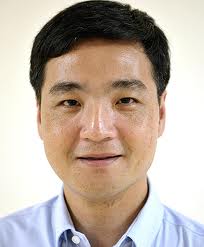
Heng Chee How
Senior Minister since 21 May 2011
Senior Minister since 21 May 2011
Teo Chee Hean and Tharman Shanmugaratnam
Deputy Prime Ministers
since 1 April 2009 and 21 May 2011 (respectively)
Deputy Prime Ministers
since 1 April 2009 and 21 May 2011 (respectively)